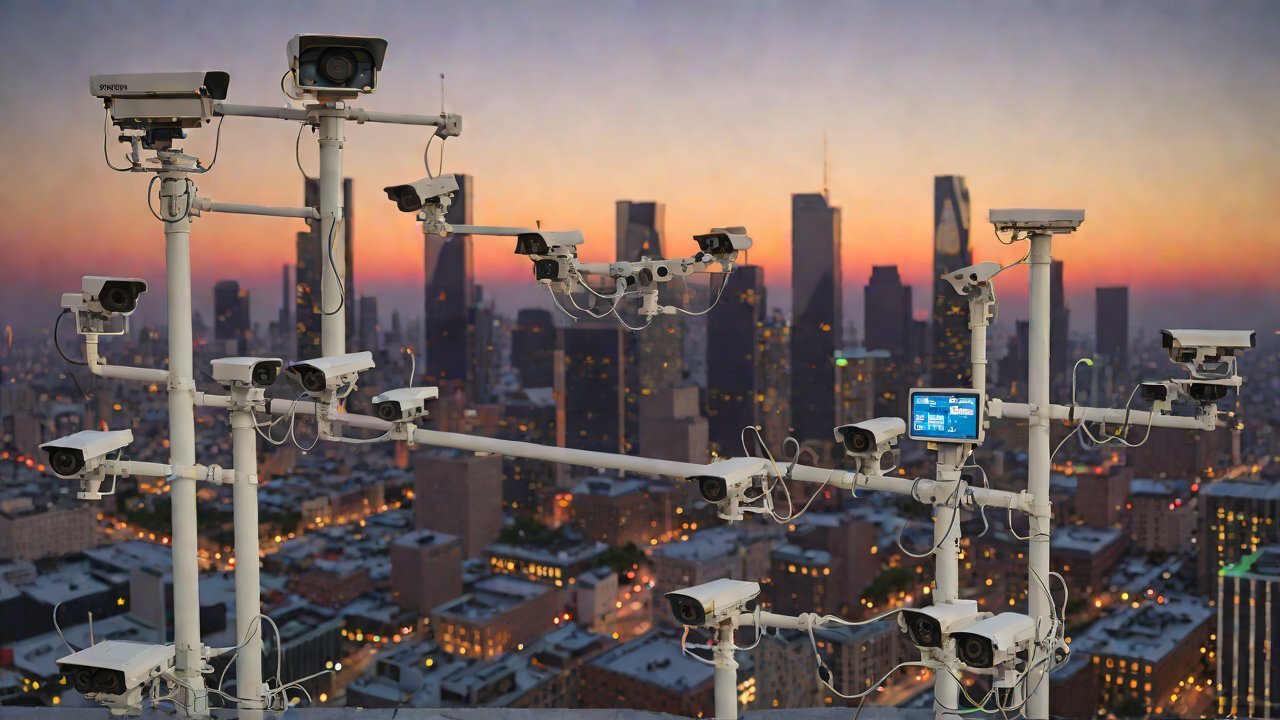
2026 Large-Scale Camera Monitoring Network Solution with Raspberry Pi and PoE Power Supply
In the rapidly evolving landscape of surveillance technology, the demand for efficient, scalable, and cost-effective solutions has never been more pressing. The proliferation of IoT devices and edge computing has given rise to innovative approaches in camera monitoring networks, with Raspberry Pi emerging as a leading player in this space. By harnessing the power of PoE (Power over Ethernet) supplies, these systems can now be deployed at an unprecedented scale, transforming the way we monitor and secure our environments.
1. Overview of Large-Scale Camera Monitoring Networks
Large-scale camera monitoring networks are designed to provide real-time video surveillance across vast areas, from industrial complexes to public spaces. These networks require robust infrastructure to support a multitude of cameras, ensuring seamless connectivity and minimal latency. The integration of Raspberry Pi and PoE power supply has significantly simplified the deployment process, making such systems more accessible than ever before.
Key Components
- Raspberry Pi: A series of compact, affordable single-board computers capable of running complex applications with minimal power consumption.
- PoE Power Supply: Allows for the transmission of both data and power over a single Ethernet cable, simplifying installation and reducing infrastructure costs.
2. Technical Specifications
Raspberry Pi
| Model | CPU Speed (GHz) | RAM (GB) | Storage Type |
|---|---|---|---|
| Raspberry Pi 4B | Up to 1.5 GHz | 1, 2, or 4 GB | MicroSD |

PoE Power Supply
| Model | Power Output (W) | Ethernet Ports |
|---|---|---|
| TP-Link POE150S | 15 W per Port | 8x Gigabit Ethernet |
3. Architecture and Implementation
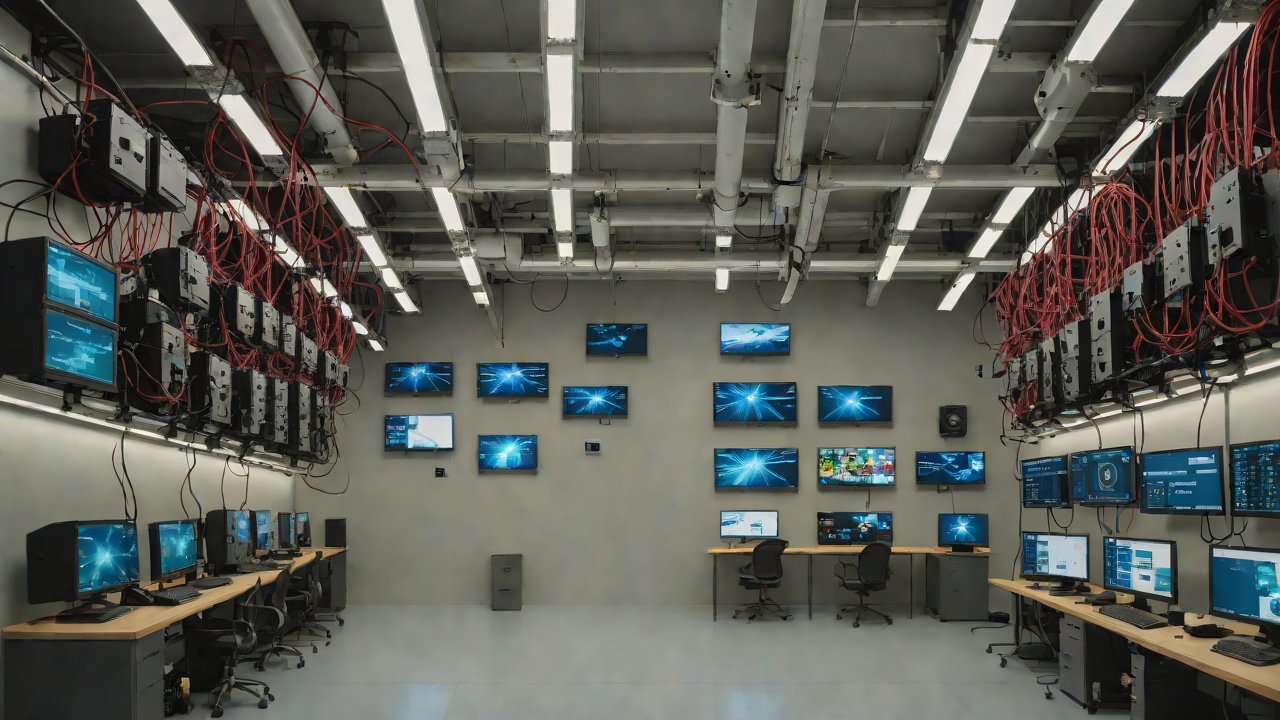
A typical large-scale camera monitoring network with Raspberry Pi and PoE power supply involves the following components:
- Camera Units: Equipped with Raspberry Pi, these are connected to PoE switches for both data and power transmission.
- PoE Switches: Centralized units that distribute power to all camera units over Ethernet cables.
- Network Server: A high-capacity server that stores video feeds from the camera units, enabling real-time monitoring.
Network Configuration
- IP Addressing: Dynamic or static addressing for efficient management and scalability.
- Video Encoding: H.264 or H.265 to balance quality with bandwidth requirements.
4. Market Analysis
The global surveillance market is expected to reach $63 billion by 2026, driven by the need for enhanced security and monitoring capabilities. The integration of Raspberry Pi and PoE power supply has made it easier for small-scale deployments, but large-scale implementations also offer significant benefits:
- Cost Savings: Reduced infrastructure costs due to the use of a single Ethernet cable.
- Scalability: Easy expansion or contraction of the network as needed.
5. Technical Considerations
Security Measures
- Encryption: Ensure all data transmitted is encrypted for privacy and security.
- Access Control: Implement robust access controls to prevent unauthorized access.
Power Efficiency
- Power Consumption: Optimize power consumption to minimize costs and reduce environmental impact.
6. Conclusion
The integration of Raspberry Pi and PoE power supply has revolutionized the landscape of large-scale camera monitoring networks, offering unparalleled efficiency, scalability, and cost-effectiveness. As the demand for enhanced security solutions continues to grow, this technology is poised to play a pivotal role in shaping the future of surveillance and monitoring systems.
7. Recommendations
- Pilot Projects: Conduct thorough pilot projects to assess performance and identify areas for improvement.
- Training and Support: Provide comprehensive training and support for network administrators to ensure seamless operation.
By embracing this technology, organizations can not only enhance their security posture but also reduce operational costs and environmental impact.
IOT Cloud Platform
IOT Cloud Platform is an IoT portal established by a Chinese IoT company, focusing on technical solutions in the fields of agricultural IoT, industrial IoT, medical IoT, security IoT, military IoT, meteorological IoT, consumer IoT, automotive IoT, commercial IoT, infrastructure IoT, smart warehousing and logistics, smart home, smart city, smart healthcare, smart lighting, etc.
The IoT Cloud Platform blog is a top IoT technology stack, providing technical knowledge on IoT, robotics, artificial intelligence (generative artificial intelligence AIGC), edge computing, AR/VR, cloud computing, quantum computing, blockchain, smart surveillance cameras, drones, RFID tags, gateways, GPS, 3D printing, 4D printing, autonomous driving, etc.