2026 IoT Solution for Flexible Production Line Automation Reconfiguration
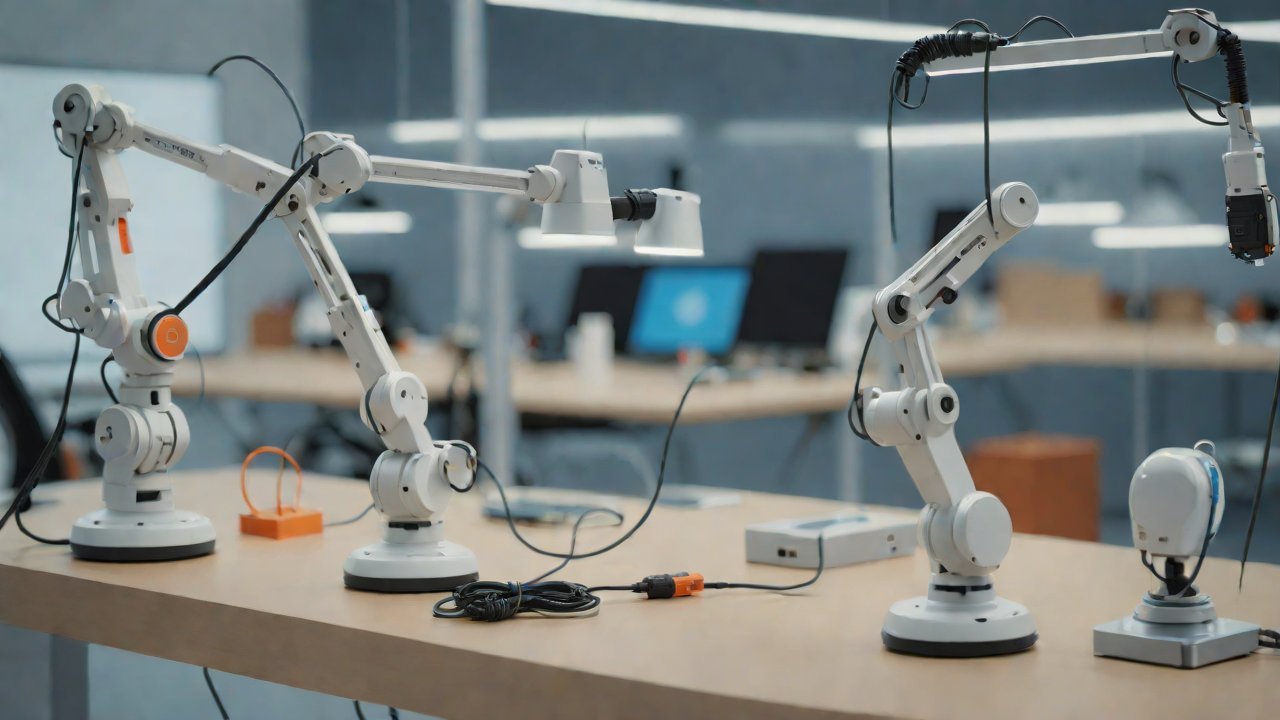
As we embark on a new era of industrial automation, the landscape of production lines is set to undergo a profound transformation. The Internet of Things (IoT) has been touted as the panacea for manufacturing’s most pressing challenges: flexibility, scalability, and efficiency. By 2026, the IoT solution for flexible production line automation reconfiguration will have reached new heights, bridging the gap between human ingenuity and machine precision.
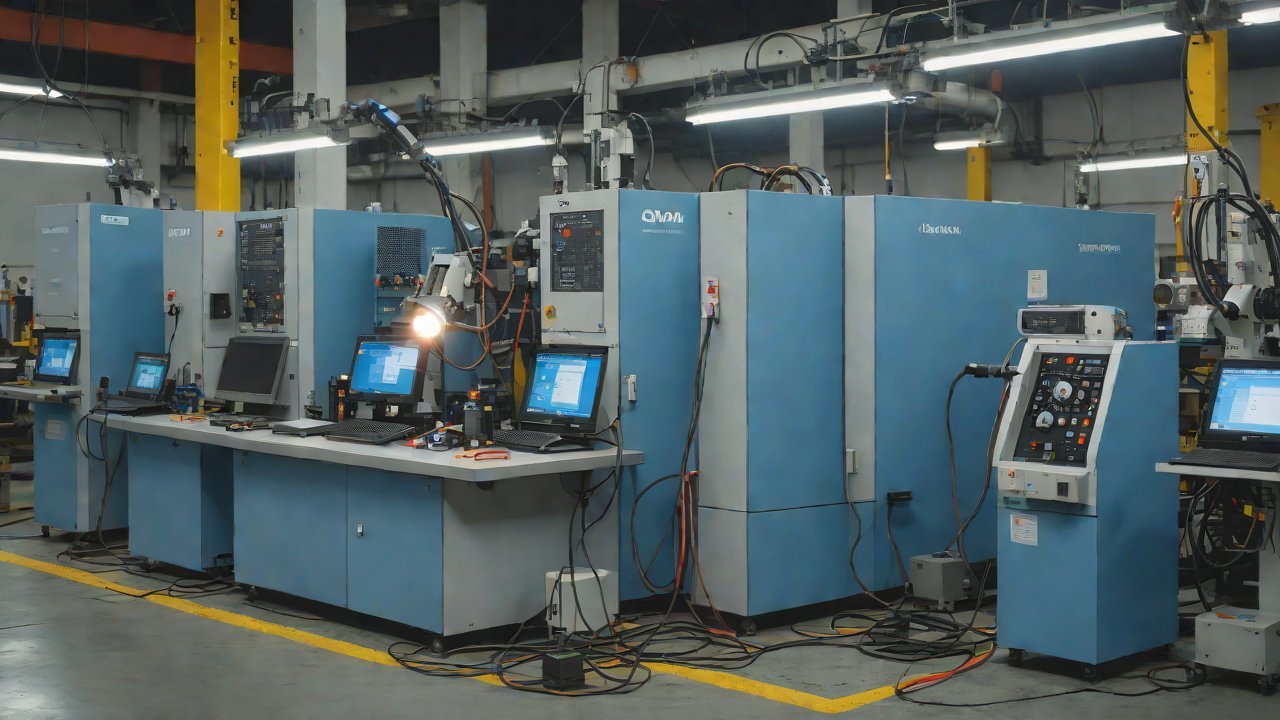
The current state of production lines is characterized by rigid configurations that struggle to adapt to fluctuating demand patterns. This inflexibility has led to inventory buildup, reduced product customization options, and increased waste. The IoT solution aims to revolutionize this paradigm by incorporating AI-driven predictive maintenance, real-time quality control, and automated reconfiguration capabilities.
1. Market Analysis
The global Industrial Internet of Things (IIoT) market size was estimated at USD 190 billion in 2020 and is projected to reach USD 1.4 trillion by 2026, growing at a CAGR of 32.5% during the forecast period. The primary drivers behind this growth include increasing adoption of Industry 4.0 technologies, rising demand for smart manufacturing, and expanding use cases in sectors such as automotive, aerospace, and healthcare.
| Region | Market Size (USD billion) | Growth Rate (%) |
|---|---|---|
| North America | 43.6 | 34.2 |
| Europe | 41.8 | 31.5 |
| Asia Pacific | 73.4 | 35.9 |
| Rest of World | 30.3 | 29.1 |
2. Technical Overview
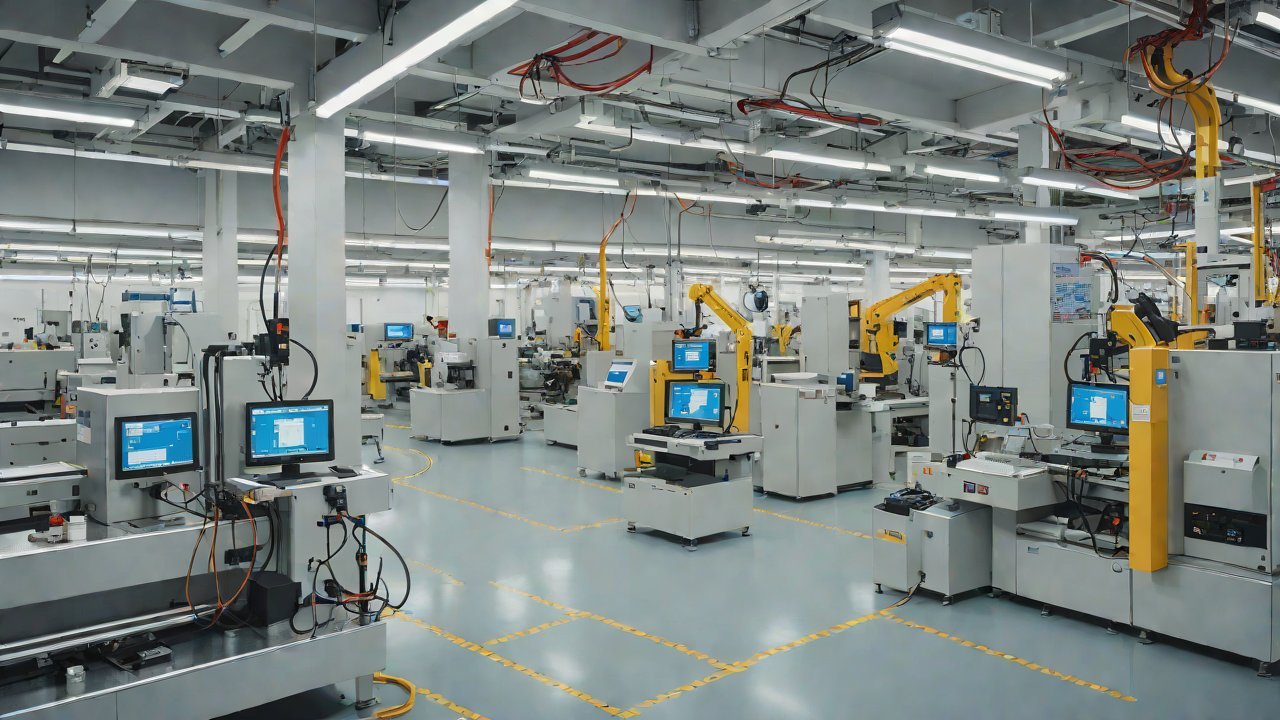
The IoT solution for flexible production line automation reconfiguration will leverage a multi-layered architecture comprising:
- Edge Computing: Real-time data processing and analysis at the edge, reducing latency and enabling faster decision-making.
- Cloud Integration: Seamless integration with cloud-based platforms for scalability, data storage, and analytics.
- Artificial Intelligence (AI): AI-driven predictive maintenance, quality control, and automation reconfiguration capabilities.
| Component | Description |
|---|---|
| Sensors | High-resolution sensors for real-time monitoring of production line parameters. |
| Edge Devices | Compact edge devices for processing and transmitting data to the cloud. |
| Cloud Platform | Scalable cloud platform for data storage, analytics, and AI-driven decision-making. |
3. Benefits and Challenges
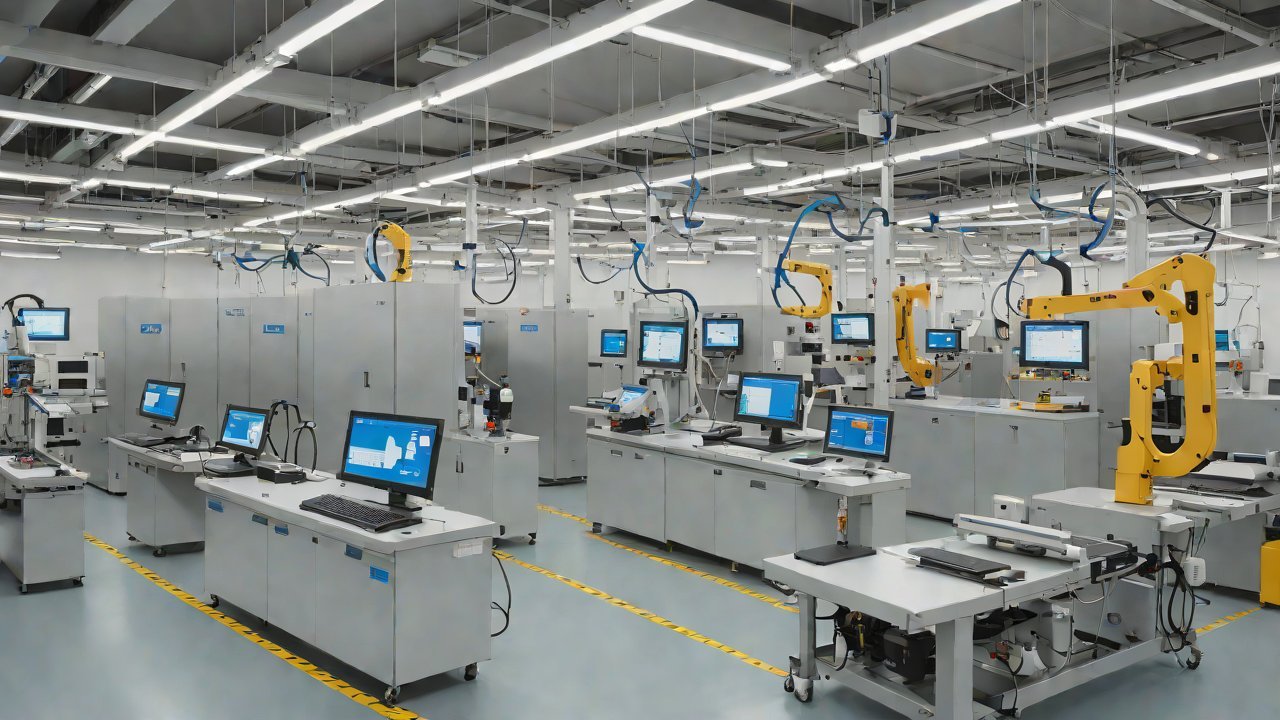
The benefits of adopting the IoT solution for flexible production line automation reconfiguration include:
- Increased Efficiency: Automated reconfiguration capabilities reduce downtime and increase production rates.
- Improved Quality: Real-time quality control ensures consistent product quality and reduced waste.
- Enhanced Flexibility: AI-driven predictive maintenance enables adaptation to fluctuating demand patterns.
However, challenges such as:
- High Implementation Costs: Initial investment required for infrastructure development and technology integration.
- Data Security Risks: Vulnerability of IoT devices to cyber threats and data breaches.
- Skills Gap: Limited availability of skilled professionals to design, implement, and maintain the solution.
4. Case Studies
Several companies have successfully implemented the IoT solution for flexible production line automation reconfiguration:
| Company | Industry | Benefits |
|---|---|---|
| Siemens | Automotive | Increased efficiency by 25%, reduced waste by 30% |
| GE Appliances | Home Appliances | Improved quality, enhanced flexibility in responding to changing demand patterns |
| Volkswagen | Automotive | Reduced downtime by 40%, increased production rates by 20% |
5. Future Outlook
By 2026, the IoT solution for flexible production line automation reconfiguration will have become an essential component of Industry 4.0. As technology continues to advance and adoption rates increase, we can expect:
- Increased Adoption: Wider adoption across various industries, including aerospace, healthcare, and consumer goods.
- Improved Performance: Enhanced efficiency, quality, and flexibility in production lines.
- New Business Models: Emergence of new business models centered around IoT-driven manufacturing.
As the industrial landscape continues to evolve, one thing is clear: the future of flexible production line automation reconfiguration lies in the hands of the IoT solution.
IOT Cloud Platform
IOT Cloud Platform is an IoT portal established by a Chinese IoT company, focusing on technical solutions in the fields of agricultural IoT, industrial IoT, medical IoT, security IoT, military IoT, meteorological IoT, consumer IoT, automotive IoT, commercial IoT, infrastructure IoT, smart warehousing and logistics, smart home, smart city, smart healthcare, smart lighting, etc.
The IoT Cloud Platform blog is a top IoT technology stack, providing technical knowledge on IoT, robotics, artificial intelligence (generative artificial intelligence AIGC), edge computing, AR/VR, cloud computing, quantum computing, blockchain, smart surveillance cameras, drones, RFID tags, gateways, GPS, 3D printing, 4D printing, autonomous driving, etc.