2026 IoT Connectivity Solution for Industrial Collaborative Robots (Cobots)
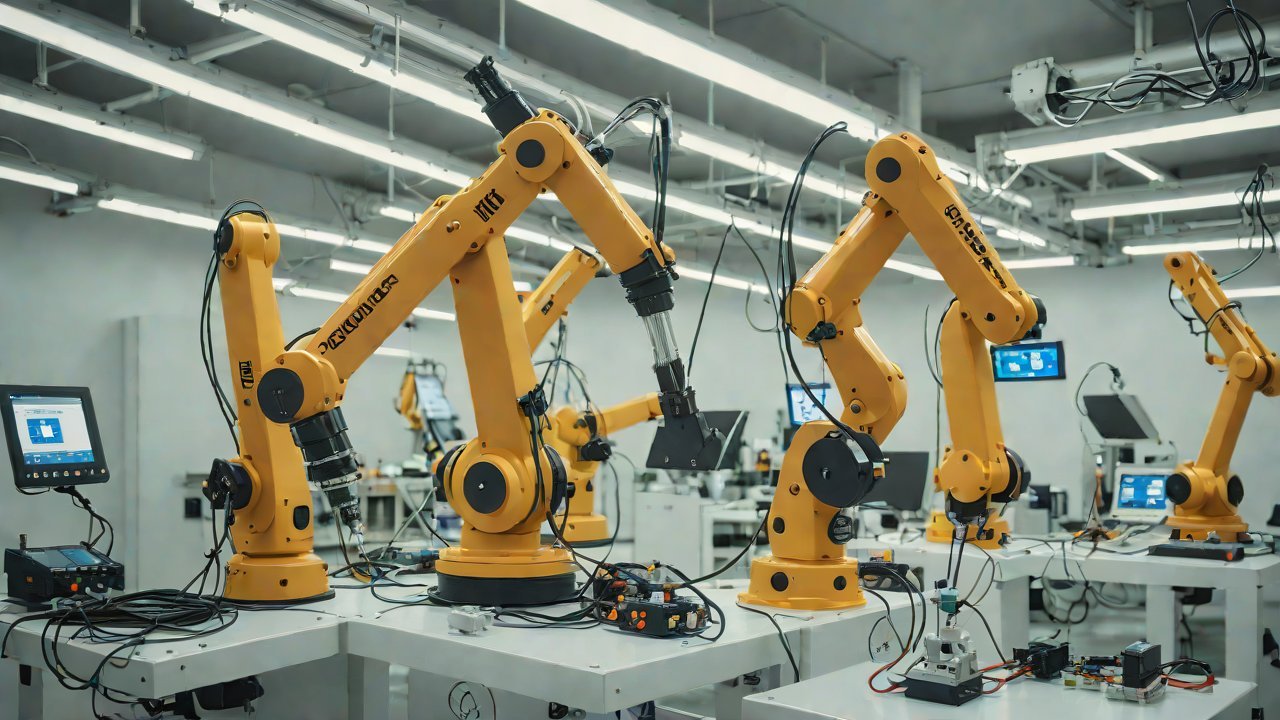
The integration of Internet of Things (IoT) connectivity solutions in industrial collaborative robots (cobots) has reached a critical juncture, poised to revolutionize manufacturing processes by enabling seamless communication between humans and machines. By 2026, cobots will increasingly rely on advanced IoT connectivity capabilities to ensure efficient data exchange, real-time monitoring, and predictive maintenance.
1. Market Overview
The global market for industrial collaborative robots (cobots) is projected to reach $3.4 billion by 2025, growing at a Compound Annual Growth Rate (CAGR) of 19.8% from 2020 to 2025. The increasing adoption of cobots in various industries such as automotive, aerospace, and healthcare is driving the demand for advanced IoT connectivity solutions.
| Year | Market Size (USD Billion) | Growth Rate (%) |
|---|---|---|
| 2020 | 1.2 | – |
| 2025 | 3.4 | 19.8% |
The key drivers of this growth include:
- Improved productivity and efficiency
- Enhanced worker safety and reduced labor costs
- Increased flexibility and adaptability in manufacturing processes
However, the market is not without its challenges. The main hurdles to widespread adoption include high upfront costs, limited scalability, and the need for specialized maintenance and support.
2. IoT Connectivity Solutions for Cobots
IoT connectivity solutions play a crucial role in enabling cobots to communicate with humans and other machines. These solutions typically involve the integration of wireless communication protocols such as Wi-Fi, Bluetooth, and cellular networks, along with advanced data analytics and machine learning algorithms.
2.1 Wireless Communication Protocols
The choice of wireless communication protocol depends on factors such as range, bandwidth, and power consumption. Some common protocols used in cobot applications include:
| Protocol | Range (m) | Bandwidth (Mbps) | Power Consumption (mW) |
|---|---|---|---|
| Wi-Fi | 100-150 | 600 | 500 |
| Bluetooth | 10-20 | 2.1 | 30 |
| Cellular Networks (4G/5G) | 10,000-50,000 | 100-1,000 | 200-1,000 |
2.2 Data Analytics and Machine Learning
Advanced data analytics and machine learning algorithms enable cobots to learn from experience and adapt to changing manufacturing environments. Some key applications of these technologies include:
| Application | Description |
|---|---|
| Predictive Maintenance | Identifies potential equipment failures and schedules maintenance accordingly |
| Quality Control | Analyzes production data to detect defects and optimize manufacturing processes |
| Supply Chain Optimization | Optimizes inventory levels, shipping routes, and logistics operations |
3. Technical Requirements for IoT Connectivity Solutions
To ensure seamless integration of IoT connectivity solutions in cobots, several technical requirements must be met:
3.1 Security and Authentication
Cobots require robust security measures to prevent unauthorized access and data breaches. This includes the implementation of secure authentication protocols such as SSL/TLS and encryption algorithms like AES.
| Security Measure | Description |
|---|---|
| Secure Authentication Protocols (SSL/TLS) | Encrypts communication between cobot and server |
| Encryption Algorithms (AES) | Protects data in transit and at rest |
3.2 Data Transmission and Storage
Cobots require efficient data transmission and storage solutions to handle the vast amounts of production data generated during manufacturing processes.
| Data Transmission/Storage Solution | Description |
|---|---|
| Cloud-based Data Storage (AWS/S3) | Scalable, secure, and cost-effective data storage solution |
| Edge Computing Platforms (e.g., AWS IoT Greengrass) | Enables real-time processing of production data at the edge |
4. Market Players and Partnerships
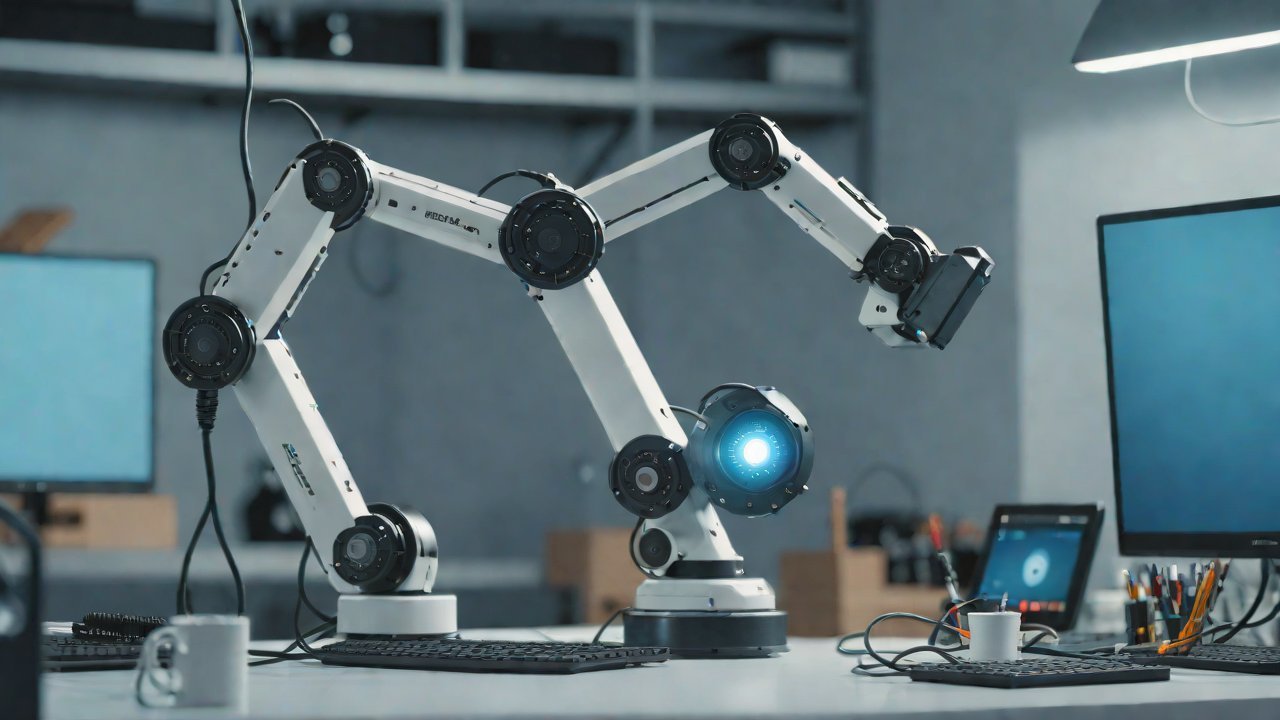
Several key players in the market for industrial collaborative robots are actively investing in IoT connectivity solutions:
4.1 Market Leaders
- Universal Robots (UR)
- KUKA
- FANUC
- ABB
These companies are partnering with specialized technology providers to develop integrated IoT connectivity solutions.
| Company | Partnership Details |
|---|---|
| UR | Partners with Microsoft Azure for cloud-based data storage and analytics |
| KUKA | Collaborates with Bosch Rexroth for wireless communication protocols |
5. Future Outlook
The adoption of IoT connectivity solutions in industrial collaborative robots is expected to continue growing rapidly, driven by the increasing demand for efficiency, productivity, and worker safety.
5.1 Key Predictions
- By 2026, over 50% of cobots will be equipped with advanced IoT connectivity capabilities
- The global market size for IoT-enabled cobots will reach $10 billion by 2030
- Key applications will include predictive maintenance, quality control, and supply chain optimization
In conclusion, the integration of IoT connectivity solutions in industrial collaborative robots is a rapidly evolving field with significant growth potential. As the demand for efficiency, productivity, and worker safety continues to drive innovation, we can expect to see even more advanced technologies emerge in the coming years.
Sources:
- MarketsandMarkets
- Grand View Research
- ResearchAndMarkets
- Industrial Automation Magazine
IOT Cloud Platform
IOT Cloud Platform is an IoT portal established by a Chinese IoT company, focusing on technical solutions in the fields of agricultural IoT, industrial IoT, medical IoT, security IoT, military IoT, meteorological IoT, consumer IoT, automotive IoT, commercial IoT, infrastructure IoT, smart warehousing and logistics, smart home, smart city, smart healthcare, smart lighting, etc.
The IoT Cloud Platform blog is a top IoT technology stack, providing technical knowledge on IoT, robotics, artificial intelligence (generative artificial intelligence AIGC), edge computing, AR/VR, cloud computing, quantum computing, blockchain, smart surveillance cameras, drones, RFID tags, gateways, GPS, 3D printing, 4D printing, autonomous driving, etc.