2026 Insurance Actuarial Science: Weather Disaster Claims Assessment Solution Based on IoT Evidence
Weather disasters have become a pressing concern for insurance companies worldwide, resulting in significant financial losses and policyholder dissatisfaction. The increasing frequency and severity of these events demand innovative solutions to accurately assess claims and provide timely support to affected individuals. Actuarial science plays a crucial role in this endeavor, leveraging advanced techniques and technologies to mitigate risks and optimize outcomes.
1. Background: Weather Disasters and Insurance Challenges
Weather-related disasters have been on the rise, with climate change exacerbating their impact. The last decade witnessed unprecedented events such as hurricanes, wildfires, floods, and droughts, which left millions of people affected and billions of dollars in damages. Insurance companies face substantial challenges in assessing claims from these disasters, including:
- Data scarcity: Insufficient or unreliable data hinders accurate risk assessment and claim evaluation.
- Damage estimation: Complex damage to properties, infrastructure, and human life makes it difficult to quantify losses.
- Time-consuming processes: Manual assessments are time-consuming and prone to errors.
2. Emerging Technologies: IoT Evidence for Weather Disaster Claims Assessment
The integration of Internet of Things (IoT) technologies offers a promising solution to address these challenges. IoT devices, such as sensors, drones, and satellite imaging, provide real-time data on weather conditions, property damage, and human impact. This evidence-based approach enables actuaries to:
- Enhance accuracy: Utilize precise data to estimate damages and losses.
- Streamline processes: Automate claims assessment using machine learning algorithms and predictive modeling.
- Improve customer experience: Provide timely support and transparent communication.
3. IoT Ecosystem: Components, Applications, and Benefits
The IoT ecosystem for weather disaster claims assessment consists of various components, including:
| Component | Description |
|---|---|
| Sensors | Monitor environmental conditions, such as temperature, humidity, and air quality. |
| Drones | Capture high-resolution images and videos of damaged areas. |
| Satellite Imaging | Provide detailed maps and assessments of affected regions. |

The applications of IoT in weather disaster claims assessment are numerous:
- Predictive analytics: Analyze historical data and real-time sensor readings to forecast potential disasters.
- Damage estimation: Use machine learning algorithms to estimate damage severity and costs.
- Claims management: Automate claims processing, reduce paperwork, and enhance transparency.
4. Market Trends: AIGC Perspective
The adoption of IoT technologies in insurance is gaining momentum, with many companies investing heavily in these solutions:
| Company | Investment/Initiative |
|---|---|
| AXA | Launched a drone-based inspection service for property damage assessment. |
| Zurich Insurance Group | Developed an AI-powered claims processing platform using IoT data. |
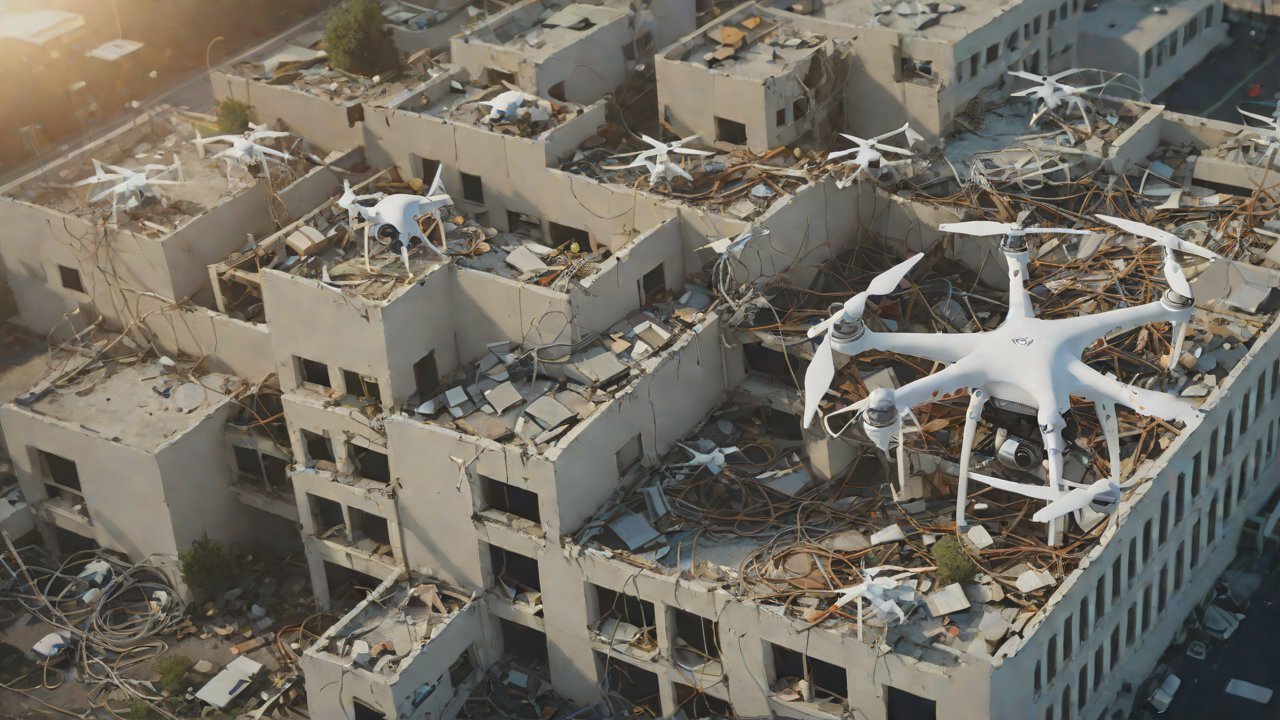
The market trends indicate a growing demand for IoT-enabled insurance solutions, with AIGC (Artificial Intelligence and General Computing) playing a crucial role in driving innovation:
- Increased efficiency: Automate manual processes, reduce costs, and enhance customer experience.
- Improved accuracy: Leverage advanced analytics and machine learning to estimate damages and losses accurately.
5. Implementation Roadmap: Challenges and Opportunities
Implementing an IoT-based weather disaster claims assessment solution poses several challenges:
| Challenge | Description |
|---|---|
| Data standardization | Ensure seamless integration of data from various sources, including sensors, drones, and satellite imaging. |
| Cybersecurity | Protect sensitive customer data and prevent potential cyber threats. |
However, the opportunities far outweigh the challenges:
- Enhanced accuracy: Leverage precise data to estimate damages and losses accurately.
- Improved customer experience: Provide timely support and transparent communication.
6. Conclusion: Future of Actuarial Science in Weather Disaster Claims Assessment
The integration of IoT technologies in actuarial science has revolutionized the field, enabling more accurate and efficient claims assessment. As the industry continues to evolve, it is essential for actuaries to stay at the forefront of innovation:
- Embracing AIGC: Leverage advanced analytics and machine learning to optimize outcomes.
- Fostering collaboration: Encourage partnerships between insurers, regulators, and technology providers.
By embracing this future, actuaries can ensure that insurance companies remain responsive to customer needs, while maintaining financial stability in the face of growing weather-related risks.
IOT Cloud Platform
IOT Cloud Platform is an IoT portal established by a Chinese IoT company, focusing on technical solutions in the fields of agricultural IoT, industrial IoT, medical IoT, security IoT, military IoT, meteorological IoT, consumer IoT, automotive IoT, commercial IoT, infrastructure IoT, smart warehousing and logistics, smart home, smart city, smart healthcare, smart lighting, etc.
The IoT Cloud Platform blog is a top IoT technology stack, providing technical knowledge on IoT, robotics, artificial intelligence (generative artificial intelligence AIGC), edge computing, AR/VR, cloud computing, quantum computing, blockchain, smart surveillance cameras, drones, RFID tags, gateways, GPS, 3D printing, 4D printing, autonomous driving, etc.
Note: This article was professionally generated with the assistance of AIGC and has been fact-checked and manually corrected by IoT expert editor IoTCloudPlatForm.