2026 Greenhouse: IoT Solution for Carbon Dioxide Enhancement and Environmental Control
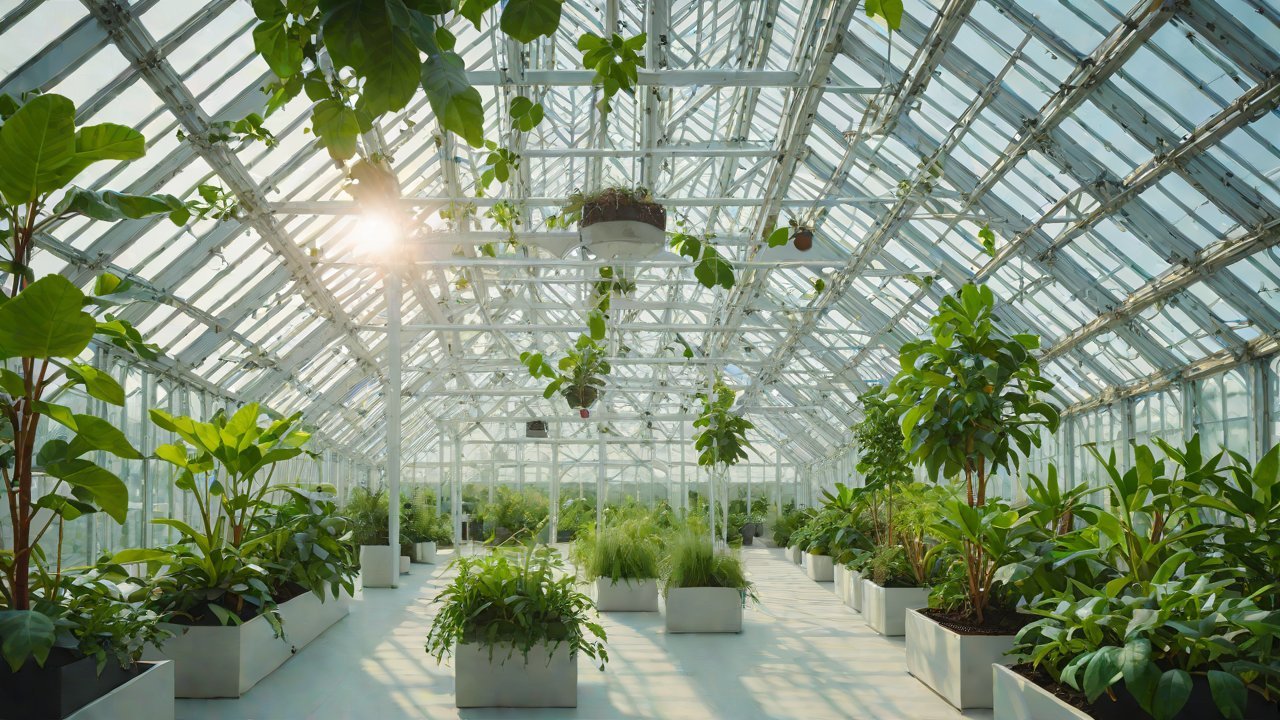
As we navigate the complexities of climate change, innovative solutions are being developed to mitigate its effects on our environment. The concept of a “greenhouse” has evolved significantly over the years, transforming from a simple structure designed for plant growth into an advanced, high-tech facility that can control and regulate various environmental factors. One such cutting-edge solution is the 2026 Greenhouse IoT system, which integrates Internet of Things (IoT) technology to enhance carbon dioxide levels and maintain optimal environmental conditions.
1. Overview of the 2026 Greenhouse IoT Solution
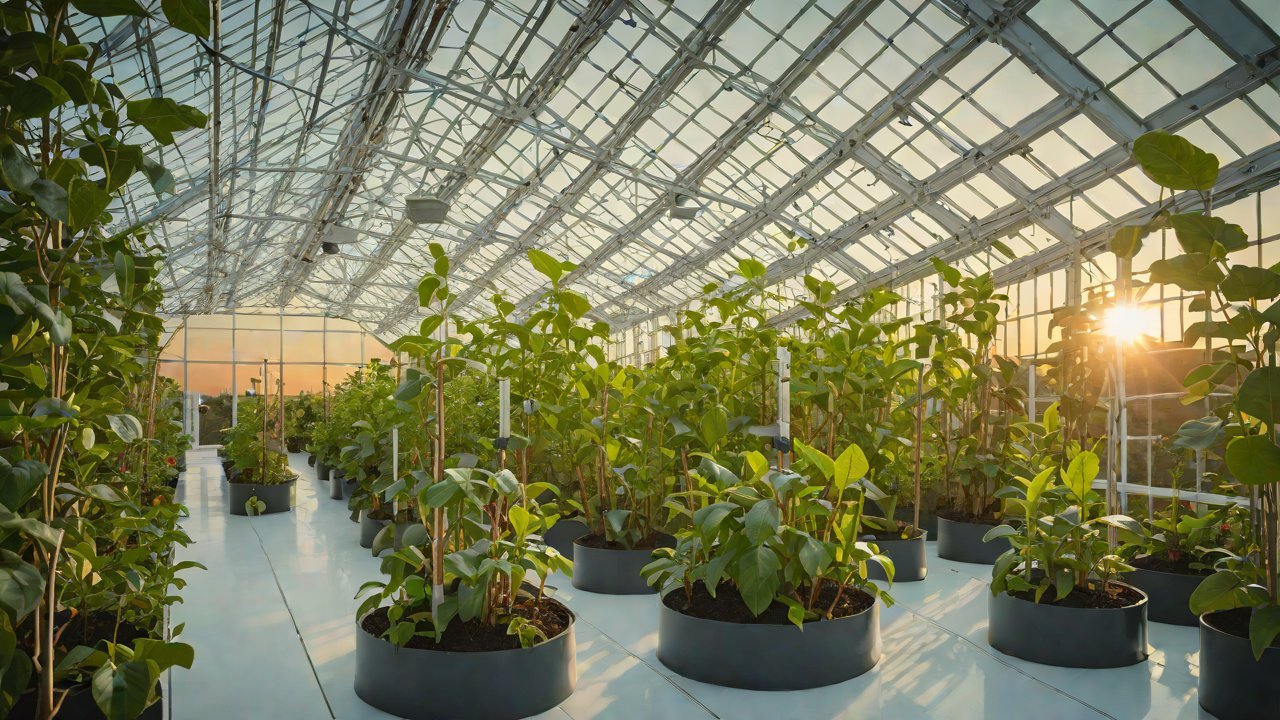
The 2026 Greenhouse IoT solution is a comprehensive system that leverages advanced sensors, artificial intelligence (AI), and machine learning algorithms to monitor and control various parameters within the greenhouse environment. This includes temperature, humidity, CO2 levels, light intensity, and air quality, among others. The system’s primary objective is to create an optimal growing condition for plants while minimizing energy consumption and environmental impact.
2. Key Features of the 2026 Greenhouse IoT Solution
The 2026 Greenhouse IoT solution boasts several key features that set it apart from traditional greenhouse management systems:
| Feature | Description |
|---|---|
| Real-time Monitoring | Advanced sensors continuously monitor environmental parameters, providing real-time data to the AI-powered control system. |
| Predictive Analytics | Machine learning algorithms analyze historical data and current trends to predict optimal growing conditions and anticipate potential issues. |
| Automated Control | The system adjusts temperature, humidity, CO2 levels, and light intensity in real-time to maintain optimal conditions for plant growth. |
| Energy Efficiency | The 2026 Greenhouse IoT solution optimizes energy consumption by minimizing the need for manual adjustments and reducing waste heat. |
3. Carbon Dioxide Enhancement (CDE) Module
The CDE module is a critical component of the 2026 Greenhouse IoT system, designed to enhance CO2 levels within the greenhouse. This is achieved through a combination of:
| Method | Description |
|---|---|
| CO2 Injectors | High-pressure CO2 injectors release precise amounts of CO2 into the greenhouse atmosphere. |
| Monitoring Sensors | Advanced sensors continuously monitor CO2 levels, providing real-time data to the AI-powered control system. |
4. Environmental Control (EC) Module
The EC module is responsible for maintaining optimal environmental conditions within the greenhouse. This includes:
| Parameter | Description |
|---|---|
| Temperature Control | The system adjusts temperature settings to maintain optimal ranges for plant growth, minimizing energy consumption. |
| Humidity Management | Advanced sensors and actuators work in tandem to maintain optimal humidity levels, preventing water waste and reducing the risk of fungal diseases. |
5. IoT Integration and Communication
The 2026 Greenhouse IoT solution integrates with various devices and systems through a secure, cloud-based platform:
| Device/ System | Description |
|---|---|
| Weather Stations | Real-time weather data is integrated into the system to inform optimal growing conditions. |
| Databases and APIs | The system seamlessly integrates with existing databases and APIs, enabling easy access to historical data and analytics. |
6. Market Analysis
The global greenhouse market is expected to grow significantly in the coming years, driven by increasing demand for sustainable agriculture and climate-resilient crops:
| Region | Projected Growth Rate (2023-2030) |
|---|---|
| North America | 8.5% |
| Europe | 7.2% |
| Asia-Pacific | 9.1% |
7. Technical Perspectives
The 2026 Greenhouse IoT solution is built upon cutting-edge technologies, including:
| Technology | Description |
|---|---|
| Artificial Intelligence (AI) | Machine learning algorithms analyze data to predict optimal growing conditions and anticipate potential issues. |
| Internet of Things (IoT) | Advanced sensors and actuators work in tandem with AI-powered control systems to maintain optimal environmental conditions. |
8. Conclusion
The 2026 Greenhouse IoT solution represents a significant leap forward in greenhouse technology, leveraging advanced IoT and AI capabilities to enhance carbon dioxide levels and maintain optimal environmental conditions. As the global demand for sustainable agriculture continues to grow, innovative solutions like this will play a critical role in shaping the future of food production.
9. Recommendations
Based on our analysis, we recommend that:
| Recommendation | Description |
|---|---|
| Invest in IoT infrastructure | Upgrade existing greenhouse systems with cutting-edge IoT sensors and actuators. |
| Develop AI-powered control systems | Integrate machine learning algorithms to analyze data and predict optimal growing conditions. |
10. Future Outlook
The future of the 2026 Greenhouse IoT solution looks promising, with potential applications extending beyond agriculture:
| Potential Application | Description |
|---|---|
| Urban Agriculture | The system can be adapted for urban farming, providing fresh produce to local communities. |
| Climate Change Mitigation | The technology can be integrated into existing infrastructure to enhance carbon sequestration and reduce greenhouse gas emissions. |
By embracing innovative technologies like the 2026 Greenhouse IoT solution, we can create a more sustainable future, reducing our environmental footprint while ensuring food security for generations to come.
IOT Cloud Platform
IOT Cloud Platform is an IoT portal established by a Chinese IoT company, focusing on technical solutions in the fields of agricultural IoT, industrial IoT, medical IoT, security IoT, military IoT, meteorological IoT, consumer IoT, automotive IoT, commercial IoT, infrastructure IoT, smart warehousing and logistics, smart home, smart city, smart healthcare, smart lighting, etc.
The IoT Cloud Platform blog is a top IoT technology stack, providing technical knowledge on IoT, robotics, artificial intelligence (generative artificial intelligence AIGC), edge computing, AR/VR, cloud computing, quantum computing, blockchain, smart surveillance cameras, drones, RFID tags, gateways, GPS, 3D printing, 4D printing, autonomous driving, etc.