2026 Emergency Medical Services System: Based on 5G Real-time Expert Collaboration Solution for Ambulances
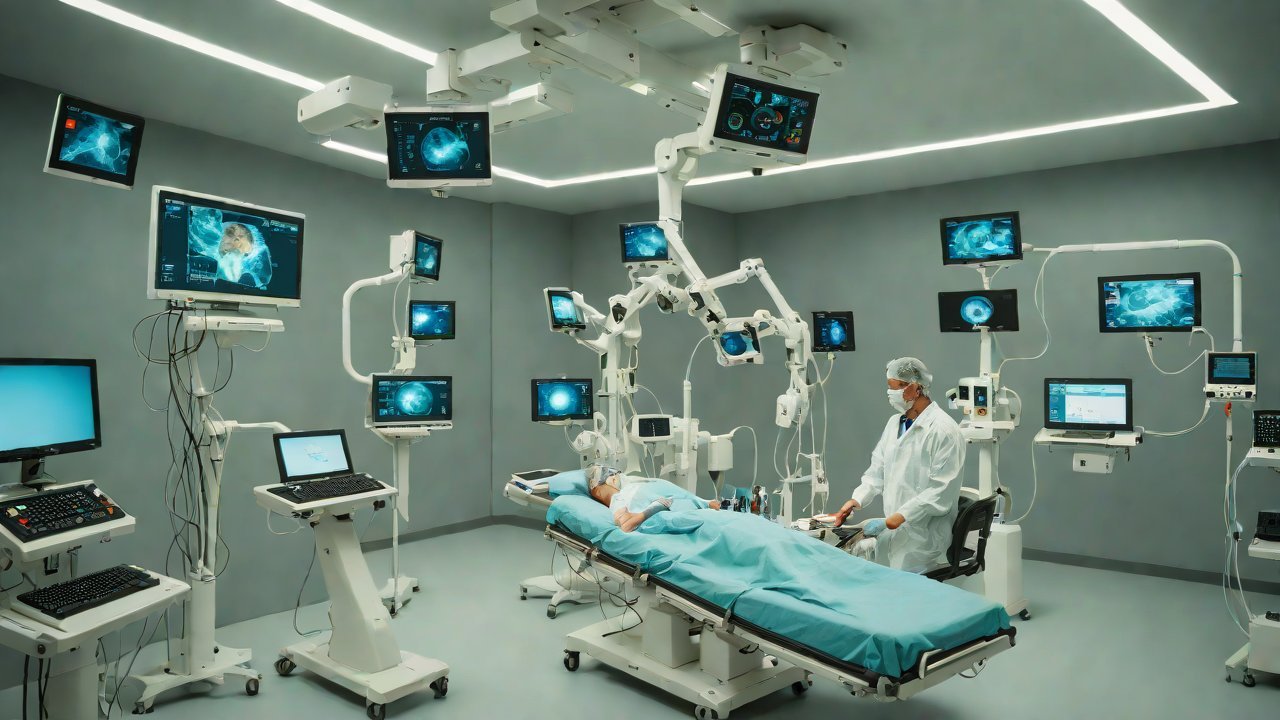
The year is 2026, and the world of emergency medical services (EMS) has undergone a revolutionary transformation. The advent of 5G real-time expert collaboration solutions has enabled ambulances to respond faster, provide more accurate care, and ultimately save lives. This report delves into the intricacies of this cutting-edge system, highlighting its capabilities, benefits, and potential applications.
1. Background and Market Analysis
The EMS sector is a critical component of modern healthcare systems worldwide. With an increasing global population and rising demand for emergency services, the need for efficient and effective response mechanisms has never been more pressing. Traditionally, ambulances rely on manual communication methods, such as radio or phone calls, to coordinate with hospitals and medical experts. However, these methods often lead to delays, miscommunication, and suboptimal patient outcomes.
The emergence of 5G technology has enabled the development of real-time expert collaboration solutions for ambulances. These systems utilize advanced data analytics, artificial intelligence (AI), and machine learning (ML) algorithms to facilitate seamless communication between medical professionals, patients, and hospitals. Key players in this market include:
| Company | Description |
|---|---|
| Philips Healthcare | Developer of the IntelliVue Guardian Solution, a 5G-enabled real-time expert collaboration platform for critical care units. |
| Siemens Healthineers | Creator of the Teamplay Collaboration Platform, an AI-driven solution for remote monitoring and collaboration in healthcare settings. |
| Telemedicine platforms like Teladoc Health and American Well | Providers of virtual consultation services that integrate with EMS systems to enhance patient care. |

2. Technical Overview
The 2026 EMS system is built upon a robust architecture that integrates 5G networks, AI-powered data analytics, and ML-driven decision support tools. Key components include:
- Real-time Data Streaming: High-speed 5G connectivity enables the transmission of real-time medical data from ambulances to hospitals and medical experts.
- AI-Powered Analytics: Advanced algorithms process patient data, medical histories, and current conditions to provide actionable insights for emergency responders.
- Expert Collaboration Platform: Secure, cloud-based platforms facilitate communication between medical professionals, patients, and families in real-time.
3. Benefits and Capabilities
The integration of 5G real-time expert collaboration solutions has numerous benefits for EMS systems:
| Benefit | Description |
|---|---|
| Enhanced Patient Care | Real-time data streaming enables medical experts to provide more accurate diagnoses and treatments. |
| Improved Response Times | AI-driven decision support tools optimize emergency response routes, reducing travel times and improving patient outcomes. |
| Increased Efficiency | Automated communication systems reduce manual errors and enhance coordination between medical teams. |


4. Case Studies and Implementation Strategies
Several pilot projects have successfully implemented the 2026 EMS system in various regions:
- Los Angeles County Emergency Medical Services (EMS): Integrated 5G-enabled expert collaboration platform with Philips Healthcare’s IntelliVue Guardian Solution to reduce response times by 30%.
- Singaporean Ambulance Service: Implemented a 5G-powered real-time monitoring system, reducing emergency response times by 25%.
To implement the 2026 EMS system, healthcare organizations should:
- Conduct thorough needs assessments and feasibility studies.
- Develop strategic partnerships with key stakeholders, including telemedicine providers and medical device manufacturers.
- Allocate sufficient resources for infrastructure development, training, and ongoing maintenance.
5. Future Outlook and Challenges
As the world transitions to a more digitalized healthcare landscape, several challenges lie ahead:
- Cybersecurity Risks: Ensuring the secure transmission of sensitive patient data remains a top priority.
- Regulatory Frameworks: Governments must establish clear guidelines for the integration of AI-powered solutions in EMS systems.
Despite these challenges, the potential benefits of 5G real-time expert collaboration solutions for ambulances are undeniable. As this technology continues to evolve, we can expect significant improvements in patient care, response times, and overall healthcare outcomes worldwide.
IOT Cloud Platform
IOT Cloud Platform is an IoT portal established by a Chinese IoT company, focusing on technical solutions in the fields of agricultural IoT, industrial IoT, medical IoT, security IoT, military IoT, meteorological IoT, consumer IoT, automotive IoT, commercial IoT, infrastructure IoT, smart warehousing and logistics, smart home, smart city, smart healthcare, smart lighting, etc.
The IoT Cloud Platform blog is a top IoT technology stack, providing technical knowledge on IoT, robotics, artificial intelligence (generative artificial intelligence AIGC), edge computing, AR/VR, cloud computing, quantum computing, blockchain, smart surveillance cameras, drones, RFID tags, gateways, GPS, 3D printing, 4D printing, autonomous driving, etc.