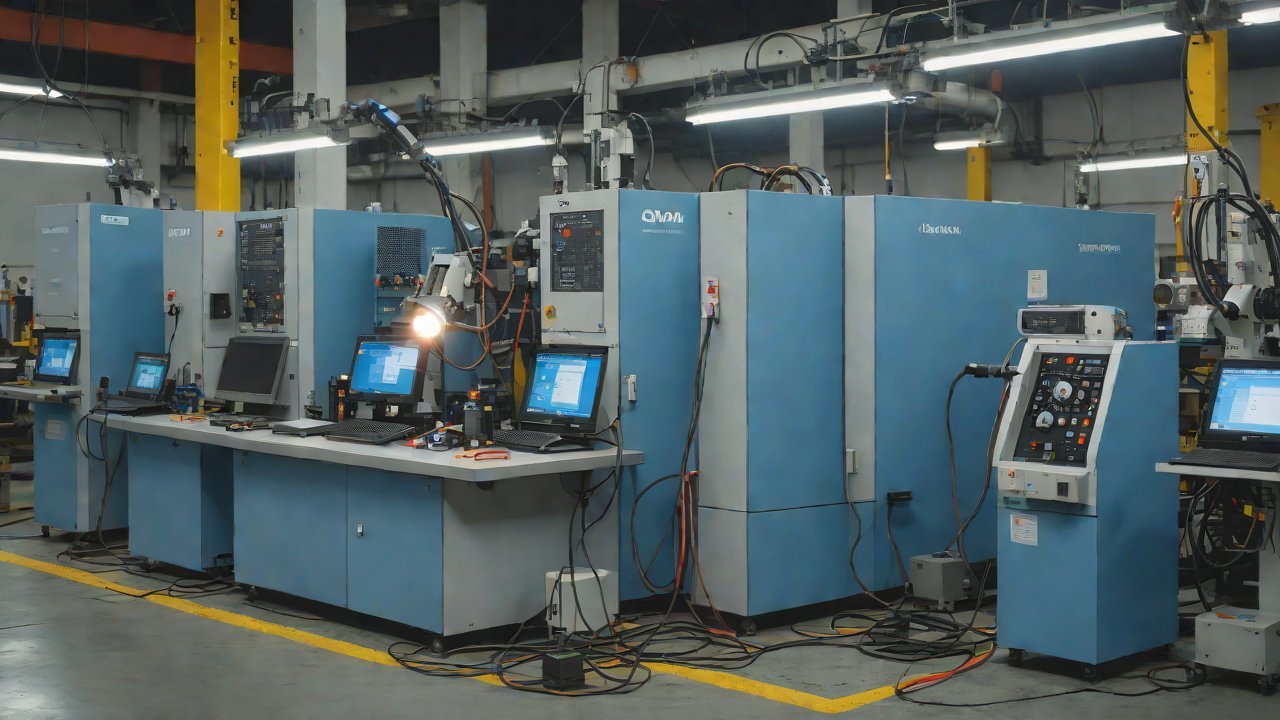
“Zero-Trust” Cybersecurity IoT Defense Solution for Industrial Sites
Cybersecurity threats are increasingly targeting industrial sites, compromising critical infrastructure and disrupting operations. In response to these escalating risks, a new paradigm is emerging: Zero-Trust cybersecurity. This approach assumes that all devices, users, and networks within an organization’s perimeter are potentially hostile, emphasizing the need for continuous verification and validation of identities and access rights.
The concept of Zero-Trust security was first introduced by Forrester Research in 2001 as a response to the increasing sophistication of cyber threats. It has since gained widespread acceptance across various industries, including finance, healthcare, and government. However, its application to industrial sites has been slower due to concerns about complexity, cost, and potential disruptions to operations.
The Industrial Internet of Things (IIoT) is revolutionizing industrial processes by connecting devices, sensors, and machines to the internet. While this brings numerous benefits, including increased efficiency and productivity, it also introduces new risks. As more devices are connected, the attack surface expands, making it easier for hackers to gain access to sensitive systems.
1. Threat Landscape
Industrial sites face a unique set of cybersecurity threats due to their reliance on complex systems and networks. Some of the most common threats include:
| Threat | Description | Impact |
|---|---|---|
| Ransomware | Malicious software that encrypts data, demanding payment in exchange for decryption keys | Disruption of operations, financial loss |
| Phishing | Social engineering attacks that trick users into revealing sensitive information or installing malware | Unauthorized access to systems, data breaches |
| Insider Threats | Authorized personnel intentionally causing harm to the organization | Data breaches, system compromise |
2. Zero-Trust Architecture
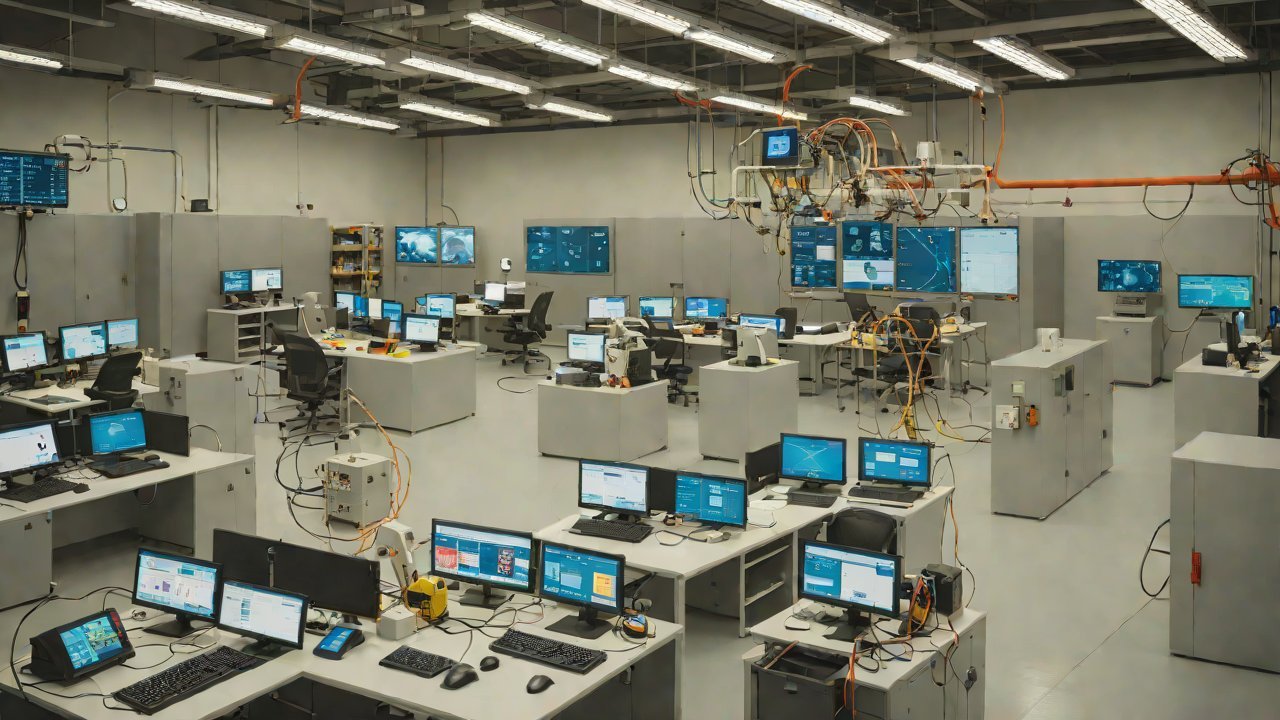
A Zero-Trust architecture is designed to prevent lateral movement within an organization’s network. It assumes that all devices and users are untrusted until proven otherwise. This approach involves implementing multiple layers of security controls, including:
| Control | Description | Functionality |
|---|---|---|
| Micro-segmentation | Segmentation of networks into smaller, isolated segments based on business requirements | Prevention of lateral movement |
| Least Privilege | Granting users the minimum privileges required to perform their tasks | Reduction of attack surface |
| Continuous Monitoring | Real-time monitoring of network and system activity for anomalies and threats | Detection and response to security incidents |
3. IoT-Specific Challenges
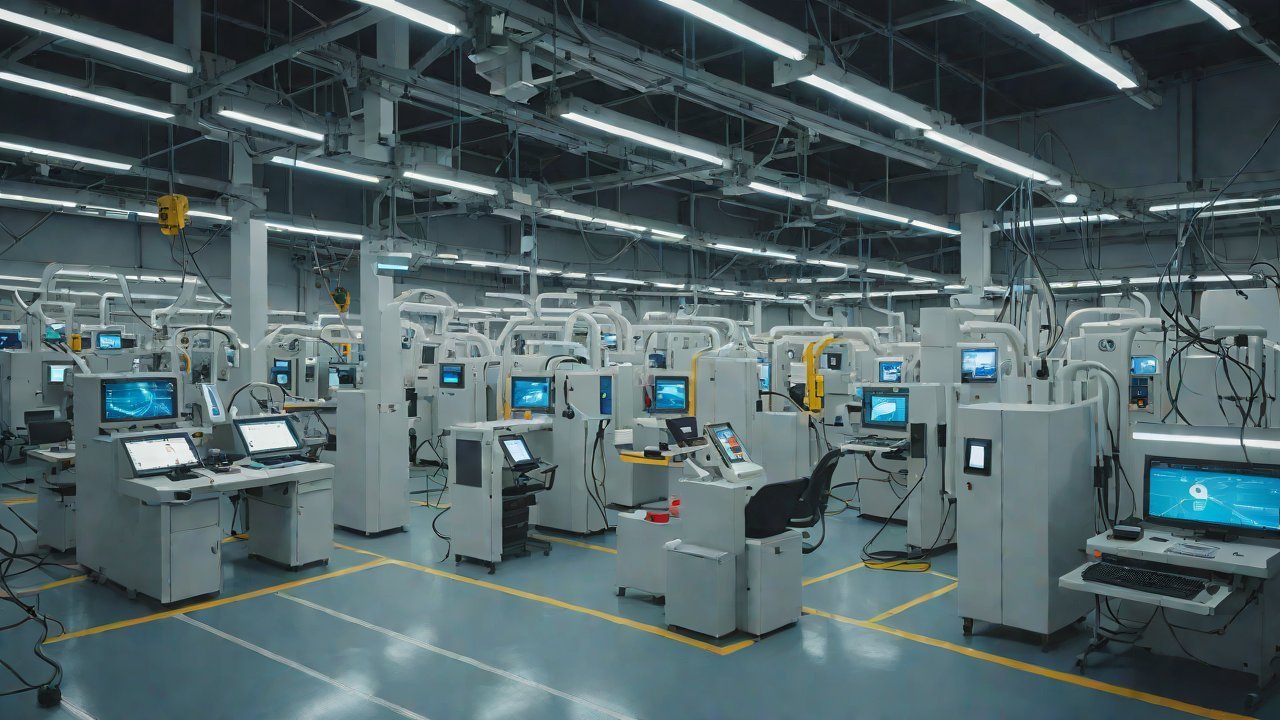
Industrial sites face unique challenges when implementing Zero-Trust security in IoT environments. Some of these challenges include:
| Challenge | Description | Impact |
|---|---|---|
| Device Heterogeneity | Variety of devices with different operating systems, protocols, and communication methods | Complexity of implementation and management |
| Network Topology | Complex network topologies due to interconnected devices and systems | Difficulty in implementing segmentation and monitoring |
| Data Volume and Velocity | Large amounts of data generated by IoT devices, requiring real-time processing and analysis | Challenge of detecting anomalies and threats |

4. Solution Requirements
A Zero-Trust cybersecurity solution for industrial sites must meet the following requirements:
- Device Support: Compatibility with a wide range of industrial devices and systems.
- Network Integration: Seamless integration with existing network architectures.
- Real-time Monitoring: Ability to detect anomalies and threats in real-time.
- Automated Response: Automated response to security incidents, minimizing downtime and disruption.
- Scalability: Ability to scale with the growth of IoT devices and data.
5. Technical Perspective
A technical perspective on implementing Zero-Trust security in industrial sites involves several key considerations:
- Device Fingerprinting: Identification of devices based on unique characteristics, such as MAC addresses or firmware versions.
- Behavioral Analysis: Monitoring of device behavior to detect anomalies and threats.
- Machine Learning: Application of machine learning algorithms to identify patterns and predict potential security risks.
- Data Encryption: Encryption of data in transit and at rest to prevent unauthorized access.
6. Market Trends
The market for Zero-Trust cybersecurity solutions is growing rapidly, driven by increasing demand from industrial sites. Some key trends include:
- Increased Adoption: Growing adoption of Zero-Trust security across various industries.
- Advancements in IoT Security: Development of new technologies and solutions specifically designed for IoT environments.
- Integration with Existing Systems: Seamless integration of Zero-Trust security with existing network architectures.
7. Conclusion
The threat landscape for industrial sites is increasingly complex, with rising risks from ransomware, phishing, and insider threats. A Zero-Trust cybersecurity approach can help mitigate these risks by assuming that all devices and users are untrusted until proven otherwise. Industrial sites must prioritize the implementation of Zero-Trust security solutions that meet their unique requirements, including device support, network integration, real-time monitoring, automated response, and scalability.
The adoption of Zero-Trust security in industrial sites is a critical step towards protecting against cyber threats and ensuring the reliability and resilience of critical infrastructure. By understanding the technical requirements and market trends, organizations can make informed decisions about implementing effective Zero-Trust cybersecurity solutions for their IoT environments.
IOT Cloud Platform
IOT Cloud Platform is an IoT portal established by a Chinese IoT company, focusing on technical solutions in the fields of agricultural IoT, industrial IoT, medical IoT, security IoT, military IoT, meteorological IoT, consumer IoT, automotive IoT, commercial IoT, infrastructure IoT, smart warehousing and logistics, smart home, smart city, smart healthcare, smart lighting, etc.
The IoT Cloud Platform blog is a top IoT technology stack, providing technical knowledge on IoT, robotics, artificial intelligence (generative artificial intelligence AIGC), edge computing, AR/VR, cloud computing, quantum computing, blockchain, smart surveillance cameras, drones, RFID tags, gateways, GPS, 3D printing, 4D printing, autonomous driving, etc.