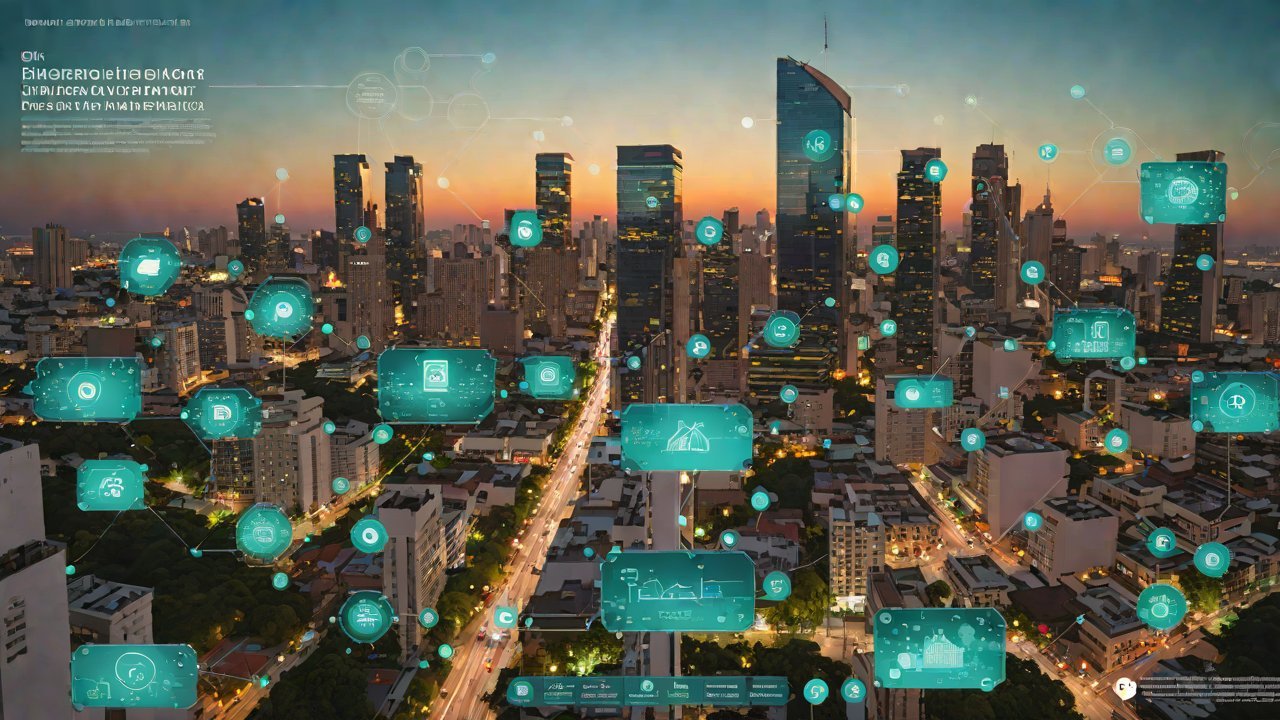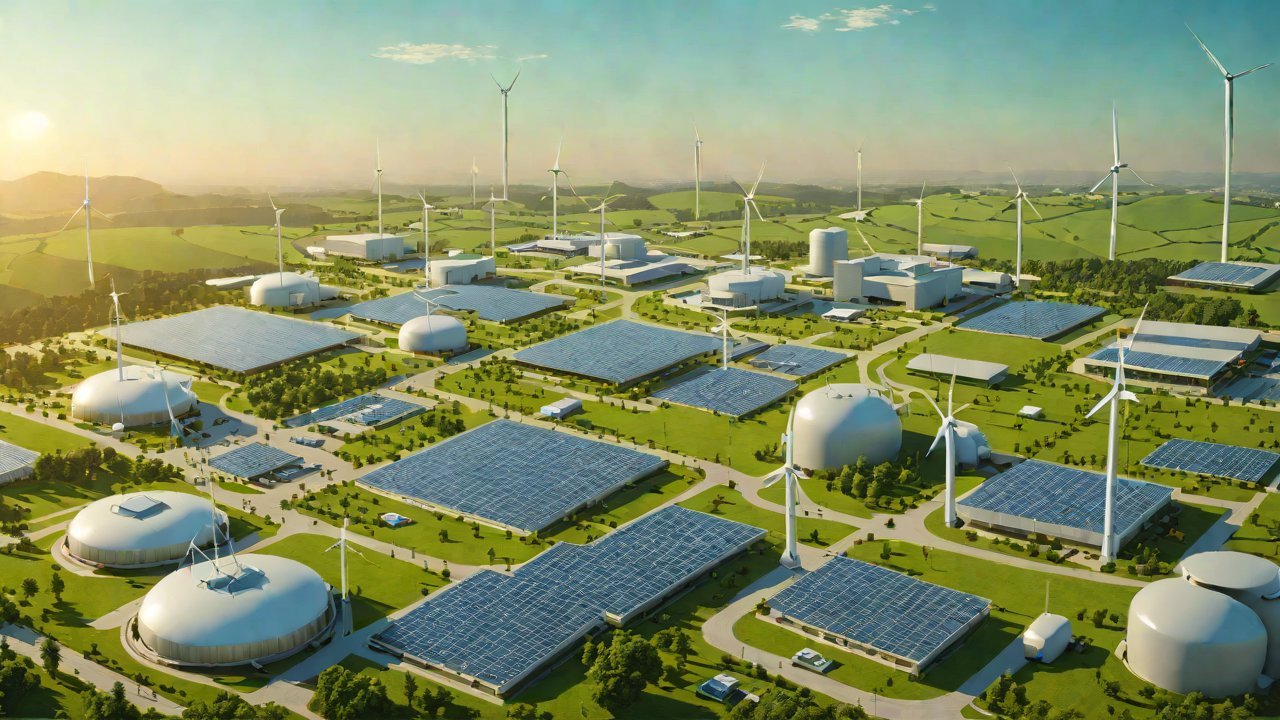
Zero-Carbon Industrial Park: Multi-Energy Complementary IoT Management Platform in 2026
The concept of a zero-carbon industrial park is gaining momentum, driven by the increasing urgency to combat climate change and reduce greenhouse gas emissions. By integrating multiple energy sources and leveraging advanced Internet of Things (IoT) management platforms, these industrial parks can minimize their environmental footprint while maintaining efficiency and productivity.
In 2026, we expect to see a significant shift towards more sustainable and efficient industrial operations, driven by technological advancements and growing regulatory pressures. The convergence of IoT, artificial intelligence, and multi-energy systems will enable the creation of highly optimized and resilient industrial ecosystems.
1. Industrial Park Evolution
Industrial parks have undergone significant transformations over the years, from traditional manufacturing hubs to modern mixed-use developments incorporating various industries, services, and infrastructure. As the world transitions towards a low-carbon economy, zero-carbon industrial parks are emerging as a key solution for reducing emissions while promoting economic growth.
Key Trends:
| Trend | Description |
|---|---|
| Decarbonization | Transitioning from fossil fuels to renewable energy sources |
| Digitalization | Integration of IoT and AI technologies for real-time monitoring and control |
| Urbanization | Increasing focus on sustainable urban planning and development |
2. Multi-Energy Complementary Systems
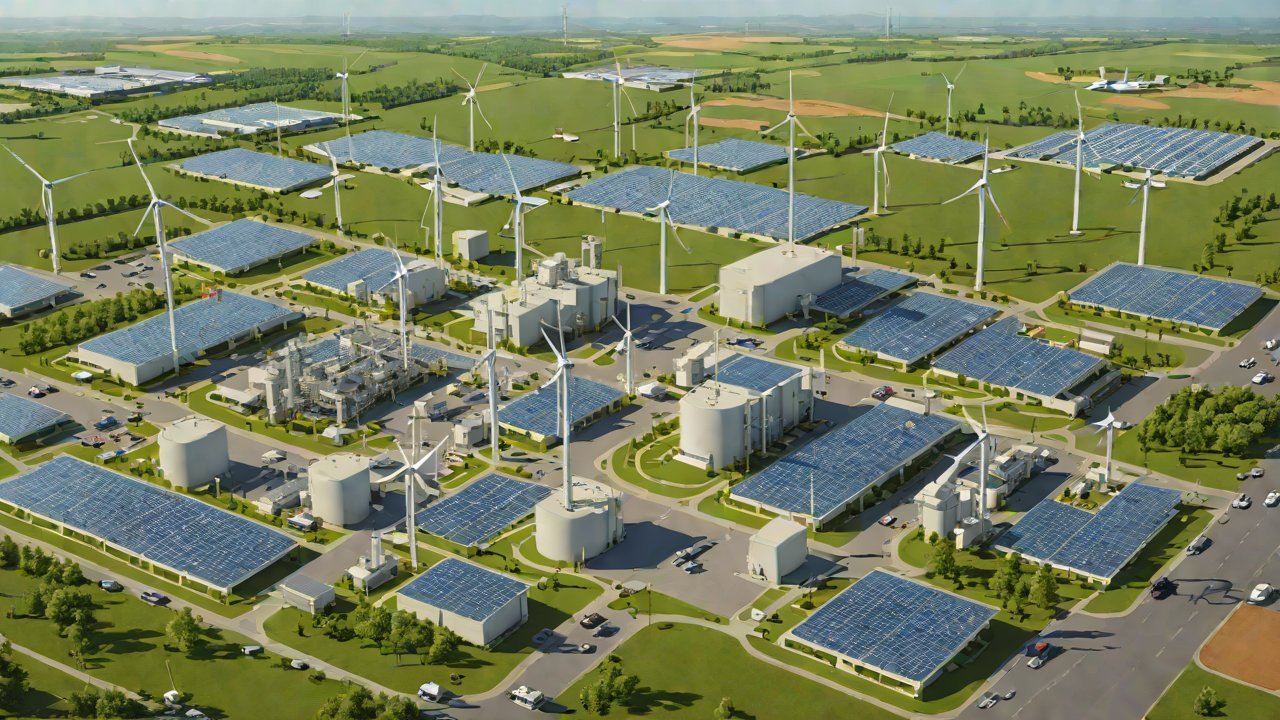
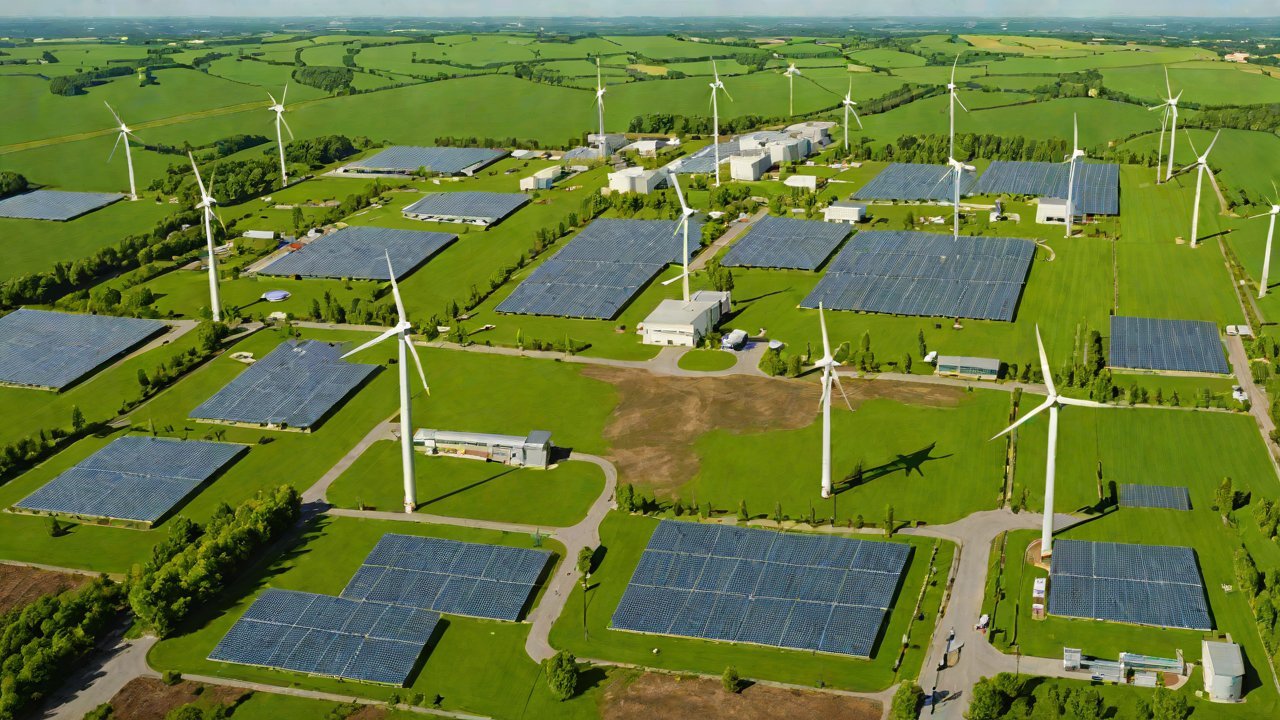
Zero-carbon industrial parks rely on the integration of multiple energy sources, including solar, wind, hydro, geothermal, biomass, and hydrogen fuel cells. These complementary systems ensure a stable and efficient supply of electricity while minimizing reliance on a single source.
Energy Sources:
| Source | Description |
|---|---|
| Solar Power | Photovoltaic panels generating electricity from sunlight |
| Wind Power | Turbines harnessing wind energy to produce electricity |
| Hydrogen Fuel Cells | Electrolysis converting water into hydrogen for power generation |
3. IoT Management Platform
A multi-energy complementary IoT management platform is the backbone of a zero-carbon industrial park, enabling real-time monitoring and control of various systems, including energy production, distribution, and consumption.
Key Features:
| Feature | Description |
|---|---|
| Real-Time Monitoring | Continuous tracking of energy usage, production, and storage levels |
| Predictive Analytics | AI-driven forecasting of energy demand and supply fluctuations |
| Automated Control | Optimized control of energy systems to minimize waste and maximize efficiency |
4. Industry Case Studies
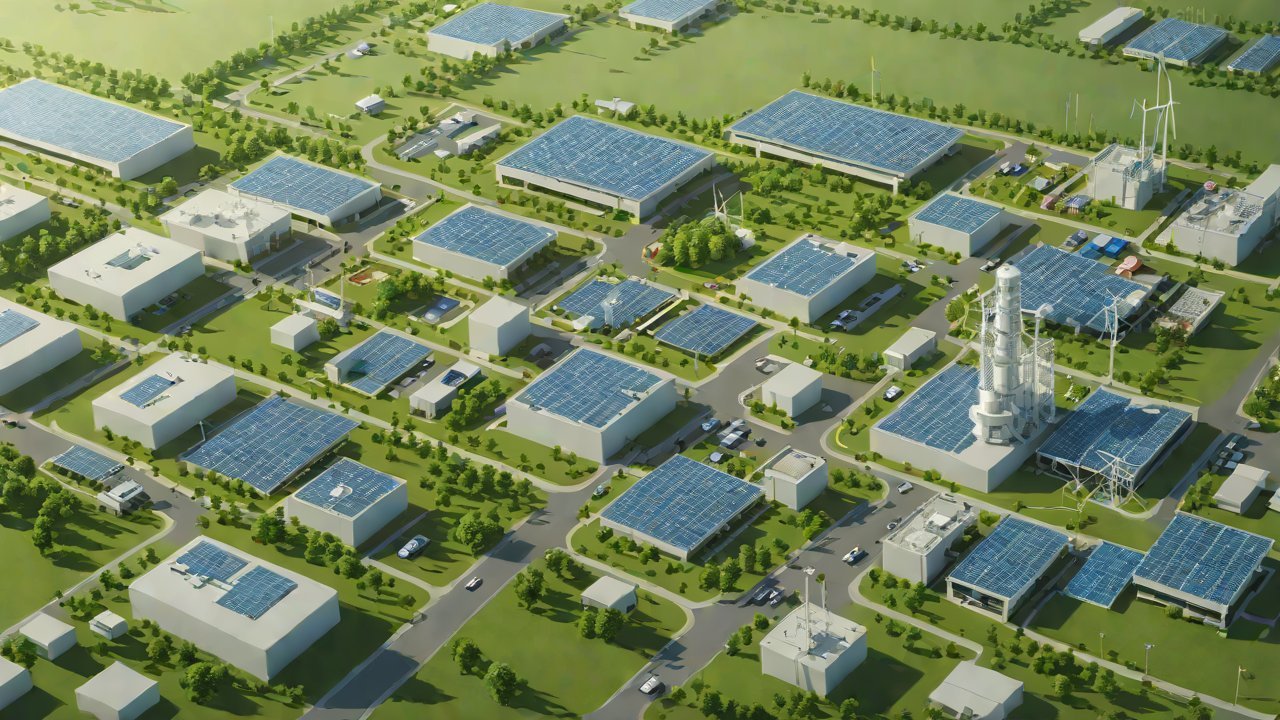
Several industrial parks worldwide are already embracing the concept of zero-carbon operations. These case studies highlight successful implementations, challenges overcome, and lessons learned.
Examples:
| Location | Description |
|---|---|
| Songdo International Business District (South Korea) | Integrated smart city infrastructure with solar power, wind turbines, and energy-efficient buildings |
| Masdar City (UAE) | Zero-carbon industrial park powered by renewable energy sources, including solar and wind |
5. Regulatory Framework
As governments worldwide set ambitious targets for reducing greenhouse gas emissions, regulatory frameworks are evolving to support the development of zero-carbon industrial parks.
Key Developments:
| Development | Description |
|---|---|
| EU Climate Law | Binding framework requiring member states to reduce emissions by at least 55% by 2030 |
| US Greenhouse Gas Reduction Targets | Federal government setting targets for reducing emissions from industrial sources |
6. Technological Advancements
Advances in IoT, AI, and energy storage technologies are driving the development of more efficient and sustainable industrial operations.
Key Innovations:
| Innovation | Description |
|---|---|
| Solid-State Batteries | Next-generation battery technology enabling faster charging and longer lifetimes |
| Artificial Intelligence Optimization | AI-driven algorithms for optimizing energy consumption and production |
7. Investment Opportunities
The transition to zero-carbon industrial parks presents significant investment opportunities, particularly in the areas of clean energy technologies, IoT infrastructure, and sustainable building materials.
Key Sectors:
| Sector | Description |
|---|---|
| Renewable Energy Equipment | Solar panels, wind turbines, and other equipment for generating renewable energy |
| Smart Building Technologies | Energy-efficient building materials, automation systems, and IoT sensors |
8. Conclusion
In conclusion, zero-carbon industrial parks are poised to revolutionize the way industries operate, reducing emissions while promoting economic growth and sustainability. As technology continues to advance and regulatory frameworks evolve, we expect to see significant investment in these initiatives worldwide.
Key Takeaways:
| Point | Description |
|---|---|
| Decarbonization is a business imperative | Companies must transition to low-carbon operations to remain competitive |
| Multi-energy complementary systems are essential | Integration of various energy sources ensures stable and efficient supply |
| IoT management platforms drive efficiency | Real-time monitoring and control optimize energy consumption and production |
The future of industrial development lies in the creation of zero-carbon industrial parks, where technology and sustainability converge to promote a more environmentally conscious economy.
IOT Cloud Platform
IOT Cloud Platform is an IoT portal established by a Chinese IoT company, focusing on technical solutions in the fields of agricultural IoT, industrial IoT, medical IoT, security IoT, military IoT, meteorological IoT, consumer IoT, automotive IoT, commercial IoT, infrastructure IoT, smart warehousing and logistics, smart home, smart city, smart healthcare, smart lighting, etc.
The IoT Cloud Platform blog is a top IoT technology stack, providing technical knowledge on IoT, robotics, artificial intelligence (generative artificial intelligence AIGC), edge computing, AR/VR, cloud computing, quantum computing, blockchain, smart surveillance cameras, drones, RFID tags, gateways, GPS, 3D printing, 4D printing, autonomous driving, etc.