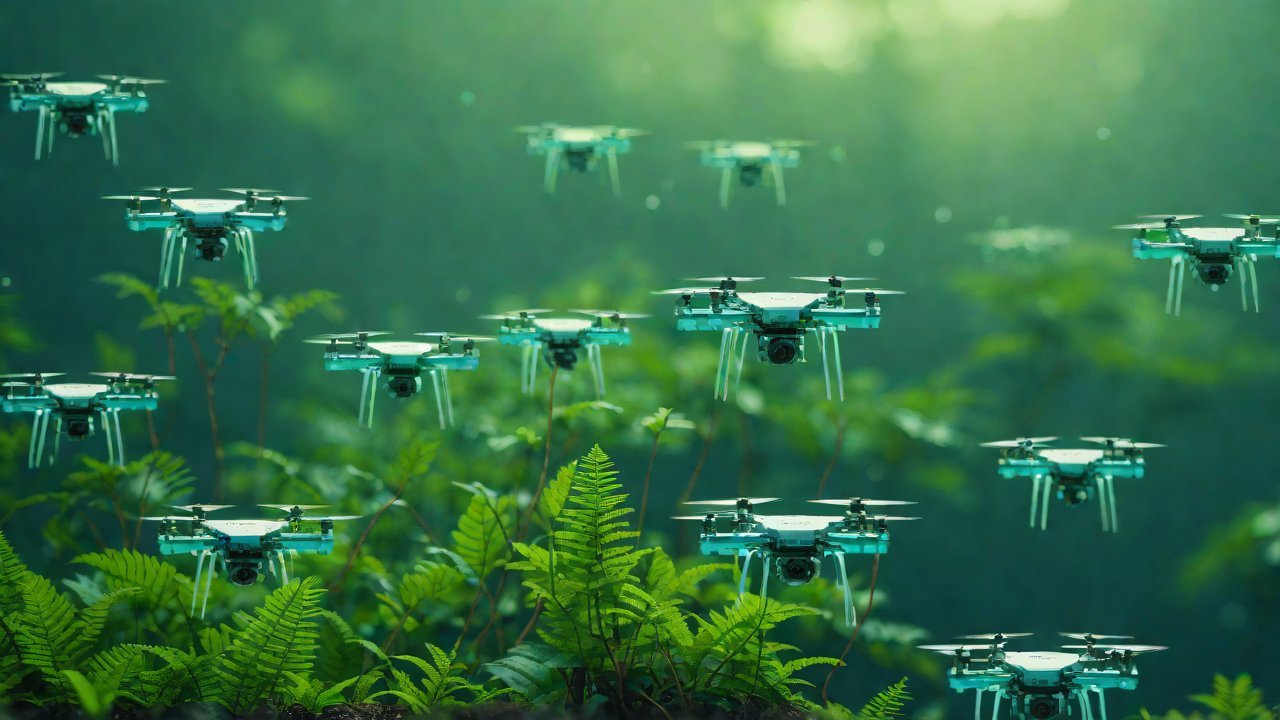
Will we see bio-energy-powered self-recharging “bionic mosquito drones” in the future?
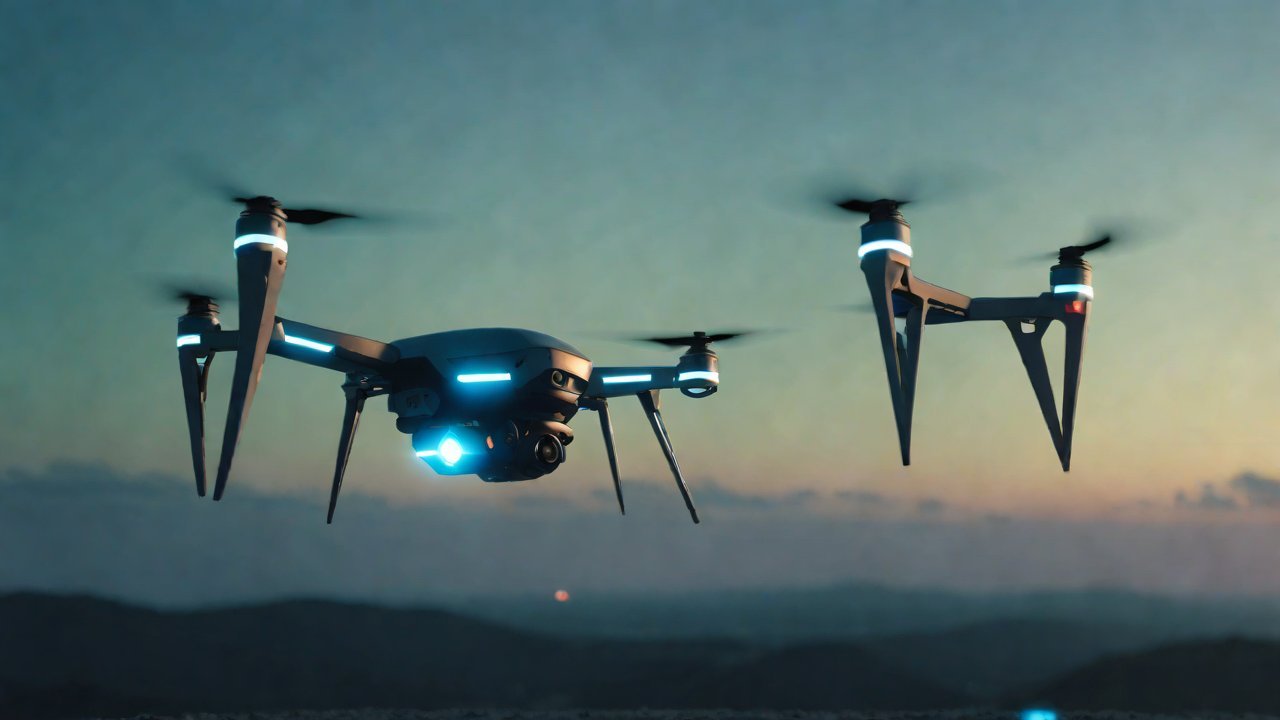
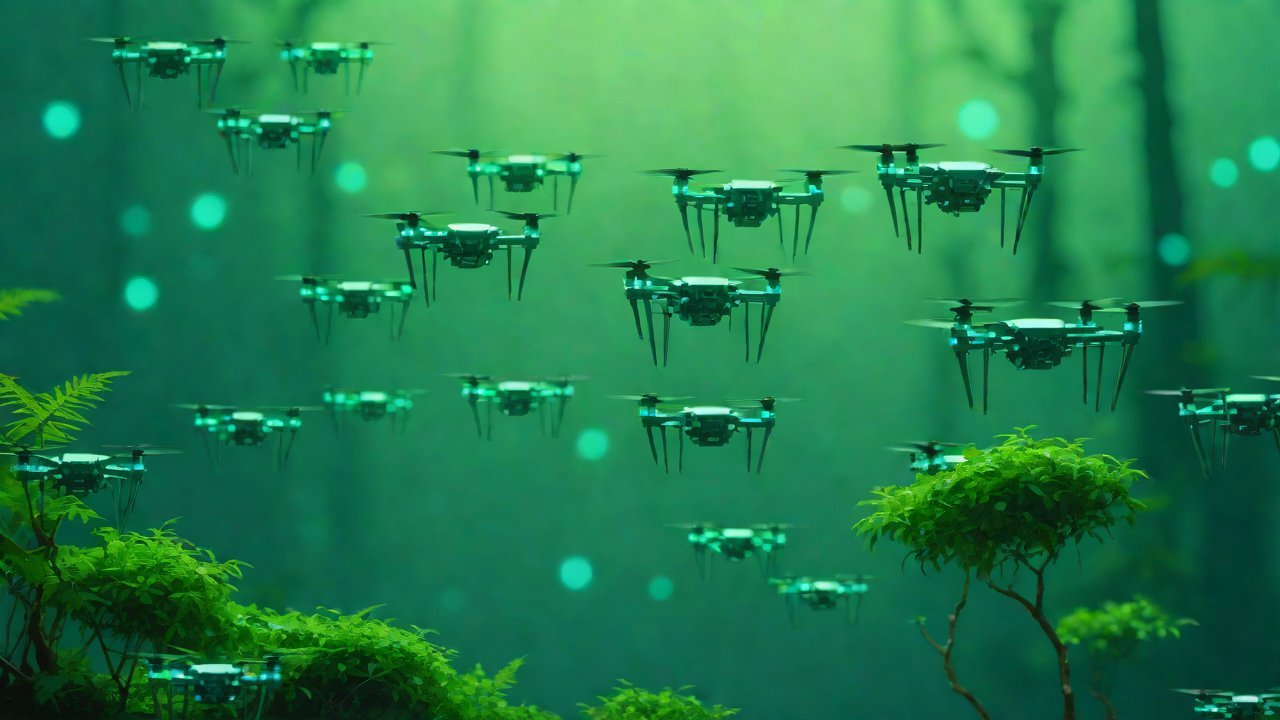
Bio-energy-powered self-recharging “bionic mosquito drones” are a concept that has been gaining traction in recent years, with various companies and researchers exploring the feasibility of developing such devices. The idea of a small, insect-like drone that can harness energy from its environment, recharge itself, and perform complex tasks is both intriguing and unsettling. In this report, we will delve into the world of bio-energy-powered drones, examining the current state of technology, potential applications, and the challenges that need to be overcome before such devices become a reality.
1. The Concept of Bio-energy-powered Drones
Bio-energy-powered drones are designed to harness energy from their surroundings, eliminating the need for traditional power sources such as batteries. This can be achieved through various means, including:
- Solar Power: Small solar panels can be integrated into the drone’s body, allowing it to harness energy from sunlight.
- Thermoelectric Conversion: This technology converts heat into electrical energy, which can be used to power the drone.
- Bio-inspired Energy Harvesting: Researchers are exploring ways to mimic the energy-harvesting abilities of certain insects, such as the bombardier beetle, which can generate heat and electricity through its chemical reactions.
These energy-harvesting methods can be combined with advanced materials and designs to create a self-recharging drone that can operate for extended periods without the need for manual recharging.
2. Market and Industry Trends
The market for bio-energy-powered drones is still in its infancy, but it is expected to grow rapidly in the coming years. According to a report by MarketsandMarkets, the bio-energy-powered drone market is projected to reach $1.3 billion by 2025, growing at a CAGR of 22.1% from 2020 to 2025.
The increasing demand for eco-friendly and sustainable technologies is driving the development of bio-energy-powered drones. Companies such as DJI, Parrot, and Skydio are already exploring the use of solar power and other bio-inspired energy-harvesting methods in their drone designs.
| Company | Product/Service | Bio-energy-powered Features |
|---|---|---|
| DJI | Mavic Air 2 | Solar-powered propulsion |
| Parrot | ANAFI | Solar-powered flight |
| Skydio | 2 | Solar-powered flight |
3. Technical Challenges and Opportunities
While the concept of bio-energy-powered drones is promising, there are several technical challenges that need to be addressed before such devices become a reality. Some of the key challenges include:
- Energy Efficiency: Bio-energy-powered drones need to be highly energy-efficient to ensure that they can operate for extended periods without recharging.
- Energy Storage: The development of advanced energy storage systems is critical to enable bio-energy-powered drones to store excess energy for later use.
- Materials Science: The use of advanced materials such as graphene and nanomaterials is essential to create lightweight, high-performance drones that can harness energy from their surroundings.
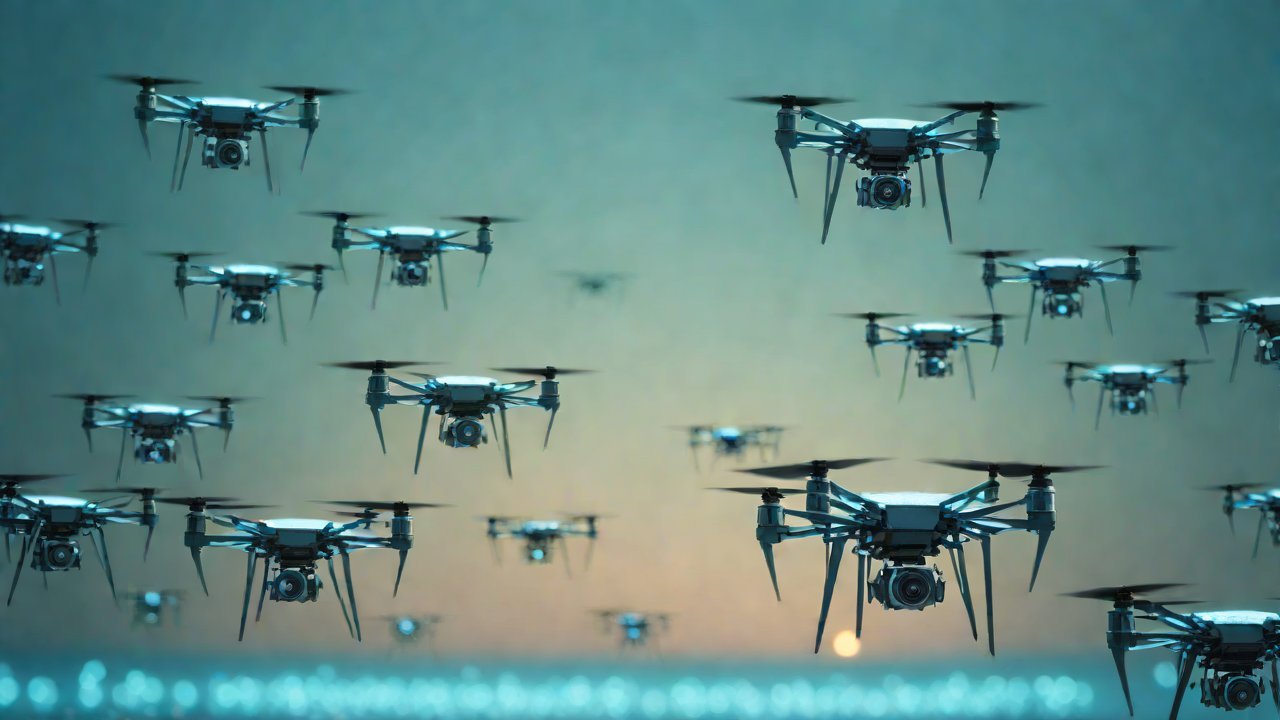
However, these challenges also present opportunities for innovation and growth. Researchers and companies are exploring new materials, designs, and energy-harvesting methods to create more efficient and sustainable bio-energy-powered drones.
4. Applications and Use Cases
Bio-energy-powered drones have a wide range of potential applications, including:
- Environmental Monitoring: Bio-energy-powered drones can be used for environmental monitoring, such as tracking air and water quality, monitoring wildlife populations, and detecting natural disasters.
- Search and Rescue: Bio-energy-powered drones can be used for search and rescue operations, such as locating missing persons, tracking emergency responders, and detecting hazards.
- Agriculture: Bio-energy-powered drones can be used for agricultural applications, such as crop monitoring, precision farming, and crop protection.
These applications and use cases highlight the potential of bio-energy-powered drones to transform various industries and improve daily life.
5. Conclusion
The concept of bio-energy-powered self-recharging “bionic mosquito drones” is an exciting and rapidly evolving field. While there are technical challenges to be addressed, the potential benefits of such devices are significant. As researchers and companies continue to explore new materials, designs, and energy-harvesting methods, we can expect to see significant advancements in the development of bio-energy-powered drones.
IOT Cloud Platform
IOT Cloud Platform is an IoT portal established by a Chinese IoT company, focusing on technical solutions in the fields of agricultural IoT, industrial IoT, medical IoT, security IoT, military IoT, meteorological IoT, consumer IoT, automotive IoT, commercial IoT, infrastructure IoT, smart warehousing and logistics, smart home, smart city, smart healthcare, smart lighting, etc.
The IoT Cloud Platform blog is a top IoT technology stack, providing technical knowledge on IoT, robotics, artificial intelligence (generative artificial intelligence AIGC), edge computing, AR/VR, cloud computing, quantum computing, blockchain, smart surveillance cameras, drones, RFID tags, gateways, GPS, 3D printing, 4D printing, autonomous driving, etc.