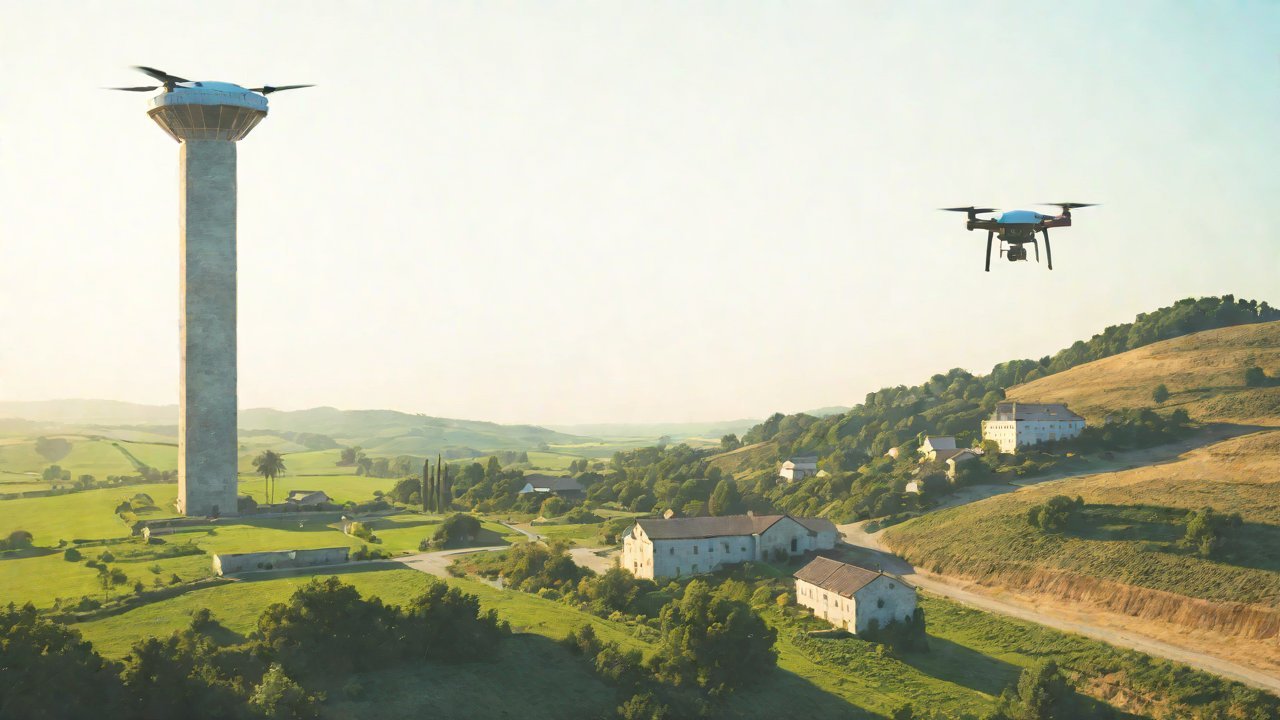
Will universal drone take-off and landing towers become commonplace in future rural areas?
The future of rural areas is likely to be transformed by the integration of drone technology, with take-off and landing towers becoming a ubiquitous feature. These structures, also known as drone landing pads or drone hubs, will enable the safe and efficient deployment of drones for various applications, including package delivery, aerial surveying, and crop monitoring. The proliferation of these towers will have a significant impact on rural communities, enabling the creation of new economic opportunities, improving connectivity, and enhancing the quality of life for residents.
1. Market Drivers and Barriers
The growth of the drone market is being driven by various factors, including the increasing demand for e-commerce, the need for efficient and cost-effective delivery options, and the growing adoption of drones for commercial and recreational purposes. However, the widespread adoption of drone take-off and landing towers in rural areas is hindered by several barriers, including regulatory hurdles, high infrastructure costs, and concerns about safety and security.
| Market Driver | Description |
|---|---|
| E-commerce growth | The rise of e-commerce has led to an increase in demand for efficient and cost-effective delivery options, making drones an attractive solution. |
| Package delivery | Drones can be used for last-mile delivery, reducing the need for traditional delivery methods and increasing the speed and efficiency of package delivery. |
| Aerial surveying | Drones equipped with high-resolution cameras and sensors can be used for aerial surveying, enabling farmers and landowners to monitor crop health, detect pests and diseases, and optimize irrigation systems. |
| Crop monitoring | Drones can be used to monitor crop health, detect early signs of stress or disease, and optimize fertilizer and pesticide application. |
2. Regulatory Framework
The regulatory framework for drone operations is still evolving, with various countries and regions implementing different rules and regulations. In the United States, for example, the Federal Aviation Administration (FAA) has established guidelines for drone operations, including requirements for pilot training, drone registration, and airspace restrictions.
| Regulatory Framework | Description |
|---|---|
| FAA Part 107 | The FAA’s Part 107 regulations outline the requirements for drone operations, including pilot training, drone registration, and airspace restrictions. |
| EU regulations | The European Union has implemented regulations for drone operations, including requirements for pilot training, drone registration, and airspace restrictions. |
| Canada regulations | Transport Canada has established regulations for drone operations, including requirements for pilot training, drone registration, and airspace restrictions. |
3. Infrastructure Costs and Deployment
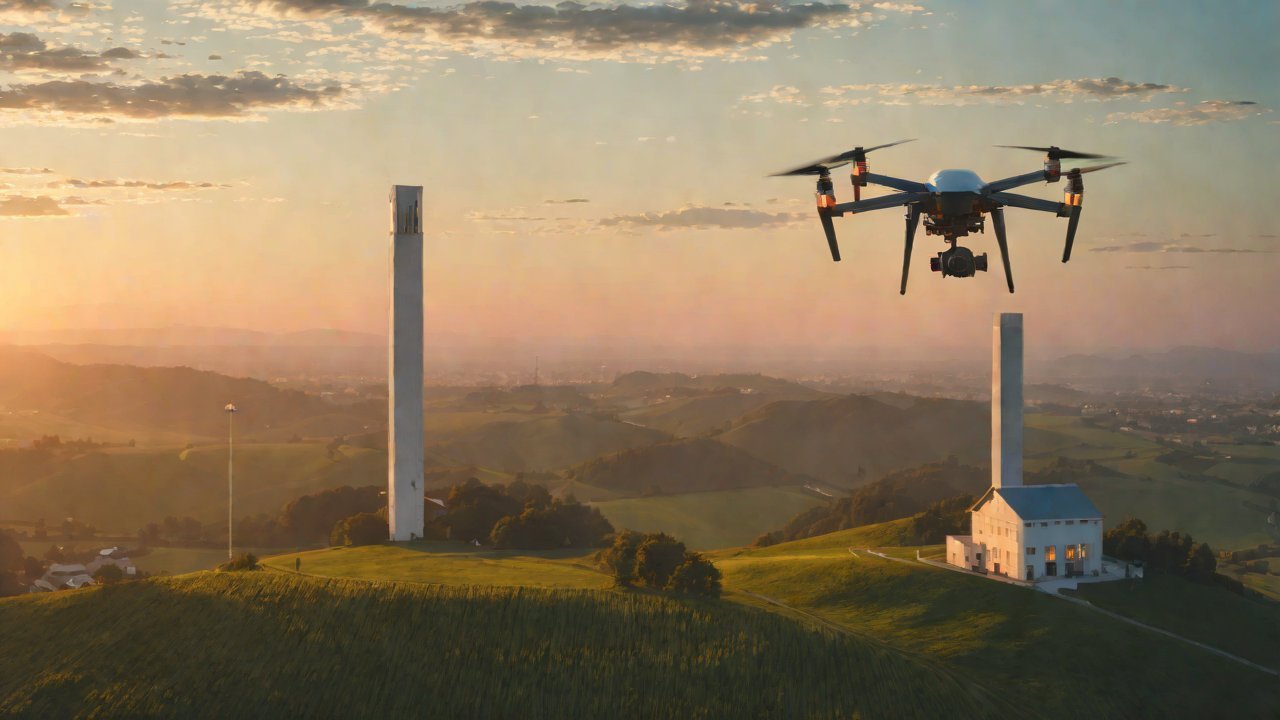
The deployment of drone take-off and landing towers in rural areas will require significant investment in infrastructure, including the construction of towers, installation of communication systems, and establishment of maintenance protocols. The costs of deploying these towers will be a major barrier to adoption, particularly for smaller rural communities.
| Infrastructure Costs | Description |
|---|---|
| Tower construction | The cost of constructing a drone take-off and landing tower can range from $50,000 to $200,000, depending on the size and complexity of the tower. |
| Communication systems | The cost of installing communication systems, including antennas and transmission equipment, can range from $10,000 to $50,000. |
| Maintenance protocols | The cost of establishing maintenance protocols, including personnel and equipment costs, can range from $5,000 to $20,000 per year. |
4. Safety and Security Concerns
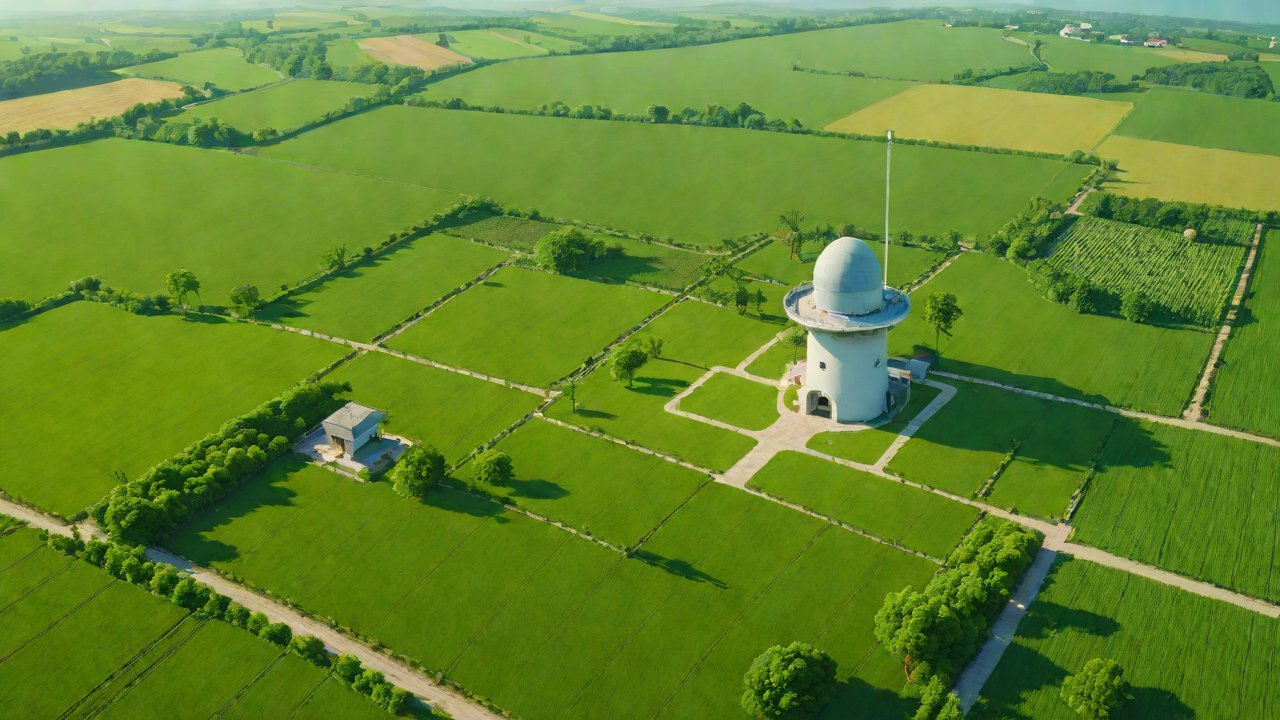
Safety and security concerns are a major barrier to the adoption of drone take-off and landing towers in rural areas. The risk of drone collisions with manned aircraft, as well as the potential for drones to be used for malicious purposes, must be addressed through the implementation of robust safety and security protocols.
| Safety and Security Concerns | Description |
|---|---|
| Drone collisions | The risk of drone collisions with manned aircraft is a major concern, particularly in rural areas where air traffic control systems may be less developed. |
| Malicious use | The potential for drones to be used for malicious purposes, such as surveillance or vandalism, must be addressed through the implementation of robust safety and security protocols. |
5. Economic Benefits
The deployment of drone take-off and landing towers in rural areas will have significant economic benefits, including the creation of new job opportunities, increased economic activity, and improved connectivity.
| Economic Benefits | Description |
|---|---|
| Job creation | The deployment of drone take-off and landing towers will create new job opportunities in the drone industry, including pilots, maintenance personnel, and sales and marketing staff. |
| Economic activity | The deployment of drone take-off and landing towers will increase economic activity in rural areas, including the creation of new businesses and the expansion of existing ones. |
| Connectivity | The deployment of drone take-off and landing towers will improve connectivity in rural areas, enabling residents to access high-speed internet and other digital services. |
6. Technical Perspectives
The deployment of drone take-off and landing towers in rural areas will require significant technical expertise, including the development of advanced communication systems, navigation protocols, and safety and security protocols.
| Technical Perspectives | Description |
|---|---|
| Communication systems | The development of advanced communication systems, including antennas and transmission equipment, will be critical to the deployment of drone take-off and landing towers. |
| Navigation protocols | The development of navigation protocols, including GPS and sensor systems, will be critical to the safe and efficient deployment of drones. |
| Safety and security protocols | The development of safety and security protocols, including collision avoidance systems and intrusion detection systems, will be critical to the deployment of drone take-off and landing towers. |
7. Conclusion
The deployment of drone take-off and landing towers in rural areas will have significant economic, social, and environmental benefits, including the creation of new job opportunities, increased economic activity, and improved connectivity. However, the widespread adoption of these towers will require significant investment in infrastructure, including the construction of towers, installation of communication systems, and establishment of maintenance protocols. Additionally, safety and security concerns must be addressed through the implementation of robust protocols.
IOT Cloud Platform
IOT Cloud Platform is an IoT portal established by a Chinese IoT company, focusing on technical solutions in the fields of agricultural IoT, industrial IoT, medical IoT, security IoT, military IoT, meteorological IoT, consumer IoT, automotive IoT, commercial IoT, infrastructure IoT, smart warehousing and logistics, smart home, smart city, smart healthcare, smart lighting, etc.
The IoT Cloud Platform blog is a top IoT technology stack, providing technical knowledge on IoT, robotics, artificial intelligence (generative artificial intelligence AIGC), edge computing, AR/VR, cloud computing, quantum computing, blockchain, smart surveillance cameras, drones, RFID tags, gateways, GPS, 3D printing, 4D printing, autonomous driving, etc.