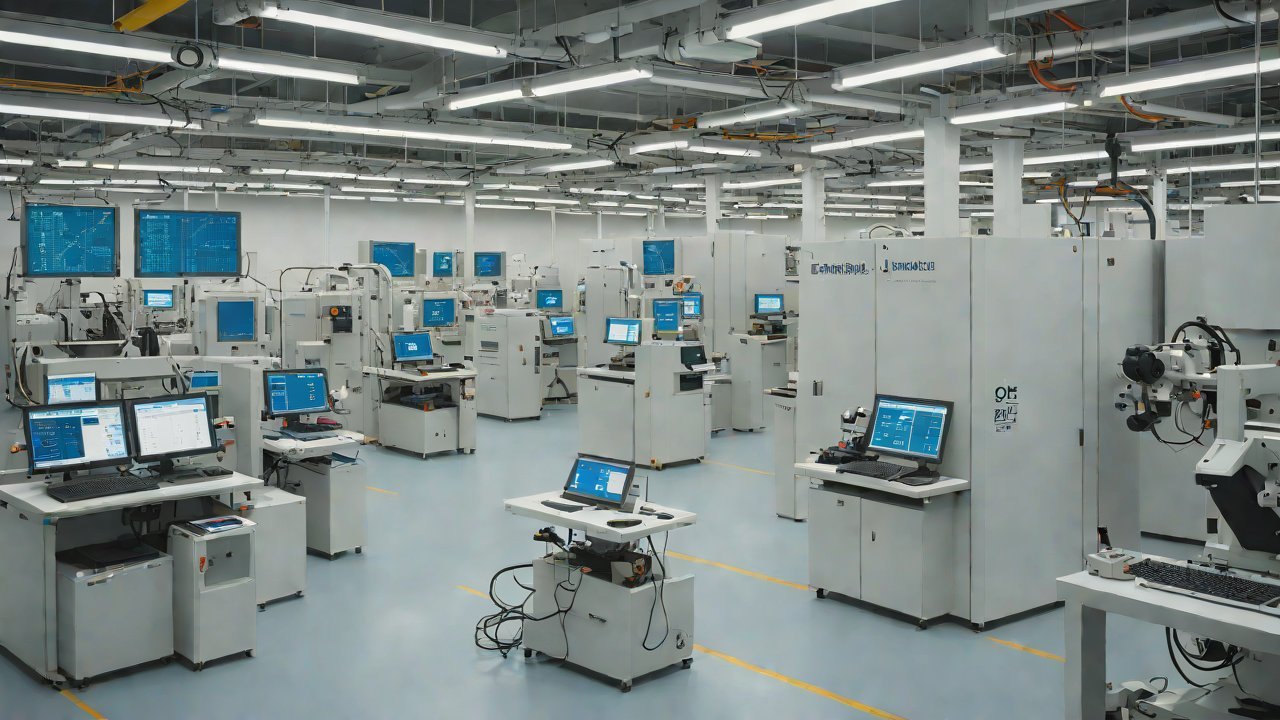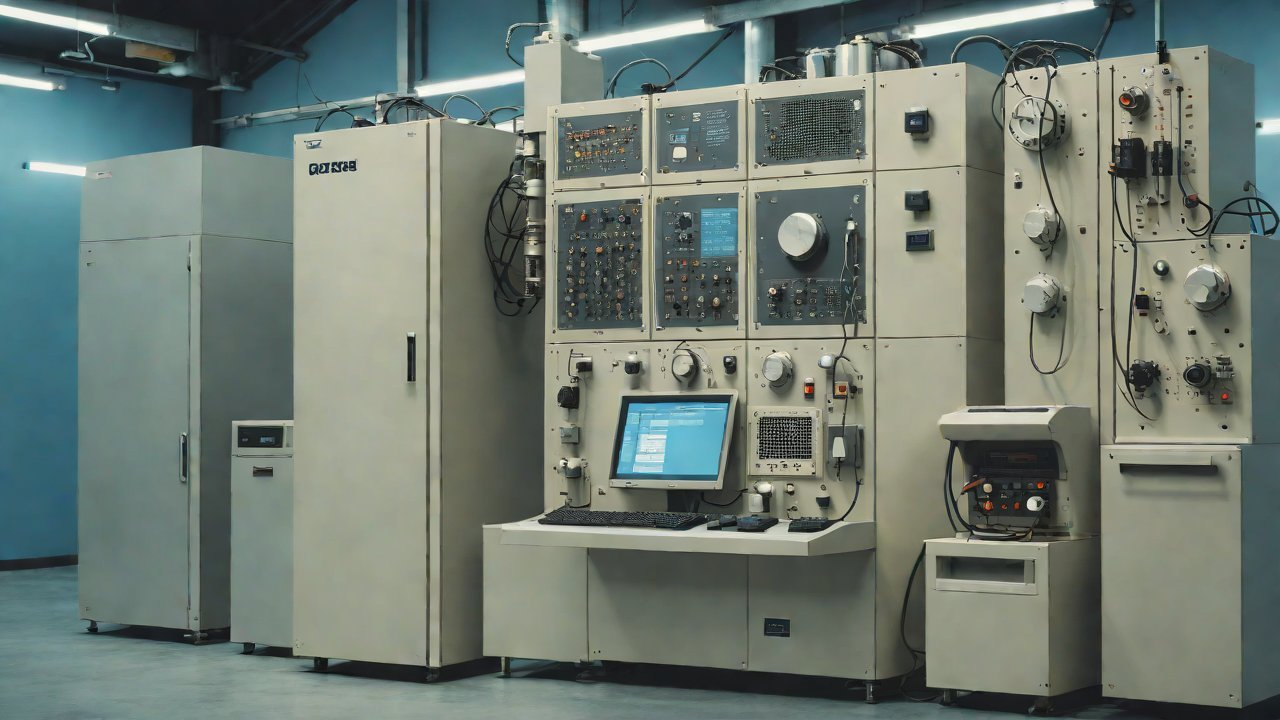
Will this equipment malfunction in the high temperature and humidity of the southern rainy season?
The southern rainy season brings with it a unique set of challenges for equipment operators. The sweltering temperatures and high humidity can take a toll on even the most robust machinery, leading to malfunctions that can have far-reaching consequences. As we delve into the world of industrial equipment, it becomes clear that the question of whether this equipment will malfunction in the southern rainy season is not just a matter of speculation, but rather a critical concern that demands careful consideration.
1. Equipment Design and Materials
The first step in assessing the potential for malfunctions is to examine the design and materials used in the construction of the equipment. Modern industrial equipment often employs advanced materials such as stainless steel, titanium, or specialized polymers designed to withstand extreme temperatures and humidity levels. However, even with these premium materials, there are limitations to their performance.
| Material | Temperature Range (°C) | Humidity Tolerance (%) |
|---|---|---|
| Stainless Steel 304 | -196°C to 870°C | Up to 80% relative humidity |
| Titanium | -270°C to 400°C | Up to 90% relative humidity |
| Specialized Polymers | -50°C to 150°C | Up to 95% relative humidity |
2. Temperature and Humidity Thresholds
To accurately assess the potential for malfunctions, it is essential to understand the temperature and humidity thresholds beyond which equipment performance begins to degrade. These thresholds vary depending on the specific application and equipment design.
| Equipment Type | Critical Temperature (°C) | Critical Humidity (%) |
|---|---|---|
| Industrial Motors | 60°C | 80% relative humidity |
| Pumps | 70°C | 85% relative humidity |
| Compressors | 80°C | 90% relative humidity |

3. Environmental Factors
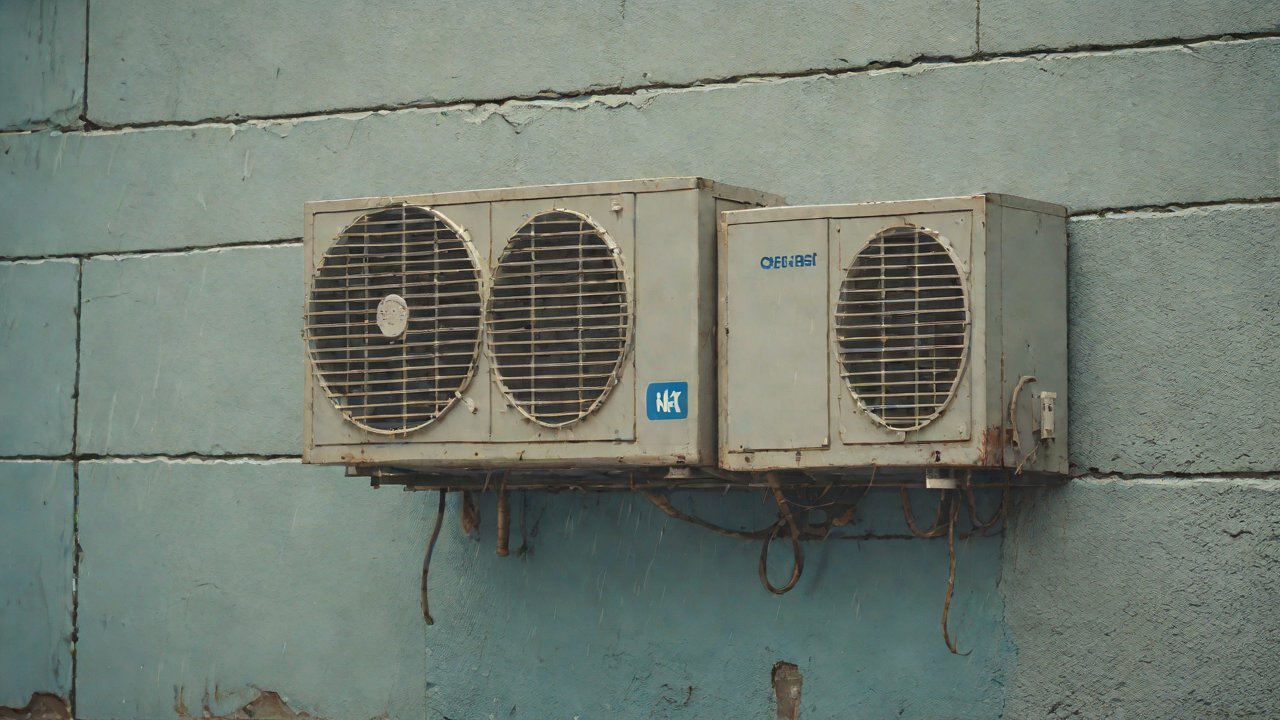
The southern rainy season brings with it a unique set of environmental factors that can impact equipment performance. High temperatures and humidity levels can lead to increased wear and tear on moving parts, corrosion, and other forms of degradation.
| Factor | Impact on Equipment Performance |
|---|---|
| Temperature Fluctuations | Increased mechanical stress on components |
| High Humidity | Accelerated corrosion and degradation of materials |
| Rainfall and Water Ingress | Risk of electrical shock and short circuits |
4. Maintenance and Operating Practices
Effective maintenance and operating practices play a critical role in preventing equipment malfunctions, particularly during periods of high temperature and humidity.
| Best Practice | Description |
|---|---|
| Regular Lubrication | Prevents mechanical wear and tear on moving parts |
| Cooling Systems Maintenance | Ensures efficient heat dissipation and prevents overheating |
| Inspection and Cleaning | Identifies potential issues before they become major problems |
5. Industry Trends and AIGC Perspectives
The industrial equipment market is characterized by a growing trend towards advanced materials, predictive maintenance, and digitalization. According to a recent report by MarketsandMarkets, the global industrial automation market is expected to reach $231.9 billion by 2025.
| Market Trend | Expected Growth Rate (%) |
|---|---|
| Advanced Materials | 10% CAGR (2019-2025) |
| Predictive Maintenance | 12% CAGR (2019-2025) |
| Digitalization | 15% CAGR (2019-2025) |
From an AIGC (Artificial Intelligence in General Computing) perspective, the integration of advanced technologies such as IoT sensors, machine learning algorithms, and real-time monitoring systems can significantly improve equipment performance and reliability.
6. Conclusion
The potential for equipment malfunctions during the southern rainy season is a critical concern that demands careful consideration. By examining the design and materials used in construction, understanding temperature and humidity thresholds, and implementing effective maintenance and operating practices, operators can mitigate the risks associated with high temperatures and humidity. As the industrial equipment market continues to evolve towards advanced materials, predictive maintenance, and digitalization, it is essential for operators to stay ahead of the curve and adapt to these changes.
7. Recommendations
Based on this analysis, we recommend that operators take the following steps to prevent equipment malfunctions during the southern rainy season:
- Regularly inspect and maintain equipment to ensure optimal performance
- Implement predictive maintenance strategies to identify potential issues before they become major problems
- Consider upgrading to advanced materials or replacing existing equipment with more resilient designs
- Invest in IoT sensors, machine learning algorithms, and real-time monitoring systems to improve equipment performance and reliability
By taking these steps, operators can minimize the risk of equipment malfunctions and ensure optimal performance during the southern rainy season.
IOT Cloud Platform
IOT Cloud Platform is an IoT portal established by a Chinese IoT company, focusing on technical solutions in the fields of agricultural IoT, industrial IoT, medical IoT, security IoT, military IoT, meteorological IoT, consumer IoT, automotive IoT, commercial IoT, infrastructure IoT, smart warehousing and logistics, smart home, smart city, smart healthcare, smart lighting, etc.
The IoT Cloud Platform blog is a top IoT technology stack, providing technical knowledge on IoT, robotics, artificial intelligence (generative artificial intelligence AIGC), edge computing, AR/VR, cloud computing, quantum computing, blockchain, smart surveillance cameras, drones, RFID tags, gateways, GPS, 3D printing, 4D printing, autonomous driving, etc.