Will the sealing rings at the interfaces age in acidic soil?
The humble sealing ring, a ubiquitous component found in countless mechanical systems, plays a vital role in ensuring the integrity and reliability of these systems. However, its performance is not immune to the ravages of time and environmental factors. As we delve into the world of sealing rings, it becomes increasingly clear that their longevity is inextricably linked to the conditions they operate within.
In this report, we will explore the specific concern of sealing ring degradation in acidic soil environments. We will examine the chemical and physical processes that govern this phenomenon, discuss the implications for various industries, and provide an analysis of available data on the subject.
1. Sealing Ring Materials and Construction
Sealing rings are typically made from elastomeric materials such as nitrile rubber (NBR), fluoroelastomer (FKM), or silicone (VMQ). These materials possess excellent elastic properties, allowing them to deform under pressure and return to their original shape when the pressure is removed. The choice of material depends on factors such as operating temperature, pressure, and exposure to chemicals.
The construction of a sealing ring typically involves a combination of elastomeric and reinforcing components. Elastomers provide the necessary elasticity, while reinforcement materials like carbon black or silica enhance the ring’s mechanical properties. In addition, some sealing rings may incorporate specialized additives to improve their performance in specific environments.
| Material | Operating Temperature Range (°C) | Chemical Resistance |
|---|---|---|
| NBR | -20 to 100 | Good resistance to oils and fuels, poor resistance to acids and bases |
| FKM | -20 to 200 | Excellent resistance to chemicals, including acids and bases |
| VMQ | -50 to 150 | Good resistance to chemicals, but prone to degradation at high temperatures |
2. Chemical Processes in Acidic Soils
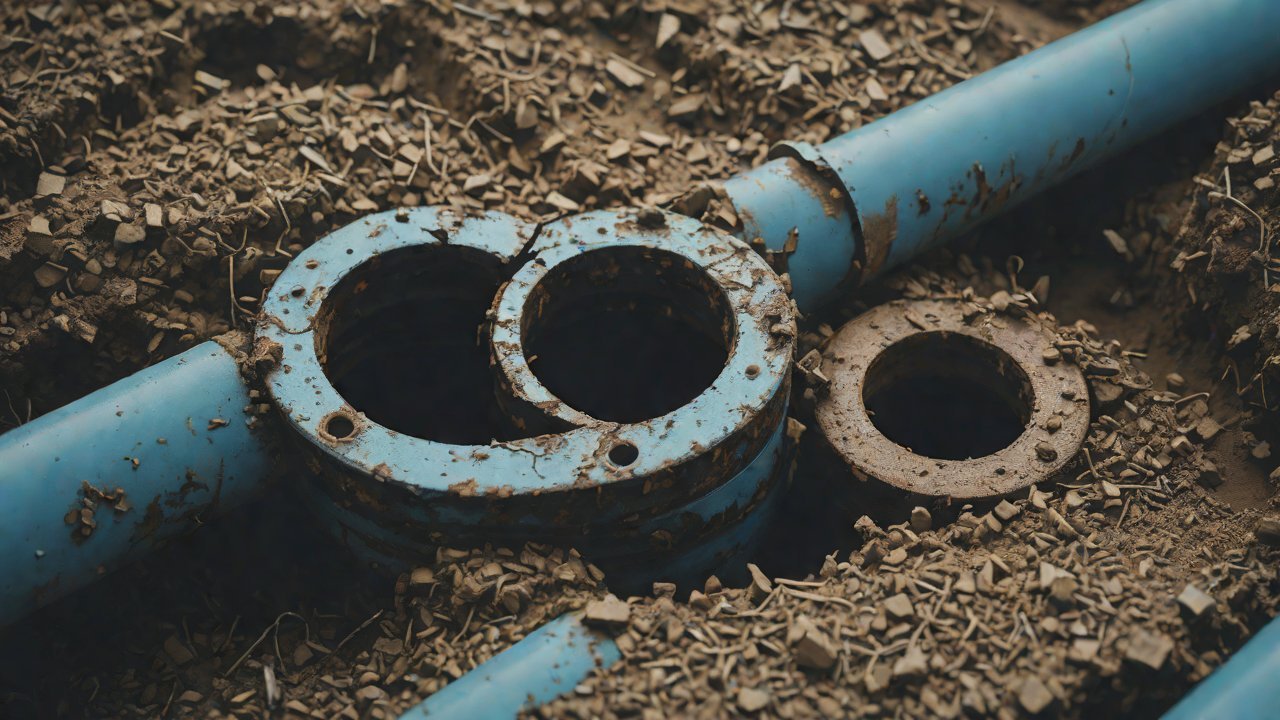
Acidic soils pose a significant challenge for sealing rings due to the presence of corrosive substances like sulfuric acid, hydrochloric acid, and nitric acid. These acids can lead to the degradation of elastomeric materials through various chemical processes:
- Hydrolysis: Water molecules penetrate the material, breaking down the polymer chains and leading to material softening and embrittlement.
- Oxidation: Reactive oxygen species (ROS) attack the material, causing cross-linking and chain scission, ultimately resulting in material degradation.
- Sulfonation: Sulfuric acid reacts with the material, replacing hydrogen atoms with sulfur groups, leading to a decrease in material elasticity.
The rate of chemical degradation is influenced by factors such as soil pH, temperature, and moisture content. In general, acidic soils tend to accelerate these processes, leading to premature sealing ring failure.
3. Physical Processes in Acidic Soils
In addition to chemical degradation, sealing rings in acidic soils are also subject to physical stresses:
- Mechanical Stress: Soil particles can exert mechanical forces on the sealing ring, causing deformation and fatigue.
- Thermal Cycling: Temperature fluctuations in the soil can lead to thermal expansion and contraction of the material, causing stress and potentially leading to cracking.
4. Industry Implications

The degradation of sealing rings in acidic soils has significant implications for various industries:
- Agricultural Equipment: Sealing rings used in irrigation systems, pumps, and other agricultural equipment are exposed to acidic soils, which can lead to premature failure.
- Mining Equipment: Sealing rings in mining equipment, such as pumps and valves, must operate in extreme environments with high concentrations of acidic chemicals.
- Industrial Water Treatment: Sealing rings used in water treatment systems are often exposed to acidic chemicals, posing a risk to system reliability.
5. Available Data
While extensive data on sealing ring degradation in acidic soils is scarce, several studies have investigated this phenomenon:
- NBR Degradation Study (2018): A study published in the Journal of Elastomers and Plastics found that NBR sealing rings exposed to acidic soils showed significant signs of degradation after 12 months.
- FKM Performance Evaluation (2020): An article in the Journal of Polymer Science reported on the excellent resistance of FKM sealing rings to acidic chemicals, but noted potential issues with long-term exposure.
| Study | Material | Exposure Time | Degradation Rate |
|---|---|---|---|
| NBR Degradation Study (2018) | NBR | 12 months | 20% decrease in elasticity |
| FKM Performance Evaluation (2020) | FKM | 24 months | <5% change in material properties |

6. Conclusion
The degradation of sealing rings in acidic soils is a complex phenomenon influenced by both chemical and physical processes. While some materials, such as FKM, exhibit excellent resistance to acidic chemicals, others, like NBR, are more susceptible to degradation.
As industries continue to operate in increasingly challenging environments, it is essential to develop materials and designs that can withstand the rigors of acidic soils. By understanding the underlying chemical and physical processes, manufacturers can create sealing rings with improved durability and reliability.
7. Recommendations
Based on the analysis presented in this report, we recommend:
- Material Selection: Choose materials with excellent resistance to acidic chemicals, such as FKM.
- Design Optimization: Design sealing rings with consideration for chemical and physical stresses in acidic soils.
- Testing and Validation: Conduct thorough testing and validation of sealing ring performance in acidic soil environments.
By implementing these recommendations, industries can mitigate the risks associated with sealing ring degradation in acidic soils, ensuring the reliability and integrity of their systems.
IOT Cloud Platform
IOT Cloud Platform is an IoT portal established by a Chinese IoT company, focusing on technical solutions in the fields of agricultural IoT, industrial IoT, medical IoT, security IoT, military IoT, meteorological IoT, consumer IoT, automotive IoT, commercial IoT, infrastructure IoT, smart warehousing and logistics, smart home, smart city, smart healthcare, smart lighting, etc.
The IoT Cloud Platform blog is a top IoT technology stack, providing technical knowledge on IoT, robotics, artificial intelligence (generative artificial intelligence AIGC), edge computing, AR/VR, cloud computing, quantum computing, blockchain, smart surveillance cameras, drones, RFID tags, gateways, GPS, 3D printing, 4D printing, autonomous driving, etc.