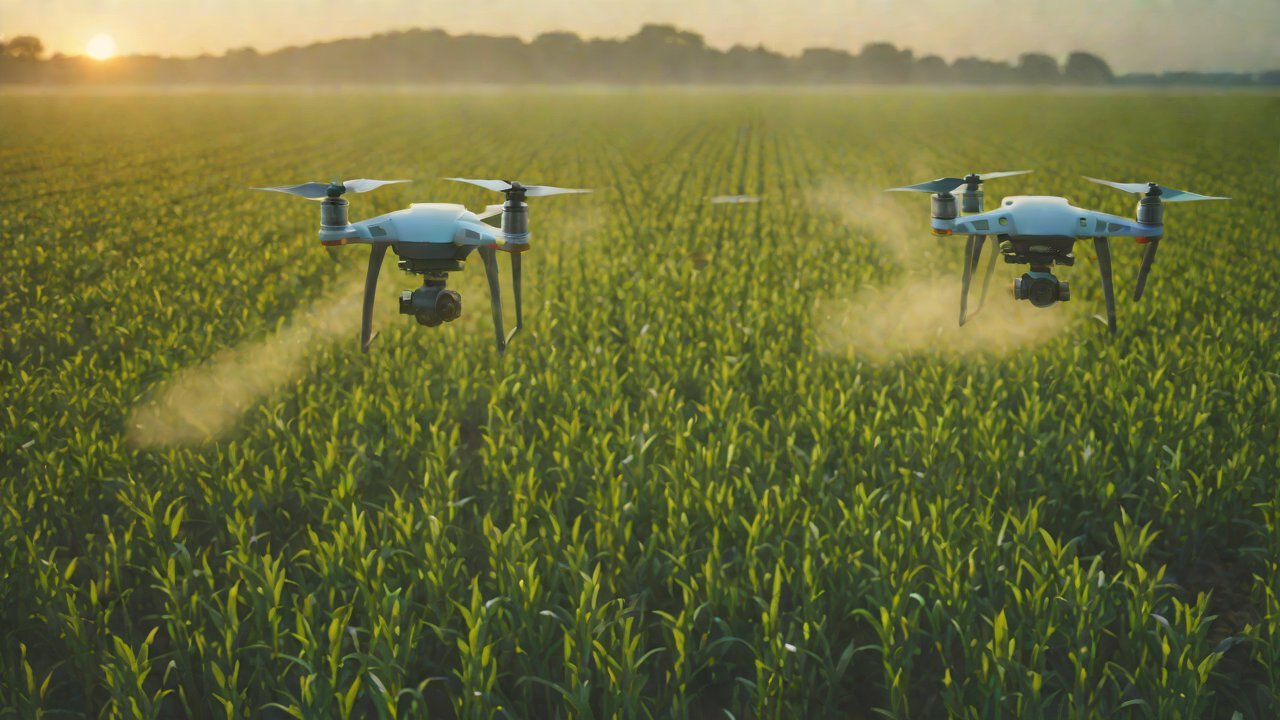
Will the high precision of drone spraying lead to the development of more concentrated specialty pesticides?
The advent of high-precision drone spraying has revolutionized the agricultural industry, enabling farmers to apply pesticides with unprecedented accuracy and efficiency. This technology has the potential to transform the way pesticides are formulated and used, leading to the development of more concentrated specialty pesticides. As the demand for precision agriculture continues to grow, manufacturers are under pressure to create products that meet the increasing need for targeted and efficient pesticide application.
1. Market Trends and Drivers
The global precision agriculture market is projected to reach $12.9 billion by 2025, growing at a CAGR of 13.2% from 2020 to 2025 (MarketsandMarkets, 2020). The increasing adoption of drone spraying is a key driver of this growth, as it enables farmers to apply pesticides with greater precision and reduce waste. According to a report by Grand View Research, the global drone spraying market is expected to reach $1.3 billion by 2027, growing at a CAGR of 17.4% from 2020 to 2027 (Grand View Research, 2020).
| Year | Precision Agriculture Market Size (USD billion) | CAGR (%) |
|---|---|---|
| 2020 | 5.3 | |
| 2025 | 12.9 | 13.2% |
| 2030 | 23.1 |
The increasing demand for precision agriculture is driven by several factors, including the need for sustainable agriculture practices, the growing concern for environmental protection, and the increasing awareness of the benefits of precision farming among farmers. As the market continues to grow, manufacturers are under pressure to create products that meet the increasing need for targeted and efficient pesticide application.
2. Technical Perspectives and Challenges
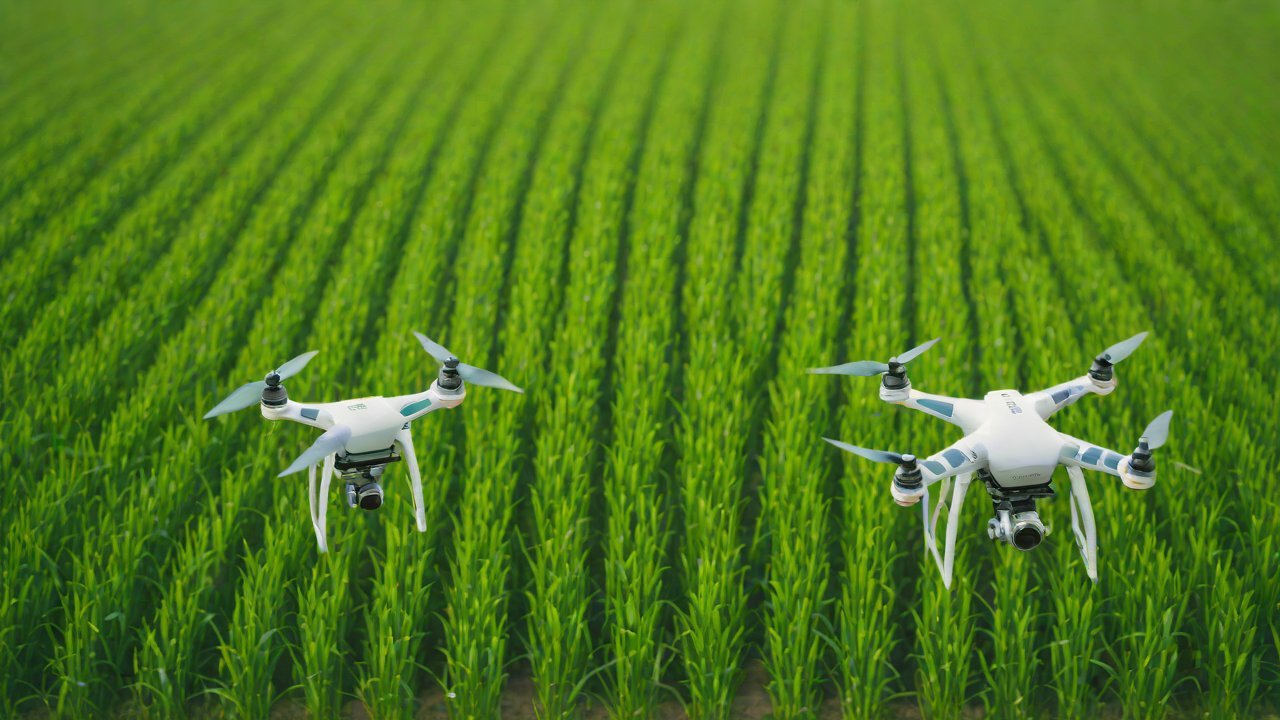
The development of more concentrated specialty pesticides requires a deep understanding of the technical challenges associated with precision agriculture. One of the key challenges is the need for precise and accurate application of pesticides, which requires a high degree of control over the spraying process. This is where drone spraying comes in, as it enables farmers to apply pesticides with greater precision and reduce waste.
| Technical Challenge | Description | Solution |
|---|---|---|
| Precision Application | Achieving accurate and precise application of pesticides | Drone spraying with GPS and sensors |
| Waste Reduction | Reducing waste and minimizing environmental impact | Precision application and real-time monitoring |
| Cost-Effectiveness | Reducing costs and increasing efficiency | Automated spraying and data analysis |
The development of more concentrated specialty pesticides also requires a deep understanding of the chemistry and formulation of pesticides. Manufacturers must develop products that are stable, effective, and safe for use in precision agriculture applications. This requires a multidisciplinary approach, involving chemists, formulators, and agronomists.
3. Market Opportunities and Competitive Landscape
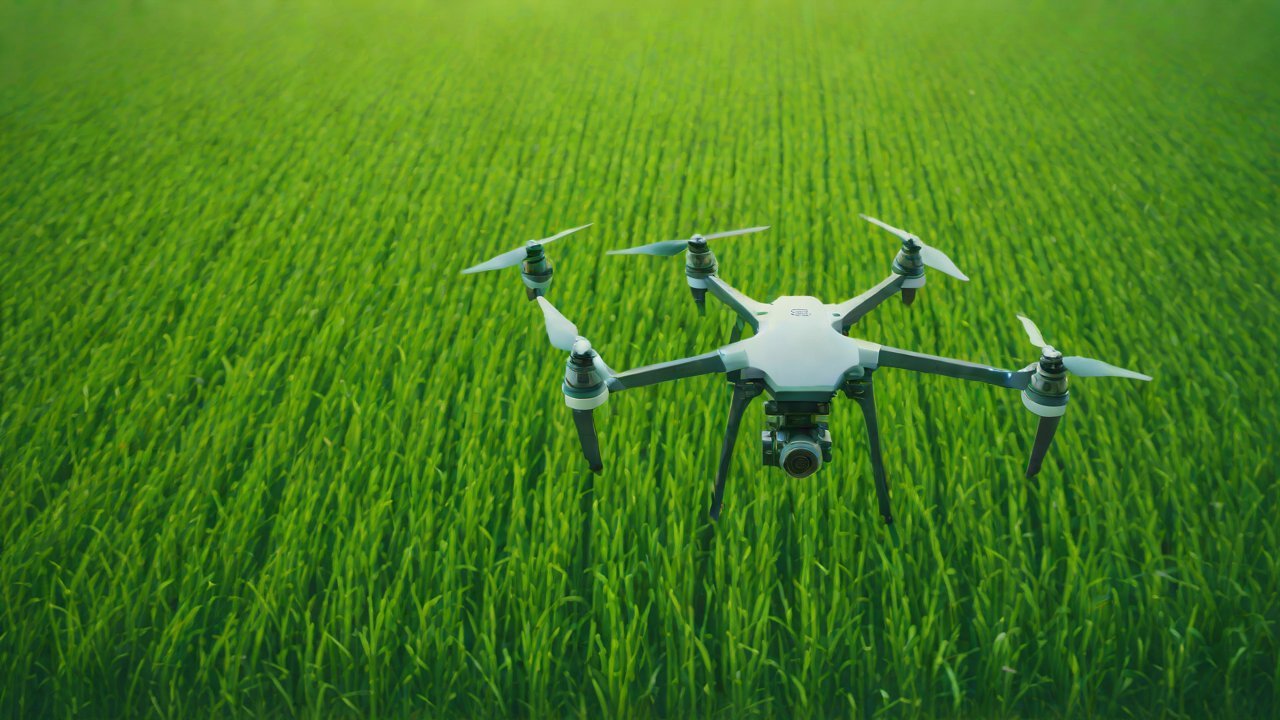
The development of more concentrated specialty pesticides presents several market opportunities for manufacturers. One of the key opportunities is the growing demand for precision agriculture products, which is expected to drive growth in the market over the next few years. According to a report by MarketsandMarkets, the global precision agriculture market is expected to grow at a CAGR of 13.2% from 2020 to 2025, driven by the increasing adoption of drone spraying and other precision agriculture technologies (MarketsandMarkets, 2020).
| Company | Product | Description |
|---|---|---|
| Bayer | DriftXtra | A concentrated specialty pesticide for precision agriculture applications |
| Syngenta | GreenCast | A precision agriculture platform for targeted and efficient pesticide application |
| Dow AgroSciences | Enlist Duo | A concentrated specialty pesticide for precision agriculture applications |
The competitive landscape of the precision agriculture market is highly competitive, with several large manufacturers competing for market share. However, there is also a growing trend towards consolidation and partnerships, as manufacturers seek to expand their offerings and improve their competitiveness.
4. Regulatory Framework and Environmental Impact
The development of more concentrated specialty pesticides is subject to a range of regulatory requirements and environmental considerations. Manufacturers must comply with regulations governing pesticide use, environmental impact, and worker safety. This requires a deep understanding of the regulatory framework and the ability to navigate complex environmental and safety issues.

| Regulatory Requirement | Description | Impact |
|---|---|---|
| Pesticide Registration | Registration of pesticides with regulatory agencies | Ensures safety and efficacy of pesticides |
| Environmental Impact Assessment | Assessment of environmental impact of pesticide use | Ensures minimal environmental impact |
| Worker Safety | Protection of workers from pesticide exposure | Ensures worker safety and health |
The development of more concentrated specialty pesticides also has the potential to improve environmental sustainability. By reducing waste and minimizing environmental impact, manufacturers can help to reduce the environmental footprint of precision agriculture.
5. Conclusion
The development of more concentrated specialty pesticides is a key trend in the precision agriculture market, driven by the increasing demand for targeted and efficient pesticide application. Manufacturers must develop products that meet the increasing need for precision agriculture, while also complying with regulatory requirements and minimizing environmental impact. As the market continues to grow, manufacturers are under pressure to create products that meet the increasing need for sustainable and efficient agriculture practices.
By developing more concentrated specialty pesticides, manufacturers can help to improve crop yields, reduce waste, and minimize environmental impact. This requires a multidisciplinary approach, involving chemists, formulators, and agronomists. As the market continues to evolve, manufacturers must be prepared to adapt to changing regulatory requirements and environmental considerations.
The development of more concentrated specialty pesticides is a key opportunity for manufacturers to expand their offerings and improve their competitiveness. By partnering with farmers and other stakeholders, manufacturers can help to drive growth in the precision agriculture market and improve the sustainability of agriculture practices. As the market continues to grow, manufacturers must be prepared to innovate and adapt to changing market trends and requirements.
IOT Cloud Platform
IOT Cloud Platform is an IoT portal established by a Chinese IoT company, focusing on technical solutions in the fields of agricultural IoT, industrial IoT, medical IoT, security IoT, military IoT, meteorological IoT, consumer IoT, automotive IoT, commercial IoT, infrastructure IoT, smart warehousing and logistics, smart home, smart city, smart healthcare, smart lighting, etc.
The IoT Cloud Platform blog is a top IoT technology stack, providing technical knowledge on IoT, robotics, artificial intelligence (generative artificial intelligence AIGC), edge computing, AR/VR, cloud computing, quantum computing, blockchain, smart surveillance cameras, drones, RFID tags, gateways, GPS, 3D printing, 4D printing, autonomous driving, etc.