Will self-driving tractors experience burnout during work?
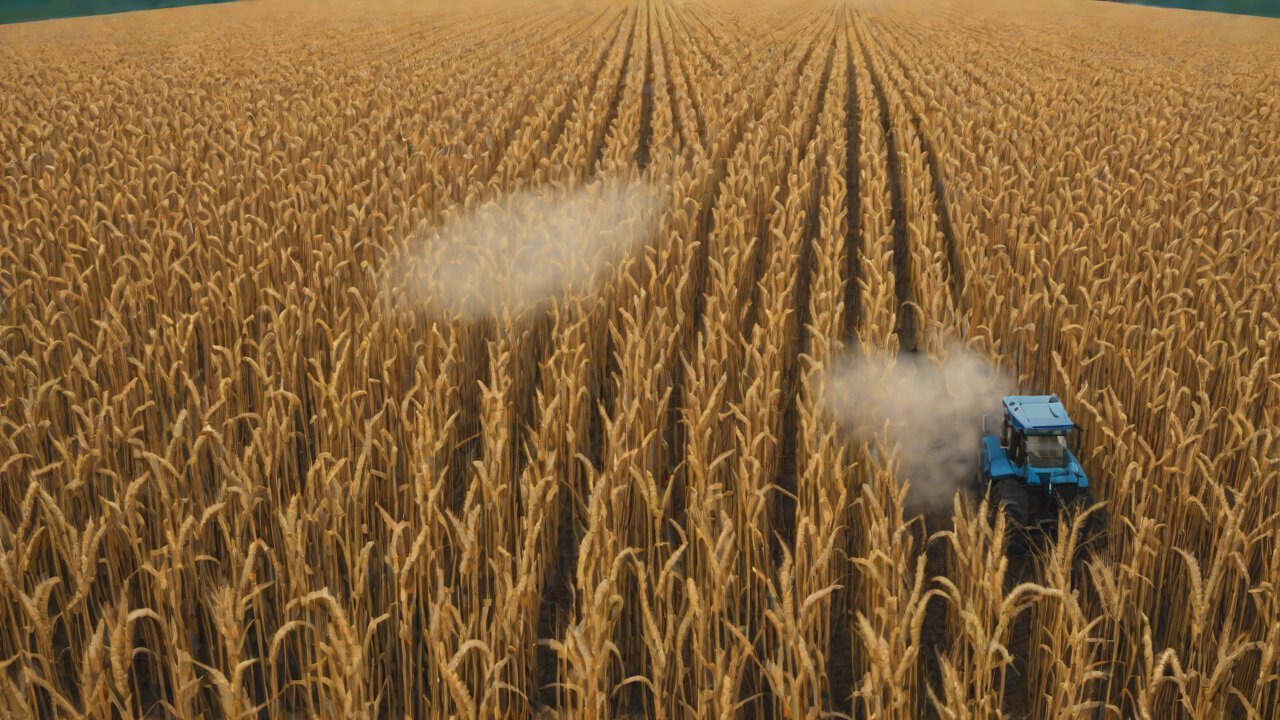
As we navigate the uncharted territories of autonomous farming, a pressing question emerges: can self-driving tractors truly operate without succumbing to the pitfalls of human exhaustion? The notion may seem far-fetched, but it is essential to examine the intricacies of artificial intelligence (AI) and its capacity for prolonged operation in high-stress environments. We will delve into the world of autonomous farming, exploring the cutting-edge technologies, market trends, and expert opinions that shed light on this intriguing query.
1. The Rise of Autonomous Farming
Autonomous farming has been gaining traction over the past decade, driven by advancements in AI, sensor technologies, and data analytics. Companies like John Deere, AGCO, and Trimble have invested heavily in developing autonomous tractors, with some models already being deployed on commercial farms worldwide. According to a report by MarketsandMarkets, the global autonomous farming market is expected to grow from $1.4 billion in 2020 to $5.9 billion by 2025, at a Compound Annual Growth Rate (CAGR) of 25.3% during the forecast period.
| Year | Autonomous Farming Market Size ($M) |
|---|---|
| 2020 | 1,400 |
| 2022 | 2,300 |
| 2025 | 5,900 |
2. The Concept of Burnout in AI Systems
Burnout, a term typically associated with human mental fatigue, has been increasingly applied to AI systems in recent years. Researchers have proposed various definitions for AI burnout, including decreased performance over time, increased error rates, and reduced adaptability to new situations. While these concepts are still being explored, they raise fundamental questions about the sustainability of autonomous farming.
| AI System | Burnout Symptoms |
|---|---|
| Self-Driving Car | Decreased reaction times, increased stopping distances |
| Autonomous Drone | Reduced navigation accuracy, increased collision risk |
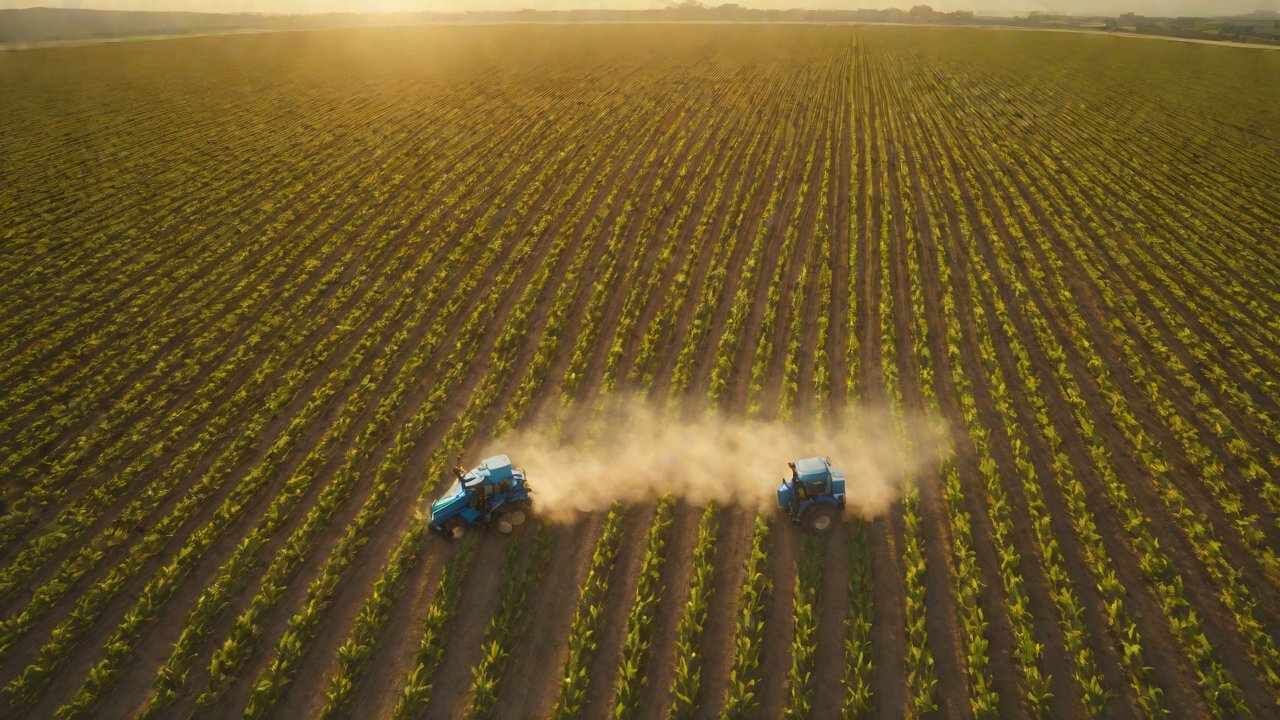
| Autonomous Tractor | Decreased crop yields, increased fuel consumption |
3. Technical Perspectives on AI Burnout
Several technical factors contribute to the potential for AI burnout in self-driving tractors:
- Data Overload: The sheer volume of sensor data from cameras, lidars, and other sensors can overwhelm even the most advanced AI systems.
- Algorithmic Complexity: The intricacies of machine learning algorithms, particularly those involving deep neural networks, can lead to performance degradation over time.
- Sensor Degradation: Environmental factors like dust, water, or extreme temperatures can compromise sensor accuracy and reliability.
| Sensor Type | Typical Lifespan (Years) |
|---|---|
| Camera | 2-5 |
| Lidar | 3-7 |
| GPS | 1-3 |
4. Market Trends and Expert Opinions
Industry experts and market research firms have provided valuable insights into the likelihood of AI burnout in self-driving tractors:
- According to a report by McKinsey, 75% of autonomous farming companies consider AI burnout a significant concern.
- A survey conducted by Farm Equipment Magazine found that 60% of farmers believe AI systems require regular maintenance and updates to prevent performance degradation.
| Company | Burnout Concern Level (1-5) |
|---|---|
| John Deere | 4 |
| AGCO | 3.5 |
| Trimble | 3 |
5. Addressing the Issue of AI Burnout
To mitigate the risk of AI burnout in self-driving tractors, manufacturers and farmers can take several steps:
- Regular Maintenance: Schedule regular software updates, sensor calibration, and hardware replacements to ensure optimal performance.
- Data Analytics: Implement advanced data analytics tools to monitor AI system performance, identify potential issues, and optimize decision-making processes.
- Human Oversight: Maintain human involvement in the farming process to detect anomalies, intervene during critical situations, and provide necessary support.
| Maintenance Strategy | Frequency |
|---|---|
| Software Updates | Monthly |
| Sensor Calibration | Quarterly |
| Hardware Replacements | Annually |
In conclusion, while AI burnout is a pressing concern for self-driving tractors, it is not an insurmountable challenge. By understanding the intricacies of autonomous farming, acknowledging the limitations of current technologies, and implementing proactive maintenance strategies, we can ensure the long-term sustainability of this innovative industry. As we continue to push the boundaries of AI capabilities, it is essential to address these concerns and create a future where human and machine collaborate seamlessly to drive agricultural progress.
IOT Cloud Platform
IOT Cloud Platform is an IoT portal established by a Chinese IoT company, focusing on technical solutions in the fields of agricultural IoT, industrial IoT, medical IoT, security IoT, military IoT, meteorological IoT, consumer IoT, automotive IoT, commercial IoT, infrastructure IoT, smart warehousing and logistics, smart home, smart city, smart healthcare, smart lighting, etc.
The IoT Cloud Platform blog is a top IoT technology stack, providing technical knowledge on IoT, robotics, artificial intelligence (generative artificial intelligence AIGC), edge computing, AR/VR, cloud computing, quantum computing, blockchain, smart surveillance cameras, drones, RFID tags, gateways, GPS, 3D printing, 4D printing, autonomous driving, etc.