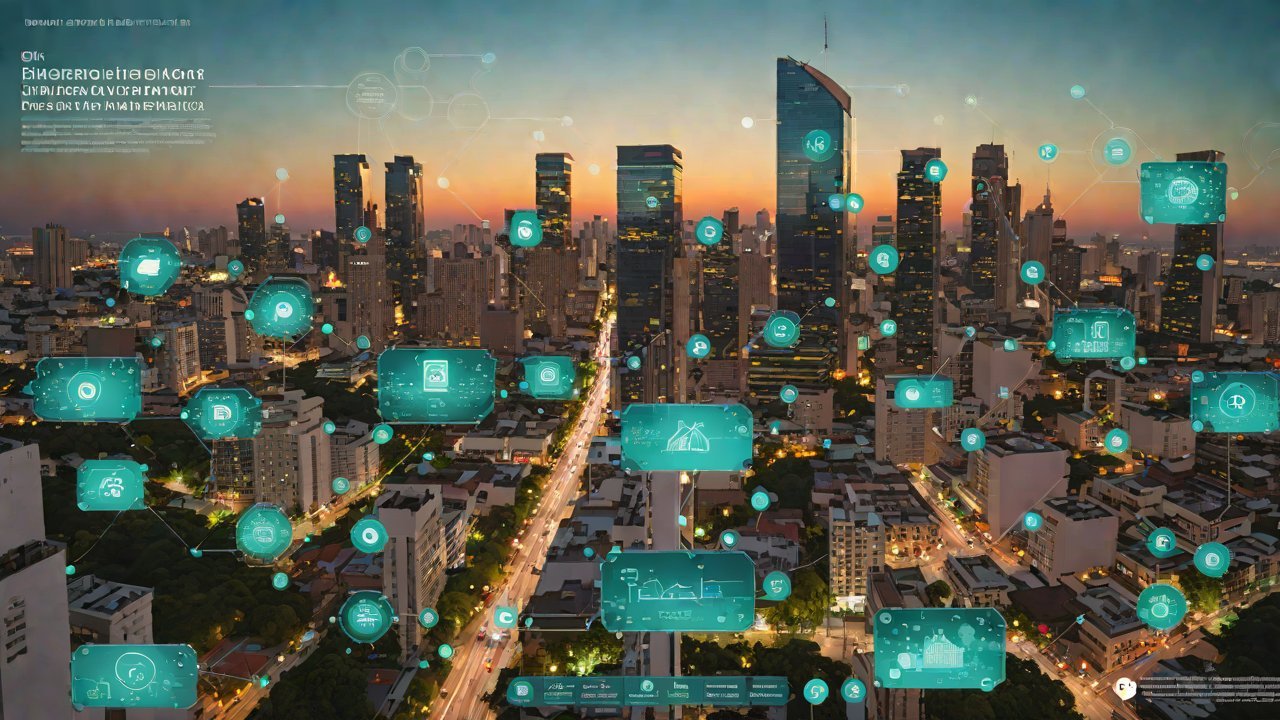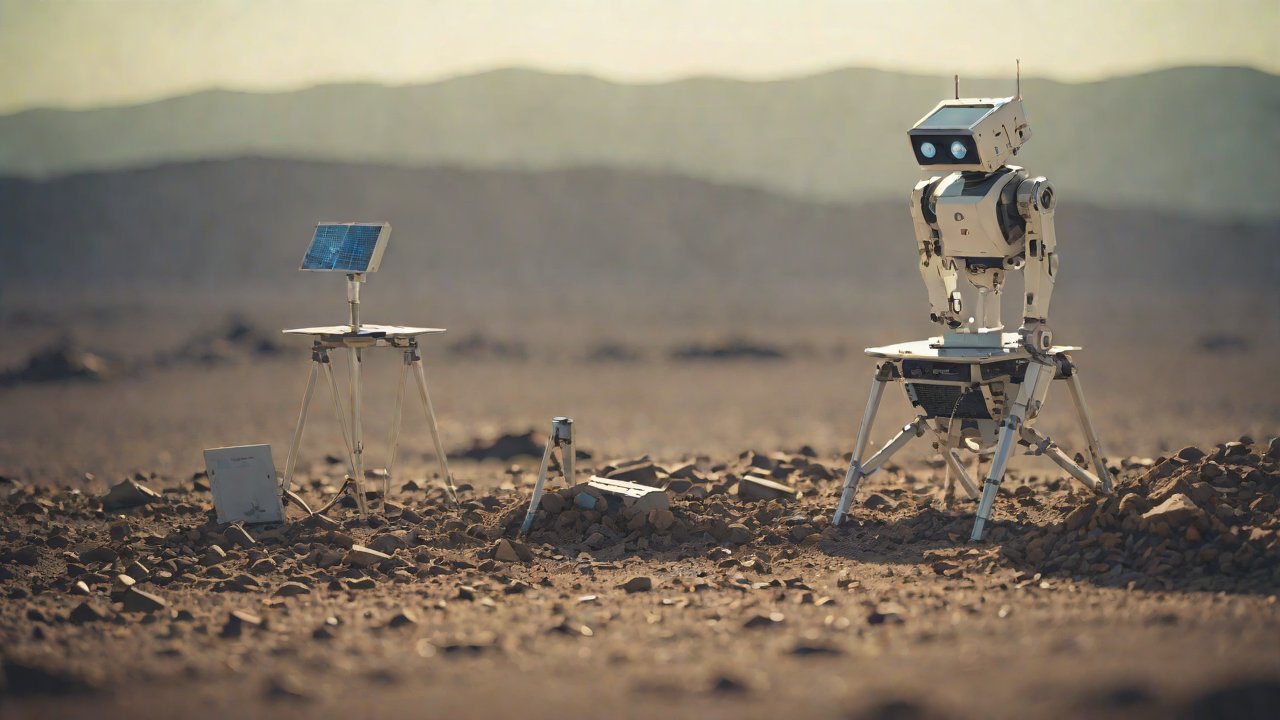
Will robots deploy the first soil moisture monitoring stations when colonizing exoplanets?
The notion of robots deploying soil moisture monitoring stations on exoplanets is a concept that has garnered significant attention in the realms of astrobiology, planetary science, and the field of artificial general intelligence (AGI). The prospect of establishing human settlements on distant planets, particularly those with conditions similar to those of Earth, has sparked a flurry of research and development in the areas of terraforming, habitat creation, and life support systems. As the search for life beyond our solar system gains momentum, the importance of accurately monitoring environmental factors such as soil moisture cannot be overstated.
The deployment of robots to establish soil moisture monitoring stations on exoplanets would be a crucial step in the process of colonization. These robots, equipped with advanced sensors and communication equipment, would be capable of transmitting real-time data on soil moisture levels, temperature, and other environmental factors to Earth or to the colonists themselves. This information would be invaluable for understanding the planet’s ecological balance, predicting potential hazards, and informing decisions regarding resource allocation and habitat design.
1. Current State of Soil Moisture Monitoring on Earth
Before exploring the possibility of robots deploying soil moisture monitoring stations on exoplanets, it is essential to understand the current state of soil moisture monitoring on Earth. On our home planet, soil moisture monitoring is typically conducted using a variety of methods, including:
| Method | Description |
|---|---|
| In-situ measurements | Soil moisture sensors installed directly in the soil to measure moisture levels |
| Remote sensing | Satellite or aircraft-based sensors that measure soil moisture from above |
| Ground-penetrating radar | Radar technology that measures soil moisture by emitting and receiving radio waves |
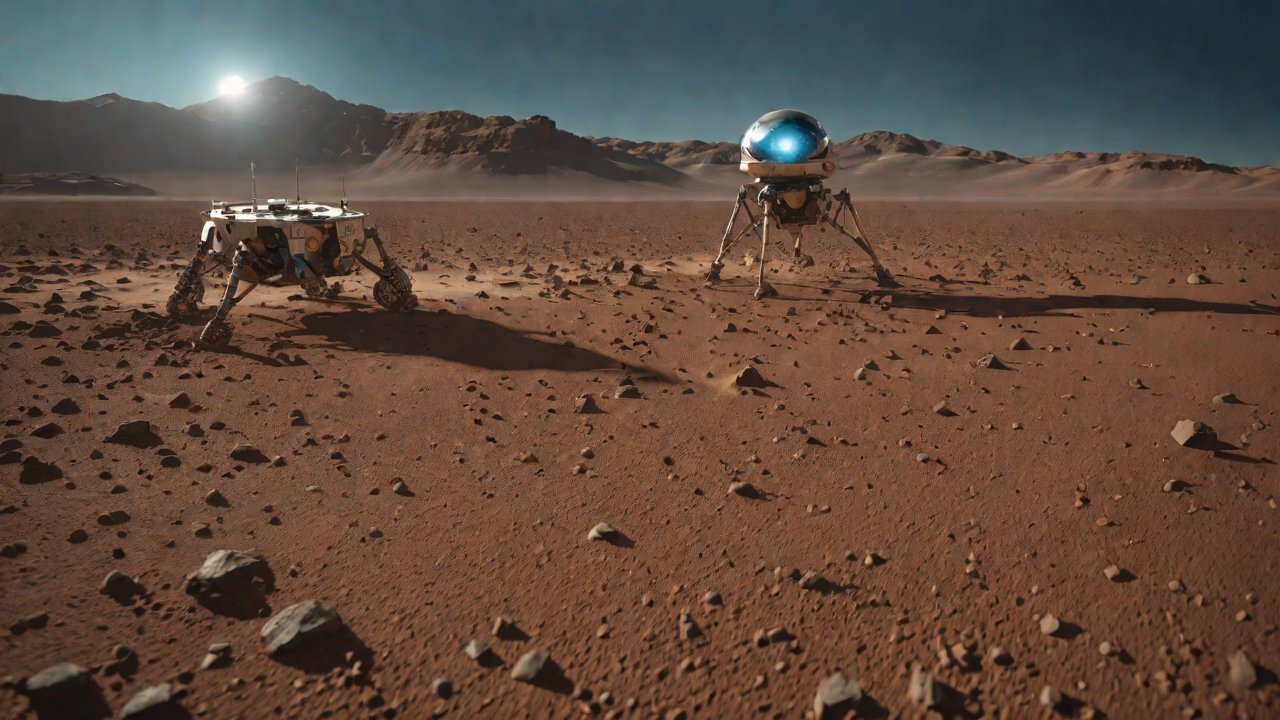
These methods have their limitations, particularly in areas with limited access or infrastructure. The deployment of robots on exoplanets would require innovative solutions to overcome these challenges.
2. Challenges and Opportunities for Robot Deployment
The deployment of robots on exoplanets presents several challenges, including:
| Challenge | Description |
|---|---|
| Distance and communication | The vast distances between exoplanets and Earth make real-time communication and data transmission challenging |
| Radiation and extreme environments | Exoplanets often experience extreme temperatures, radiation, and atmospheric conditions that can damage electronic equipment |
| Power and energy | Robots would require reliable and sustainable power sources to operate and transmit data |
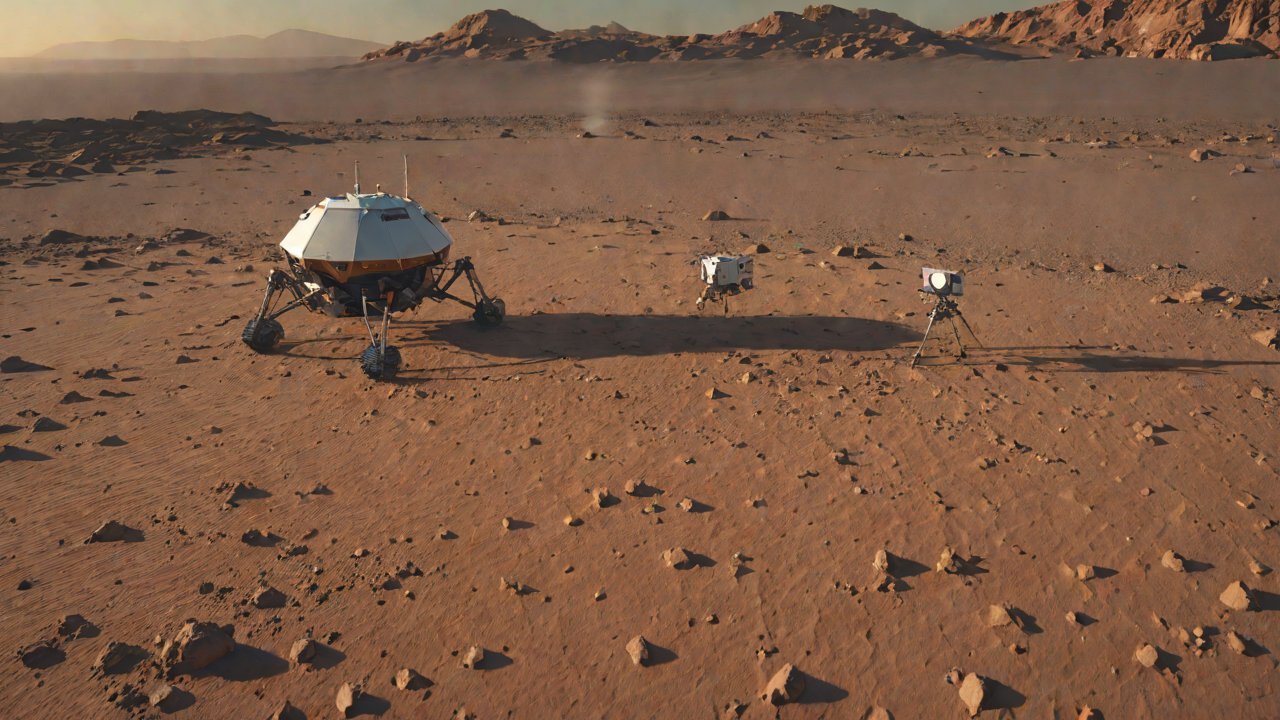
Despite these challenges, the deployment of robots on exoplanets also presents opportunities for:
| Opportunity | Description |
|---|---|
| In-situ exploration | Robots can explore and gather data in areas inaccessible to humans or traditional remote sensing technologies |
| Autonomous decision-making | Robots can make decisions based on real-time data, allowing for more efficient and effective resource allocation |
| Long-term monitoring | Robots can provide continuous monitoring and data transmission, enabling scientists to study environmental changes over extended periods |
3. AGI and the Future of Soil Moisture Monitoring
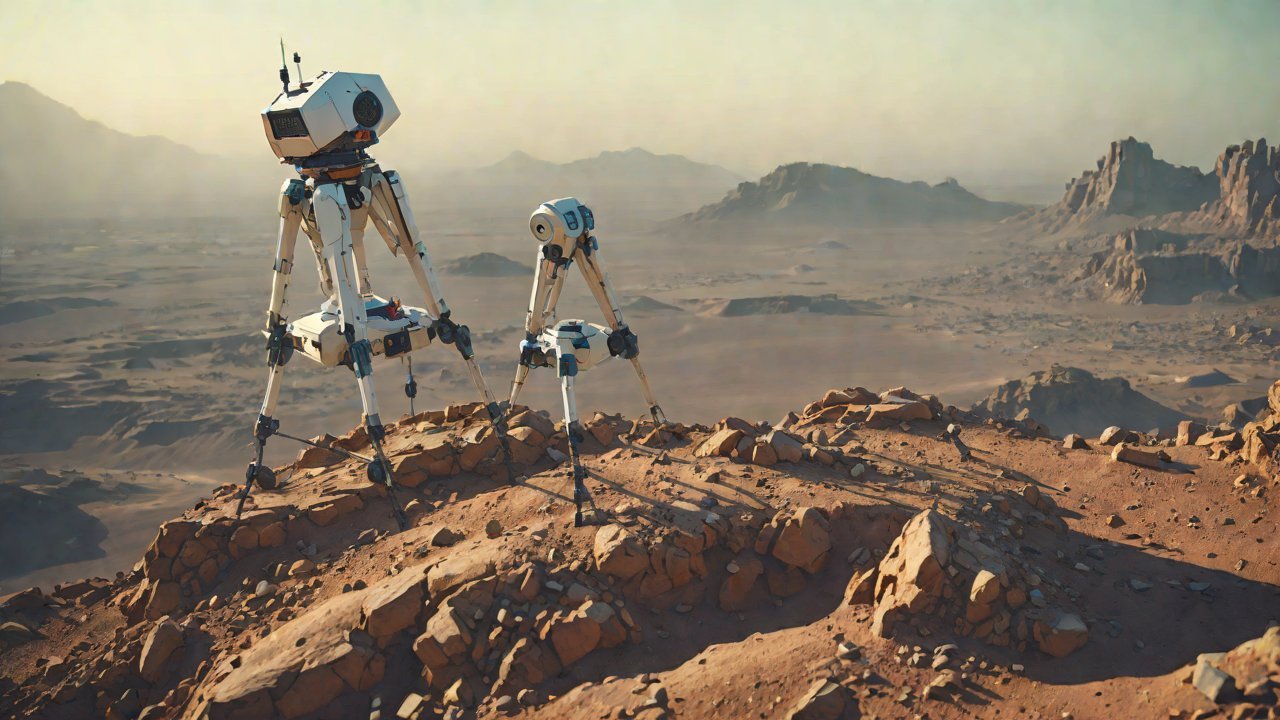
The development of AGI has the potential to revolutionize the field of soil moisture monitoring on exoplanets. AGI systems can learn from data, adapt to new situations, and make decisions based on complex patterns and relationships. This capability would be invaluable for:
| AGI Application | Description |
|---|---|
| Data analysis and interpretation | AGI can analyze large datasets, identify patterns, and provide insights into soil moisture trends |
| Decision-making and optimization | AGI can make decisions based on real-time data, optimizing resource allocation and habitat design |
| Autonomous robot operation | AGI can control and operate robots, enabling them to adapt to changing environmental conditions and make decisions in real-time |
4. Market Data and Future Outlook
The market for soil moisture monitoring on exoplanets is still in its infancy, but several companies and research institutions are already working on developing the necessary technologies. According to a recent report by ResearchAndMarkets.com, the global soil moisture monitoring market is expected to grow from $1.4 billion in 2020 to $2.5 billion by 2025, at a CAGR of 10.5%. The report also highlights the increasing demand for precision agriculture and the growing importance of soil moisture monitoring in agriculture, forestry, and other industries.
5. Conclusion
The deployment of robots to establish soil moisture monitoring stations on exoplanets is a concept that has significant implications for astrobiology, planetary science, and the field of AGI. While challenges exist, the opportunities presented by this technology are too great to ignore. As the search for life beyond our solar system continues, the importance of accurately monitoring environmental factors such as soil moisture cannot be overstated. The development of AGI and the advancement of technologies such as precision agriculture and remote sensing will play critical roles in the success of this endeavor.
The future of soil moisture monitoring on exoplanets is bright, and the potential for innovation and discovery is vast. As we continue to push the boundaries of what is possible, we may yet find ourselves standing on the threshold of a new era in space exploration and colonization.
IOT Cloud Platform
IOT Cloud Platform is an IoT portal established by a Chinese IoT company, focusing on technical solutions in the fields of agricultural IoT, industrial IoT, medical IoT, security IoT, military IoT, meteorological IoT, consumer IoT, automotive IoT, commercial IoT, infrastructure IoT, smart warehousing and logistics, smart home, smart city, smart healthcare, smart lighting, etc.
The IoT Cloud Platform blog is a top IoT technology stack, providing technical knowledge on IoT, robotics, artificial intelligence (generative artificial intelligence AIGC), edge computing, AR/VR, cloud computing, quantum computing, blockchain, smart surveillance cameras, drones, RFID tags, gateways, GPS, 3D printing, 4D printing, autonomous driving, etc.