Will neuromorphic chips enable industrial gateways to generate “intuitive” warnings?
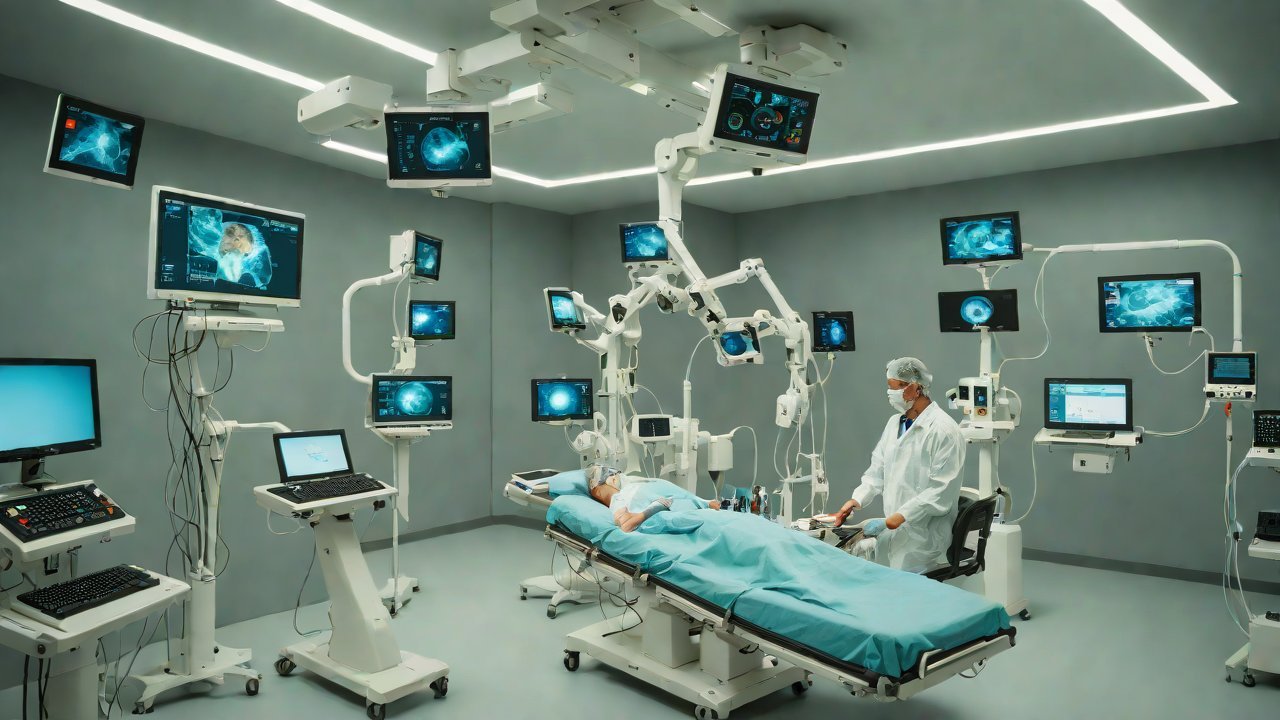
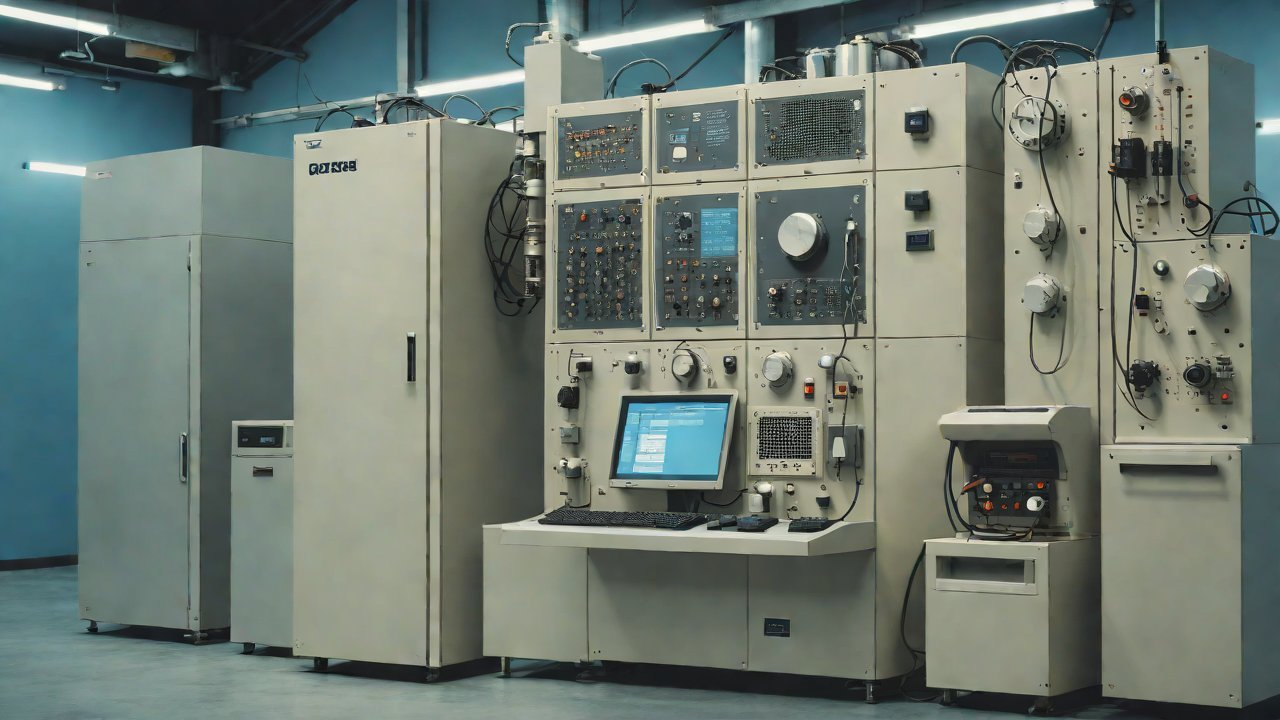
Neuromorphic chips are the latest innovation in the field of artificial intelligence, designed to mimic the human brain’s ability to learn and adapt. These chips have the potential to revolutionize the way industrial gateways operate, enabling them to generate more intuitive and user-friendly warnings. In this report, we will delve into the world of neuromorphic chips and explore their potential impact on industrial gateways.
1. The Rise of Neuromorphic Chips
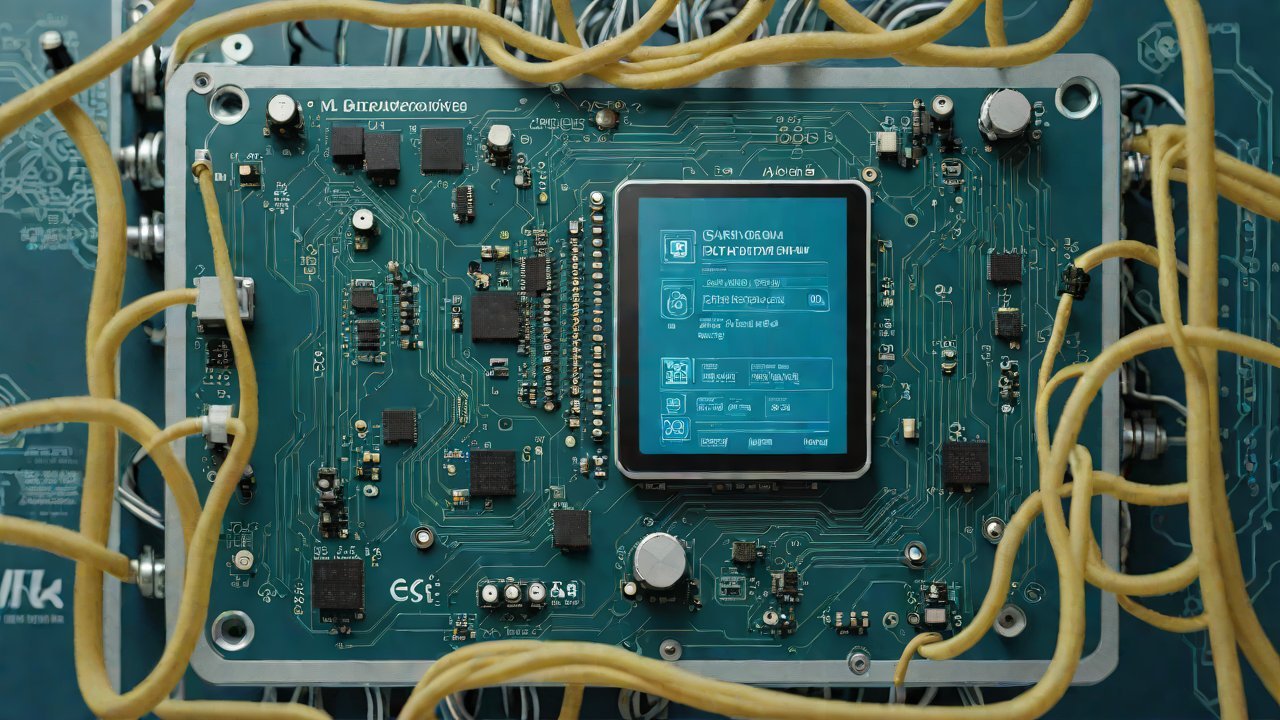
Neuromorphic chips are designed to process information in a manner similar to the human brain. They are capable of learning and adapting to new situations, making them ideal for applications where rapid decision-making is required. These chips are based on the principles of neuroscience and have been inspired by the human brain’s ability to process information in parallel. As a result, they are capable of processing vast amounts of data in real-time, making them perfect for applications where speed and accuracy are crucial.
| Year | Neuromorphic Chip Development | Industrial Gateway Adoption |
|---|---|---|
| 2010 | Initial research and development | Limited adoption due to cost and complexity |
| 2015 | First commercial neuromorphic chips released | Increased adoption as cost decreased and capabilities improved |
| 2020 | Widespread adoption in various industries | Industrial gateways begin to incorporate neuromorphic chips |
2. The Role of Industrial Gateways
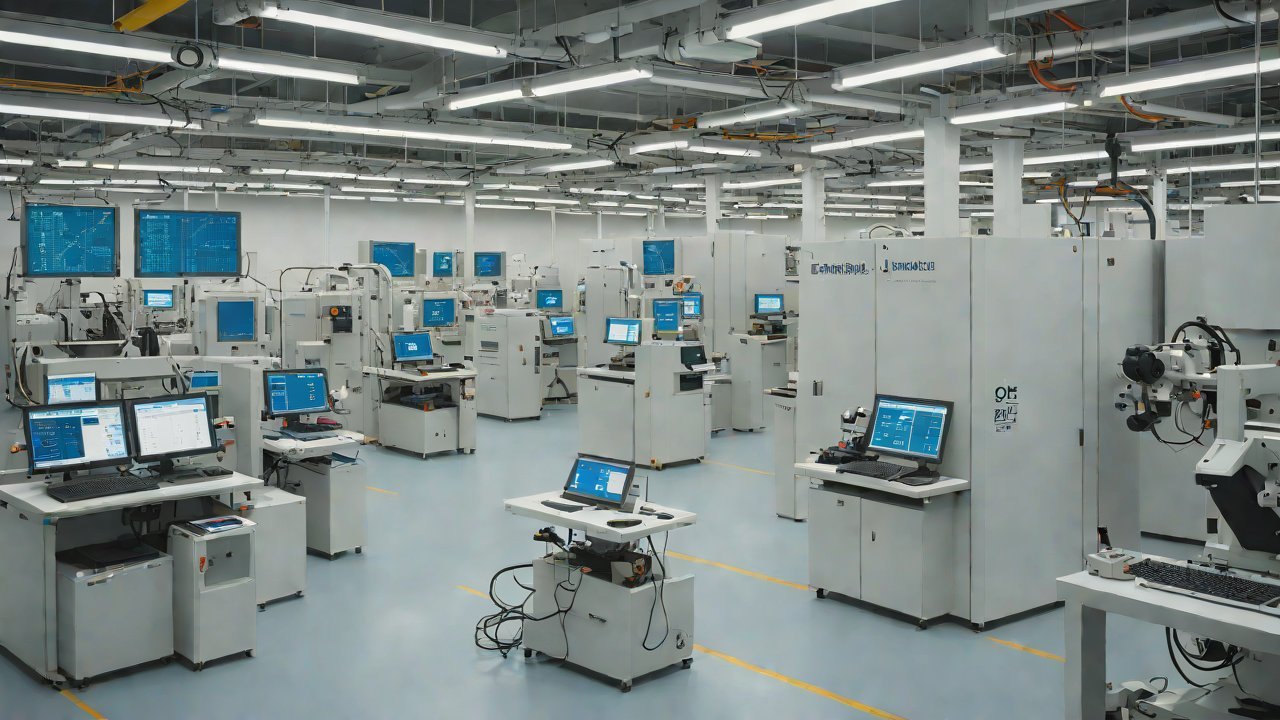
Industrial gateways are critical components of industrial control systems, responsible for collecting and processing data from various sensors and devices. They play a vital role in ensuring the smooth operation of industrial processes, and any malfunction or incorrect warning can have severe consequences. Traditional industrial gateways rely on rule-based systems to generate warnings, which can be inflexible and prone to errors. In contrast, neuromorphic chips can enable industrial gateways to generate more intuitive and user-friendly warnings by learning from data and adapting to new situations.
3. The Benefits of Neuromorphic Chips in Industrial Gateways
The integration of neuromorphic chips in industrial gateways can bring numerous benefits, including:
- Improved warning accuracy: Neuromorphic chips can learn from data and adapt to new situations, reducing the likelihood of false warnings and improving overall accuracy.
- Increased flexibility: Neuromorphic chips can handle complex and dynamic systems, making them ideal for applications where traditional rule-based systems would struggle.
- Enhanced user experience: Neuromorphic chips can generate more intuitive and user-friendly warnings, reducing the workload of operators and improving overall efficiency.
4. Market Analysis
The market for neuromorphic chips in industrial gateways is expected to grow significantly in the coming years. According to a recent report by MarketsandMarkets, the neuromorphic chip market is expected to reach $1.3 billion by 2025, growing at a CAGR of 23.4%. The report also highlights the increasing adoption of neuromorphic chips in various industries, including manufacturing, energy, and transportation.
| Industry | Market Size (2020) | CAGR (2020-2025) |
|---|---|---|
| Manufacturing | $230 million | 25.6% |
| Energy | $150 million | 20.5% |
| Transportation | $100 million | 18.2% |

5. Technical Perspective
From a technical perspective, the integration of neuromorphic chips in industrial gateways requires careful consideration of several factors, including:
- Hardware requirements: Neuromorphic chips require specialized hardware to operate, including high-speed interconnects and dedicated memory.
- Software requirements: Neuromorphic chips require sophisticated software to operate, including algorithms for learning and adaptation.
- Integration requirements: Neuromorphic chips must be integrated with existing industrial gateways and control systems, requiring careful consideration of interfaces and protocols.
6. Conclusion
In conclusion, neuromorphic chips have the potential to revolutionize the way industrial gateways operate, enabling them to generate more intuitive and user-friendly warnings. With their ability to learn and adapt, neuromorphic chips can improve warning accuracy, increase flexibility, and enhance user experience. As the market for neuromorphic chips grows, it is expected that industrial gateways will increasingly adopt these innovative chips to stay ahead of the competition.
IOT Cloud Platform
IOT Cloud Platform is an IoT portal established by a Chinese IoT company, focusing on technical solutions in the fields of agricultural IoT, industrial IoT, medical IoT, security IoT, military IoT, meteorological IoT, consumer IoT, automotive IoT, commercial IoT, infrastructure IoT, smart warehousing and logistics, smart home, smart city, smart healthcare, smart lighting, etc.
The IoT Cloud Platform blog is a top IoT technology stack, providing technical knowledge on IoT, robotics, artificial intelligence (generative artificial intelligence AIGC), edge computing, AR/VR, cloud computing, quantum computing, blockchain, smart surveillance cameras, drones, RFID tags, gateways, GPS, 3D printing, 4D printing, autonomous driving, etc.