Will multinational seed giants bundle their products with free sensors?
The world of agriculture is on the cusp of a revolution, driven by the convergence of cutting-edge technology and the pressing need for sustainable food production. Multinational seed giants, long-established as dominant players in the industry, are now poised to take a significant leap forward with their product offerings. The question on everyone’s mind: will they bundle their products with free sensors? To answer this, we must delve into the complexities of the agricultural sector, the role of technology in modern farming, and the strategic implications for these multinational seed giants.
1. The Agricultural Landscape: A Need for Efficiency and Sustainability
The global population is projected to reach 9.7 billion by 2050, putting immense pressure on the world’s agricultural systems. To meet this demand sustainably, farmers are increasingly turning to technology for solutions. Precision agriculture, enabled by advancements in data analytics, satellite imaging, and sensor technologies, has emerged as a key strategy for enhancing crop yields while reducing waste and environmental impact.
The Role of Data-Driven Farming
Data-driven farming is no longer just a buzzword; it’s a reality on the ground. Farmers are now equipped with an array of tools that help them make informed decisions about planting, irrigation, fertilization, and pest control based on real-time data. This approach has been shown to increase crop yields by up to 25% while reducing water consumption by as much as 40%.
The Challenge of Adoption
Despite the clear benefits, the adoption rate for precision agriculture technologies remains low in many parts of the world. High upfront costs and lack of infrastructure are significant barriers. Moreover, there’s a need for user-friendly interfaces that can integrate with existing farming practices.
2. Multinational Seed Giants: Their Role and Evolution
Multinational seed giants have been at the forefront of agricultural innovation for decades, driving genetic improvements in crops through conventional breeding and biotechnology. Companies like Monsanto (now part of Bayer), Syngenta (owned by ChemChina), and DuPont Pioneer are household names in the industry.
Strategic Shifts
These companies are undergoing significant strategic shifts, transitioning from being primarily seed suppliers to becoming total agricultural solutions providers. They’re diversifying their portfolios with acquisitions in precision agriculture, digital farming, and crop protection chemicals.
3. The Sensor Revolution: A Game-Changer for Agriculture?
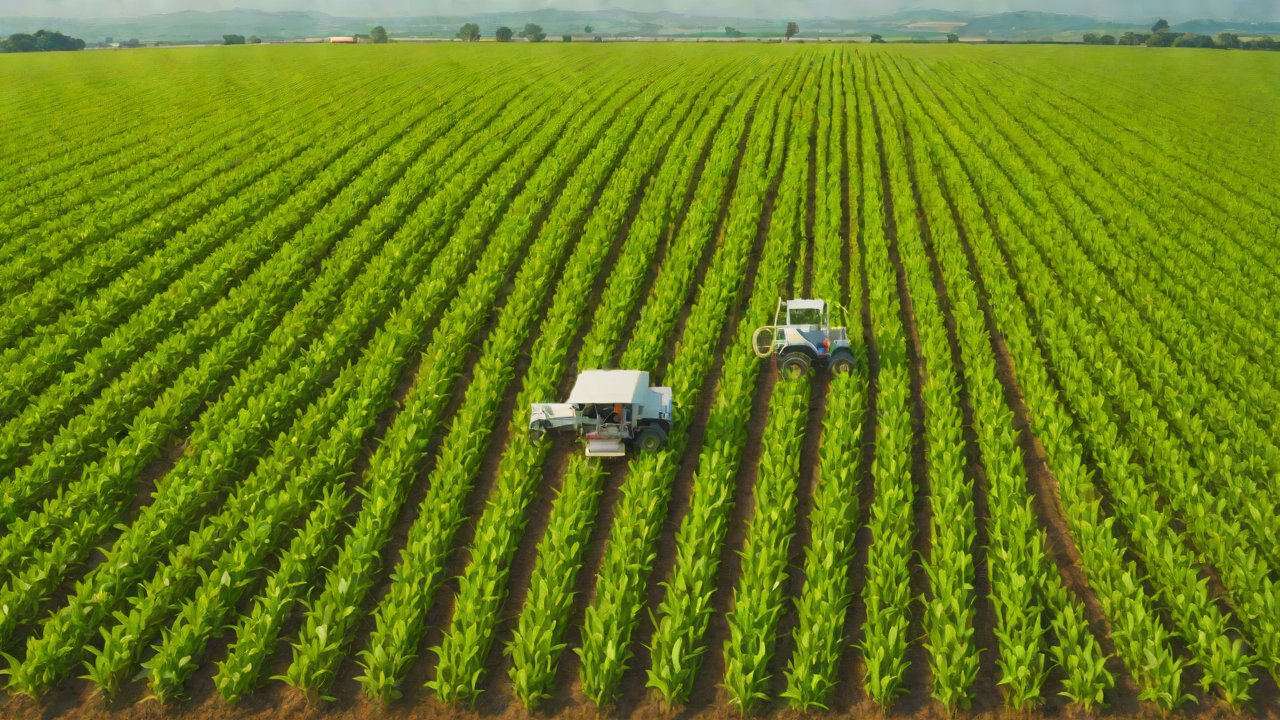
Sensors are revolutionizing agriculture by providing real-time data on soil moisture levels, temperature, humidity, and other critical factors that affect crop health and yield. These sensors can be integrated into various aspects of farming, from precision irrigation systems to drones equipped with multispectral cameras.
The Potential Impact
The integration of free sensors with seed products could significantly accelerate the adoption of precision agriculture practices among farmers. It would provide them with a comprehensive toolset for decision-making, potentially leading to increased crop yields and reduced environmental impact.
4. Market Trends and Challenges
The market for agricultural sensors is growing rapidly, driven by increasing demand from both large-scale commercial farms and smallholder farmers. However, there are challenges associated with the integration of these technologies into existing farming practices, including data privacy concerns, interoperability issues, and the need for education on how to effectively use this technology.
Market Data
| Year | Agricultural Sensor Market Size (USD Billion) |
|---|---|
| 2020 | 1.8 |
| 2025 | 6.3 |
| 2030 | 15.2 |

5. Multinational Seed Giants’ Strategic Considerations
The decision to bundle seed products with free sensors would be a strategic one, driven by considerations of market competition, customer needs, and long-term sustainability goals.
Competitive Advantage
By offering integrated solutions that include both high-quality seeds and sensor technology, multinational seed giants could establish a competitive advantage over smaller players. This holistic approach would not only enhance the value proposition to customers but also create new revenue streams through data analytics and precision agriculture services.
6. Conclusion and Future Outlook
The intersection of technology and agriculture is leading towards a future where farming becomes more sustainable, efficient, and productive. The decision by multinational seed giants to bundle their products with free sensors would be a significant step in this direction. While there are challenges associated with the adoption and implementation of these technologies, the potential benefits far outweigh them.
Future Outlook
As we move forward into 2025 and beyond, it’s clear that precision agriculture will continue to play an increasingly important role in global food production. The integration of sensors with seed products is not just a technological innovation but also a strategic imperative for multinational seed giants looking to lead the charge towards a more sustainable future.
Key Takeaways
- Increased Adoption: Bundling seeds with free sensors could accelerate the adoption of precision agriculture practices among farmers.
- Competitive Advantage: This integrated approach would establish a competitive advantage over smaller players in the market.
- New Revenue Streams: It would create new revenue streams through data analytics and precision agriculture services.
The agricultural sector is on the cusp of significant change, driven by technological innovation. The decision by multinational seed giants to bundle their products with free sensors could be a pivotal moment in this journey towards a more sustainable future for food production.
IOT Cloud Platform
IOT Cloud Platform is an IoT portal established by a Chinese IoT company, focusing on technical solutions in the fields of agricultural IoT, industrial IoT, medical IoT, security IoT, military IoT, meteorological IoT, consumer IoT, automotive IoT, commercial IoT, infrastructure IoT, smart warehousing and logistics, smart home, smart city, smart healthcare, smart lighting, etc.
The IoT Cloud Platform blog is a top IoT technology stack, providing technical knowledge on IoT, robotics, artificial intelligence (generative artificial intelligence AIGC), edge computing, AR/VR, cloud computing, quantum computing, blockchain, smart surveillance cameras, drones, RFID tags, gateways, GPS, 3D printing, 4D printing, autonomous driving, etc.