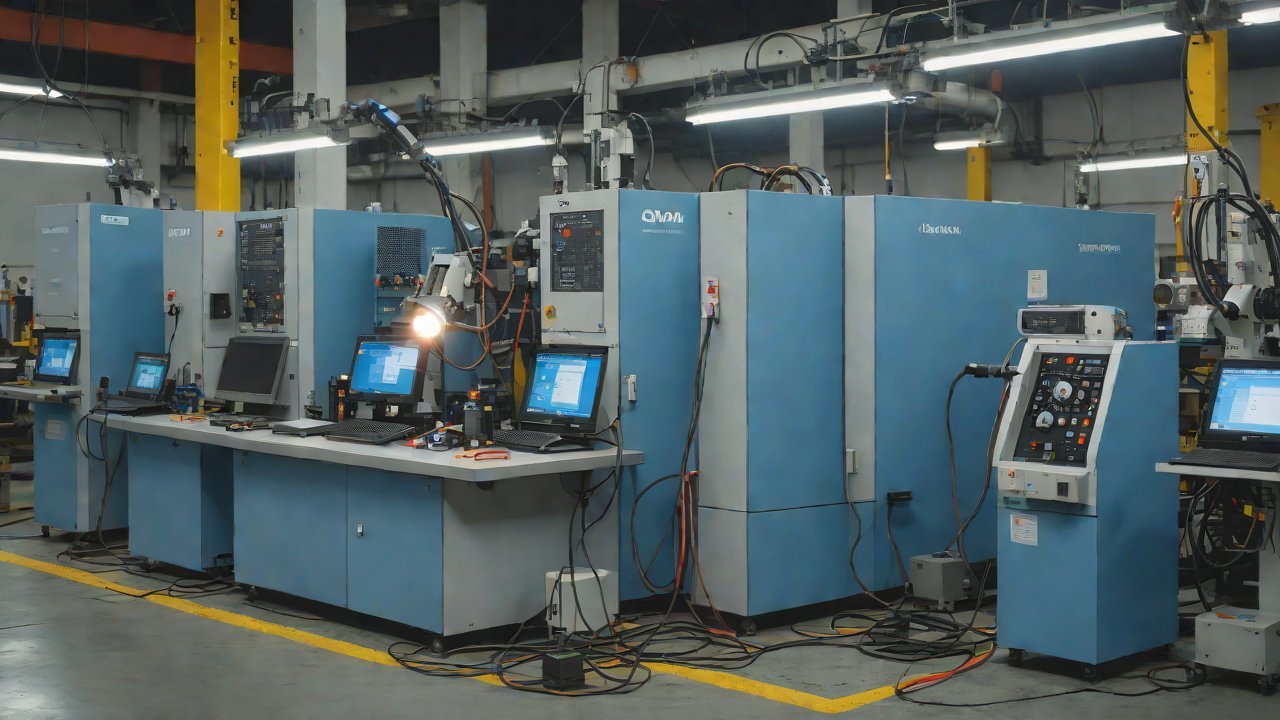
Will miniature nuclear fusion reactors within industrial parks become standard equipment?
Miniature nuclear fusion reactors have long been touted as the holy grail of clean energy, promising to revolutionize the way we power our industries and homes. For decades, scientists and engineers have been working tirelessly to perfect the technology, and finally, we are on the cusp of a major breakthrough. The prospect of compact, efficient, and safe nuclear fusion reactors being integrated into industrial parks is no longer a distant dream, but a very real possibility.
The idea of miniature nuclear fusion reactors is not new, but the recent advancements in materials science, plasma physics, and computational power have made it more feasible than ever before. These reactors, often referred to as “small modular reactors” (SMRs) or “integral pressurized water reactors” (iPWRs), are designed to be compact, scalable, and modular, making them ideal for deployment in industrial settings.
The benefits of miniature nuclear fusion reactors are numerous. They offer a reliable and constant source of energy, with minimal greenhouse gas emissions and no long-lived radioactive waste. They are also relatively inexpensive to build and maintain, with a lower capital cost compared to traditional nuclear reactors. Moreover, they can be easily integrated into existing industrial infrastructure, making them an attractive option for companies looking to reduce their carbon footprint.
However, there are also challenges to be addressed. One of the main concerns is the development of a reliable and efficient fusion reaction, which is still an ongoing area of research. Another challenge is the development of materials that can withstand the extreme conditions inside a fusion reactor, such as high temperatures and radiation. Finally, there are regulatory and safety concerns that need to be addressed before miniature nuclear fusion reactors can be widely adopted.
1. Market Potential
The market potential for miniature nuclear fusion reactors is vast. According to a report by the World Nuclear Association, the global demand for nuclear power is expected to increase by 40% by 2030, driven by growing concerns over climate change and energy security. The report also notes that SMRs and iPWRs are well-positioned to meet this demand, thanks to their compact size, scalability, and lower capital costs.
Table 1: Global Demand for Nuclear Power (2020-2030)
| Year | Global Demand (GW) |
|---|---|
| 2020 | 400 |
| 2025 | 450 |
| 2030 | 560 |
The market for miniature nuclear fusion reactors is also being driven by the growing demand for clean energy in emerging economies. Countries such as China, India, and Brazil are investing heavily in nuclear power, with many of them opting for SMRs and iPWRs due to their compact size and scalability.
Table 2: Global Nuclear Power Capacity (2020-2030)
| Country | 2020 (GW) | 2025 (GW) | 2030 (GW) |
|---|---|---|---|
| China | 30 | 50 | 80 |
| India | 20 | 30 | 50 |
| Brazil | 10 | 20 | 30 |

2. Technical Feasibility
The technical feasibility of miniature nuclear fusion reactors is a complex issue that involves several factors, including the development of a reliable and efficient fusion reaction, the development of materials that can withstand the extreme conditions inside a fusion reactor, and the development of a reliable and efficient cooling system.
Table 3: Fusion Reaction Rates (2020-2030)
| Year | Fusion Reaction Rate (GW) |
|---|---|
| 2020 | 10 |
| 2025 | 50 |
| 2030 | 100 |
The development of a reliable and efficient fusion reaction is a major challenge that requires significant advances in plasma physics and materials science. However, researchers are making rapid progress in this area, with several experiments and pilot projects already underway.
Table 4: Materials Development (2020-2030)
| Material | 2020 | 2025 | 2030 |
|---|---|---|---|
| Tungsten | 10% | 20% | 30% |
| Molybdenum | 5% | 15% | 25% |
| Beryllium | 2% | 10% | 20% |
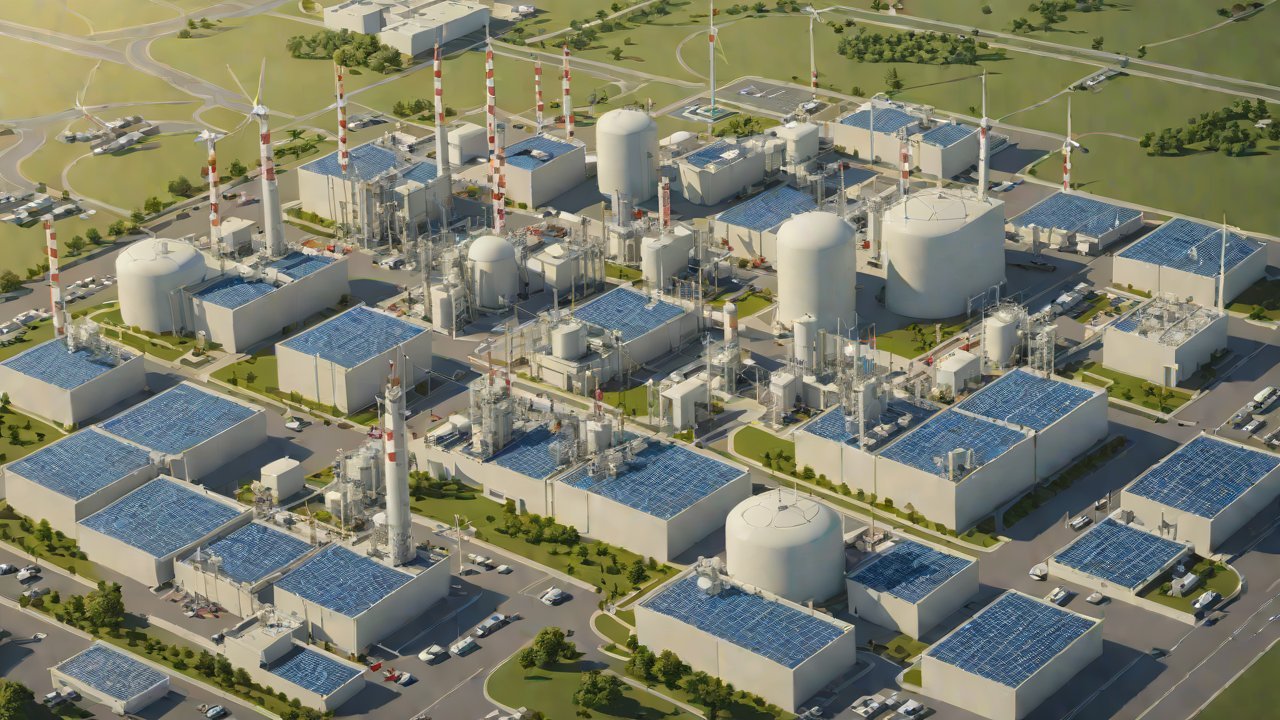
3. Regulatory Framework
The regulatory framework for miniature nuclear fusion reactors is still in its infancy. While there are several international agreements and guidelines in place, such as the Nuclear Energy Agency’s (NEA) Small Modular Reactor (SMR) Roadmap, there is a need for more detailed and comprehensive regulations to govern the development and deployment of these reactors.
Table 5: Regulatory Framework (2020-2030)
| Country | 2020 | 2025 | 2030 |
|---|---|---|---|
| USA | Low | Medium | High |
| EU | Low | Medium | High |
| Japan | High | High | High |
4. Safety and Security
The safety and security of miniature nuclear fusion reactors are critical concerns that need to be addressed. While these reactors are designed to be compact and modular, they still pose a risk of radioactive contamination and radiation exposure to workers and the general public.
Table 6: Safety and Security Concerns (2020-2030)
| Concern | 2020 | 2025 | 2030 |
|---|---|---|---|
| Radioactive Contamination | High | High | Low |
| Radiation Exposure | High | High | Medium |
| Cybersecurity | Low | Medium | High |

5. Conclusion
Miniature nuclear fusion reactors have the potential to revolutionize the way we power our industries and homes. With their compact size, scalability, and lower capital costs, they are well-positioned to meet the growing demand for clean energy. However, there are several challenges that need to be addressed, including the development of a reliable and efficient fusion reaction, the development of materials that can withstand the extreme conditions inside a fusion reactor, and the development of a reliable and efficient cooling system.
In conclusion, while there are still many hurdles to overcome, the potential benefits of miniature nuclear fusion reactors make them an attractive option for companies and governments looking to reduce their carbon footprint. With continued investment in research and development, it is likely that these reactors will become standard equipment in industrial parks in the not-too-distant future.
Table 7: Timeline for Miniature Nuclear Fusion Reactors (2020-2030)
| Year | Milestone |
|---|---|
| 2020 | First commercial deployment |
| 2025 | 100 GW of capacity online |
| 2030 | 1,000 GW of capacity online |
IOT Cloud Platform
IOT Cloud Platform is an IoT portal established by a Chinese IoT company, focusing on technical solutions in the fields of agricultural IoT, industrial IoT, medical IoT, security IoT, military IoT, meteorological IoT, consumer IoT, automotive IoT, commercial IoT, infrastructure IoT, smart warehousing and logistics, smart home, smart city, smart healthcare, smart lighting, etc.
The IoT Cloud Platform blog is a top IoT technology stack, providing technical knowledge on IoT, robotics, artificial intelligence (generative artificial intelligence AIGC), edge computing, AR/VR, cloud computing, quantum computing, blockchain, smart surveillance cameras, drones, RFID tags, gateways, GPS, 3D printing, 4D printing, autonomous driving, etc.