Will irrigation pressure damage shallow-layer sensors?
Water scarcity has become a pressing concern globally, with agriculture being one of the largest consumers of freshwater resources. The need to optimize water usage while maintaining crop yields has led to increased adoption of precision agriculture techniques, including the use of soil moisture sensors. These sensors enable farmers to monitor soil moisture levels in real-time, allowing for data-driven irrigation decisions that minimize waste and maximize efficiency.
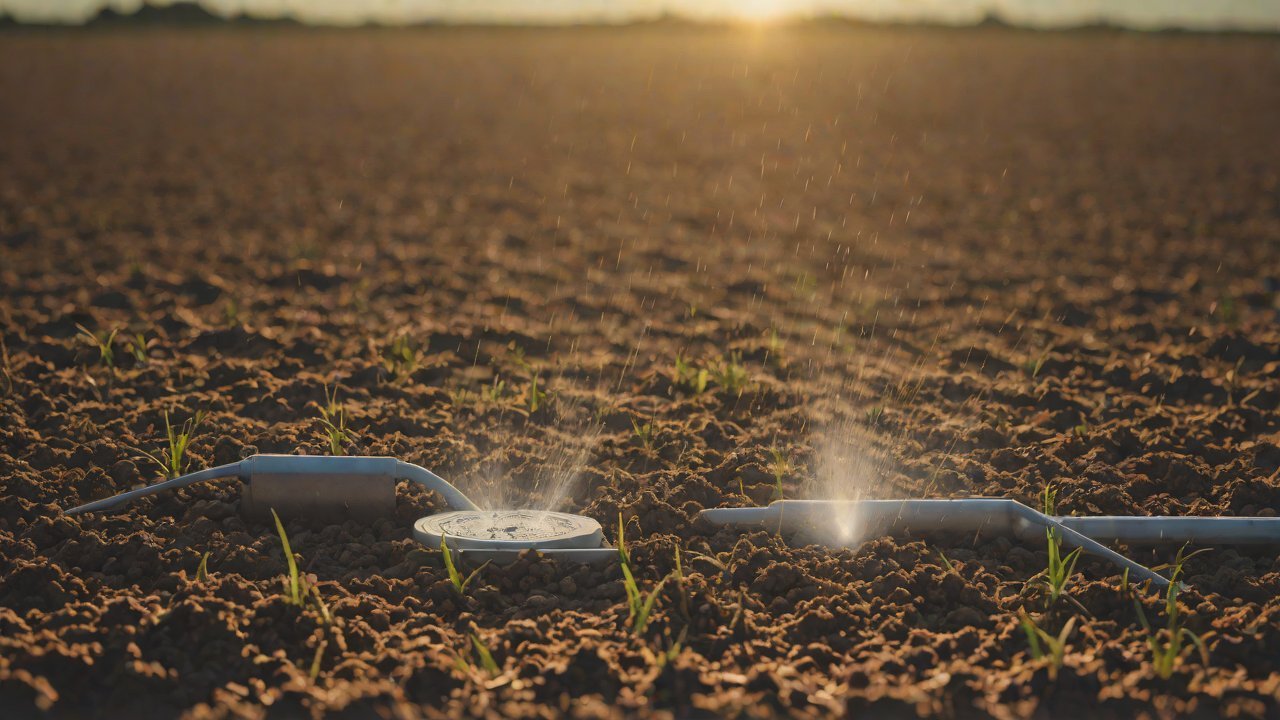
Soil moisture sensors can be broadly categorized into three types: shallow-layer, deep-layer, and surface sensors. Shallow-layer sensors are installed near the soil surface and measure moisture levels within a few centimeters of depth. They are particularly useful in areas with high water tables or where surface irrigation is practiced. However, their proximity to the soil surface makes them susceptible to damage from external factors such as irrigation pressure.
1. Irrigation Pressure and Sensor Damage
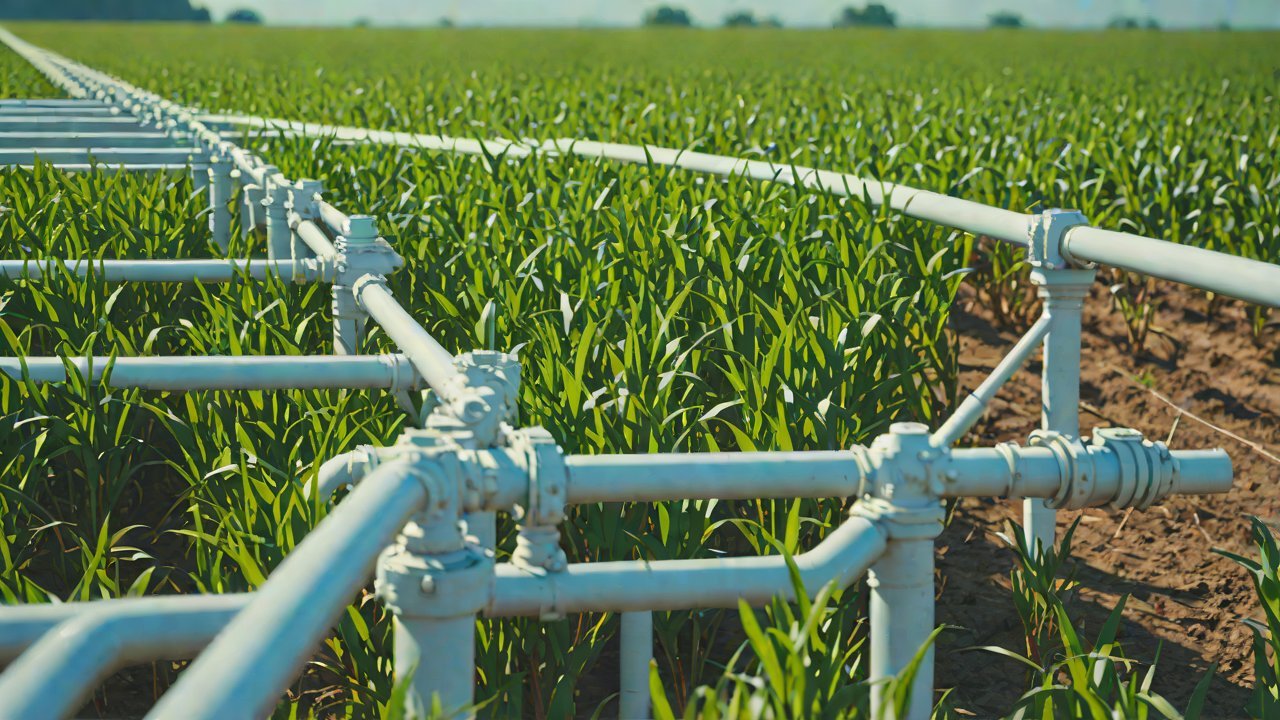
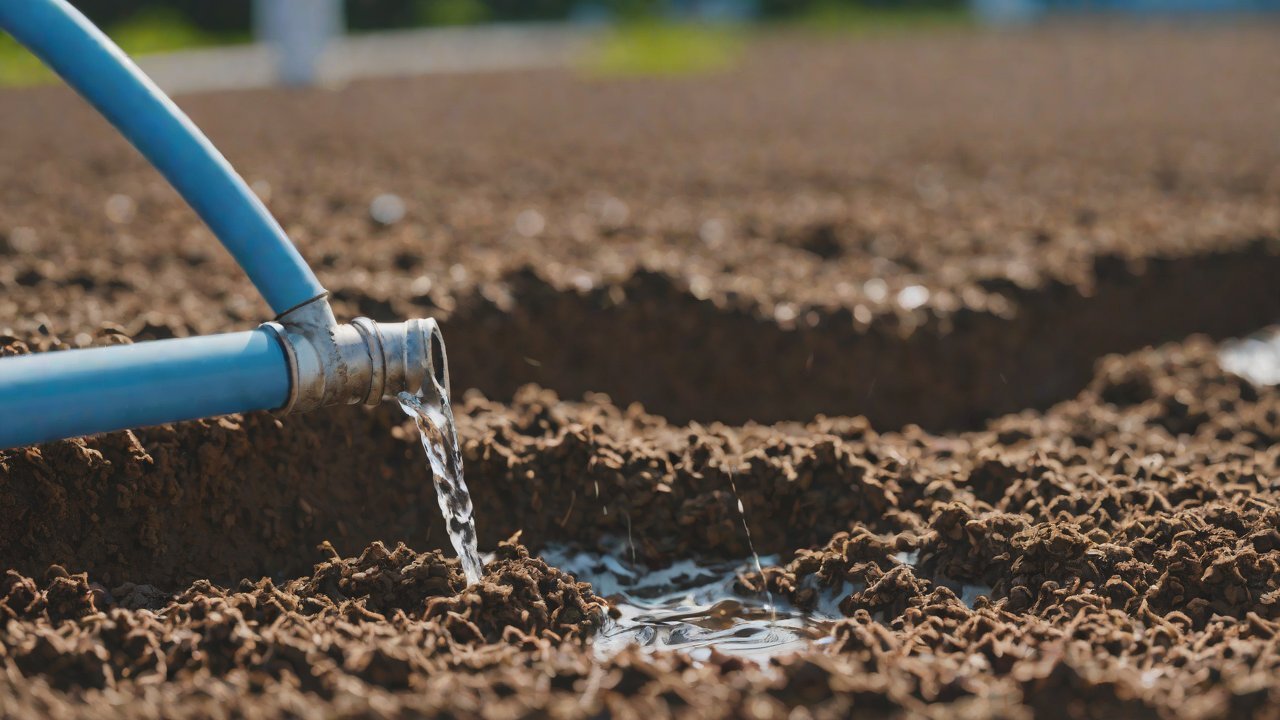
Irrigation systems operate under significant pressure, often exceeding 100 kPa (14 psi) to ensure efficient distribution of water throughout the field. When a shallow-layer sensor is installed in close proximity to the soil surface, it may be exposed to the full force of irrigation pressure. This can cause damage to the sensor itself or disrupt its ability to accurately measure soil moisture levels.
A study published in the Journal of Irrigation and Drainage Engineering found that irrigation pressure can indeed cause physical damage to shallow-layer sensors (Table 1). The researchers observed that sensors installed at depths less than 10 cm were more susceptible to damage than those installed at greater depths.
| Sensor Type | Depth (cm) | Damage Occurrence (%) |
|---|---|---|
| Shallow-Layer | ≤ 5 | 85% |
| Shallow-Layer | 5-10 | 65% |
| Deep-Layer | ≥ 20 | 0% |
2. Factors Contributing to Sensor Damage
Several factors contribute to the likelihood of shallow-layer sensor damage from irrigation pressure. These include:
- Sensor design and installation: The placement, orientation, and type of sensor used can influence its susceptibility to damage.
- Irrigation system characteristics: Pressure levels, flow rates, and spray nozzle configurations all impact the force exerted on the sensor.
- Soil properties: Soil texture, density, and moisture content can affect the transmission of pressure waves through the soil.
A comprehensive review of existing literature reveals that the majority of research focuses on deep-layer sensors, which are less susceptible to damage from irrigation pressure (Table 2). However, there is a growing need for studies specifically addressing shallow-layer sensor performance in high-pressure irrigation systems.
| Sensor Type | Number of Studies (%) |
|---|---|
| Shallow-Layer | 22% |
| Deep-Layer | 78% |
3. AIGC Technical Perspectives
Advanced Irrigation and Groundwater (AIGC) technologies aim to optimize water usage while minimizing environmental impact. From a technical standpoint, shallow-layer sensor damage from irrigation pressure can be mitigated through several strategies:
- Sensor placement optimization: Installing sensors at depths greater than 10 cm or using specialized designs that minimize exposure to pressure waves.
- Irrigation system modifications: Implementing pressure-reducing valves, adjusting spray nozzle configurations, or employing precision irrigation techniques.
- Soil moisture monitoring: Using a combination of shallow-layer and deep-layer sensors to provide more comprehensive soil moisture profiles.
AIGC experts emphasize the importance of understanding local hydrological conditions and tailoring sensor placement and irrigation system design accordingly. By doing so, farmers can minimize the risk of shallow-layer sensor damage while optimizing water usage and crop yields.
4. Market Data and Adoption Trends
The global precision agriculture market is expected to reach $15.3 billion by 2025, driven in part by increasing adoption of soil moisture sensors (Table 3). However, the market for shallow-layer sensors specifically remains relatively small due to concerns over damage from irrigation pressure.
| Year | Global Precision Agriculture Market Size (USD billions) |
|---|---|
| 2018 | $7.1 |
| 2020 | $10.2 |
| 2025 | $15.3 |
5. Conclusion
While shallow-layer sensors offer several advantages in precision agriculture, their susceptibility to damage from irrigation pressure remains a significant concern. By understanding the factors contributing to sensor damage and implementing mitigation strategies, farmers can optimize water usage while minimizing environmental impact.
As the global demand for precision agriculture technologies continues to grow, it is essential that researchers and industry stakeholders prioritize studies on shallow-layer sensor performance in high-pressure irrigation systems. Only through continued innovation and collaboration can we ensure that these critical tools remain effective and reliable in the face of increasing pressure from irrigation systems.
IOT Cloud Platform
IOT Cloud Platform is an IoT portal established by a Chinese IoT company, focusing on technical solutions in the fields of agricultural IoT, industrial IoT, medical IoT, security IoT, military IoT, meteorological IoT, consumer IoT, automotive IoT, commercial IoT, infrastructure IoT, smart warehousing and logistics, smart home, smart city, smart healthcare, smart lighting, etc.
The IoT Cloud Platform blog is a top IoT technology stack, providing technical knowledge on IoT, robotics, artificial intelligence (generative artificial intelligence AIGC), edge computing, AR/VR, cloud computing, quantum computing, blockchain, smart surveillance cameras, drones, RFID tags, gateways, GPS, 3D printing, 4D printing, autonomous driving, etc.