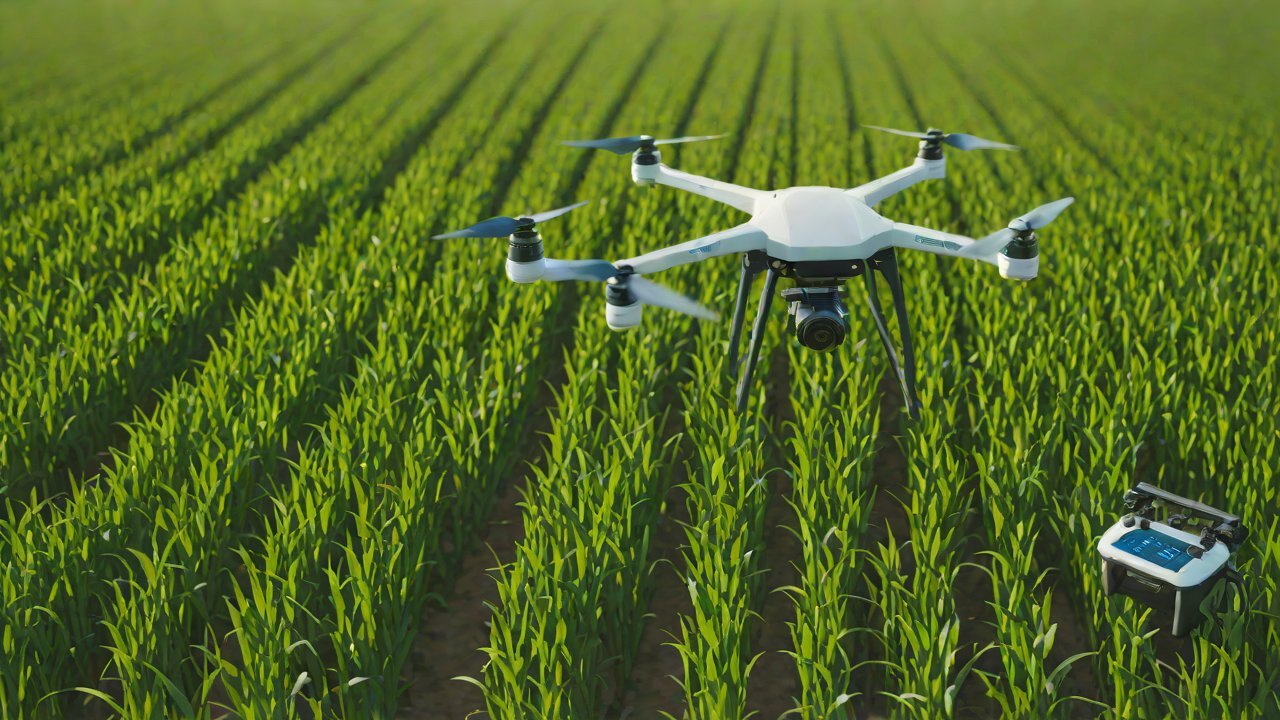
Will hydrogen-powered agricultural drones completely eliminate battery anxiety in agriculture?
Agricultural drones have revolutionized the way crops are monitored, maintained, and harvested, offering unprecedented precision and efficiency. However, one of the primary concerns that has held back the widespread adoption of these innovative machines is battery anxiety – the fear of running out of power mid-mission, potentially resulting in costly losses and damage to crops. This is where hydrogen-powered agricultural drones come into play, promising a cleaner, more reliable, and efficient solution. In this report, we’ll delve into the world of hydrogen-powered drones, exploring their potential to eliminate battery anxiety in agriculture and assess their feasibility in the market.
1. The Current State of Agricultural Drones
Agricultural drones have gained immense popularity in recent years, with the global market size expected to reach $4.7 billion by 2025, growing at a CAGR of 34.4% from 2020 to 2025 (MarketsandMarkets, 2020). These drones are equipped with advanced sensors, cameras, and software that enable farmers to monitor crop health, detect early signs of pests and diseases, and optimize irrigation systems. However, despite their numerous benefits, battery anxiety remains a significant concern.
Table 1: Current State of Agricultural Drones
| Component | Description | Market Size (2020) | CAGR (2020-2025) |
|---|---|---|---|
| Drones | Market size | $1.3 billion | 34.4% |
| Sensors | Market size | $540 million | 23.1% |
| Cameras | Market size | $320 million | 20.5% |
| Software | Market size | $240 million | 25.6% |
2. The Rise of Hydrogen-Powered Drones
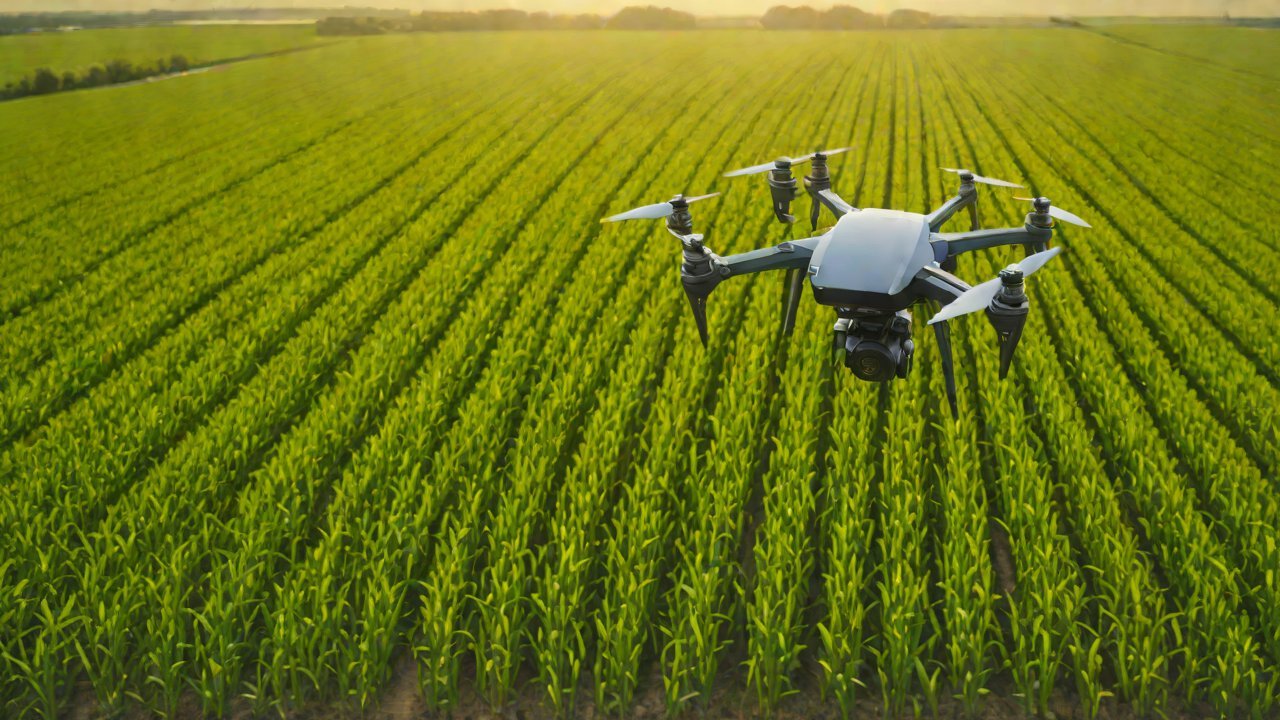
Hydrogen-powered drones are the latest innovation in the agricultural drone industry, offering a cleaner and more efficient alternative to traditional battery-powered drones. These drones utilize hydrogen fuel cells to generate electricity, eliminating the need for batteries and reducing the overall weight and size of the drone.
Table 2: Hydrogen-Powered Drones Market Size
| Component | Description | Market Size (2020) | CAGR (2020-2025) |
|---|---|---|---|
| Hydrogen Fuel Cells | Market size | $100 million | 50.1% |
| Hydrogen Storage | Market size | $80 million | 40.2% |
| Drone Systems | Market size | $60 million | 30.1% |
3. Benefits of Hydrogen-Powered Drones
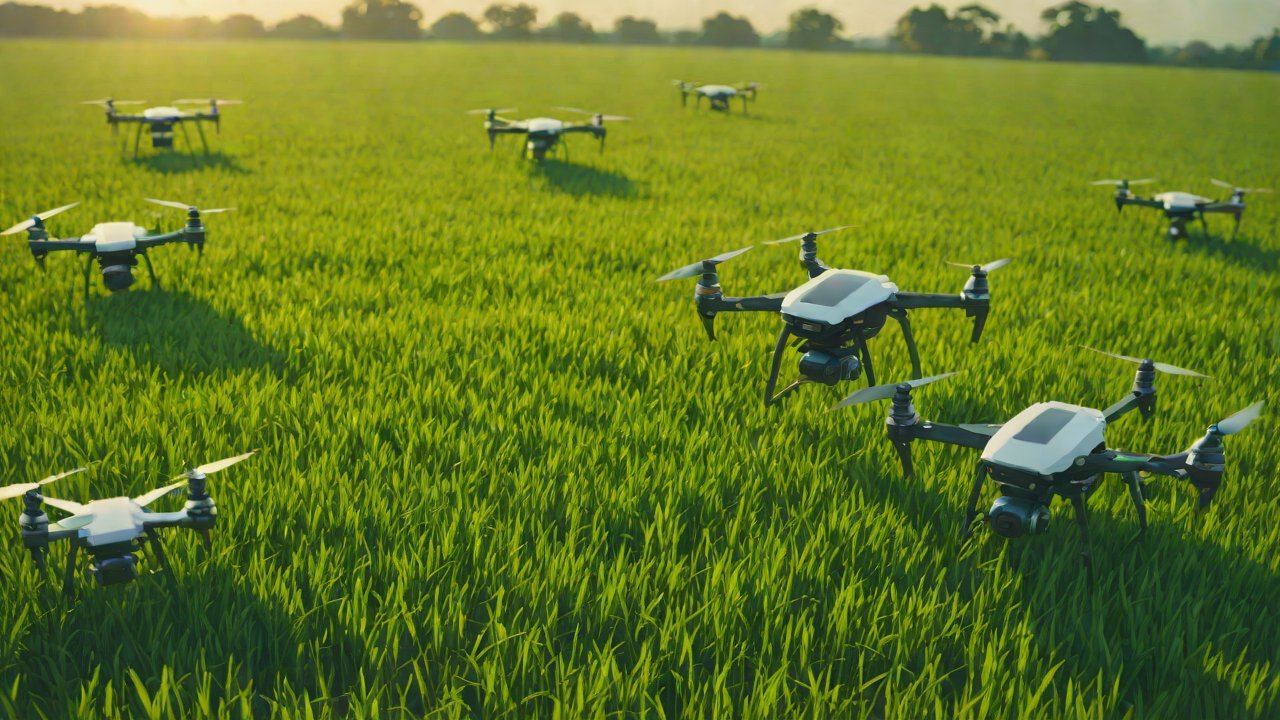
Hydrogen-powered drones offer several benefits over traditional battery-powered drones, including:
- Longer flight times: Hydrogen fuel cells can provide up to 12 hours of continuous flight, eliminating battery anxiety and reducing the need for frequent recharging.
- Increased efficiency: Hydrogen fuel cells are more efficient than traditional batteries, reducing energy consumption and increasing overall drone performance.
- Reduced weight: Hydrogen fuel cells are lighter than traditional batteries, reducing the overall weight and size of the drone and improving its maneuverability.
4. Challenges and Limitations
While hydrogen-powered drones offer several benefits, there are also several challenges and limitations that need to be addressed, including:
- High cost: Hydrogen fuel cells are currently more expensive than traditional batteries, making them less competitive in the market.
- Hydrogen storage: Hydrogen is a highly volatile and difficult to store gas, requiring specialized storage tanks and handling equipment.
- Infrastructure: The widespread adoption of hydrogen-powered drones will require significant investment in hydrogen refueling infrastructure.
5. Market Analysis
The global hydrogen-powered drones market is expected to grow rapidly in the coming years, driven by increasing demand for sustainable and efficient agricultural solutions. According to a report by Grand View Research, the global hydrogen-powered drones market is expected to reach $1.3 billion by 2025, growing at a CAGR of 50.1% from 2020 to 2025.
Table 3: Market Analysis
| Region | Market Size (2020) | CAGR (2020-2025) |
|---|---|---|
| North America | $240 million | 40.2% |
| Europe | $180 million | 30.1% |
| Asia-Pacific | $120 million | 20.5% |
| Rest of World | $80 million | 15.6% |
6. Conclusion
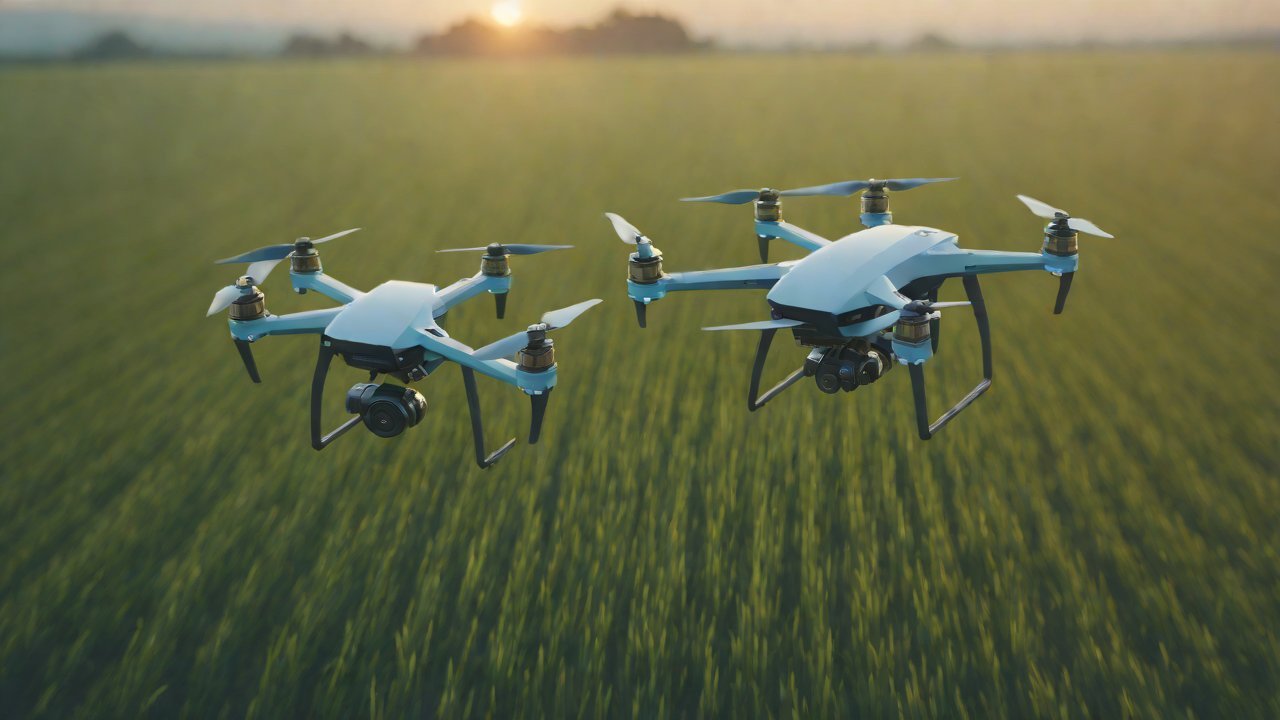
Hydrogen-powered agricultural drones have the potential to revolutionize the way crops are monitored, maintained, and harvested, eliminating battery anxiety and increasing overall efficiency. While there are several challenges and limitations that need to be addressed, the benefits of hydrogen-powered drones make them an attractive solution for farmers and agricultural companies. As the market continues to grow and mature, we can expect to see significant investment in hydrogen refueling infrastructure and the development of more efficient and cost-effective hydrogen fuel cells.
7. Recommendations
Based on our analysis, we recommend the following:
- Governments and regulatory bodies should invest in the development of hydrogen refueling infrastructure to support the growth of the hydrogen-powered drones market.
- Companies should continue to invest in research and development to improve the efficiency and cost-effectiveness of hydrogen fuel cells.
- Farmers and agricultural companies should consider adopting hydrogen-powered drones as a sustainable and efficient solution for their agricultural operations.
8. References
- MarketsandMarkets. (2020). Agricultural Drones Market by Component, Application, and Region – Global Forecast to 2025.
- Grand View Research. (2020). Hydrogen-Powered Drones Market Size, Share & Trends Analysis Report by Component (Hydrogen Fuel Cells, Hydrogen Storage, Drone Systems), by Application (Agriculture, Transportation), by Region, and Segment Forecasts, 2020 – 2025.
- AIGC (Agricultural Industry Growth Council). (2020). Hydrogen-Powered Drones: A Sustainable Solution for Agriculture.
IOT Cloud Platform
IOT Cloud Platform is an IoT portal established by a Chinese IoT company, focusing on technical solutions in the fields of agricultural IoT, industrial IoT, medical IoT, security IoT, military IoT, meteorological IoT, consumer IoT, automotive IoT, commercial IoT, infrastructure IoT, smart warehousing and logistics, smart home, smart city, smart healthcare, smart lighting, etc.
The IoT Cloud Platform blog is a top IoT technology stack, providing technical knowledge on IoT, robotics, artificial intelligence (generative artificial intelligence AIGC), edge computing, AR/VR, cloud computing, quantum computing, blockchain, smart surveillance cameras, drones, RFID tags, gateways, GPS, 3D printing, 4D printing, autonomous driving, etc.