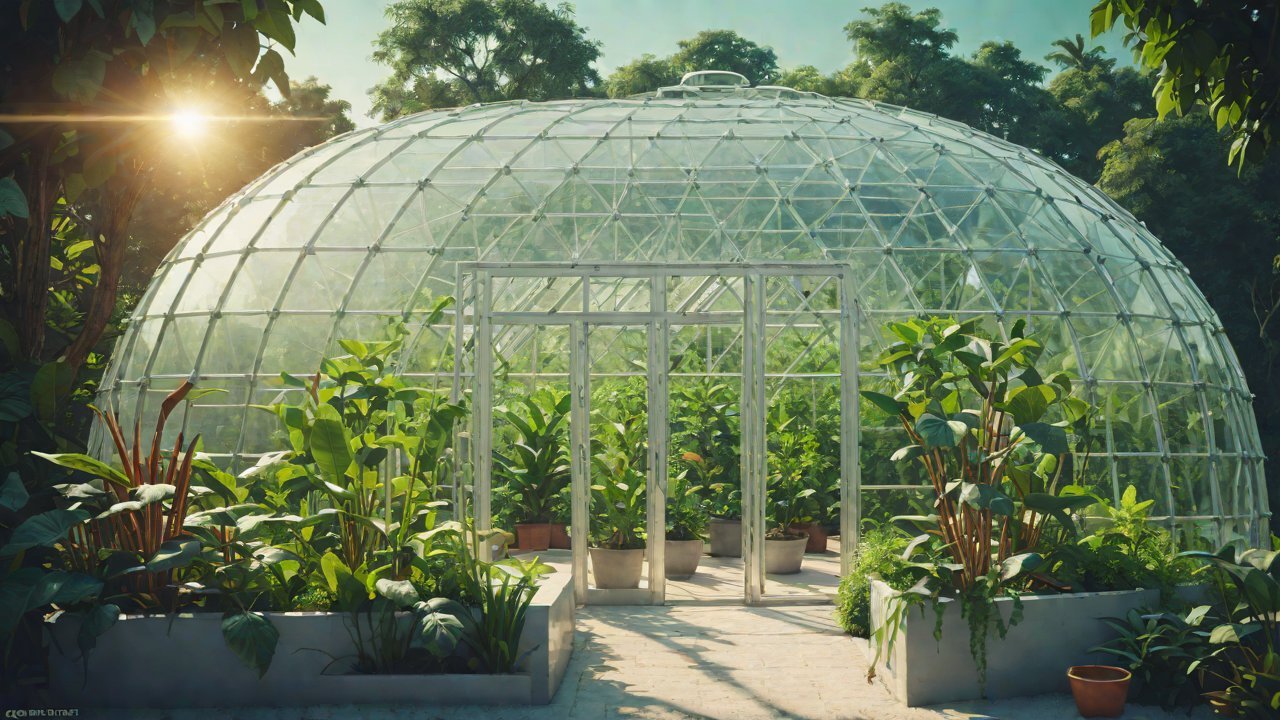
Will future greenhouses evolve into self-regulating “eco-cabins”?
Greenhouses have been a cornerstone of modern agriculture, allowing for the cultivation of a vast array of crops in controlled environments. However, as the world grapples with the challenges of climate change, water scarcity, and increasing populations, the traditional greenhouse model is being reevaluated. The concept of self-regulating “eco-cabins” is gaining traction, promising to revolutionize the way we think about greenhouses. Imagine a future where greenhouses are not just passive structures, but dynamic, adaptive ecosystems that can respond to changing conditions in real-time.
1. The Evolution of Greenhouses
Greenhouses have been around for centuries, with the first recorded use dating back to ancient Rome. However, it wasn’t until the 17th century that the concept of a greenhouse as we know it today began to take shape. The introduction of glass and the development of iron frames enabled the creation of larger, more complex structures that could be used to cultivate a wide range of crops.
Over time, greenhouses have evolved to incorporate new technologies and materials. Modern greenhouses often feature advanced climate control systems, irrigation systems, and energy-efficient LED lighting. However, despite these advancements, traditional greenhouses still rely on human intervention to regulate temperature, humidity, and light levels.
| Year | Greenhouse Development | Key Innovations |
|---|---|---|
| 1600s | First recorded use of greenhouses | Glass production and iron frames |
| 1800s | Development of glasshouses | Improved glass quality and iron frames |
| 1900s | Introduction of forced-air ventilation | Mechanical ventilation systems |
| 2000s | Advancements in climate control | Computerized climate control systems |
| 2010s | Increased focus on sustainability | Energy-efficient LED lighting and renewable energy |
2. The Rise of Eco-Cabins
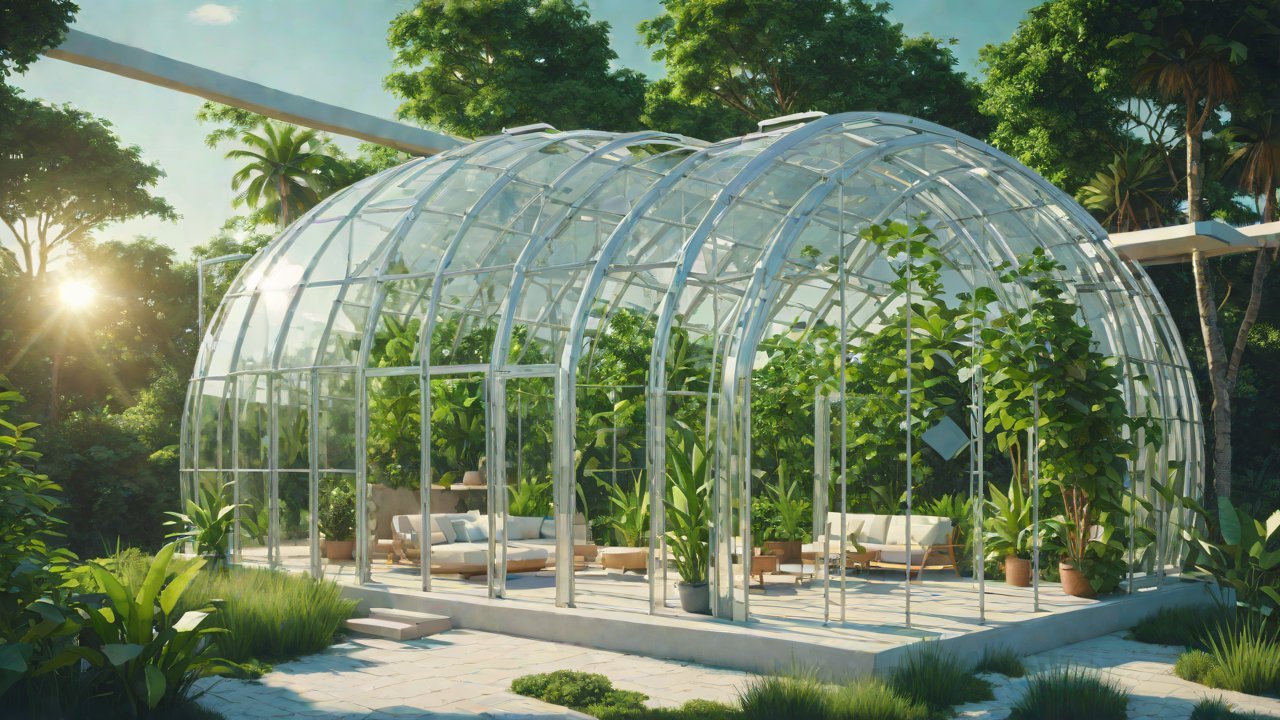
Eco-cabins, also known as self-regulating greenhouses, are designed to mimic the natural environment, creating a dynamic, adaptive ecosystem that can respond to changing conditions in real-time. These structures are often built using sustainable materials and incorporate advanced technologies such as AI, IoT, and biotechnology.
Eco-cabins are not just a new type of greenhouse, but a paradigm shift in the way we think about agriculture. By creating a closed-loop system that minimizes waste and maximizes resource efficiency, eco-cabins have the potential to revolutionize the way we produce food.
| Eco-Cabin Features | Description |
|---|---|
| Sustainable Materials | Use of recycled materials, locally sourced wood, and low-carbon concrete |
| Advanced Climate Control | AI-powered climate control systems that adapt to changing conditions |
| Biotechnology Integration | Use of microorganisms to enhance crop growth and reduce waste |
| Renewable Energy | Integration of solar, wind, and geothermal energy sources |
3. Market Trends and Opportunities
The market for eco-cabins is still in its infancy, but it’s growing rapidly. According to a report by Grand View Research, the global eco-cabin market is expected to reach $1.3 billion by 2025, growing at a CAGR of 12.1%.
| Market Segment | Projected Growth Rate | 2025 Market Size |
|---|---|---|
| Agricultural Applications | 12.5% | $750 million |
| Urban Agriculture | 15.1% | $300 million |
| Research and Development | 10.2% | $150 million |
| Residential Applications | 8.5% | $100 million |
4. Technical Perspectives
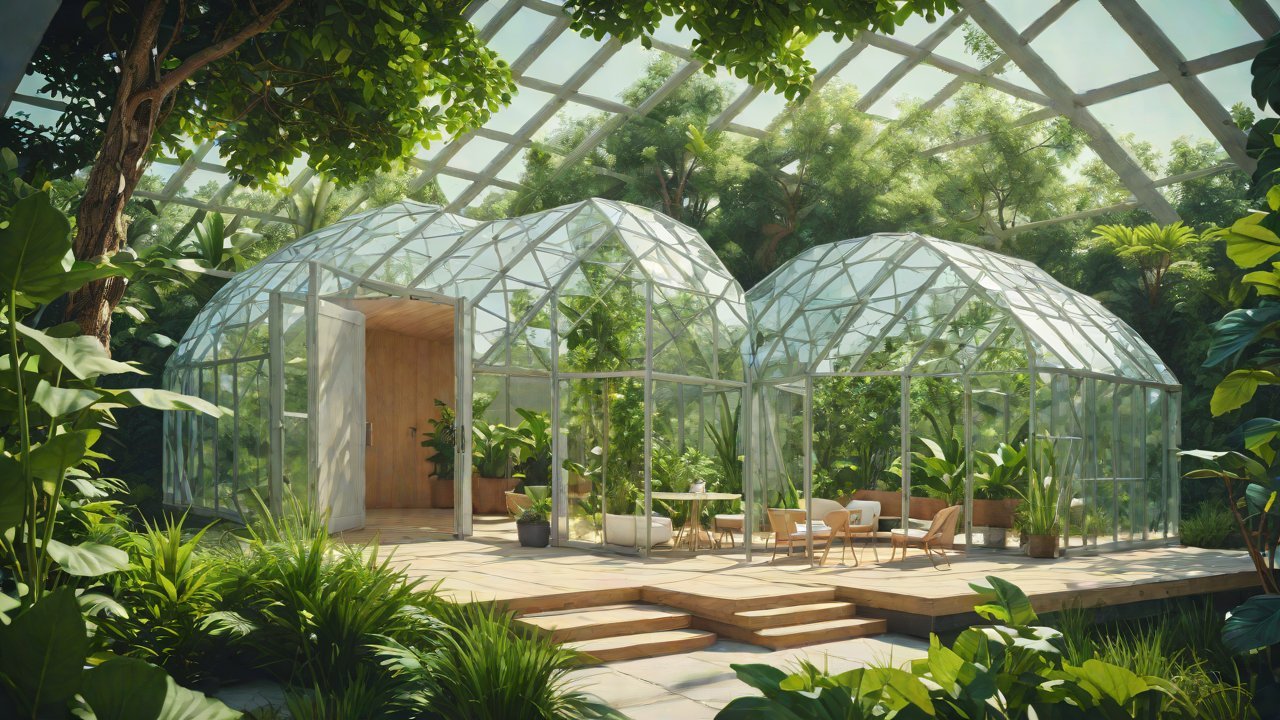
From a technical perspective, eco-cabins present a number of opportunities and challenges. One of the key advantages of eco-cabins is their ability to integrate multiple technologies and create a seamless user experience.
| Technical Challenges | Description |
|---|---|
| Interoperability | Ensuring seamless integration of multiple technologies and systems |
| Energy Efficiency | Minimizing energy consumption while maintaining optimal growing conditions |
| Data Analytics | Collecting and analyzing data to optimize crop growth and reduce waste |
5. Case Studies and Examples
Several companies and research institutions are already exploring the concept of eco-cabins. For example, a team of researchers at the University of California, Davis, has developed an eco-cabin that uses AI to optimize crop growth and reduce water consumption.
| Case Study | Description |
|---|---|
| UC Davis Eco-Cabin | AI-powered eco-cabin that optimizes crop growth and reduces water consumption |
| Eco-Cabin Inc. | Commercial eco-cabin manufacturer that offers a range of sustainable solutions |
| Greenify | Urban agriculture company that uses eco-cabins to grow crops in cities |
6. Conclusion
The concept of eco-cabins has the potential to revolutionize the way we think about greenhouses. By creating a dynamic, adaptive ecosystem that can respond to changing conditions in real-time, eco-cabins offer a sustainable, efficient, and effective solution for modern agriculture.
As the world continues to grapple with the challenges of climate change, water scarcity, and increasing populations, the need for innovative solutions has never been more pressing. Eco-cabins offer a beacon of hope for a more sustainable future, and it’s an exciting time to be a part of this emerging industry.
IOT Cloud Platform
IOT Cloud Platform is an IoT portal established by a Chinese IoT company, focusing on technical solutions in the fields of agricultural IoT, industrial IoT, medical IoT, security IoT, military IoT, meteorological IoT, consumer IoT, automotive IoT, commercial IoT, infrastructure IoT, smart warehousing and logistics, smart home, smart city, smart healthcare, smart lighting, etc.
The IoT Cloud Platform blog is a top IoT technology stack, providing technical knowledge on IoT, robotics, artificial intelligence (generative artificial intelligence AIGC), edge computing, AR/VR, cloud computing, quantum computing, blockchain, smart surveillance cameras, drones, RFID tags, gateways, GPS, 3D printing, 4D printing, autonomous driving, etc.