Will future farms establish dedicated harmless recycling stations for IoT devices?
As we venture into a world where technology is increasingly intertwined with our daily lives, the proliferation of Internet of Things (IoT) devices has become an undeniable reality. These devices, ranging from smart home appliances to industrial sensors, have revolutionized the way we live and work. However, this exponential growth in IoT adoption has also raised concerns about electronic waste management. The sheer volume of discarded devices poses a significant challenge for the environment, with many ending up in landfills or incinerators.
The average lifespan of an IoT device is approximately 2-3 years, after which it becomes obsolete and is typically disposed of. This rapid obsolescence, coupled with the increasing number of devices being connected to the internet, has resulted in a staggering amount of electronic waste (e-waste). The United Nations estimates that global e-waste generation will reach 74 million metric tons by 2030, with only 20% being recycled.
In this context, there is an urgent need for innovative solutions to manage e-waste generated from IoT devices. One potential approach is the establishment of dedicated harmless recycling stations on farms. This concept may seem unusual at first, but it has several advantages that make it worth exploring.
1. The Rise of Farm-Based Recycling Stations
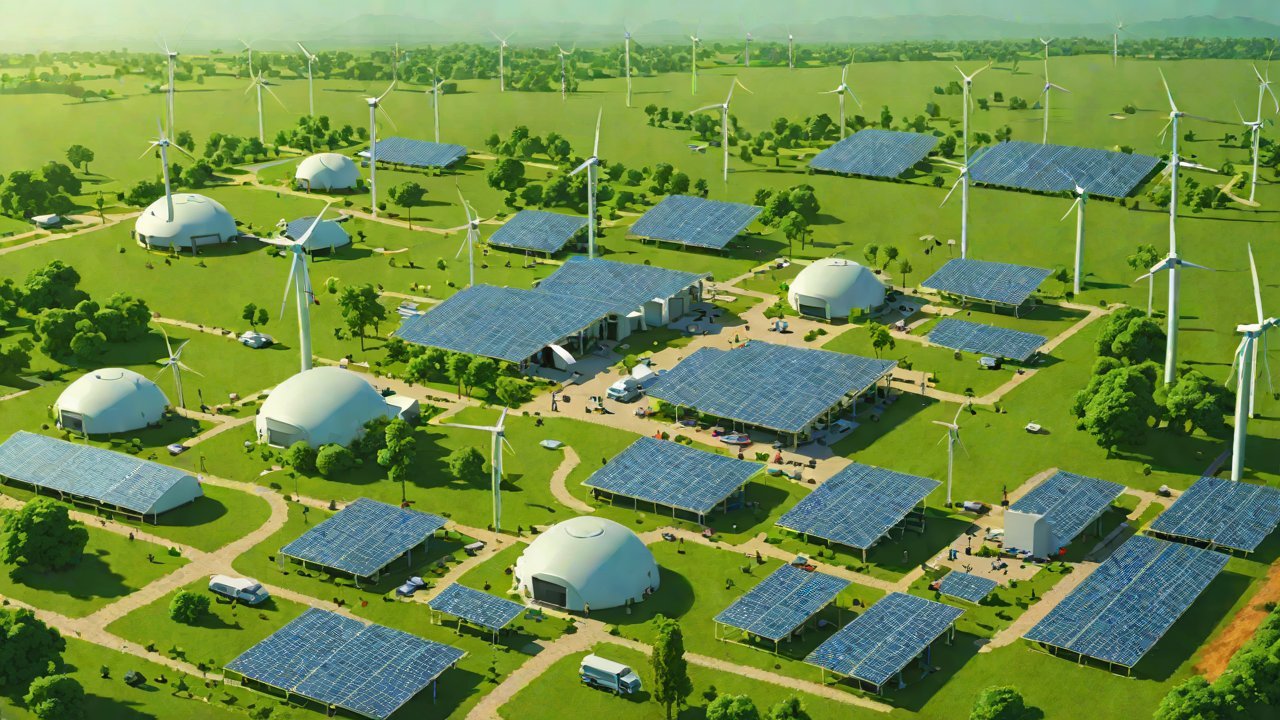
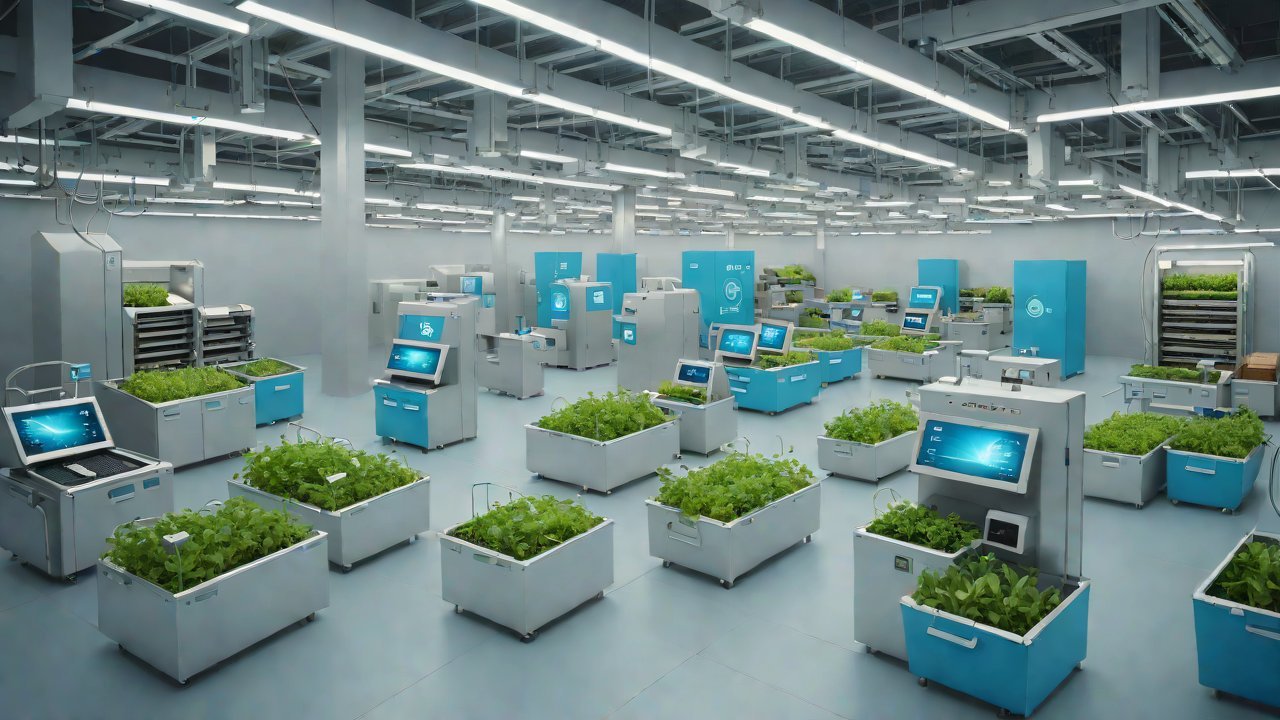
Farm-based recycling stations could provide a unique opportunity for farmers to monetize their land and generate additional revenue streams while reducing e-waste in the environment. These facilities would be designed specifically for the collection, processing, and recycling of IoT devices, leveraging the expertise and resources available on farms.
The idea of farm-based recycling stations is not new; however, its application to IoT device waste management has yet to gain significant traction. By repurposing existing infrastructure, such as barns or warehouses, these facilities could be established at a lower cost compared to building standalone recycling centers in urban areas.
2. Benefits and Challenges of Farm-Based Recycling Stations
Farm-based recycling stations offer several benefits, including:
- Reduced transportation costs: Collecting e-waste from farms reduces the distance it needs to travel for processing, minimizing carbon emissions.
- Increased revenue streams: Farmers can earn money by leasing their land or resources to recycling companies.
- Job creation: Establishing recycling facilities on farms could lead to the creation of new employment opportunities in rural areas.
However, several challenges need to be addressed:
- Scalability: The initial investment required for setting up a farm-based recycling station might be substantial, making it challenging to scale up operations.
- Infrastructure: Farms may not have the necessary infrastructure to accommodate large volumes of e-waste, requiring significant upgrades or renovations.
- Public Awareness: Raising awareness among farmers and local communities about the importance of e-waste management is crucial for the success of these initiatives.
3. Market Analysis
The e-waste recycling market is expected to grow significantly in the coming years, driven by increasing regulations, public awareness, and technological advancements. According to a report by Grand View Research, the global e-waste recycling market size was valued at USD 23.7 billion in 2020 and is projected to reach USD 44.3 billion by 2027.
The key players in this market include:
| Company Name | Revenue (2020) | Growth Rate (2021-2027) |
|---|---|---|
| Umicore | $2.4B | 10% |
| Veolia Environnement | $2.2B | 12% |
| Sims Limited | $1.8B | 15% |
These companies have established partnerships with governments, manufacturers, and other stakeholders to develop sustainable e-waste management solutions.
4. Technical Perspectives
Farm-based recycling stations would require specialized equipment and processes for the safe and efficient processing of IoT devices. Some key considerations include:
- Data Security: Ensuring that sensitive data stored on IoT devices is properly erased or destroyed during the recycling process.
- Toxic Materials Handling: Managing hazardous materials such as lead, mercury, and cadmium found in some electronic components.
- Material Separation: Developing efficient methods for separating valuable materials like copper, gold, and silver from non-recyclable plastics.
5. Future Outlook
While the concept of farm-based recycling stations for IoT devices is promising, there are several factors that will influence its adoption:
- Regulatory Frameworks: Governments may implement policies mandating e-waste recycling and creating incentives for farmers to participate.
- Technological Advancements: Improvements in recycling technologies and processes could make it more feasible and cost-effective for farms to establish dedicated recycling stations.
- Public Awareness and Education: Raising awareness about the importance of e-waste management and the benefits of farm-based recycling stations will be crucial for driving adoption.
In conclusion, the establishment of dedicated harmless recycling stations on farms for IoT devices has the potential to mitigate the environmental impact of e-waste while providing new revenue streams for farmers. Addressing the challenges associated with scalability, infrastructure, and public awareness will be essential for the success of these initiatives.
IOT Cloud Platform
IOT Cloud Platform is an IoT portal established by a Chinese IoT company, focusing on technical solutions in the fields of agricultural IoT, industrial IoT, medical IoT, security IoT, military IoT, meteorological IoT, consumer IoT, automotive IoT, commercial IoT, infrastructure IoT, smart warehousing and logistics, smart home, smart city, smart healthcare, smart lighting, etc.
The IoT Cloud Platform blog is a top IoT technology stack, providing technical knowledge on IoT, robotics, artificial intelligence (generative artificial intelligence AIGC), edge computing, AR/VR, cloud computing, quantum computing, blockchain, smart surveillance cameras, drones, RFID tags, gateways, GPS, 3D printing, 4D printing, autonomous driving, etc.