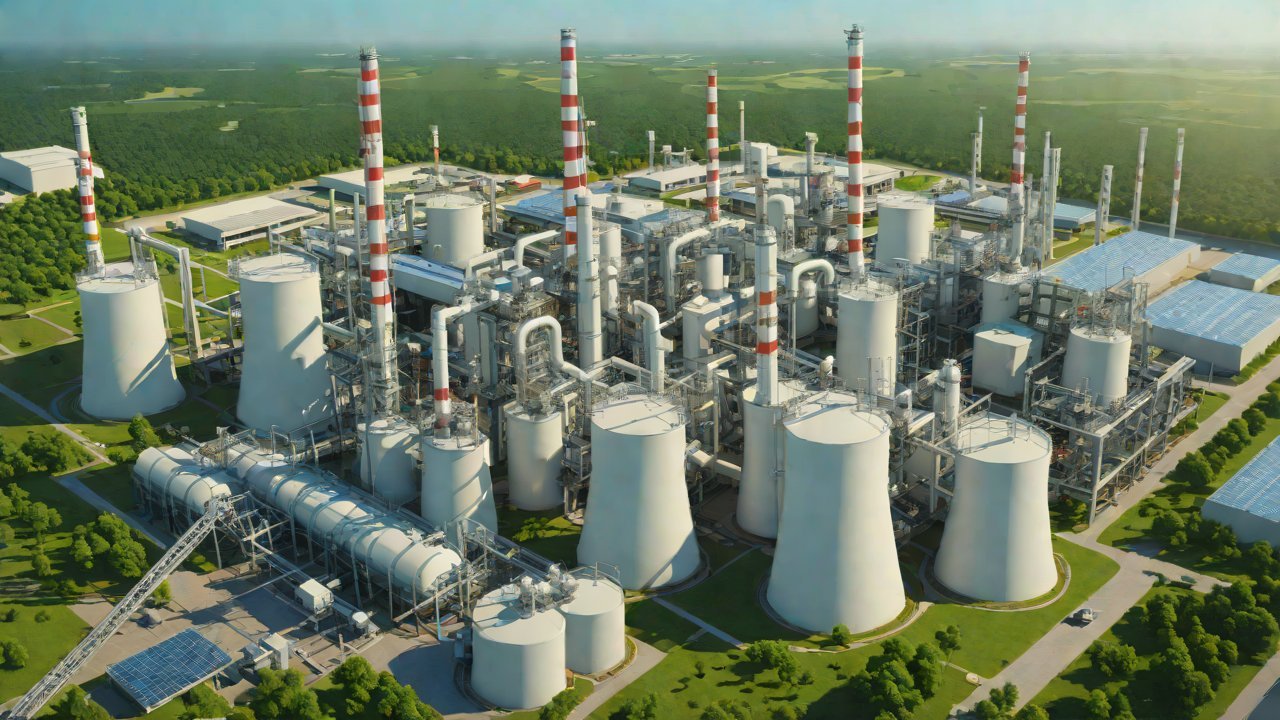
Will future chemical plants absorb carbon dioxide and produce energy like forests?
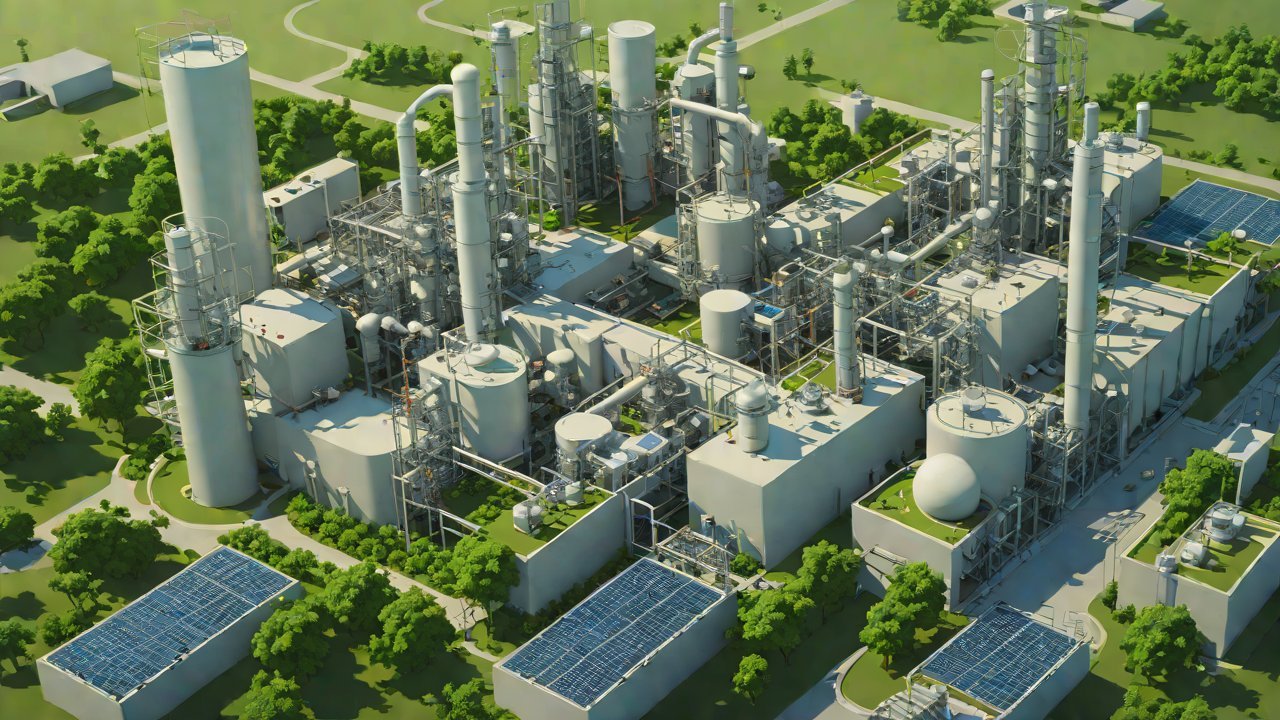
The forest’s ability to absorb carbon dioxide and produce energy through photosynthesis has long been a subject of fascination and study. As the world grapples with the challenges of climate change, the prospect of replicating this natural process in industrial settings has gained significant attention. Chemical plants, in particular, are being explored as potential candidates for carbon capture and utilization, leveraging their existing infrastructure and processes to produce energy while mitigating their carbon footprint.
The idea of transforming chemical plants into “carbon-absorbing” facilities, akin to forests, is not new. In fact, various pilot projects and research initiatives have already begun to explore this concept. However, the feasibility and scalability of such an approach remain unclear, and it is essential to examine the technical, economic, and environmental implications of this vision.
1. Carbon Capture and Utilization: A Niche Market on the Rise
The global carbon capture and utilization (CCU) market is still in its infancy, but it has seen significant growth in recent years. According to a report by MarketsandMarkets, the CCU market is projected to reach $10.4 billion by 2025, growing at a CAGR of 22.1% during the forecast period. The market is driven by the increasing demand for low-carbon energy, the need for greenhouse gas reduction, and the development of new technologies.
| Market Segment | 2020 | 2025 | CAGR |
|---|---|---|---|
| Carbon Capture | $2.3B | $4.8B | 14.5% |
| Carbon Utilization | $1.2B | $3.2B | 23.1% |
| Total CCU Market | $3.5B | $8.0B | 18.2% |
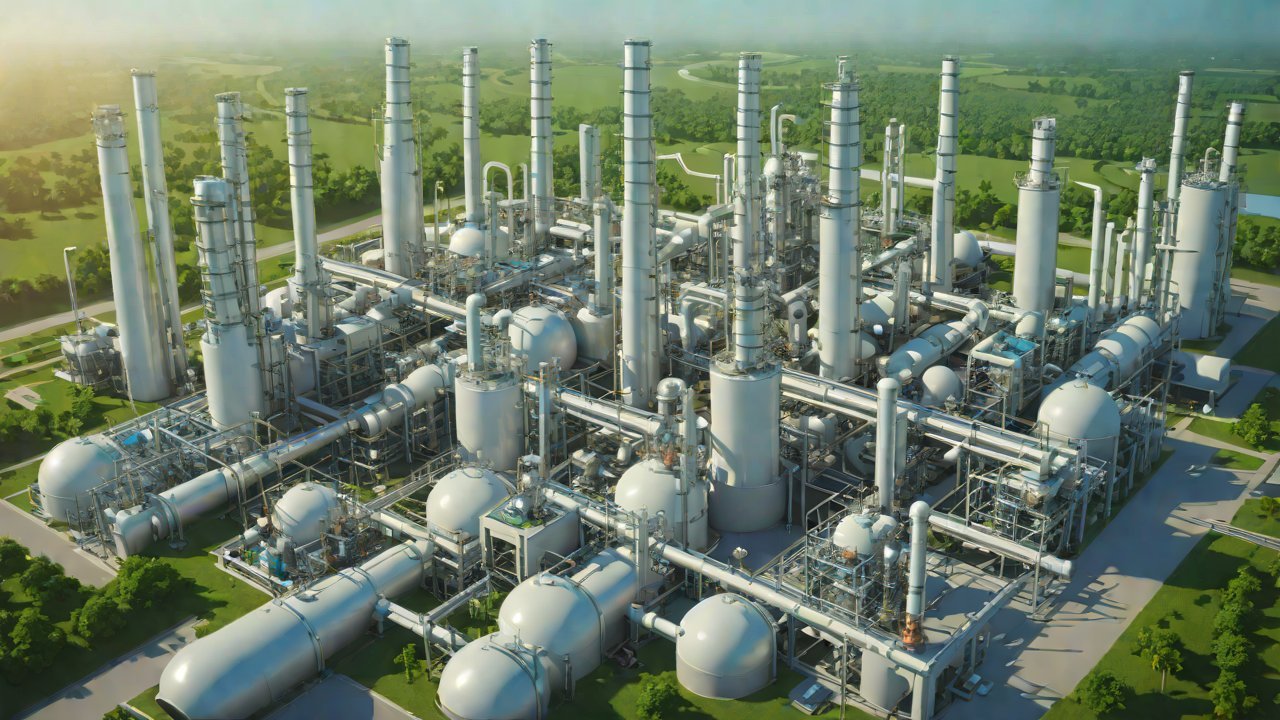
The CCU market is characterized by its nascent nature, with various segments and technologies emerging. The market can be broadly categorized into three areas:
- Carbon capture: This segment involves capturing CO2 emissions from industrial sources, such as power plants and chemical plants.
- Carbon utilization: This segment involves the conversion of captured CO2 into valuable chemicals, fuels, and materials.
- Carbon storage: This segment involves the long-term storage of captured CO2, often through geological sequestration.
2. Chemical Plants: A Potential Hub for Carbon Capture and Utilization
Chemical plants are among the largest industrial consumers of energy and raw materials, and they are also significant emitters of greenhouse gases. The integration of carbon capture and utilization technologies into chemical plants can help mitigate their carbon footprint while generating additional revenue streams.
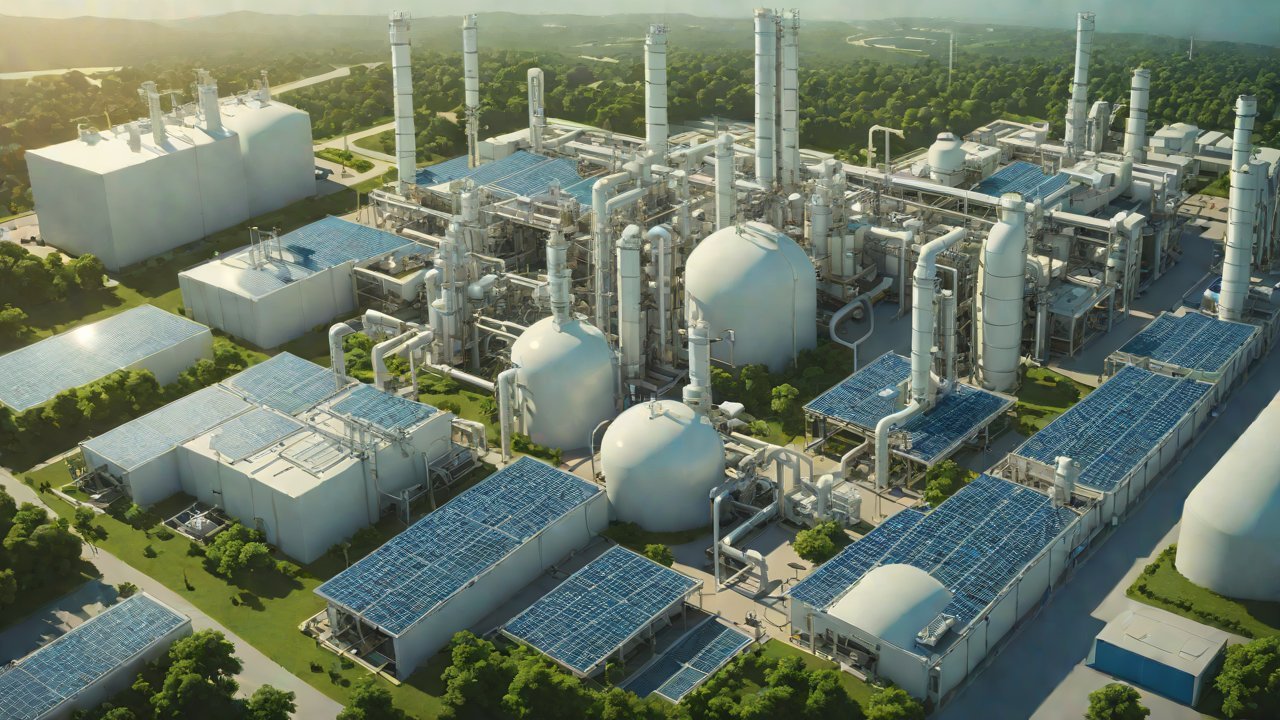
The chemical industry is already exploring various CCU technologies, including:
- Carbon capture and storage: Chemical plants can capture CO2 emissions from their processes and store them underground or utilize them in downstream applications.
- Carbon-to-chemicals: Chemical plants can convert captured CO2 into valuable chemicals, such as methanol, formic acid, or urea.
- Carbon-to-fuels: Chemical plants can convert captured CO2 into fuels, such as synthetic natural gas or biofuels.
3. Technical Challenges and Opportunities
The technical feasibility of integrating carbon capture and utilization technologies into chemical plants is a complex issue. Several challenges need to be addressed, including:
- Scalability: CCU technologies must be scalable to accommodate the large volumes of CO2 emissions from chemical plants.
- Energy efficiency: CCU technologies must be energy-efficient to minimize the additional energy required for capture and utilization.
- Cost competitiveness: CCU technologies must be cost-competitive with traditional chemical production methods.
Despite these challenges, several opportunities exist for the development of CCU technologies in chemical plants. For instance:
- Integration with existing infrastructure: Chemical plants can leverage their existing infrastructure and processes to integrate CCU technologies.
- Synergies with other industries: Chemical plants can collaborate with other industries, such as power generation or agriculture, to develop new CCU applications.
- Government incentives and policies: Governments can provide incentives and policies to support the development and deployment of CCU technologies in chemical plants.
4. Economic Feasibility and Potential Impact
The economic feasibility of integrating carbon capture and utilization technologies into chemical plants is a critical factor in their adoption. Several factors need to be considered, including:
- Capital costs: The upfront costs of implementing CCU technologies can be significant.
- Operating costs: The ongoing costs of operating CCU technologies can be substantial.
- Revenue streams: CCU technologies can generate additional revenue streams through the production of valuable chemicals or fuels.
The potential impact of CCU technologies on the chemical industry is significant. By reducing greenhouse gas emissions and generating new revenue streams, CCU technologies can help chemical plants become more sustainable and resilient.
5. Environmental Implications and Opportunities
The environmental implications of integrating carbon capture and utilization technologies into chemical plants are multifaceted. Several benefits can be expected, including:
- Greenhouse gas reduction: CCU technologies can help reduce greenhouse gas emissions from chemical plants.
- Air pollution reduction: CCU technologies can help reduce air pollution from chemical plants.
- Water conservation: CCU technologies can help conserve water resources in chemical plants.
However, several challenges need to be addressed, including:
- Land use and habitat disruption: Large-scale CCU facilities can require significant land areas, potentially disrupting habitats and ecosystems.
- Water management: CCU technologies can require substantial water resources, potentially straining local water supplies.
6. Conclusion
The vision of transforming chemical plants into “carbon-absorbing” facilities, akin to forests, is an intriguing one. While several technical, economic, and environmental challenges need to be addressed, the potential benefits of CCU technologies are significant. By integrating carbon capture and utilization technologies into chemical plants, the industry can reduce greenhouse gas emissions, generate new revenue streams, and become more sustainable and resilient.
The future of CCU technologies in chemical plants is uncertain, but it is clear that this area will continue to evolve and mature in the coming years. As the world grapples with the challenges of climate change, the development of CCU technologies will play a critical role in mitigating greenhouse gas emissions and promoting sustainable development.
IOT Cloud Platform
IOT Cloud Platform is an IoT portal established by a Chinese IoT company, focusing on technical solutions in the fields of agricultural IoT, industrial IoT, medical IoT, security IoT, military IoT, meteorological IoT, consumer IoT, automotive IoT, commercial IoT, infrastructure IoT, smart warehousing and logistics, smart home, smart city, smart healthcare, smart lighting, etc.
The IoT Cloud Platform blog is a top IoT technology stack, providing technical knowledge on IoT, robotics, artificial intelligence (generative artificial intelligence AIGC), edge computing, AR/VR, cloud computing, quantum computing, blockchain, smart surveillance cameras, drones, RFID tags, gateways, GPS, 3D printing, 4D printing, autonomous driving, etc.