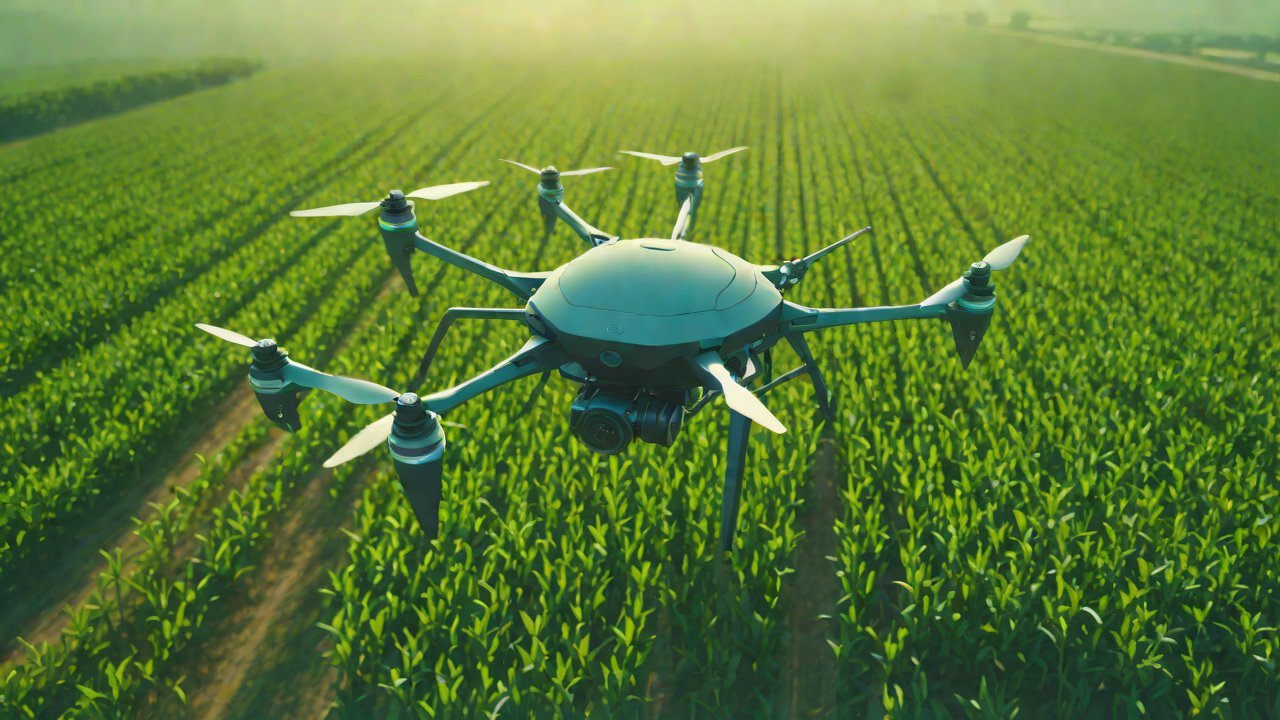
Will future agricultural drones evolve into “biological control drones” with insect-catching capabilities?
Agricultural drones have revolutionized farming practices by enhancing crop monitoring, reducing labor costs, and increasing yields. As technology advances, the concept of biological control drones is gaining traction, with the potential to integrate insect-catching capabilities into these aerial platforms. This report explores the feasibility of such an evolution, delving into the market, technical, and environmental aspects of biological control drones.
1. Market Analysis
The agricultural drone market is projected to grow from $2.4 billion in 2020 to $6.8 billion by 2027, registering a CAGR of 16.3% (MarketsandMarkets, 2020). The increasing adoption of drones in precision agriculture is driven by factors such as:
- Rising demand for high-quality crops and reduced environmental impact
- Growing awareness of the benefits of drone-based crop monitoring and management
- Improving drone technology, including enhanced sensors, cameras, and propulsion systems
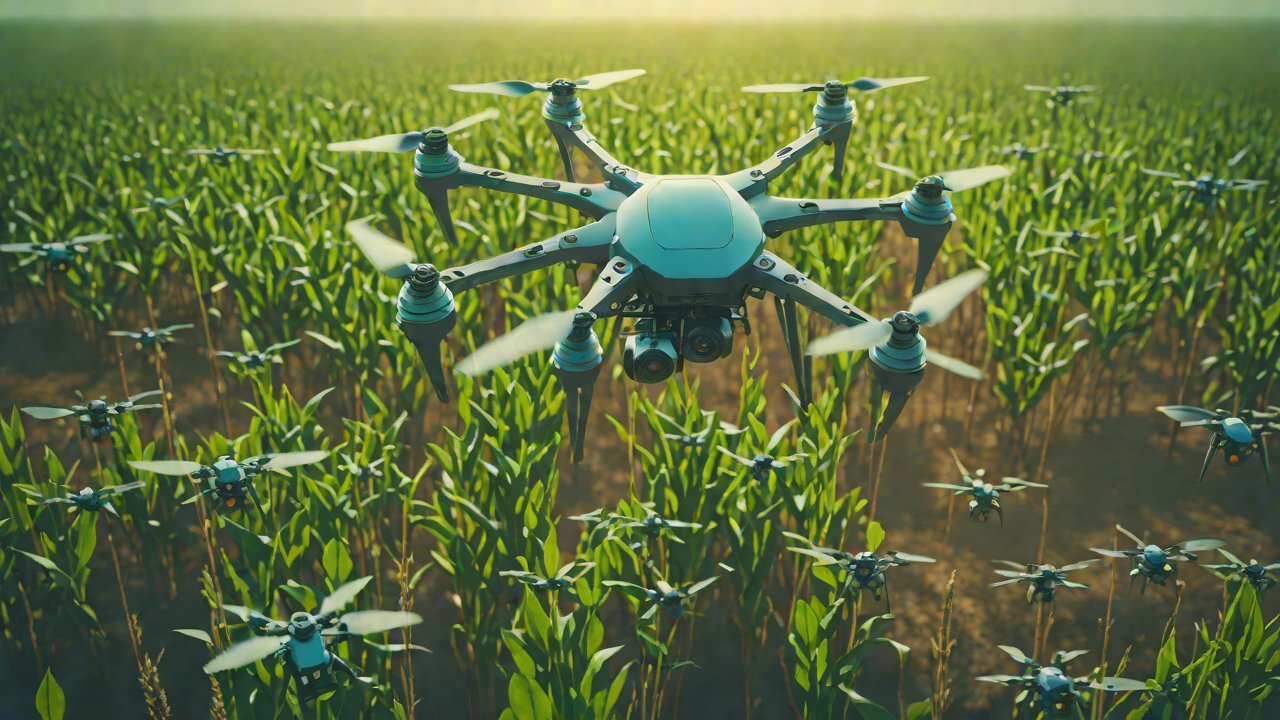
The integration of insect-catching capabilities into agricultural drones could expand their applications and create new revenue streams. Biological control drones could be used for:
- Pest control: Targeting specific pest species to reduce chemical pesticide usage and minimize environmental harm
- Pollinator support: Enhancing pollinator populations to maintain ecosystem health and crop yields
- Biological control: Introducing beneficial insects to control pest populations and maintain ecological balance
2. Technical Feasibility
The development of biological control drones requires advances in several key areas:
- Insect-catching technology: Effective and efficient methods for capturing and containing insects must be developed and integrated into drone designs
- Sensing and navigation: Advanced sensors and navigation systems will be necessary to enable drones to detect and target specific insect species
- Propulsion and control: Drones must be capable of stable and precise flight, with the ability to adjust speed and direction as needed
- Energy efficiency: Biological control drones will require energy-efficient designs to extend flight times and reduce operating costs
Several companies are already exploring the development of biological control drones, including:
- DroneSeed: A company focused on developing drones for planting seeds and monitoring crop health, with potential applications in biological control
- Mavrx: A drone manufacturer offering precision agriculture solutions, with a focus on developing advanced sensors and navigation systems
- AgEagle: A company providing drone-based crop monitoring and management services, with a focus on integrating insect-catching capabilities into their platforms
3. Environmental Impact
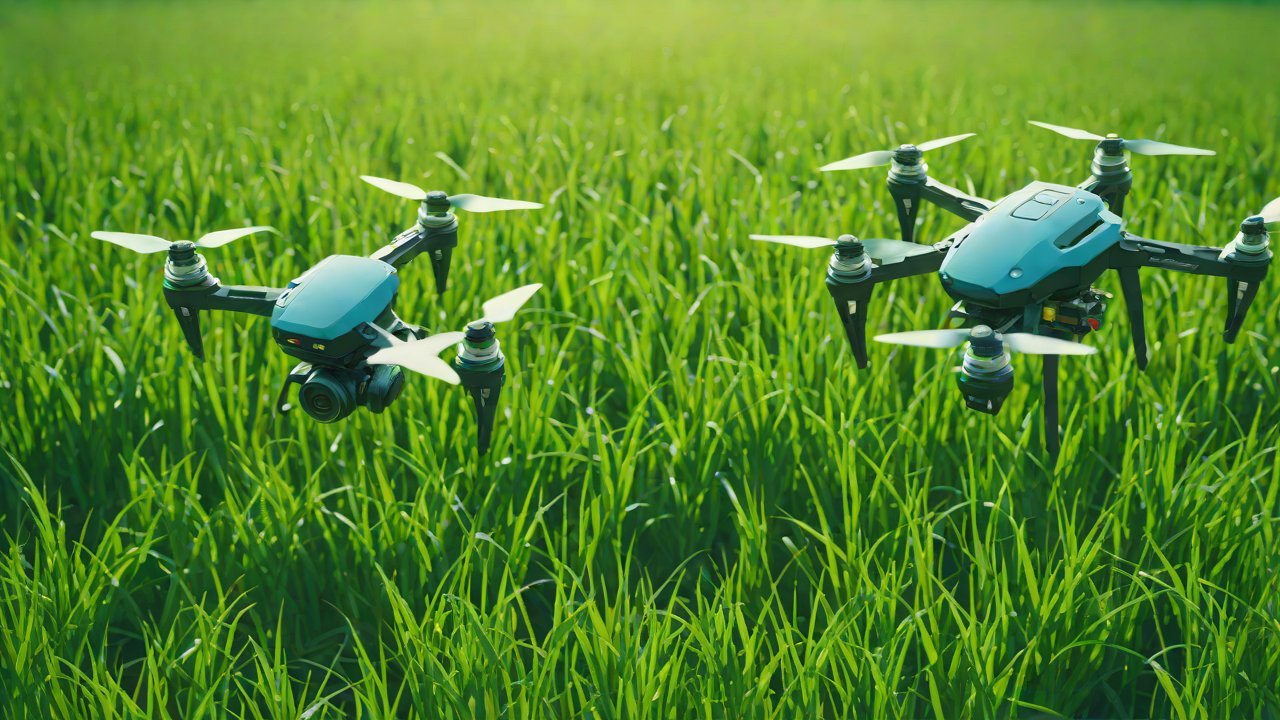
The development and deployment of biological control drones must consider the potential environmental impacts:
- Insect populations: Biological control drones could potentially disrupt insect populations, leading to unintended consequences for ecosystems
- Chemical usage: The introduction of biological control drones could reduce chemical pesticide usage, but may also lead to the introduction of new chemicals or biological agents
- Ecosystem balance: Biological control drones must be designed to maintain ecosystem balance, avoiding the introduction of invasive species or disrupting native ecosystems
To mitigate these risks, biological control drones must be developed with careful consideration of environmental factors and regulatory frameworks. This may involve:
- Collaboration with ecologists and environmental scientists: Ensuring that drone designs and operations are informed by a deep understanding of ecosystem dynamics and potential impacts
- Regulatory compliance: Ensuring that biological control drones meet or exceed existing regulatory standards for environmental safety and stewardship
- Public engagement: Educating farmers, policymakers, and the general public about the benefits and risks of biological control drones, and engaging stakeholders in the development and deployment of these technologies
4. AIGC Technical Perspectives
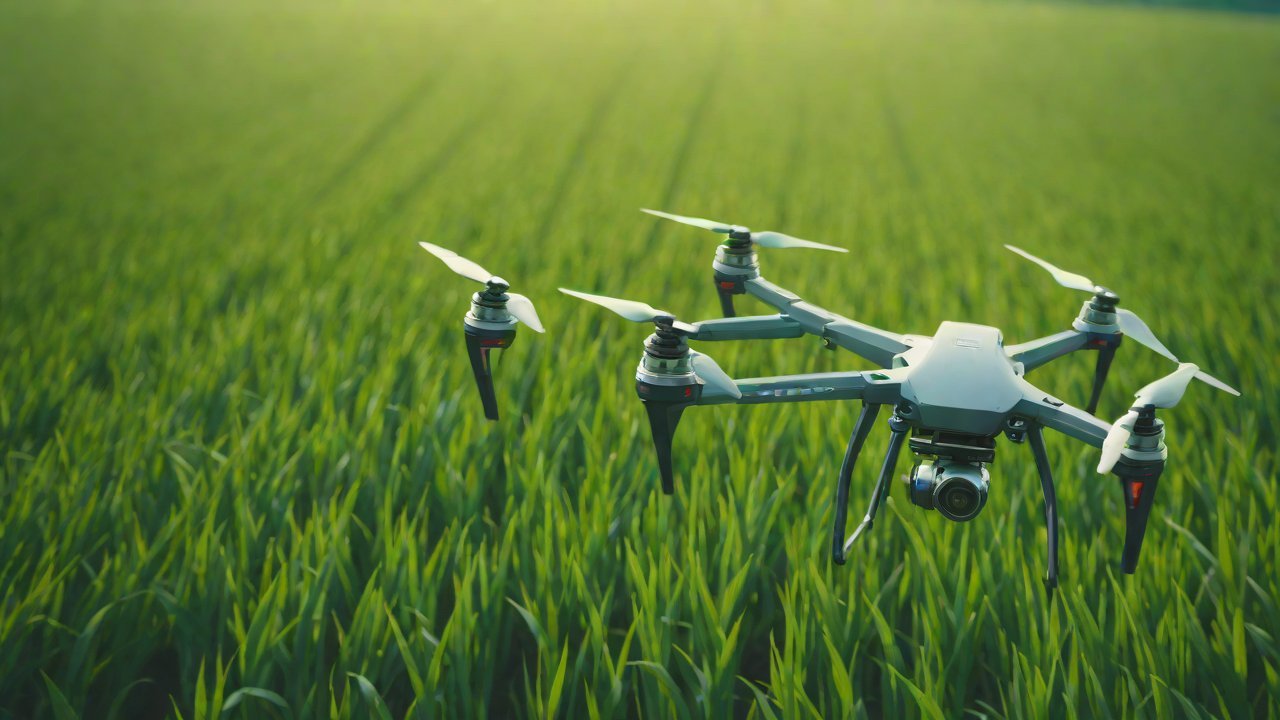
Artificial intelligence and machine learning (AIGC) will play a crucial role in the development of biological control drones:
- Sensing and navigation: AIGC algorithms will be necessary to enable drones to detect and target specific insect species, and to navigate complex environments
- Insect-catching technology: AIGC will be used to develop and optimize insect-catching methods, including the design of capture nets and containment systems
- Energy efficiency: AIGC will be used to develop energy-efficient drone designs, including the optimization of propulsion systems and energy storage technologies
Several AIGC companies are already exploring the development of biological control drones, including:
- Google: Developing AIGC algorithms for precision agriculture and biological control applications
- Microsoft: Partnering with agricultural companies to develop AIGC-powered drone solutions for crop monitoring and management
- IBM: Developing AIGC-powered drone platforms for precision agriculture and biological control applications
5. Conclusion
The development of biological control drones with insect-catching capabilities is a promising area of research and development. As the agricultural drone market continues to grow, the integration of biological control capabilities could expand the applications and revenue streams of these platforms. However, careful consideration of environmental factors and regulatory frameworks will be necessary to ensure the safe and effective deployment of biological control drones.
References
MarketsandMarkets. (2020). Agricultural Drone Market by Component, Application, and Geography – Global Forecast to 2027. Retrieved from https://www.marketsandmarkets.com/Market-Reports/agricultural-drone-market-1211.html
IOT Cloud Platform
IOT Cloud Platform is an IoT portal established by a Chinese IoT company, focusing on technical solutions in the fields of agricultural IoT, industrial IoT, medical IoT, security IoT, military IoT, meteorological IoT, consumer IoT, automotive IoT, commercial IoT, infrastructure IoT, smart warehousing and logistics, smart home, smart city, smart healthcare, smart lighting, etc.
The IoT Cloud Platform blog is a top IoT technology stack, providing technical knowledge on IoT, robotics, artificial intelligence (generative artificial intelligence AIGC), edge computing, AR/VR, cloud computing, quantum computing, blockchain, smart surveillance cameras, drones, RFID tags, gateways, GPS, 3D printing, 4D printing, autonomous driving, etc.