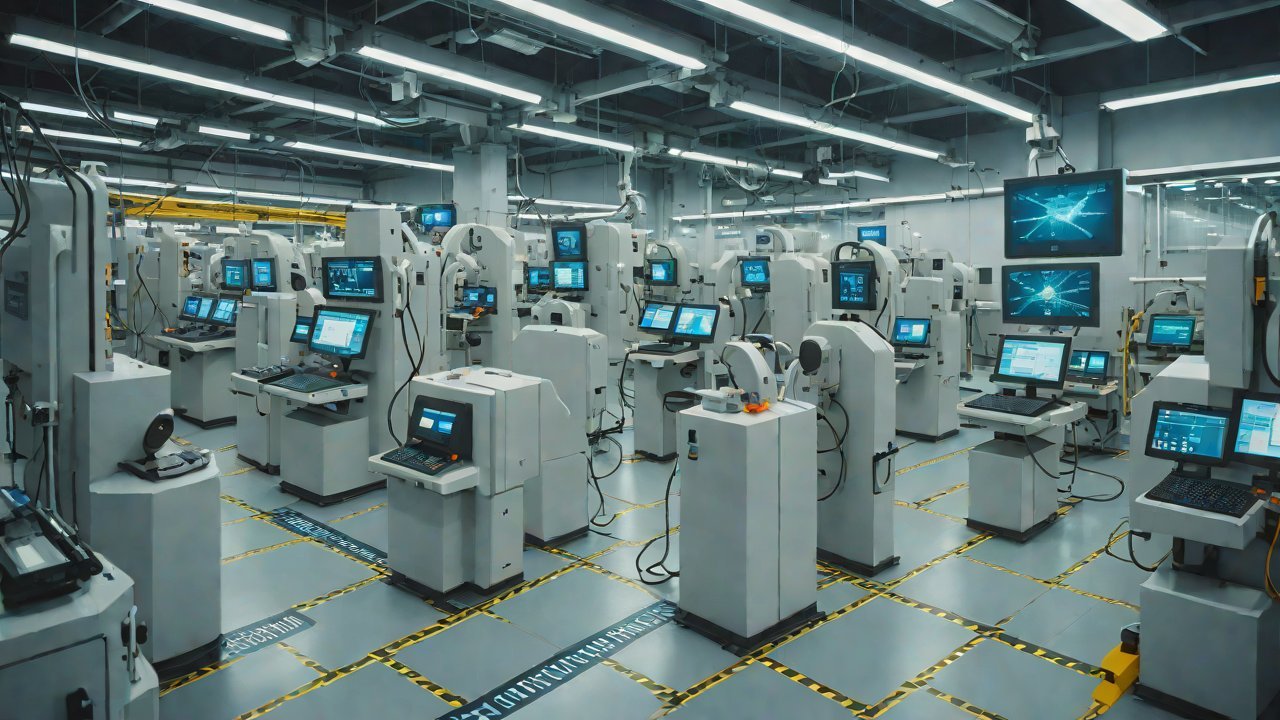
Will every machine tool in the future have its own digital sovereignty and wealth account?
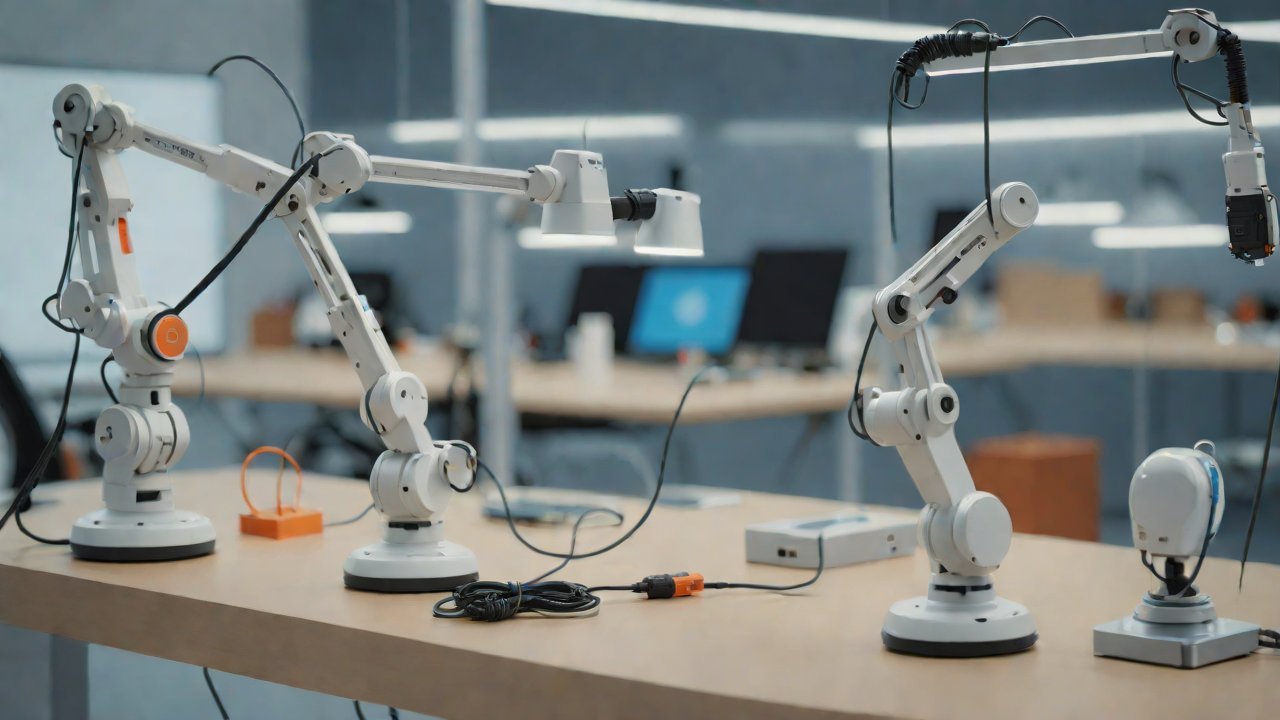
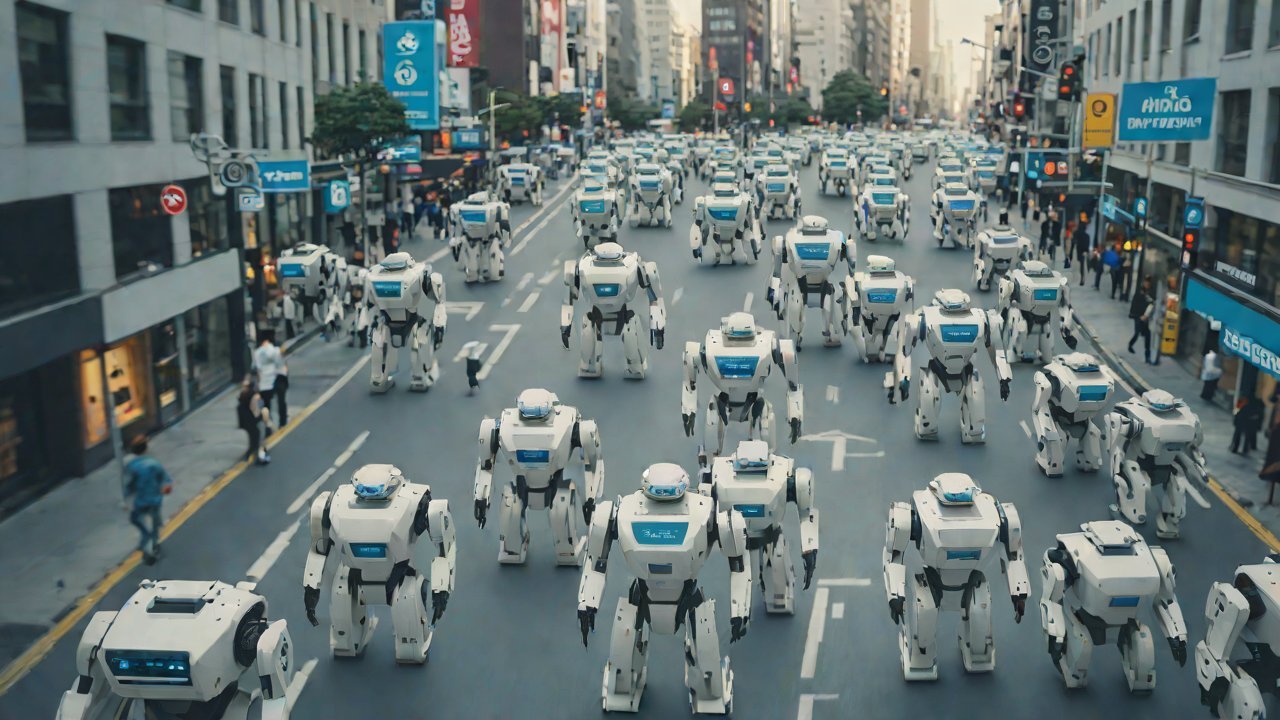
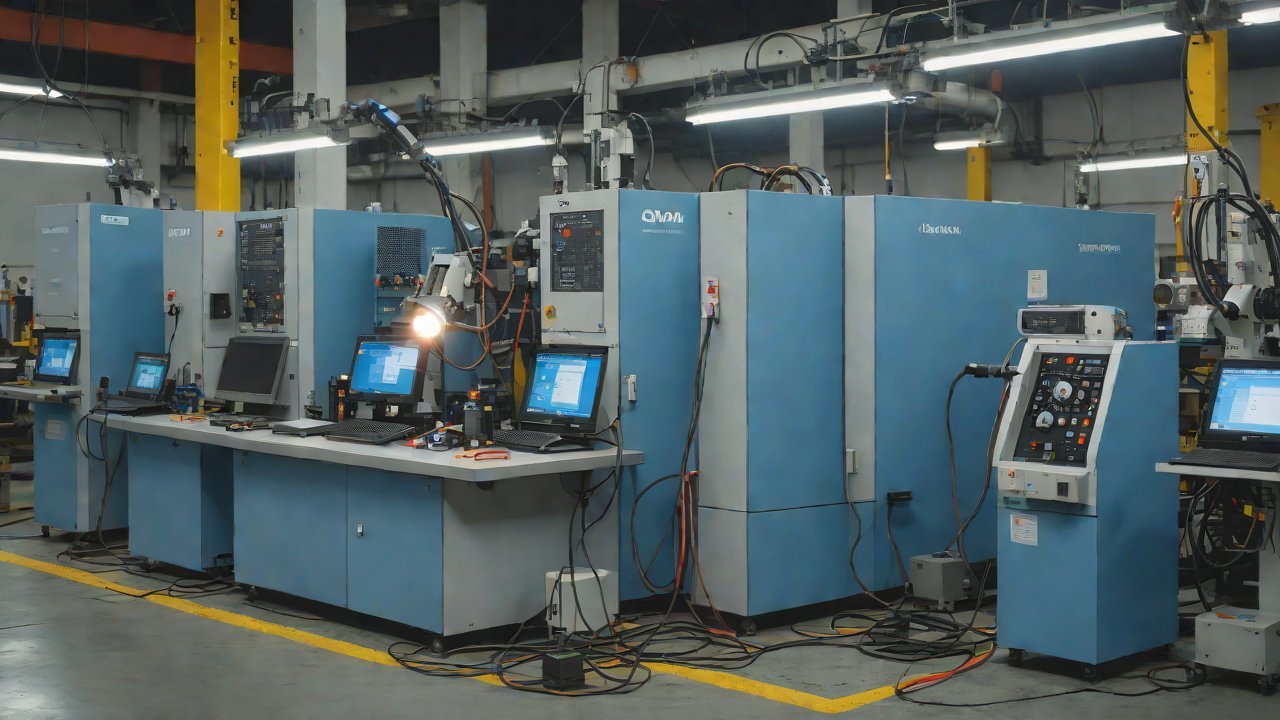
The concept of digital sovereignty is revolutionizing the way machines interact with their environment and each other. As the Internet of Things (IoT) continues to expand, machines are becoming increasingly connected, and the notion of a single, centralized authority governing their interactions is being challenged. The idea of every machine tool having its own digital sovereignty and wealth account is gaining traction, and it’s not hard to see why. With the rise of Industry 4.0, machines are becoming more autonomous, and the need for decentralized decision-making is growing.
In this report, we’ll delve into the world of machine digital sovereignty, exploring the technical, economic, and social implications of a future where every machine tool has its own digital sovereignty and wealth account. We’ll examine the current state of machine-to-machine (M2M) communication, the rise of blockchain and decentralized technologies, and the potential benefits and challenges of a decentralized machine economy.
1. The Rise of Machine Digital Sovereignty
Machine digital sovereignty refers to the ability of machines to make decisions and take actions without relying on human intervention. This concept is closely tied to the development of artificial intelligence (AI) and the increasing use of machine learning algorithms in industrial automation. As machines become more autonomous, the need for decentralized decision-making grows, and the idea of every machine tool having its own digital sovereignty and wealth account becomes more plausible.
1.1 Current State of M2M Communication
M2M communication is the exchange of data between machines, enabling them to interact with each other and their environment. Currently, M2M communication is often facilitated through centralized servers and cloud-based infrastructure. However, this approach has several limitations, including:
| Limitation | Description |
|---|---|
| Centralization | Relying on centralized servers can lead to single points of failure and decreased scalability. |
| Interoperability | Different machines and systems often use proprietary protocols, making it difficult to achieve seamless communication. |
| Security | Centralized servers can be vulnerable to cyber attacks, compromising the security of the entire system. |
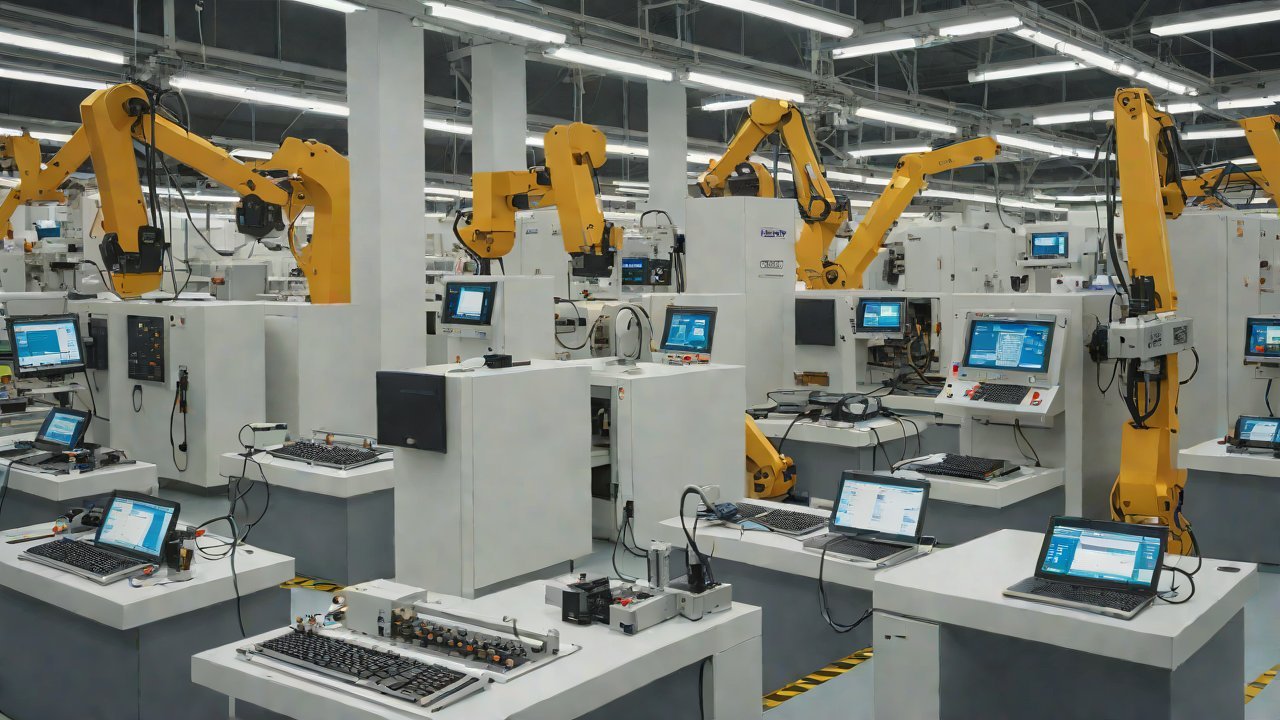
2. The Rise of Blockchain and Decentralized Technologies
Blockchain technology has the potential to revolutionize M2M communication by providing a decentralized, secure, and transparent way to exchange data. By using blockchain, machines can communicate with each other without relying on centralized servers, enabling a more autonomous and decentralized decision-making process.
2.1 Blockchain in Industrial Automation
Blockchain is being increasingly used in industrial automation to improve supply chain management, quality control, and predictive maintenance. For example:
| Industry | Application | Benefits |
|---|---|---|
| Manufacturing | Supply chain management | Improved transparency and efficiency |
| Energy | Predictive maintenance | Reduced downtime and increased productivity |
| Healthcare | Medical device tracking | Enhanced patient safety and reduced costs |
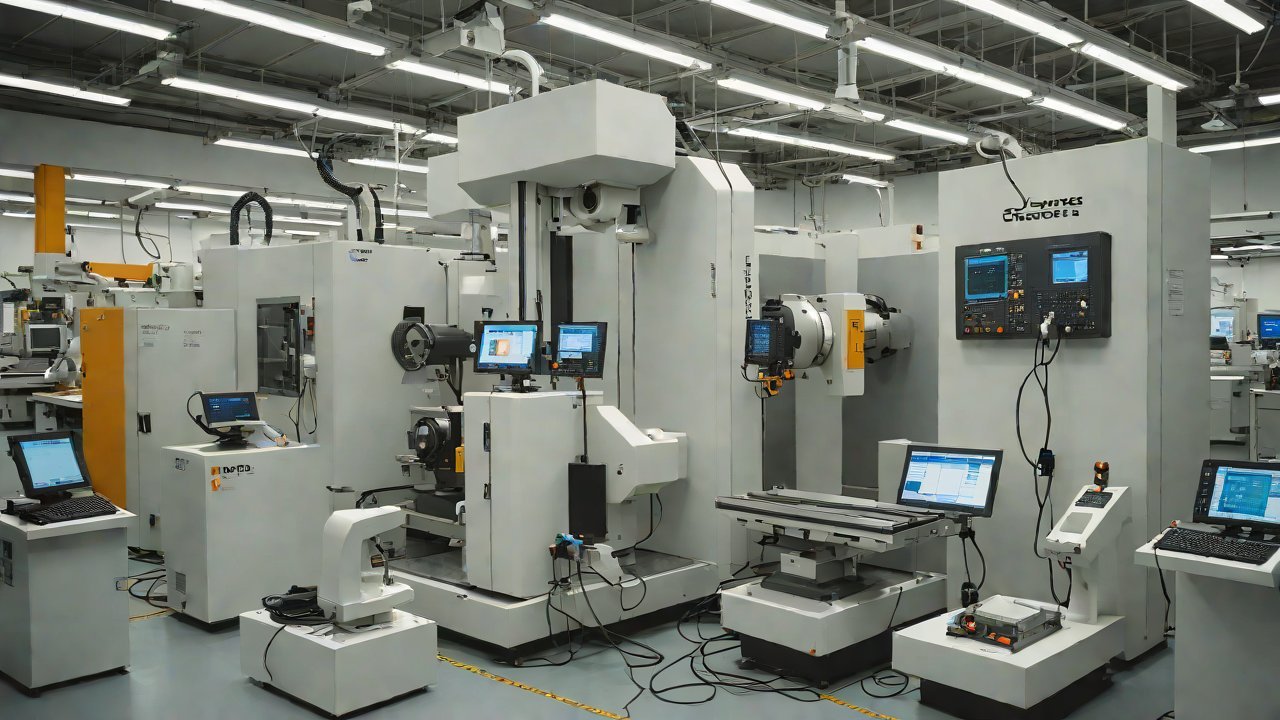
3. Economic and Social Implications
The adoption of digital sovereignty and wealth accounts for every machine tool would have significant economic and social implications. Some potential benefits include:
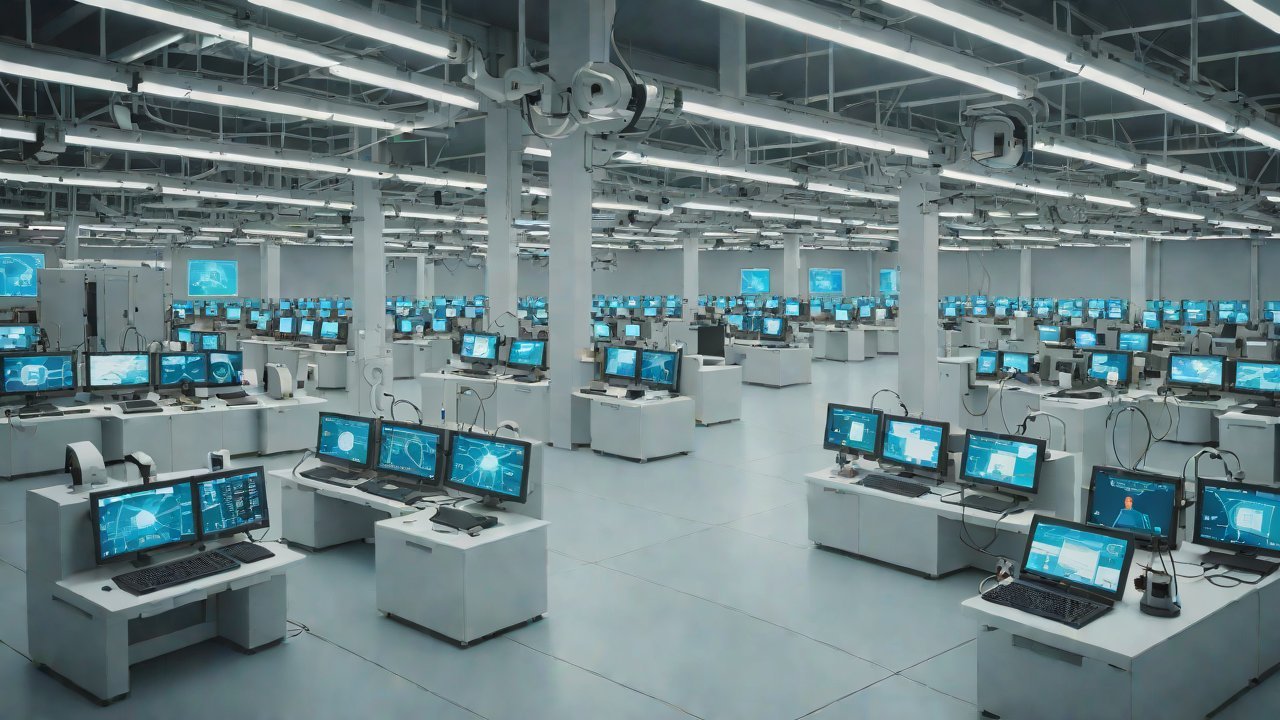
3.1 Decentralized Decision-Making
With machines having their own digital sovereignty and wealth accounts, decision-making can be decentralized, enabling machines to make decisions based on their own needs and goals. This can lead to increased efficiency, productivity, and innovation.
3.2 Reduced Costs
By eliminating the need for centralized servers and cloud-based infrastructure, the cost of M2M communication can be significantly reduced. This can lead to increased competitiveness and profitability for industries that adopt this technology.
3.3 Improved Security
Decentralized blockchain technology provides a secure and transparent way to exchange data, reducing the risk of cyber attacks and data breaches.
However, there are also potential challenges and limitations to consider, including:
3.4 Regulatory Frameworks
The adoption of digital sovereignty and wealth accounts for every machine tool would require significant changes to regulatory frameworks. Governments and industries would need to develop new laws and regulations to govern the decentralized decision-making process.
3.5 Scalability and Interoperability
As the number of machines with digital sovereignty and wealth accounts increases, scalability and interoperability become significant challenges. Ensuring seamless communication between machines and systems from different manufacturers and industries would be crucial.
4. Technical Perspectives
From a technical perspective, the implementation of digital sovereignty and wealth accounts for every machine tool would require significant advancements in AI, blockchain, and M2M communication. Some potential technical challenges include:
4.1 AI and Machine Learning
The development of advanced AI and machine learning algorithms would be necessary to enable machines to make decisions based on their own needs and goals. This would require significant investments in research and development.
4.2 Blockchain Scalability
Blockchain technology would need to be scaled up to accommodate the increased number of machines with digital sovereignty and wealth accounts. This would require significant advancements in blockchain scalability and interoperability.
4.3 M2M Communication
The development of secure and transparent M2M communication protocols would be necessary to enable seamless communication between machines and systems. This would require significant investments in research and development.
5. Conclusion
The concept of every machine tool having its own digital sovereignty and wealth account is gaining traction, and it’s not hard to see why. With the rise of Industry 4.0, machines are becoming more autonomous, and the need for decentralized decision-making is growing. While there are significant technical, economic, and social implications to consider, the potential benefits of a decentralized machine economy are substantial. As we move forward, it’s essential to address the challenges and limitations of this concept, ensuring that the benefits of digital sovereignty and wealth accounts are accessible to all.
IOT Cloud Platform
IOT Cloud Platform is an IoT portal established by a Chinese IoT company, focusing on technical solutions in the fields of agricultural IoT, industrial IoT, medical IoT, security IoT, military IoT, meteorological IoT, consumer IoT, automotive IoT, commercial IoT, infrastructure IoT, smart warehousing and logistics, smart home, smart city, smart healthcare, smart lighting, etc.
The IoT Cloud Platform blog is a top IoT technology stack, providing technical knowledge on IoT, robotics, artificial intelligence (generative artificial intelligence AIGC), edge computing, AR/VR, cloud computing, quantum computing, blockchain, smart surveillance cameras, drones, RFID tags, gateways, GPS, 3D printing, 4D printing, autonomous driving, etc.