Will each layer of greenery in the future city’s vertical forest have its own unique IP (intellectual property)?
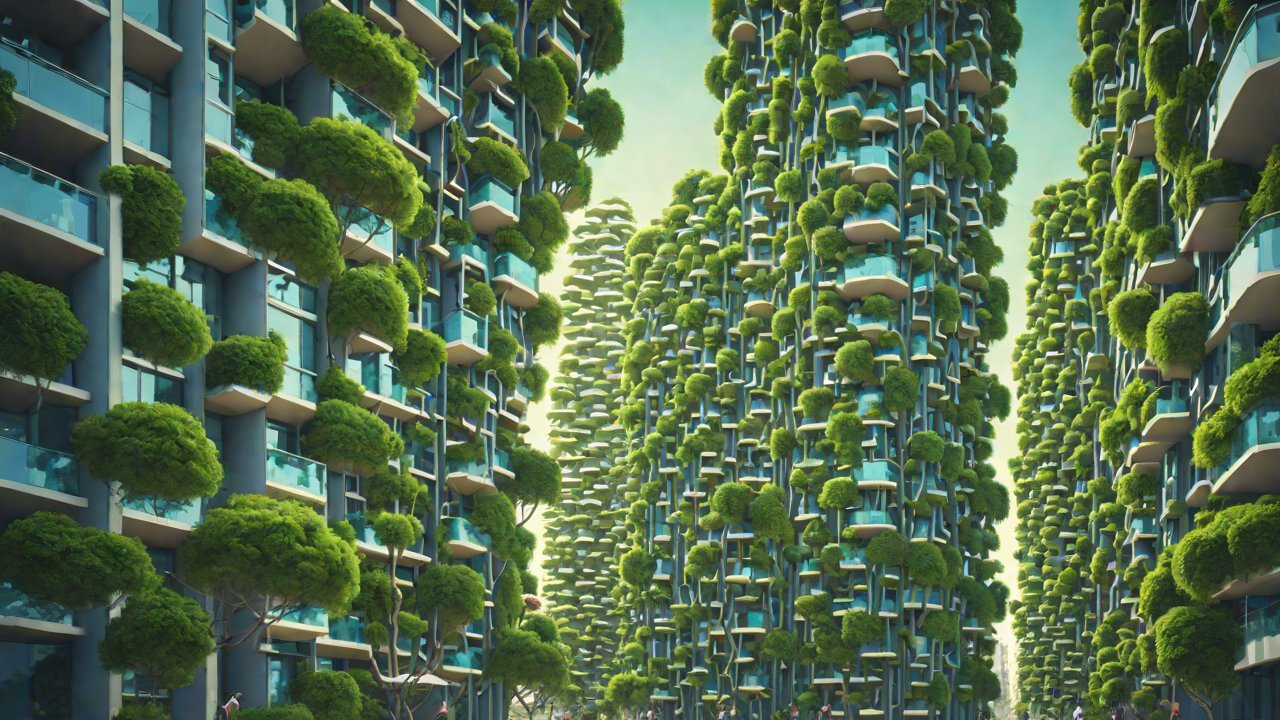
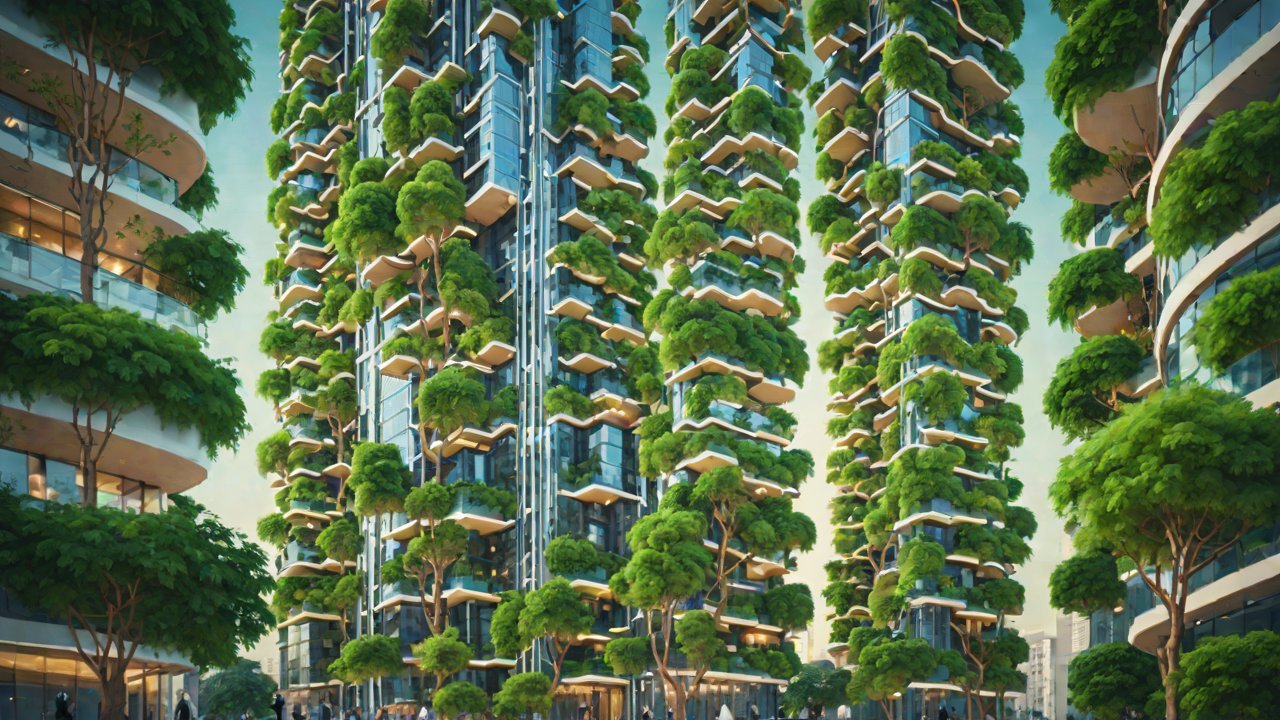
Cities are evolving at an unprecedented rate, driven by technological advancements and a growing need for sustainable living spaces. As architects, engineers, and urban planners strive to create more efficient and environmentally friendly cities, one concept that has gained significant attention is the vertical forest. This innovative approach involves stacking layers of greenery on top of each other within a city’s infrastructure, creating a lush oasis in the midst of concrete jungles.
The benefits of vertical forests are numerous: they provide insulation, reduce air pollution, increase property values, and even mitigate the urban heat island effect. However, as these structures become more complex, questions arise about ownership and intellectual property (IP) rights. Specifically, will each layer of greenery in a future city’s vertical forest have its own unique IP?
1. Defining Intellectual Property in Urban Planning
Intellectual property refers to the exclusive rights granted to creators over their original works or inventions. In the context of urban planning, IP can encompass various aspects such as architectural designs, landscaping concepts, and even innovative uses of materials.
To understand whether each layer of greenery will have its own unique IP, we need to consider the different types of IP that may be relevant:
| Type of IP | Description |
|---|---|
| Architectural Design | The visual appearance and layout of a building or structure. |
| Landscaping Concept | The design and arrangement of plant life within a specific area. |
| Materials Science | Innovative uses of materials in construction, such as self-healing concrete. |
2. Urban Planning and IP Rights
Urban planning involves the coordinated development and management of land use within cities. As cities evolve, planners must balance competing interests and priorities while ensuring that developments meet the needs of residents, businesses, and the environment.
IP rights can play a significant role in urban planning by:
| Application | Benefits |
|---|---|
| Design patents | Protect innovative architectural designs from copying or infringement. |
| Trademarks | Safeguard brand identity and reputation for developers and property owners. |
| Copyrights | Ensure that creative works, such as landscaping concepts, are not plagiarized or stolen. |
3. Vertical Forests and IP Considerations
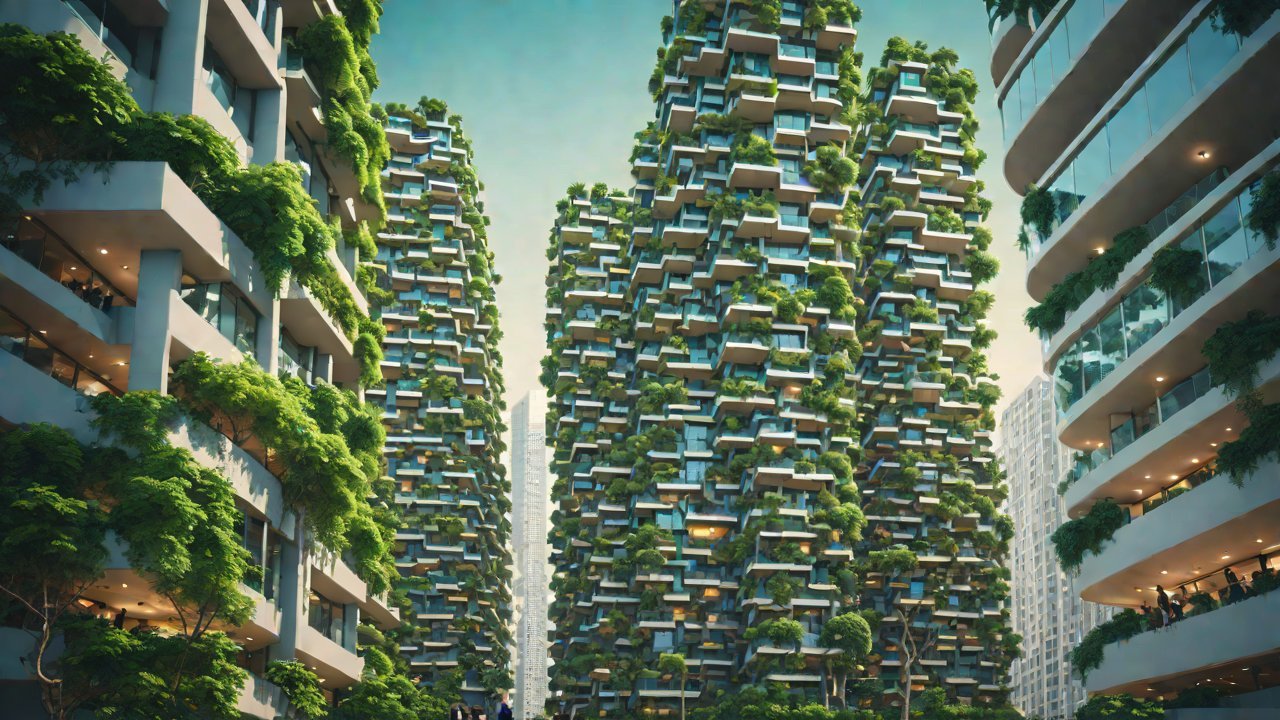
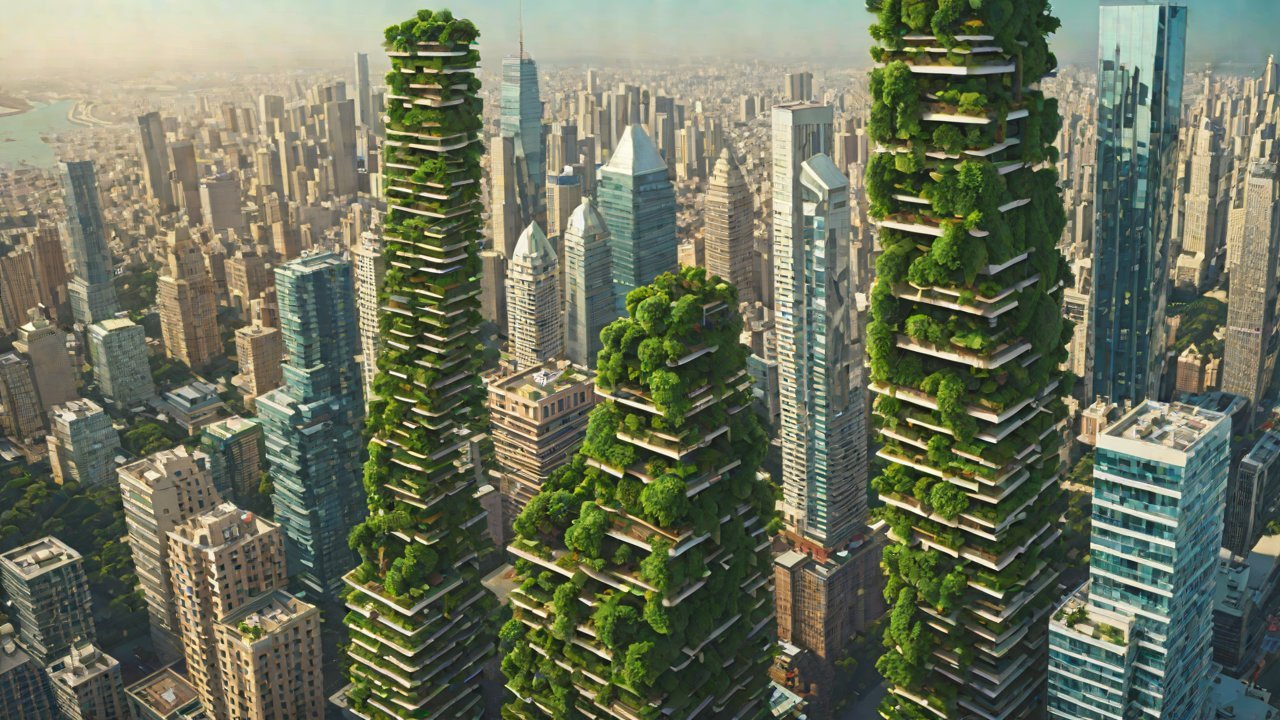
Vertical forests are complex structures that integrate multiple layers of greenery with advanced engineering systems. As these developments become more prevalent, IP considerations will need to adapt to address the unique challenges they present.
Some key questions regarding IP in vertical forests include:
- Who owns the rights to the design of each layer of greenery?
- Can developers and property owners claim exclusive use of innovative materials or technologies used in construction?
- How do regulatory frameworks and zoning laws impact the assignment of IP rights within these structures?
4. Case Studies: Emerging Trends in Vertical Forests
Several cities around the world are pioneering vertical forest development, providing valuable insights into the challenges and opportunities surrounding IP rights.
- Bo01 – Malmo, Sweden: This award-winning district features several high-rise buildings with integrated greenery, showcasing innovative uses of materials and design.
- Dongtan Eco-City – Shanghai, China: This massive eco-city development incorporates vertical forests as a key component, highlighting the potential for large-scale implementation.
- Bosco Verticale – Milan, Italy: Designed by architect Boeri Studio, this iconic building has become a model for urban regeneration and sustainable design.
5. Market Data: Emerging Trends in Urban Planning
Market trends indicate growing demand for sustainable, eco-friendly developments that integrate green spaces within city infrastructure.
| Market Trend | Key Statistics |
|---|---|
| Green Building Adoption Rate | Increased by 50% between 2018 and 2020 (Source: USGBC) |
| Sustainable Urban Planning Investments | Expected to reach $1.3 trillion by 2030 (Source: UN Habitat) |
6. AIGC Perspectives: The Future of Vertical Forests
As AI-generated content (AIGC) technology advances, it will likely play a significant role in the design and development of vertical forests.
Some potential applications of AIGC include:
- Generative Design: AIGC can generate innovative architectural designs that integrate greenery and engineering systems seamlessly.
- Digital Twinning: Virtual replicas of buildings can be created using AIGC, allowing for real-time monitoring and optimization of performance.
7. Regulatory Frameworks: IP Rights in Urban Planning
Zoning laws, building codes, and regulatory frameworks will need to adapt to accommodate the unique requirements of vertical forests.
Some key considerations include:
- IP Assignment: How are rights assigned to different layers or components within a vertical forest?
- Material Disclosure: Do developers have an obligation to disclose innovative materials used in construction?
8. Conclusion
The concept of vertical forests represents a significant shift in urban planning, integrating sustainable design and greenery into the heart of cities. As these developments become more complex, IP considerations will need to adapt to address issues surrounding ownership, rights, and regulatory frameworks.
In conclusion, while each layer of greenery may not necessarily have its own unique IP, developers and property owners must navigate a complex landscape of IP rights to ensure that their investments are protected. By understanding the intersection of urban planning, technology, and intellectual property, we can create more sustainable, resilient cities for generations to come.
IOT Cloud Platform
IOT Cloud Platform is an IoT portal established by a Chinese IoT company, focusing on technical solutions in the fields of agricultural IoT, industrial IoT, medical IoT, security IoT, military IoT, meteorological IoT, consumer IoT, automotive IoT, commercial IoT, infrastructure IoT, smart warehousing and logistics, smart home, smart city, smart healthcare, smart lighting, etc.
The IoT Cloud Platform blog is a top IoT technology stack, providing technical knowledge on IoT, robotics, artificial intelligence (generative artificial intelligence AIGC), edge computing, AR/VR, cloud computing, quantum computing, blockchain, smart surveillance cameras, drones, RFID tags, gateways, GPS, 3D printing, 4D printing, autonomous driving, etc.