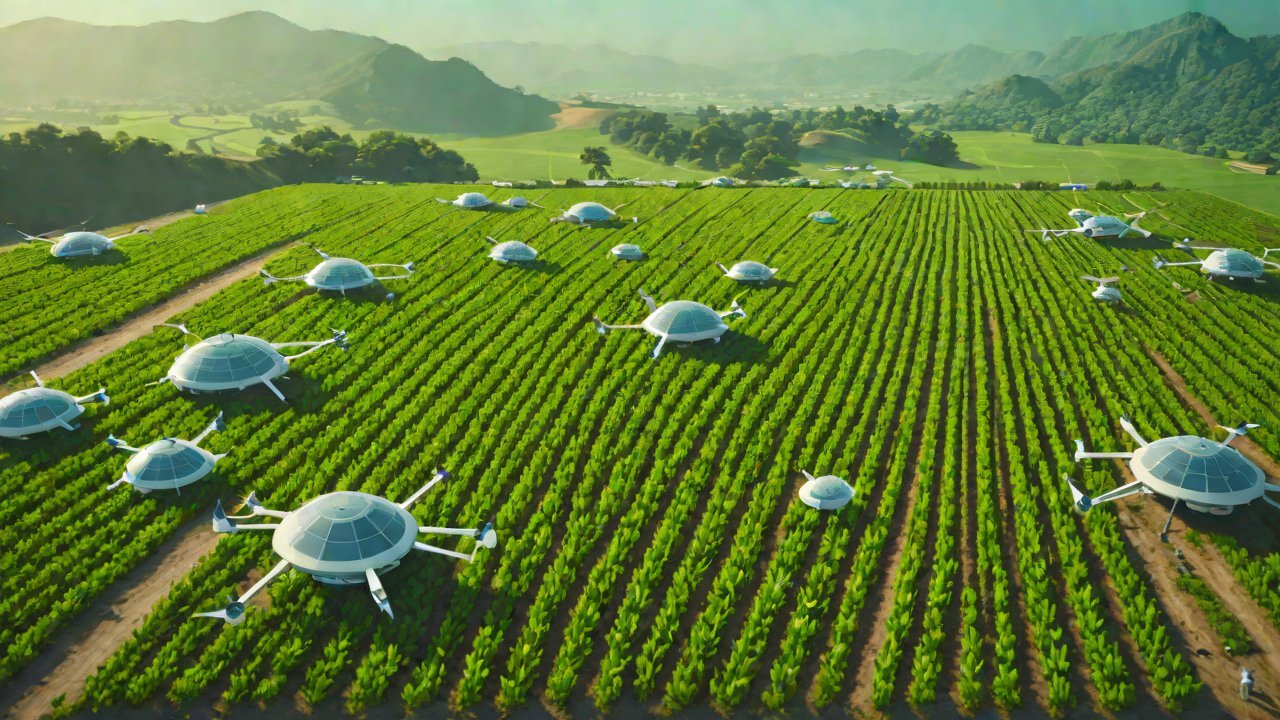
Will data officers on future farms become a new high-paying profession?
As we stand at the cusp of a revolution in agriculture, driven by technological advancements and shifting global demographics, the role of the farmer is undergoing a profound transformation. Gone are the days of manual labor and traditional farming practices; today’s agricultural landscape demands expertise in data analysis, machine learning, and precision agriculture. At the forefront of this digital revolution lies a new breed of professionals: the data officers on future farms.
These unsung heroes will be responsible for harnessing the power of big data to optimize crop yields, predict weather patterns, and streamline farm operations. With their unique blend of technical expertise and agricultural knowledge, data officers will become the linchpins of modern farming, ensuring that farmers can make informed decisions and maximize their output in a rapidly changing world.
1. The Rise of Precision Agriculture
Precision agriculture (PA) is an umbrella term that encompasses a range of techniques aimed at optimizing crop yields while minimizing waste and environmental impact. By leveraging advanced technologies such as drones, satellite imaging, and IoT sensors, farmers can collect vast amounts of data on soil conditions, weather patterns, and crop health.
This data is then analyzed using sophisticated algorithms to create detailed maps of the farm, identifying areas that require attention and pinpointing opportunities for improvement. The result is a more efficient, targeted approach to farming that reduces costs, increases yields, and promotes sustainability.
| Technique | Description | Benefits |
|---|---|---|
| Precision Irrigation | Optimizes water usage through real-time monitoring of soil moisture levels | Reduces water waste, conserves resources |
| Crop Monitoring | Uses drones or satellite imaging to track crop health and detect early signs of stress | Improves yields, reduces pesticide use |
2. The Emergence of Data Officers
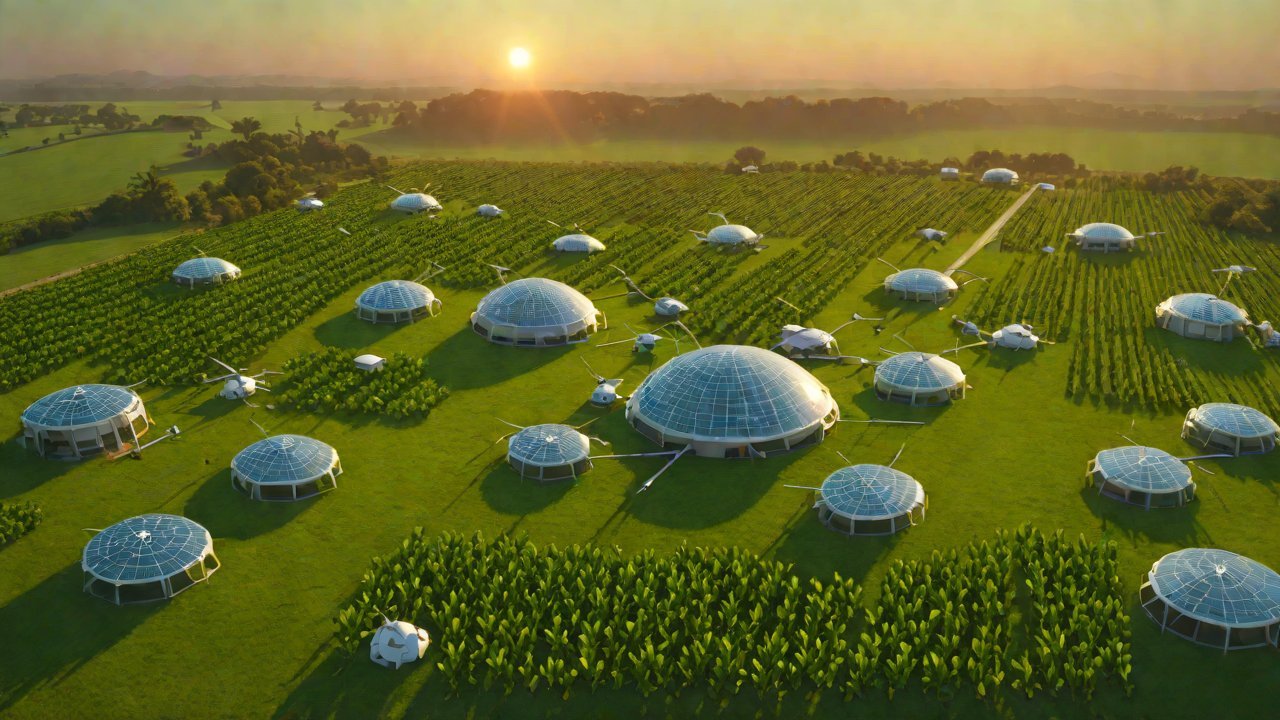
As precision agriculture continues to gain traction, the demand for skilled professionals who can collect, analyze, and interpret vast amounts of data is skyrocketing. Enter the data officer: a hybrid expert with a deep understanding of agricultural principles and technical expertise in data analysis.
Data officers will be responsible for:
- Collecting and integrating data from various sources (e.g., sensors, drones, weather stations)
- Developing and implementing algorithms to analyze data and inform decision-making
- Collaborating with farmers to implement data-driven strategies and monitor progress
| Key Skills | Description |
|---|---|
| Data Analysis | Proficiency in statistical software packages (e.g., R, Python) and ability to develop custom algorithms |
| Agricultural Knowledge | Understanding of crop growth patterns, soil science, and agricultural best practices |
| Communication | Ability to effectively communicate complex data insights to non-technical stakeholders |
3. Market Demand and Salary Projections
As the demand for precision agriculture continues to grow, so too will the need for skilled professionals to support this trend. According to a recent report by MarketsandMarkets, the global precision agriculture market is expected to reach $14.7 billion by 2025, growing at a CAGR of 13.4%.
| Market Segment | Growth Rate (CAGR) | Projected Revenue ($B) |
|---|---|---|
| Precision Irrigation | 15.1% | $3.8 |
| Crop Monitoring | 14.5% | $2.5 |
| Yield Monitoring | 13.9% | $2.2 |
4. Education and Training
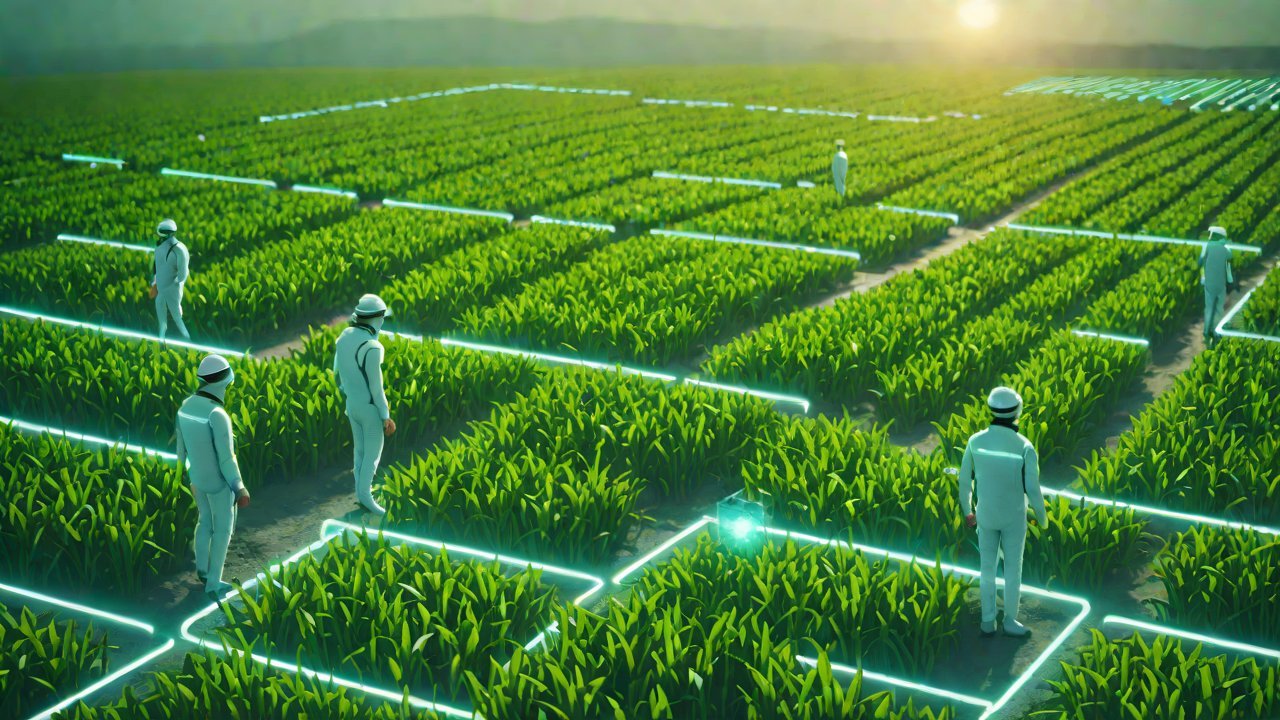
As the demand for data officers continues to rise, educational institutions are beginning to take notice. Many universities now offer specialized programs in precision agriculture, data science, and related fields.
However, there is still a shortage of professionals with the necessary blend of technical expertise and agricultural knowledge. To address this gap, many organizations are launching training programs aimed at upskilling existing farmers and farm workers.
| Program Type | Description |
|---|---|
| Online Courses | Self-paced learning platforms offering introductory courses in data analysis and precision agriculture |
| Certification Programs | Hands-on training programs leading to industry-recognized certifications (e.g., Certified Data Officer) |
5. Conclusion
As the agricultural landscape continues to evolve, the role of the farmer is becoming increasingly intertwined with that of the data analyst. The emergence of data officers on future farms represents a new high-paying profession that requires a unique blend of technical expertise and agricultural knowledge.
With the global precision agriculture market projected to reach $14.7 billion by 2025, the demand for skilled professionals is expected to soar. As educational institutions and organizations begin to take notice, we can expect to see a surge in training programs and certification initiatives aimed at upskilling existing farmers and farm workers.
Whether you’re a seasoned farmer looking to upgrade your skills or an aspiring data scientist eager to make a difference, the profession of data officer on future farms represents an exciting and rewarding career path that’s ripe for exploration.
IOT Cloud Platform
IOT Cloud Platform is an IoT portal established by a Chinese IoT company, focusing on technical solutions in the fields of agricultural IoT, industrial IoT, medical IoT, security IoT, military IoT, meteorological IoT, consumer IoT, automotive IoT, commercial IoT, infrastructure IoT, smart warehousing and logistics, smart home, smart city, smart healthcare, smart lighting, etc.
The IoT Cloud Platform blog is a top IoT technology stack, providing technical knowledge on IoT, robotics, artificial intelligence (generative artificial intelligence AIGC), edge computing, AR/VR, cloud computing, quantum computing, blockchain, smart surveillance cameras, drones, RFID tags, gateways, GPS, 3D printing, 4D printing, autonomous driving, etc.



