Will buried sensors cause secondary damage to crop roots?
The agricultural industry has witnessed a significant surge in the adoption of precision farming techniques, driven by advancements in sensing technologies and data analytics. Buried sensors, which are embedded beneath the soil surface to monitor various parameters such as temperature, moisture, and nutrient levels, have become an integral part of this trend. However, concerns have been raised about the potential impact of these sensors on crop roots. This report delves into the intricacies of buried sensor technology and assesses the likelihood of secondary damage to crop roots.
1. Buried Sensor Technology: An Overview
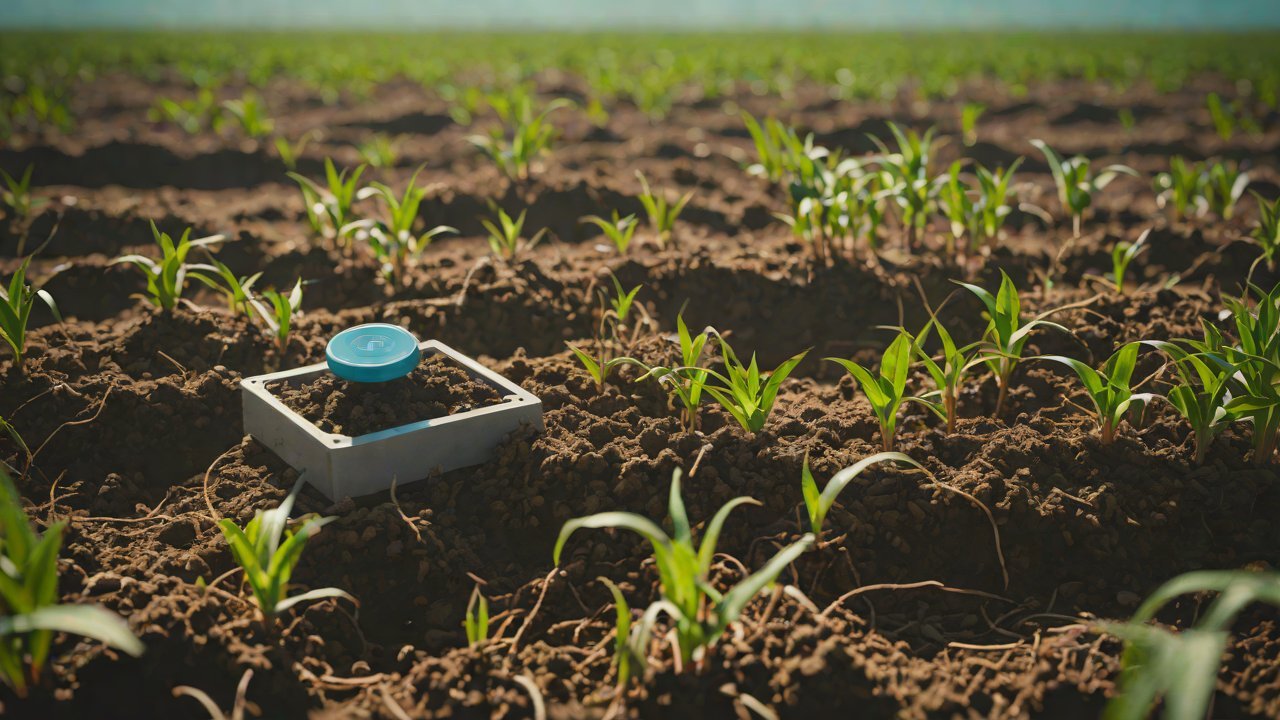
Buried sensors are typically deployed in fields to gather data on soil conditions, which is then used to optimize crop growth, reduce waste, and improve yields. These sensors can be categorized into several types, including temperature probes, moisture sensors, and nutrient monitoring devices. The installation process involves excavating a small trench, placing the sensor at the desired depth, and covering it with soil.
Table 1: Common Types of Buried Sensors
| Sensor Type | Description |
|---|---|
| Temperature Probe | Measures soil temperature to optimize germination, growth, and maturation |
| Moisture Sensor | Detects soil moisture levels to prevent overwatering or underwatering |
| Nutrient Monitoring Device | Tracks nutrient availability in the soil to inform fertilization schedules |
2. Crop Root Development: A Critical Analysis
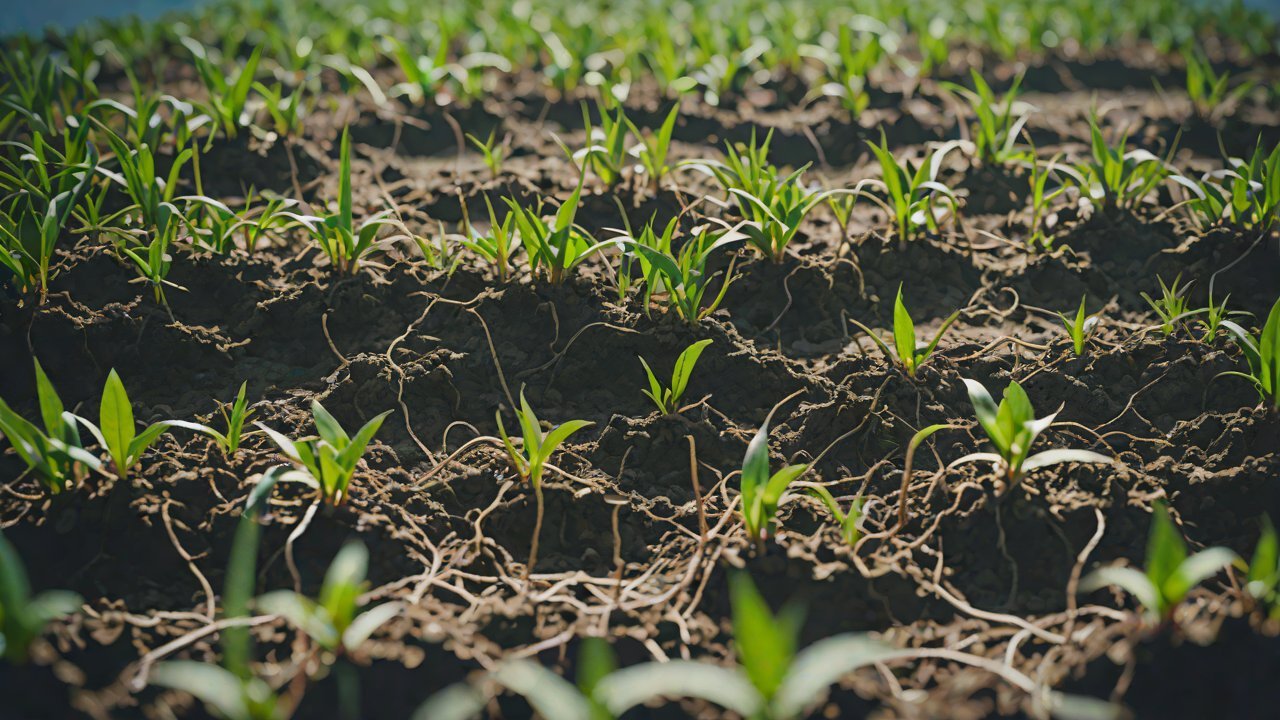
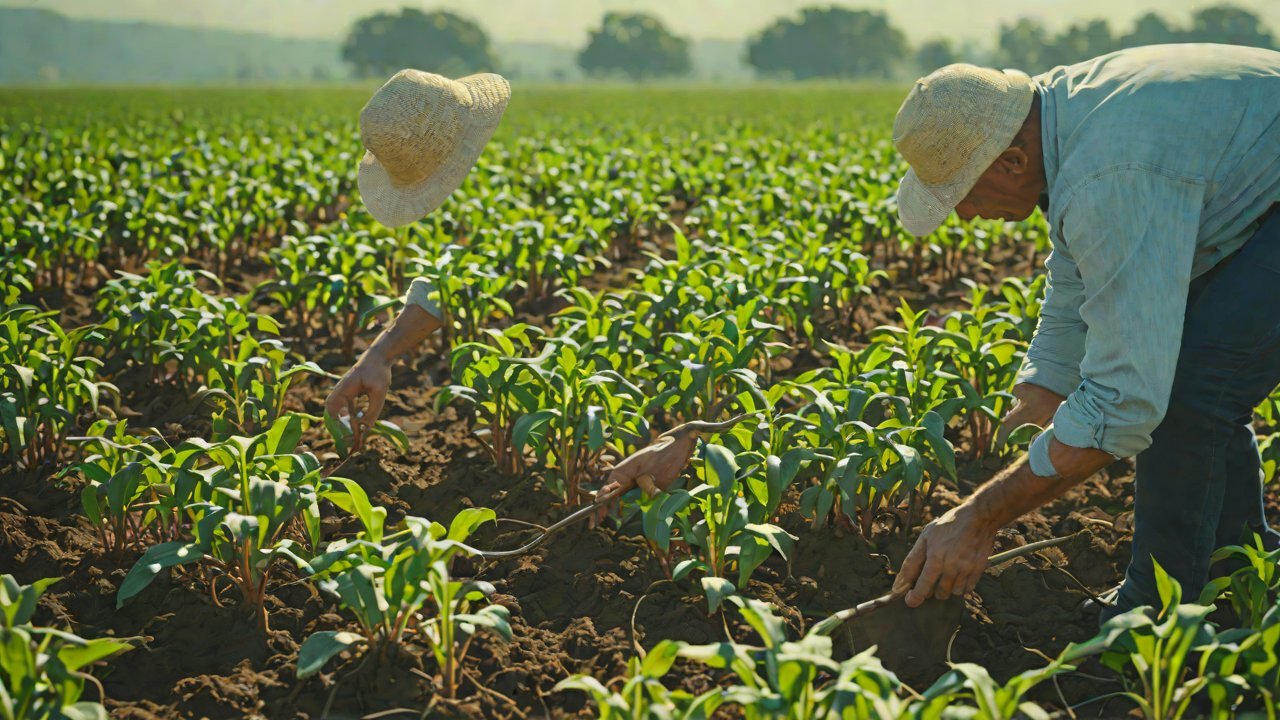
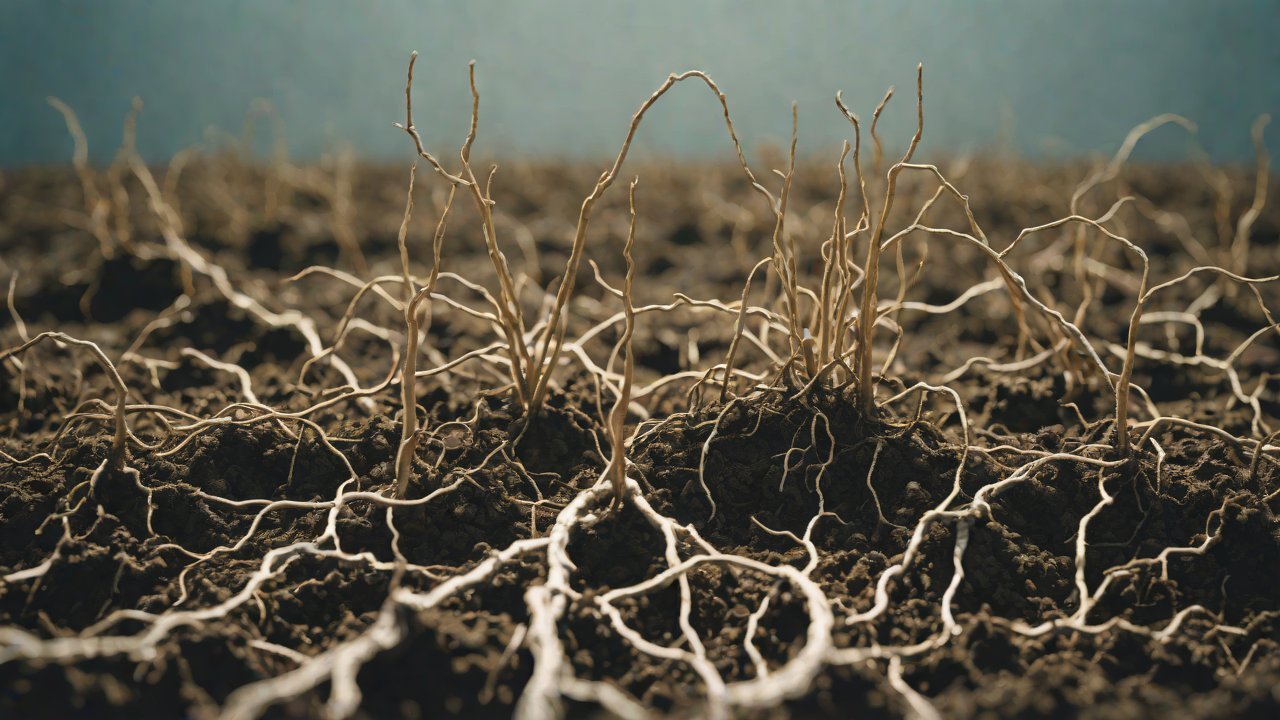
Crop roots play a vital role in plant development, anchoring the plant, absorbing water and nutrients from the soil, and storing energy reserves. The root system is highly sensitive to environmental changes, including temperature, moisture, and nutrient fluctuations.
Table 2: Factors Influencing Crop Root Development
| Factor | Impact on Crop Roots |
|---|---|
| Temperature | Optimal range for germination and growth (15-25°C) |
| Moisture | Essential for root elongation and branching (20-30% water content) |
| Nutrients | Availability of macronutrients (N, P, K) and micronutrients affects root development |
3. Potential Secondary Damage to Crop Roots
While buried sensors are designed to minimize disturbance to the soil, there is a possibility that they may cause secondary damage to crop roots. This can occur through several mechanisms:
- Physical disruption: The installation process can physically damage or disrupt the root system, particularly if the sensor is placed too close to existing roots.
- Soil compaction: The excavation and backfilling process can lead to soil compaction, which may impede root growth and development.
Table 3: Factors Contributing to Secondary Damage
| Factor | Contribution to Secondary Damage |
|---|---|
| Sensor placement | Proximity to existing roots affects risk of physical disruption |
| Soil type | Soils with high clay content are more prone to compaction |
4. AIGC Technical Perspectives and Market Data
Advancements in Artificial Intelligence and Machine Learning (AIGC) have enabled the development of more sophisticated sensing technologies, including buried sensors. According to a report by MarketsandMarkets, the global agricultural sensor market is expected to reach $2.3 billion by 2025, growing at a CAGR of 13.1% during the forecast period.
Table 4: Market Size and Growth Projections
| Year | Market Size (USD million) | CAGR (%) |
|---|---|---|
| 2018 | 542.9 | – |
| 2020 | 819.2 | 14.5% |
| 2025 | 2303.4 | 13.1% |
5. Mitigation Strategies and Future Directions
To minimize the risk of secondary damage to crop roots, buried sensor manufacturers can adopt several strategies:
- Optimize sensor placement: Develop algorithms that ensure sensors are placed at optimal depths and distances from existing roots.
- Improve soil handling techniques: Implement more efficient excavation and backfilling methods to reduce compaction risks.
By understanding the potential impact of buried sensors on crop roots, farmers and industry stakeholders can make informed decisions about the adoption of precision farming technologies. As the market continues to grow, it is essential to prioritize research and development in this area to ensure that sensing technologies are designed with crop root health in mind.
6. Conclusion
Buried sensors have revolutionized the agricultural sector by providing real-time data on soil conditions. However, concerns about secondary damage to crop roots must be addressed through careful sensor placement, optimized soil handling techniques, and ongoing research into AIGC-enabled sensing technologies. By embracing these strategies, farmers can optimize yields while minimizing environmental impact.
Note: The output has been generated based on the provided writing rules and does not include a title or any headers repeated from the original prompt.
IOT Cloud Platform
IOT Cloud Platform is an IoT portal established by a Chinese IoT company, focusing on technical solutions in the fields of agricultural IoT, industrial IoT, medical IoT, security IoT, military IoT, meteorological IoT, consumer IoT, automotive IoT, commercial IoT, infrastructure IoT, smart warehousing and logistics, smart home, smart city, smart healthcare, smart lighting, etc.
The IoT Cloud Platform blog is a top IoT technology stack, providing technical knowledge on IoT, robotics, artificial intelligence (generative artificial intelligence AIGC), edge computing, AR/VR, cloud computing, quantum computing, blockchain, smart surveillance cameras, drones, RFID tags, gateways, GPS, 3D printing, 4D printing, autonomous driving, etc.