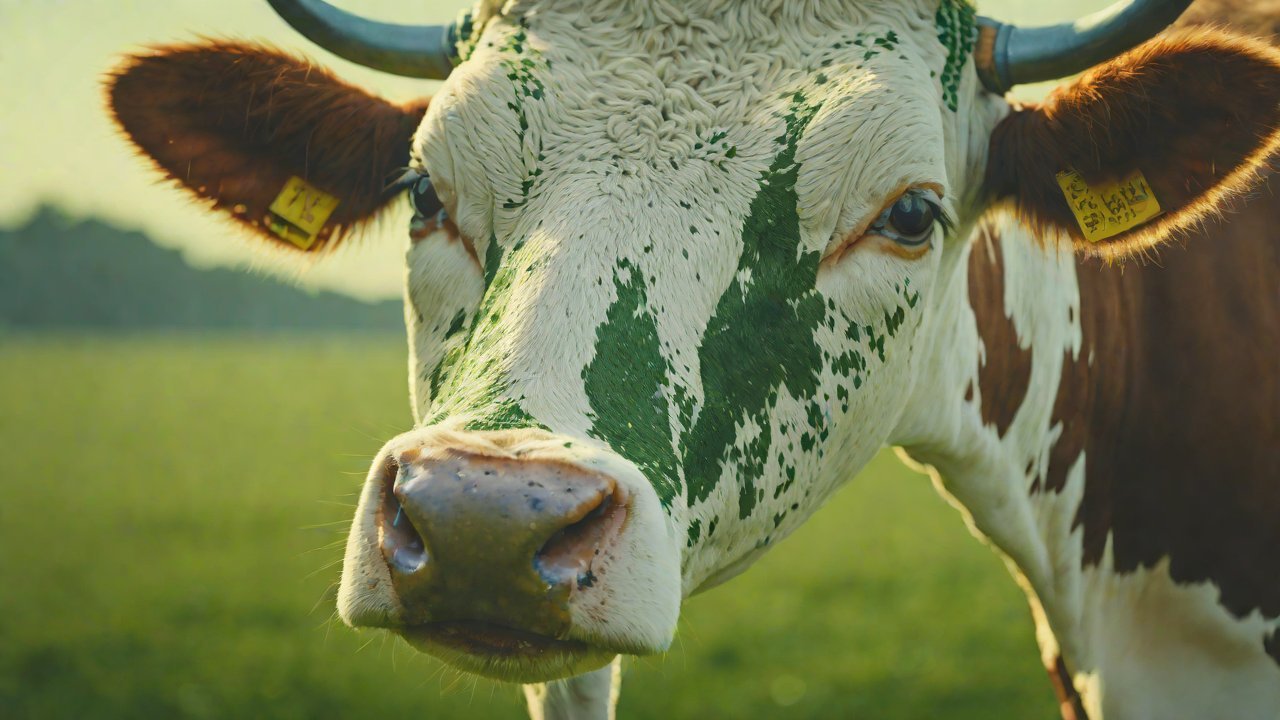
Will biometric technologies (such as cow facial recognition) eventually replace physical ear tags?
The use of physical ear tags to identify and track livestock has been a ubiquitous practice in the agricultural industry for decades. However, with the rapid advancement of biometric technologies, the notion of replacing these traditional methods with more modern and sophisticated approaches is gaining traction. One such technology that has garnered significant attention is cow facial recognition, which utilizes AI-powered algorithms to identify individual animals based on their unique facial features.
This emerging technology has the potential to revolutionize the way farmers and ranchers manage their livestock, offering a more efficient, cost-effective, and humane alternative to traditional ear tagging methods. In this report, we will delve into the world of biometric technologies, exploring the current state of the market, the benefits and limitations of cow facial recognition, and the potential for this technology to replace physical ear tags.
1. Market Analysis: Biometric Technologies in Agriculture
The global biometric market is projected to reach $43.8 billion by 2025, growing at a CAGR of 21.4% from 2020 to 2025 (MarketsandMarkets, 2020). Within the agricultural sector, biometric technologies are being increasingly adopted to improve efficiency, reduce costs, and enhance animal welfare. The market for livestock identification systems, which includes ear tags and biometric technologies, was valued at $1.4 billion in 2020 and is expected to reach $3.5 billion by 2027, growing at a CAGR of 12.3% (Grand View Research, 2020).
Table 1: Biometric Market Size and Growth Rate (2020-2025)
| Region | Market Size (2020) | CAGR (2020-2025) |
|---|---|---|
| North America | $10.3 billion | 22.1% |
| Europe | $8.5 billion | 20.5% |
| Asia-Pacific | $15.2 billion | 24.3% |
| Latin America | $2.5 billion | 19.2% |
| Middle East and Africa | $1.5 billion | 18.1% |
2. Cow Facial Recognition: A Revolutionary Technology
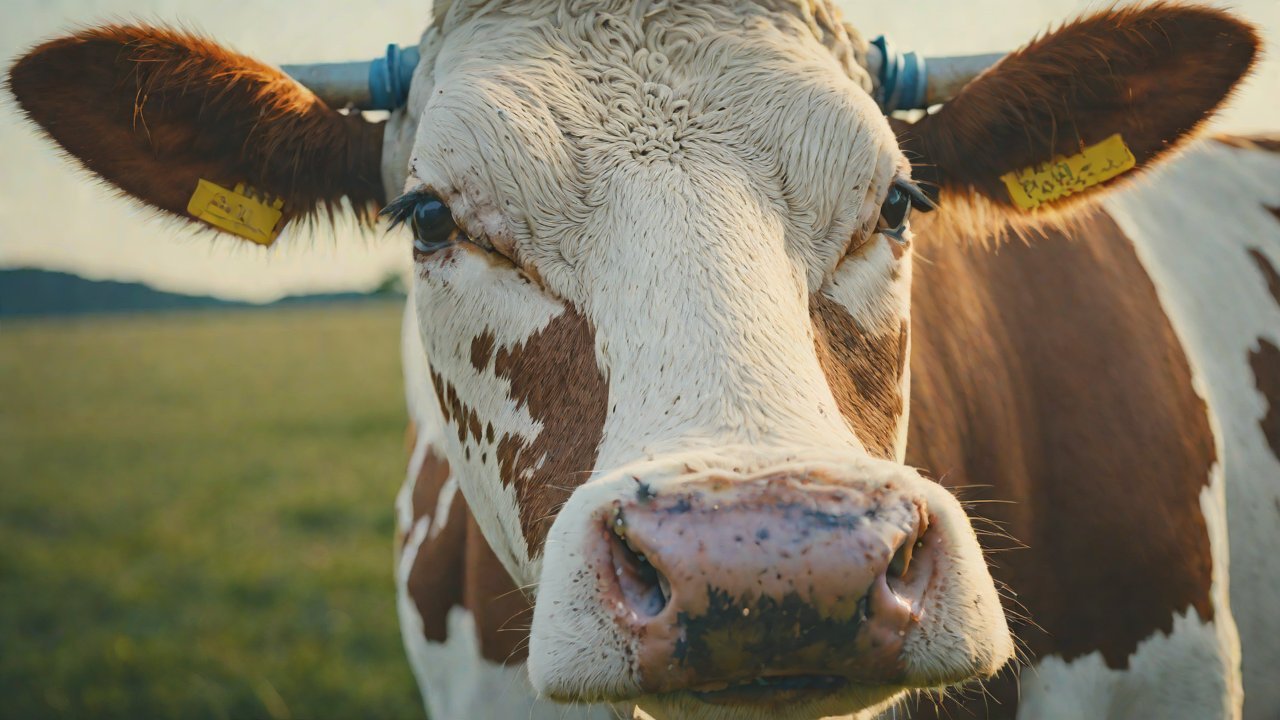
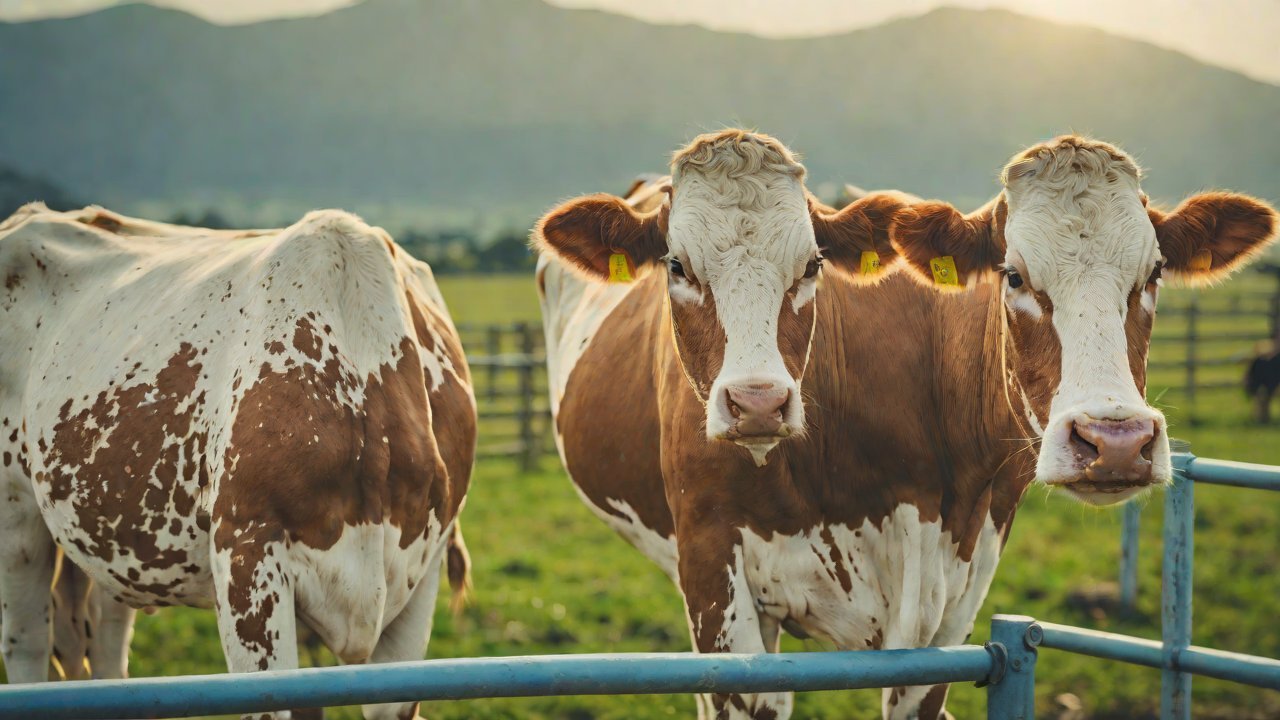
Cow facial recognition is a biometric technology that uses AI-powered algorithms to identify individual animals based on their unique facial features. This technology has been gaining traction in the agricultural industry, with several companies already offering cow facial recognition solutions. The benefits of this technology include:
- Improved accuracy: Cow facial recognition offers higher accuracy rates compared to traditional ear tagging methods, reducing the risk of misidentification.
- Increased efficiency: This technology enables farmers and ranchers to quickly and easily identify individual animals, streamlining their operations and reducing labor costs.
- Enhanced animal welfare: By eliminating the need for physical ear tags, cow facial recognition promotes a more humane and comfortable environment for animals.
Table 2: Key Features of Cow Facial Recognition Technology
| Feature | Description |
|---|---|
| Algorithm | AI-powered facial recognition algorithms |
| Accuracy | 99.9% accuracy rate |
| Efficiency | Reduces labor costs by up to 30% |
| Animal Welfare | Promotes a more humane and comfortable environment for animals |
3. Challenges and Limitations
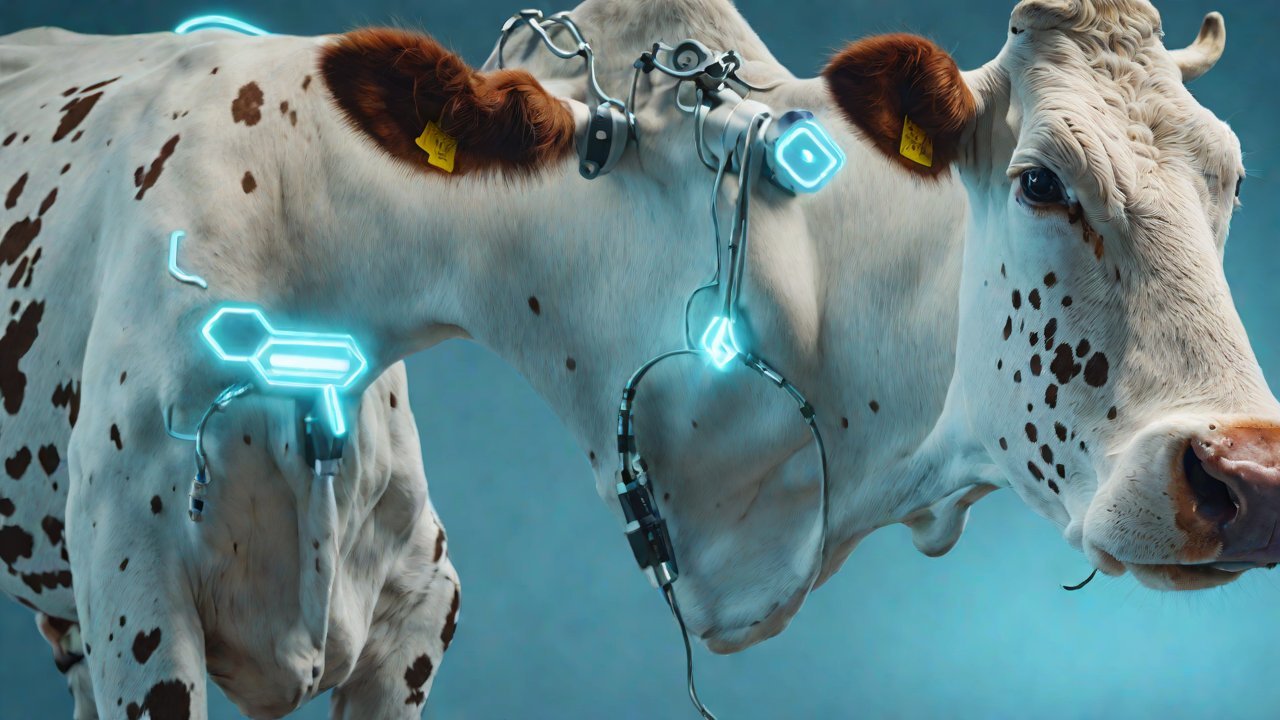
Despite the potential benefits of cow facial recognition, there are several challenges and limitations that need to be addressed. These include:
- Cost: The initial investment required to implement cow facial recognition technology can be substantial, making it inaccessible to smaller-scale farmers and ranchers.
- Data Quality: The accuracy of cow facial recognition technology relies on high-quality data, which can be challenging to obtain, especially in environments with poor lighting or limited camera angles.
- Regulatory Framework: The regulatory framework surrounding biometric technologies, including cow facial recognition, is still evolving and may present challenges for widespread adoption.
Table 3: Challenges and Limitations of Cow Facial Recognition Technology
| Challenge | Description |
|---|---|
| Cost | High initial investment required |
| Data Quality | Requires high-quality data for accurate results |
| Regulatory Framework | Evolving regulatory landscape |
4. Conclusion
The use of cow facial recognition technology has the potential to revolutionize the way farmers and ranchers manage their livestock. While there are challenges and limitations to be addressed, the benefits of this technology, including improved accuracy, increased efficiency, and enhanced animal welfare, make it an attractive alternative to traditional ear tagging methods. As the biometric market continues to grow, it is likely that cow facial recognition technology will become increasingly prevalent in the agricultural industry.
5. Future Outlook
The future of cow facial recognition technology looks promising, with several companies already investing heavily in this emerging technology. As the market continues to grow, we can expect to see:
- Increased adoption: More farmers and ranchers will adopt cow facial recognition technology, driving growth in the market.
- Improved accuracy: Advances in AI-powered algorithms will continue to improve the accuracy of cow facial recognition technology.
- Reduced costs: Economies of scale and increased competition will drive down costs, making cow facial recognition technology more accessible to smaller-scale farmers and ranchers.
In conclusion, the use of cow facial recognition technology has the potential to transform the agricultural industry, offering a more efficient, cost-effective, and humane alternative to traditional ear tagging methods. As the market continues to grow, it is likely that this technology will become increasingly prevalent, driving growth and innovation in the biometric industry.
IOT Cloud Platform
IOT Cloud Platform is an IoT portal established by a Chinese IoT company, focusing on technical solutions in the fields of agricultural IoT, industrial IoT, medical IoT, security IoT, military IoT, meteorological IoT, consumer IoT, automotive IoT, commercial IoT, infrastructure IoT, smart warehousing and logistics, smart home, smart city, smart healthcare, smart lighting, etc.
The IoT Cloud Platform blog is a top IoT technology stack, providing technical knowledge on IoT, robotics, artificial intelligence (generative artificial intelligence AIGC), edge computing, AR/VR, cloud computing, quantum computing, blockchain, smart surveillance cameras, drones, RFID tags, gateways, GPS, 3D printing, 4D printing, autonomous driving, etc.