Will ants nesting in equipment junction boxes cause short circuits?
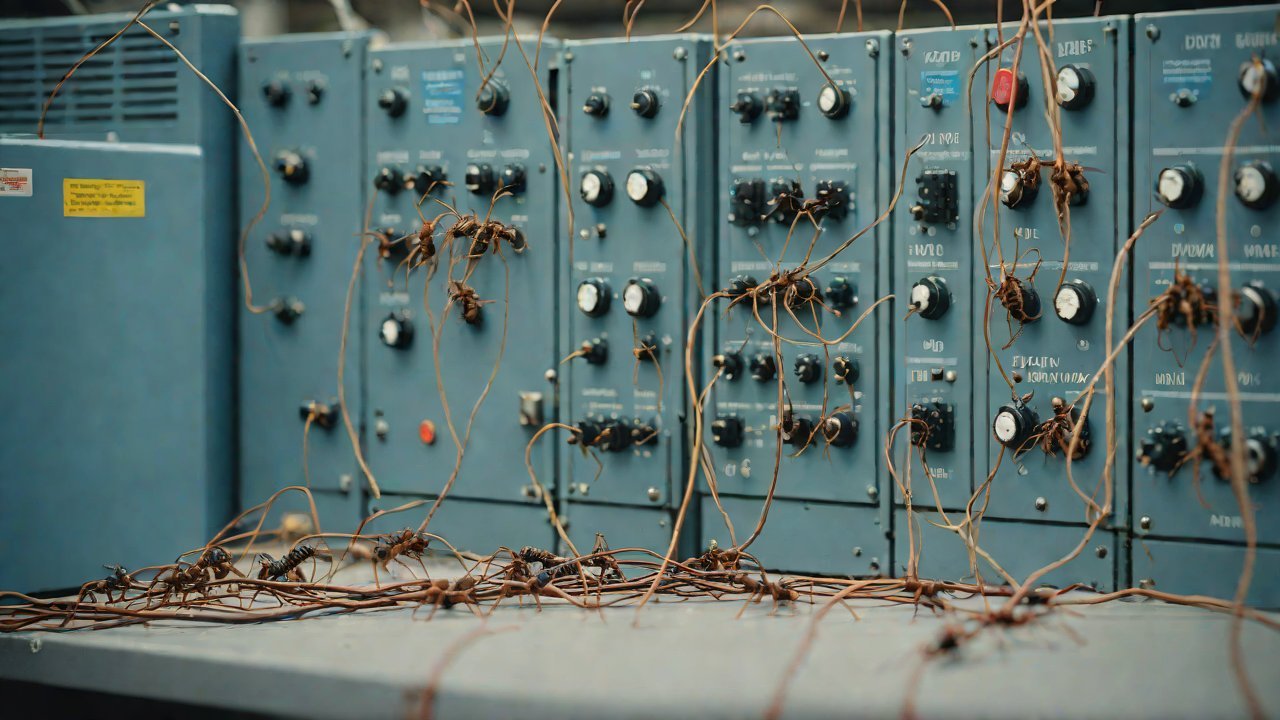
In the heart of industrial facilities, where machinery hums to life, a quiet yet formidable force is at work: the humble ant. These tiny creatures are notorious for infiltrating even the most seemingly impenetrable spaces, including equipment junction boxes. As they scurry about, their very presence raises an eyebrow among maintenance personnel and engineers alike. Can ants nesting in equipment junction boxes indeed cause short circuits? To answer this question, we must delve into the intricate world of electrical engineering, ant behavior, and the complex interactions between these two seemingly disparate domains.
1. Background: The Electrical Infrastructure
Equipment junction boxes are critical components in any industrial setting, housing wiring, circuit breakers, and other essential electrical equipment. These boxes serve as central hubs for managing power distribution to various machines and systems within a facility. They must operate flawlessly to ensure the smooth operation of production lines, prevent downtime, and safeguard against potential safety hazards.
The electrical infrastructure is a complex web of conductors, insulators, and circuit breakers designed to handle varying loads and protect against overcurrents. However, it’s not immune to external factors that can compromise its integrity. Environmental conditions such as temperature fluctuations, humidity, and contamination can all impact the performance and lifespan of electrical equipment.
2. Ant Behavior: A Threat to Electrical Integrity?
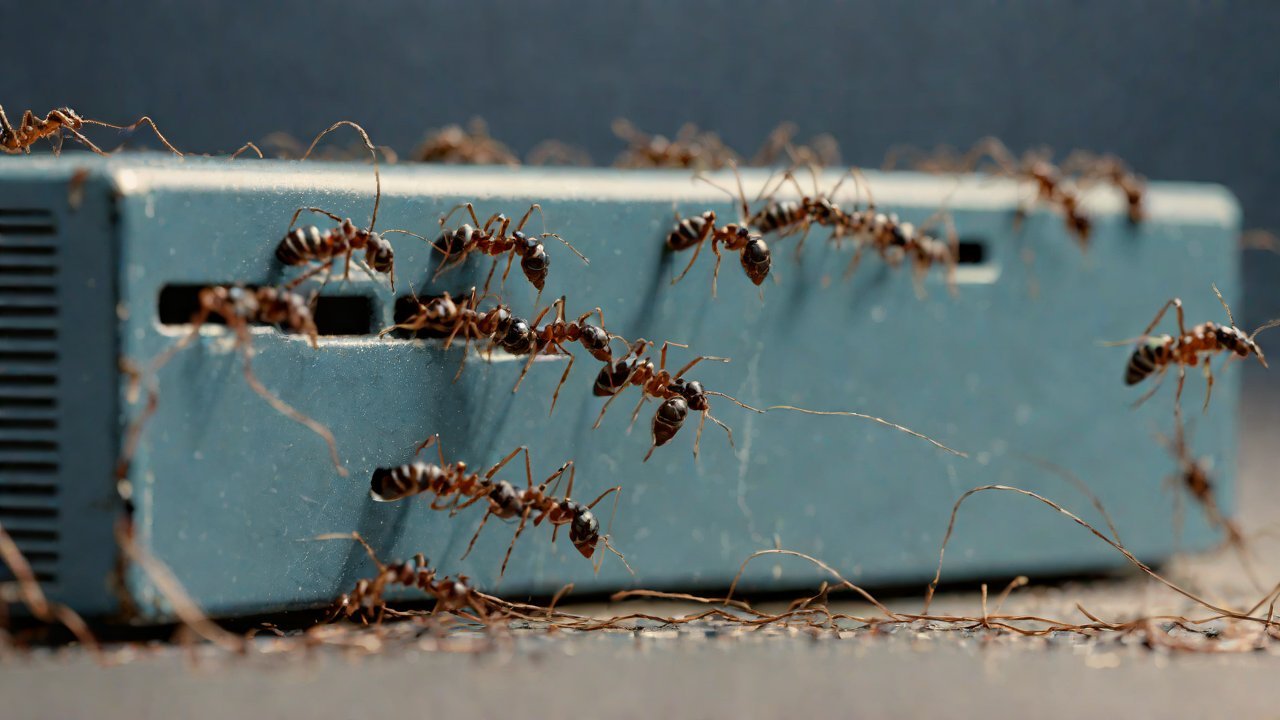
Ants are social insects known for their organization, communication, and adaptability. They thrive in environments with abundant food sources and stable temperatures. In industrial settings, ants often find themselves drawn to the warmth emanating from machinery and electrical components. This attraction can lead them to inhabit junction boxes, where they may nest among wiring and circuitry.
Research has shown that certain ant species are capable of manipulating materials to suit their needs. For instance, leafcutter ants (Atta cephalotes) have been observed using plant material to construct complex underground colonies. Similarly, some ant species can alter the structure of electrical components by nesting within them. This behavior poses a risk of physical damage to wiring and circuitry.
3. The Risk of Short Circuits
Short circuits occur when there is an unintended path for electric current to flow between two or more points in an electrical circuit. This can happen due to various reasons, including wear and tear on equipment, improper installation, or external factors such as water ingress or physical damage.
The nesting habits of ants within junction boxes introduce several variables that could lead to short circuits:
- Physical Damage: Ants may inadvertently chew through insulation, expose conductors, or create pathways for electrical current to flow between live wires and ground.
| Ant Species | Nesting Behavior | Potential Impact |
|---|---|---|
| Leafcutter ant | Constructs complex underground colonies using plant material | Physical damage to wiring and circuitry |
| Argentine ant | Forms large, invasive colonies that can alter the structure of electrical components | Exposes conductors or creates pathways for short circuits |
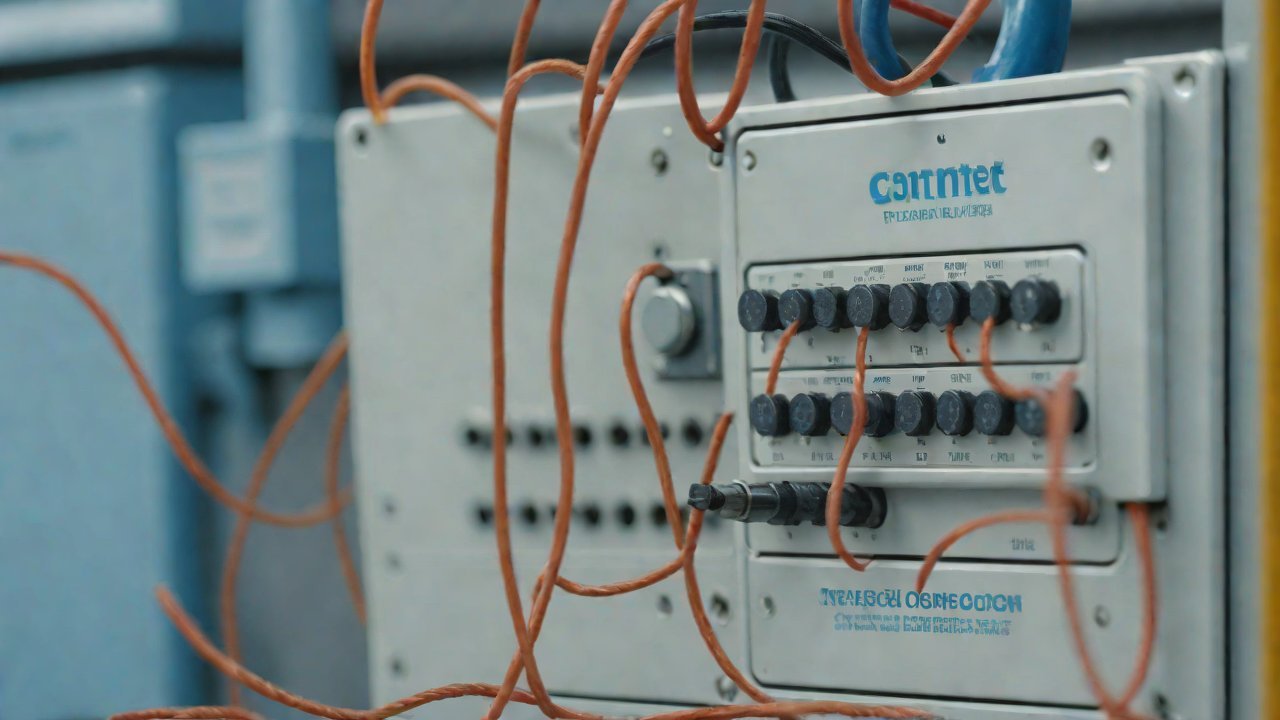
- Contamination: Ants may deposit pheromones or other substances within junction boxes, which could lead to moisture accumulation or insulation degradation.
4. Market Data and AIGC Perspectives
The economic impact of ant-related damage to industrial equipment is substantial. According to a study by the International Association of Electrical Inspectors (IAEI), electrical failures in industrial settings cost companies an estimated $50 billion annually in the United States alone.
From an AIGC perspective, the risk assessment involves evaluating the likelihood and potential consequences of ants nesting in junction boxes causing short circuits. This includes considering factors such as ant species distribution, environmental conditions within facilities, and the design and construction of electrical infrastructure.
5. Mitigation Strategies
While the presence of ants in equipment junction boxes poses a significant risk, there are several strategies to mitigate this threat:

-
Seal all entry points: Regularly inspect facilities for signs of ant activity and seal any cracks or crevices that could serve as entry points.
-
Use ant-deterrent coatings: Apply materials with known ant-repellent properties to electrical components and junction boxes.
-
Implement regular cleaning schedules: Maintain cleanliness in areas surrounding equipment, focusing on removing crumbs and spills that can attract ants.
6. Conclusion
The possibility of ants nesting in equipment junction boxes causing short circuits is a legitimate concern for industrial facilities worldwide. By understanding the behavior of various ant species and their potential impact on electrical infrastructure, managers and engineers can take proactive steps to prevent such incidents.
A comprehensive risk assessment should be conducted to evaluate specific threats based on location, climate, and local ant populations. This approach ensures that facilities are prepared to handle any unexpected events while minimizing downtime and ensuring the safety of personnel.
As we continue to navigate the complex interplay between natural and industrial environments, it is crucial to acknowledge the importance of considering even the smallest elements in our pursuit of efficiency and reliability.
IOT Cloud Platform
IOT Cloud Platform is an IoT portal established by a Chinese IoT company, focusing on technical solutions in the fields of agricultural IoT, industrial IoT, medical IoT, security IoT, military IoT, meteorological IoT, consumer IoT, automotive IoT, commercial IoT, infrastructure IoT, smart warehousing and logistics, smart home, smart city, smart healthcare, smart lighting, etc.
The IoT Cloud Platform blog is a top IoT technology stack, providing technical knowledge on IoT, robotics, artificial intelligence (generative artificial intelligence AIGC), edge computing, AR/VR, cloud computing, quantum computing, blockchain, smart surveillance cameras, drones, RFID tags, gateways, GPS, 3D printing, 4D printing, autonomous driving, etc.