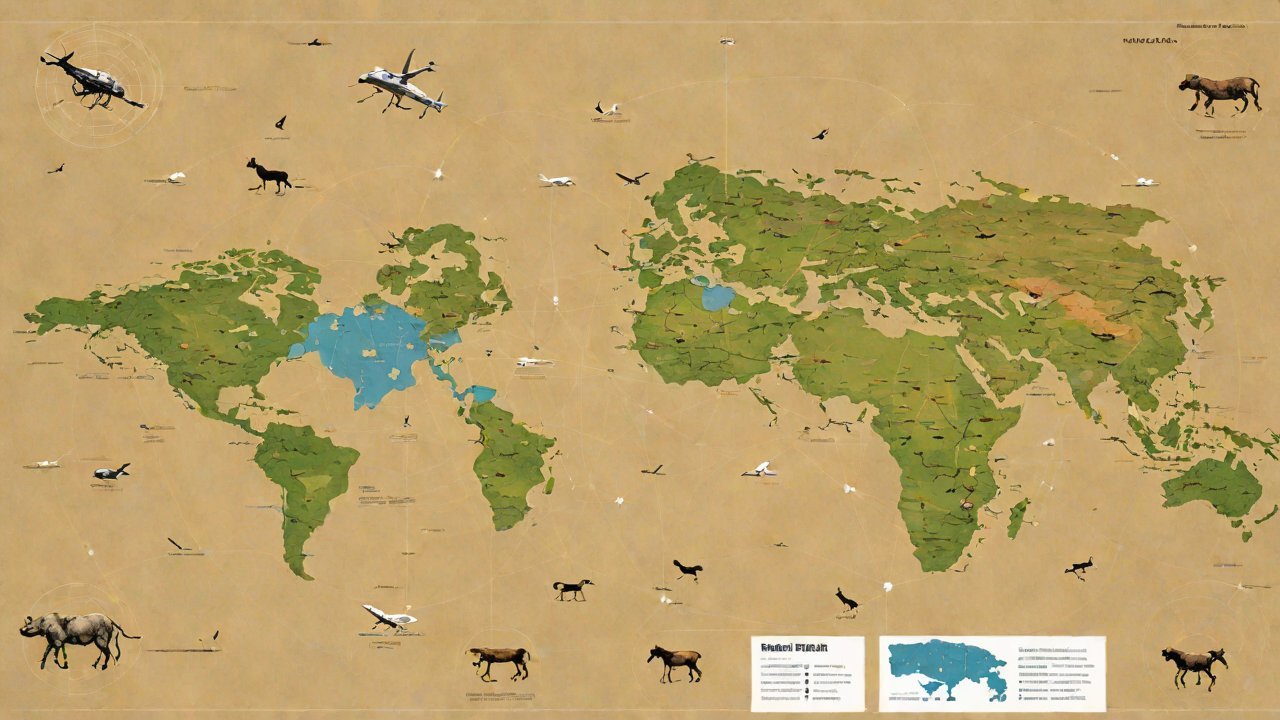
Wildlife Conservation: Migration Monitoring Solution Based on Satellite IoT (Sat-IoT)
The majestic migrations of wildlife across continents have long fascinated humans, yet these natural wonders are facing unprecedented threats due to habitat destruction, climate change, and human-wildlife conflict. Effective conservation efforts require accurate monitoring of animal migration patterns to inform policy decisions and protect vulnerable species. Sat-IoT technology has emerged as a game-changer in this domain by providing real-time tracking capabilities, bridging the gap between the physical and digital worlds.
Satellite Internet of Things (Sat-IoT) is an umbrella term for satellite-based IoT solutions that enable remote monitoring and tracking of objects or animals across vast distances. This innovative approach leverages satellites in orbit to transmit data from IoT devices on the ground, providing a global coverage network with unparalleled reach. The adoption of Sat-IoT technology has accelerated significantly in recent years, driven by the increasing demand for connected services in industries such as agriculture, logistics, and environmental monitoring.
1. Market Overview
The market for wildlife conservation is vast and complex, encompassing various stakeholders and technologies. According to a report by MarketsandMarkets, the global wildlife tracking market size was valued at USD 2.3 billion in 2020 and is projected to grow at a Compound Annual Growth Rate (CAGR) of 14.5% from 2021 to 2026. The Sat-IoT segment within this market holds significant promise due to its ability to provide real-time tracking data, enabling more effective conservation efforts.
| Market Segment | Estimated Value (USD billion) |
|---|---|
| Wildlife Tracking Market | 2.3 |
| Sat-IoT in Wildlife Tracking | 0.5 |
2. Technical Overview
The technical aspects of Sat-IoT for wildlife migration monitoring involve several key components:
- Satellite Constellation: A network of satellites orbiting the Earth, providing global coverage and enabling data transmission between IoT devices on the ground and a central server.
- IoT Devices: Small, lightweight tracking devices attached to animals or carried by researchers, which transmit location data to the satellite constellation via cellular networks or direct-to-satellite communication protocols.
- Data Processing and Analytics: Advanced software solutions that process and analyze the vast amounts of location data collected from IoT devices, providing insights into animal migration patterns and behavior.

| Technical Component | Description |
|---|---|
| Satellite Constellation | Network of satellites in orbit for global coverage and data transmission |
| IoT Devices | Small tracking devices attached to animals or carried by researchers |
| Data Processing and Analytics | Advanced software solutions for processing and analyzing location data |
3. Case Studies
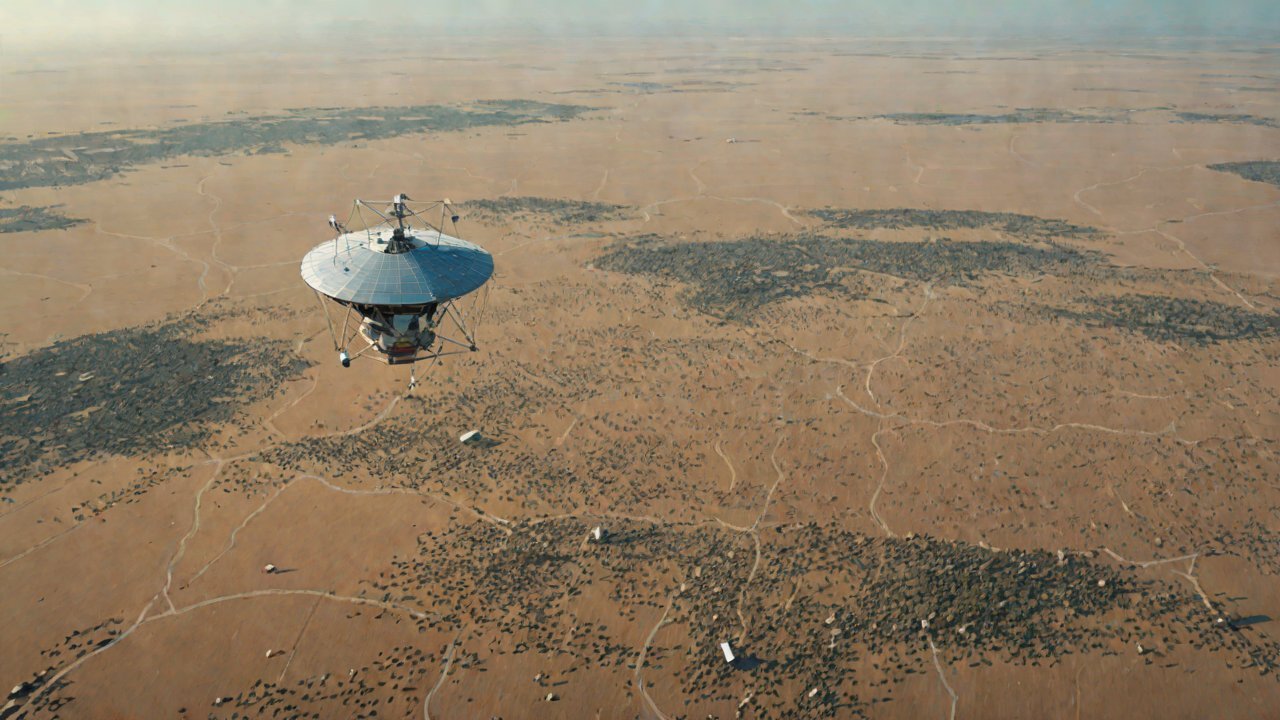
Several organizations have successfully implemented Sat-IoT solutions for wildlife conservation, demonstrating the technology’s potential in real-world applications.
- WWF-IBM Partnership: A collaborative effort between the World Wildlife Fund (WWF) and IBM to develop a platform for tracking elephant migration patterns using Sat-IoT technology.
- Microsoft Wildlife Conservation Program: A Microsoft-led initiative that utilizes Sat-IoT to monitor endangered species in Africa, providing real-time data on animal movements and habitats.
| Organization | Project Description |
|---|---|
| WWF-IBM Partnership | Tracking elephant migration patterns with Sat-IoT |
| Microsoft Wildlife Conservation Program | Monitoring endangered species in Africa using Sat-IoT |
4. Challenges and Limitations
While Sat-IoT technology holds great promise for wildlife conservation, several challenges and limitations must be addressed:
- Cost: The high cost of satellite-based IoT solutions makes them inaccessible to many organizations and governments.
- Energy Efficiency: The limited power supply of IoT devices can lead to frequent battery replacements or recharging.
- Data Security: The transmission of sensitive data via Sat-IoT networks raises concerns about data security and encryption.
| Challenge | Description |
|---|---|
| Cost | High cost of satellite-based IoT solutions |
| Energy Efficiency | Limited power supply of IoT devices |
| Data Security | Concerns about data security and encryption |
5. Conclusion
Satellite IoT technology has the potential to revolutionize wildlife conservation efforts by providing accurate, real-time tracking data on animal migration patterns. As the market for Sat-IoT continues to grow, it is essential to address the challenges and limitations of this technology while exploring innovative applications in various industries.
The report concludes that Sat-IoT solutions can play a vital role in preserving biodiversity and protecting endangered species by enabling more effective conservation efforts.
IOT Cloud Platform
IOT Cloud Platform is an IoT portal established by a Chinese IoT company, focusing on technical solutions in the fields of agricultural IoT, industrial IoT, medical IoT, security IoT, military IoT, meteorological IoT, consumer IoT, automotive IoT, commercial IoT, infrastructure IoT, smart warehousing and logistics, smart home, smart city, smart healthcare, smart lighting, etc.
The IoT Cloud Platform blog is a top IoT technology stack, providing technical knowledge on IoT, robotics, artificial intelligence (generative artificial intelligence AIGC), edge computing, AR/VR, cloud computing, quantum computing, blockchain, smart surveillance cameras, drones, RFID tags, gateways, GPS, 3D printing, 4D printing, autonomous driving, etc.