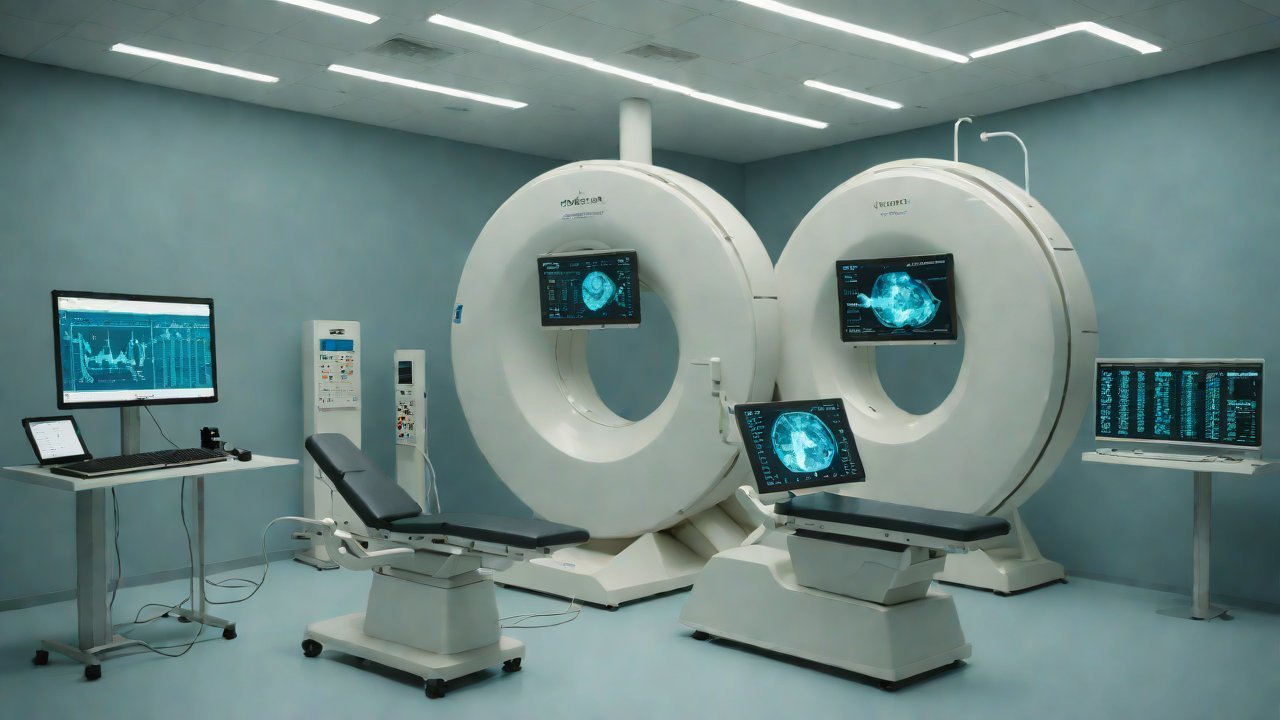
Why Does Your IoMT Monitoring Terminal Show Data Glitch When Approaching Large MRI Machines?
As medical professionals and patients increasingly rely on Internet of Medical Things (IoMT) monitoring terminals to track vital signs, monitor treatments, and analyze health data, a peculiar phenomenon has been observed: IoMT devices often malfunction or display data glitches when approaching large Magnetic Resonance Imaging (MRI) machines. This issue not only compromises the accuracy of medical data but also raises concerns about patient safety.
The impact of this problem cannot be overstated. According to a report by Grand View Research, the global IoMT market is expected to reach $158 billion by 2028, driven in part by increasing demand for remote healthcare services and the growing need for real-time monitoring of medical data. However, if IoMT devices are unable to function properly near MRI machines – which are commonly used in hospitals and clinics worldwide – this could have far-reaching consequences for the industry.
1. Background on IoMT Devices
IoMT devices are designed to connect medical equipment and sensors to a network, enabling real-time monitoring and analysis of patient data. These devices often employ wireless communication protocols such as Wi-Fi or Bluetooth Low Energy (BLE) to transmit data between medical devices and the cloud. However, these protocols can be vulnerable to interference from other devices operating in the same frequency range.
2. The Role of MRI Machines
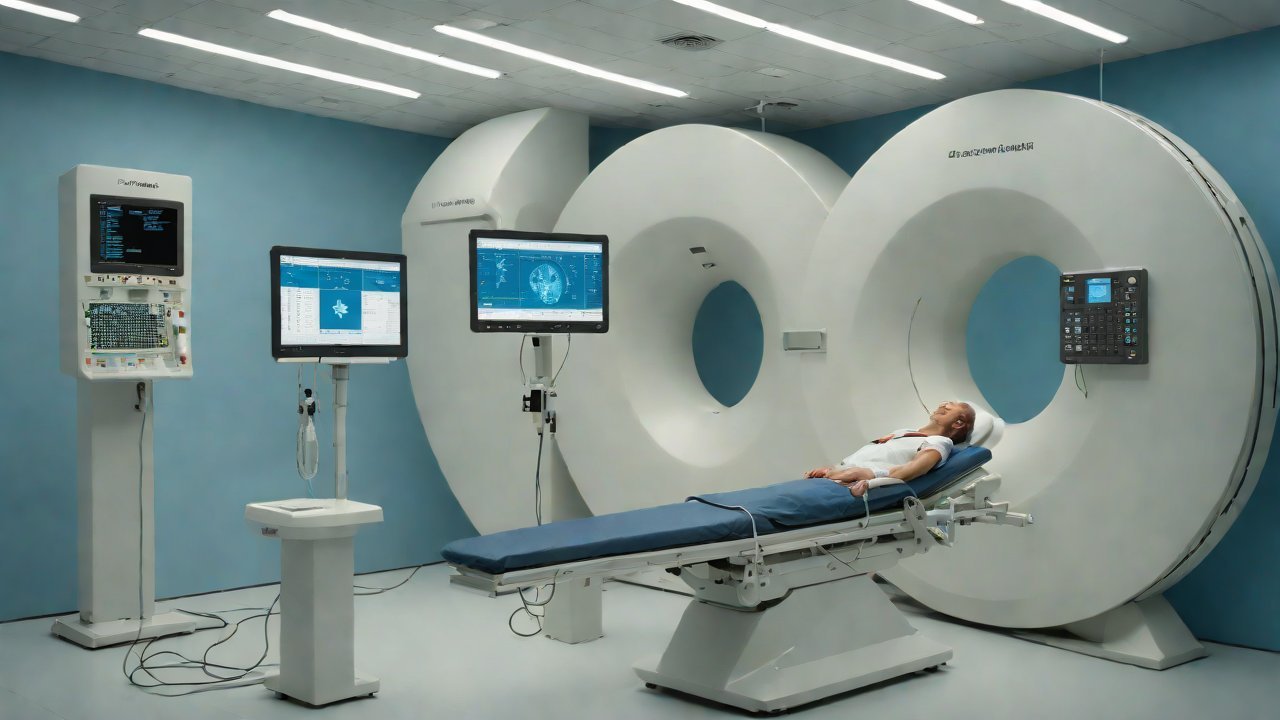
MRI machines are sophisticated medical imaging devices that use strong magnetic fields and radio waves to create detailed images of the body’s internal structures. They operate at extremely low frequencies (ELF) – typically between 1-100 Hz – which is significantly lower than the operating frequency range of most IoMT devices.
3. Electromagnetic Interference (EMI)
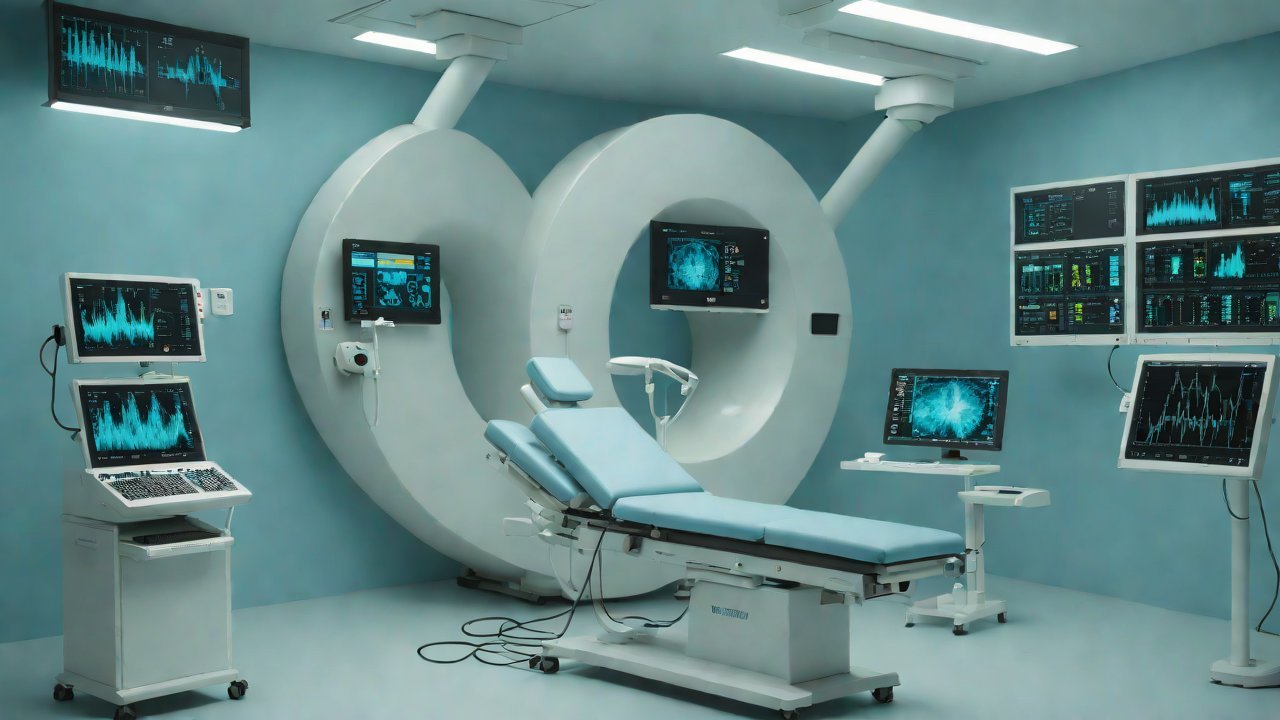
When an IoMT device approaches a large MRI machine, it can be exposed to electromagnetic interference (EMI) generated by the MRI’s strong magnetic fields and radio waves. This EMI can disrupt the operation of the IoMT device, causing data glitches or complete system failure.
| Device Type | Operating Frequency Range |
|---|---|
| Wi-Fi | 2.4 GHz – 5 GHz |
| Bluetooth Low Energy (BLE) | 2.4 GHz |
| MRI Machines | 1-100 Hz |
4. Factors Contributing to Data Glitches
Several factors contribute to the likelihood of data glitches when approaching large MRI machines:
- Distance and Proximity: The closer an IoMT device is to an MRI machine, the greater the risk of EMI-induced interference.
- Magnetic Field Strength: Stronger magnetic fields can generate more intense EMI, increasing the likelihood of data glitches.
- Device Design and Materials: The design and materials used in IoMT devices can affect their susceptibility to EMI. For example, devices with metal components may be more prone to interference.
5. Impact on Patient Safety
Data glitches caused by EMI from MRI machines can compromise patient safety in several ways:
- Inaccurate Data: Incorrect or missing data can lead to misdiagnosis or delayed treatment.
- System Failure: Complete system failure can leave patients without access to critical medical care.
6. Mitigation Strategies
Several strategies can help mitigate the impact of EMI-induced data glitches when approaching large MRI machines:
- Shielding and Enclosure: Using shielding materials or enclosures around IoMT devices can reduce their susceptibility to EMI.
- Frequency Hopping Spread Spectrum (FHSS): Implementing FHSS protocols in IoMT devices can help minimize interference from other devices operating in the same frequency range.
- EMI-Resistant Design: Designing IoMT devices with EMI-resistant materials and components can reduce their vulnerability to interference.
7. Future Directions
As the demand for remote healthcare services continues to grow, it is essential that IoMT device manufacturers prioritize EMI-resistance and develop mitigation strategies to ensure seamless operation near MRI machines. This may involve:
- Collaboration with MRI Manufacturers: Working closely with MRI manufacturers to understand the specific EMI characteristics of their devices.
- Development of EMI-Resistant Materials: Researching and developing new materials that can effectively shield IoMT devices from EMI.
In conclusion, the issue of data glitches when approaching large MRI machines is a pressing concern for the IoMT industry. By understanding the underlying causes and implementing mitigation strategies, manufacturers can ensure the seamless operation of their devices in environments where MRI machines are present. This will not only improve patient safety but also contribute to the growth and adoption of remote healthcare services worldwide.
IOT Cloud Platform
IOT Cloud Platform is an IoT portal established by a Chinese IoT company, focusing on technical solutions in the fields of agricultural IoT, industrial IoT, medical IoT, security IoT, military IoT, meteorological IoT, consumer IoT, automotive IoT, commercial IoT, infrastructure IoT, smart warehousing and logistics, smart home, smart city, smart healthcare, smart lighting, etc.
The IoT Cloud Platform blog is a top IoT technology stack, providing technical knowledge on IoT, robotics, artificial intelligence (generative artificial intelligence AIGC), edge computing, AR/VR, cloud computing, quantum computing, blockchain, smart surveillance cameras, drones, RFID tags, gateways, GPS, 3D printing, 4D printing, autonomous driving, etc.
Note: This article was professionally generated with the assistance of AIGC and has been fact-checked and manually corrected by IoT expert editor IoTCloudPlatForm.