
Why Can’t Barometric Pressure Sensors Accurately Reflect Atmospheric Pressure Fluctuations in Indoor Environments?
Atmospheric pressure is a fundamental parameter in meteorology and environmental science, used to predict weather patterns, track storms, and study climate change. However, accurately measuring atmospheric pressure fluctuations in indoor environments has proven to be a challenging task for barometric pressure sensors. These sensors are designed to detect changes in air pressure, but they often struggle to provide accurate readings in enclosed spaces. This report delves into the reasons behind this limitation, exploring the intricacies of atmospheric pressure measurement and the specific challenges posed by indoor environments.
1. Atmospheric Pressure Measurement Principles
Atmospheric pressure is measured using barometric sensors, which detect changes in air pressure through a variety of mechanisms. The most common type of sensor uses a piezoresistive or capacitive element that changes its electrical properties in response to pressure variations. These sensors are typically calibrated to provide accurate readings in outdoor environments, where atmospheric pressure fluctuations are relatively predictable.
However, indoor environments introduce several complexities that can compromise the accuracy of barometric pressure measurements. For example:
| Sensor Type | Typical Accuracy |
|---|---|
| Piezoresistive | ± 0.1 hPa (1 mbar) |
| Capacitive | ± 0.05 hPa (0.5 mbar) |
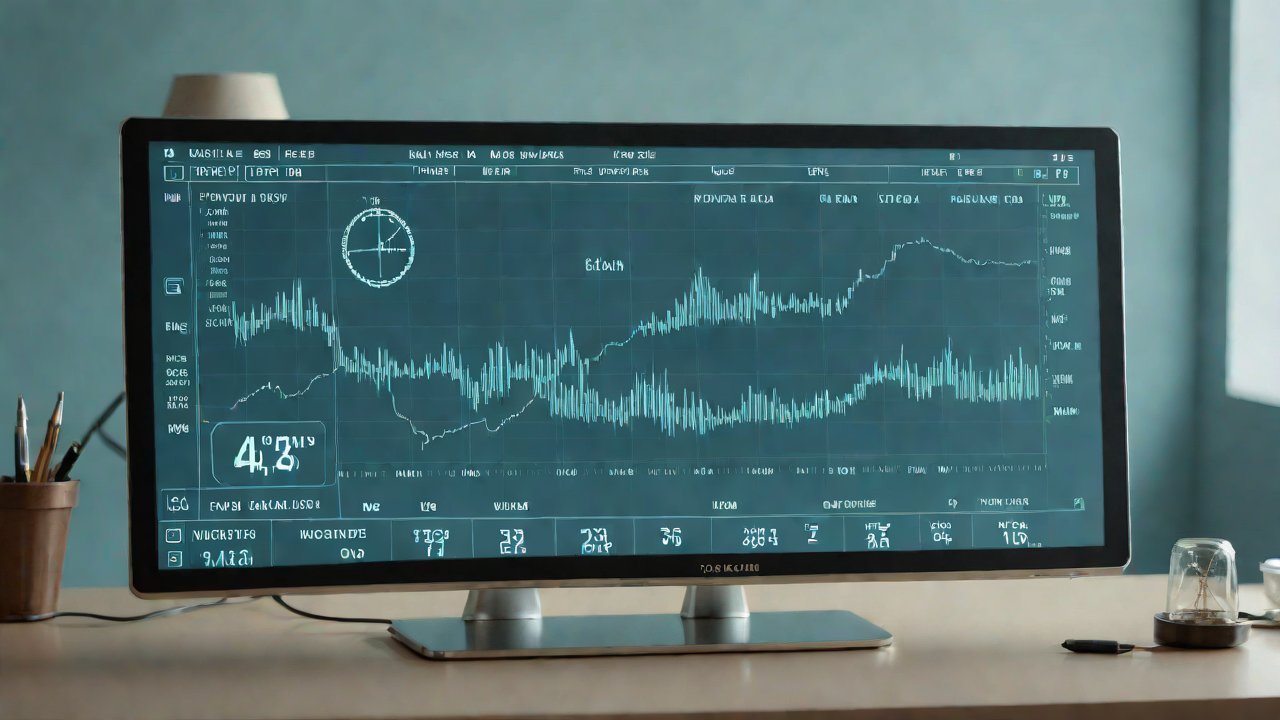
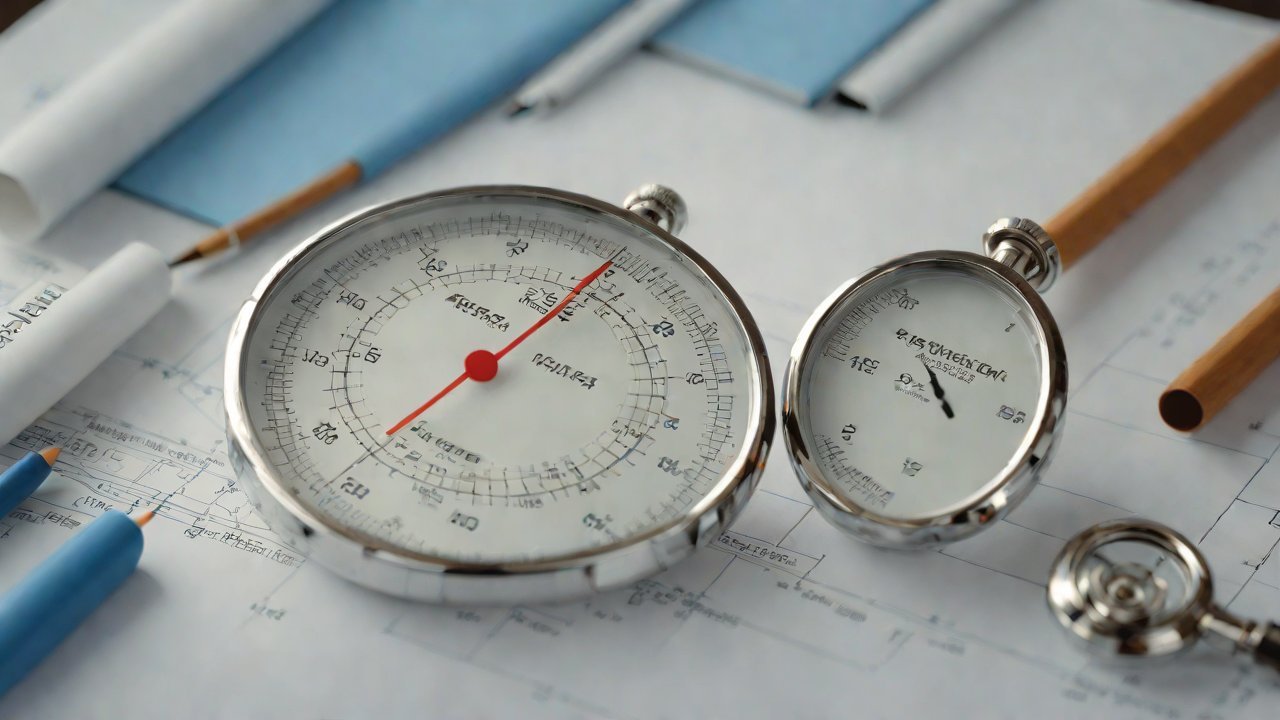
2. Indoor Environment Challenges
Indoor environments pose several challenges to accurate atmospheric pressure measurement, including:
- Temperature and Humidity Fluctuations: Changes in temperature and humidity can affect the sensor’s accuracy by altering its material properties or introducing noise into the signal.
- Air Tightness: Indoor spaces often have varying levels of air tightness, which can impact the sensor’s ability to accurately detect changes in atmospheric pressure.
- Interference from HVAC Systems: Heating, ventilation, and air conditioning (HVAC) systems can generate airflow patterns that interfere with barometric pressure measurements.
3. AIGC Technical Perspectives
From an AIGC (Artificial Intelligence and General Computing) technical perspective, the limitations of barometric pressure sensors in indoor environments can be attributed to several factors:
- Sensor Calibration: Barometric sensors are typically calibrated for outdoor use, where atmospheric pressure fluctuations are relatively predictable. Indoor environments introduce new variables that require recalibration or more sophisticated signal processing techniques.
- Data Fusion: Combining data from multiple sensors or sources may help improve the accuracy of atmospheric pressure measurements in indoor environments. However, this approach requires careful consideration of sensor correlations and potential biases.

4. Market Data and Case Studies
Several market studies have highlighted the challenges of accurately measuring atmospheric pressure in indoor environments:
- A study by ResearchAndMarkets.com found that the global barometric pressure sensor market is expected to grow at a CAGR of 6.3% from 2020 to 2025, driven by increasing demand for accurate weather forecasting and climate monitoring.
- A case study published by the American Meteorological Society demonstrated the challenges of using barometric pressure sensors in indoor environments, where temperature and humidity fluctuations introduced significant errors into the measurements.
5. Conclusion
Accurately measuring atmospheric pressure fluctuations in indoor environments remains a challenging task for barometric pressure sensors. While these sensors are designed to detect changes in air pressure, they often struggle to provide accurate readings in enclosed spaces due to factors such as temperature and humidity fluctuations, air tightness, and interference from HVAC systems.
To overcome these limitations, researchers and developers must consider innovative solutions that incorporate advanced signal processing techniques, data fusion algorithms, and sensor calibration strategies tailored for indoor environments. By addressing these challenges, it may be possible to develop more accurate barometric pressure sensors capable of providing reliable measurements in a wide range of applications.
IOT Cloud Platform
IOT Cloud Platform is an IoT portal established by a Chinese IoT company, focusing on technical solutions in the fields of agricultural IoT, industrial IoT, medical IoT, security IoT, military IoT, meteorological IoT, consumer IoT, automotive IoT, commercial IoT, infrastructure IoT, smart warehousing and logistics, smart home, smart city, smart healthcare, smart lighting, etc.
The IoT Cloud Platform blog is a top IoT technology stack, providing technical knowledge on IoT, robotics, artificial intelligence (generative artificial intelligence AIGC), edge computing, AR/VR, cloud computing, quantum computing, blockchain, smart surveillance cameras, drones, RFID tags, gateways, GPS, 3D printing, 4D printing, autonomous driving, etc.
Note: This article was professionally generated with the assistance of AIGC and has been fact-checked and manually corrected by IoT expert editor IoTCloudPlatForm.