
Why are there discrepancies between readings from handheld inspection devices and buried sensors?
In the realm of pipeline integrity management, a critical challenge has emerged: reconciling disparate readings from handheld inspection devices and buried sensors. These two technologies, once hailed as revolutionary for their ability to detect anomalies in pipelines, now face scrutiny due to discrepancies that undermine confidence in their collective assessment. The stakes are high, with billions of dollars at risk from inaccurate assessments leading to premature repairs or unnecessary replacements. As the industry grapples with this issue, it’s clear that a comprehensive analysis is required.
1. Understanding the Context
The use of handheld inspection devices and buried sensors has become increasingly prevalent in pipeline integrity management due to their ability to provide real-time data on pipe condition. Handheld devices, such as ultrasonic testing (UT) tools, are used for external inspections, offering a rapid assessment of surface conditions. Buried sensors, including smart pig technologies, are inserted into the pipeline for internal inspections, providing detailed information about the pipe’s internal condition.
However, discrepancies between readings from these two types of inspection devices have become a significant concern. These discrepancies can be attributed to several factors, including:
-
Instrumentation Variability: Differences in instrumentation and calibration among handheld devices can lead to inconsistent results.
-
Environmental Factors: Weather conditions, soil composition, and other environmental factors can affect the accuracy of readings from buried sensors.
-
Inspection Protocol Variability: The complexity of inspection protocols and the expertise of operators conducting inspections can also introduce variability.
2. Technical Considerations
a. Instrumentation Differences
Handheld devices and buried sensors employ different technologies to gather data, each with its unique characteristics and limitations.
| Device Type | Technology Used | Typical Applications |
|---|---|---|
| Handheld UT | Ultrasonic waves | External wall thickness measurement |
| Buried Sensors | Magnetic flux leakage | Internal corrosion detection |

These differences in technology not only contribute to discrepancies but also highlight the need for standardization and calibration protocols.
b. Environmental Factors
Environmental conditions can significantly impact the accuracy of readings from buried sensors.
| Factor | Impact on Accuracy |
|---|---|
| Temperature | Affects sensor performance |
| Soil Composition | Interferes with signal strength |
Understanding these environmental factors is crucial for selecting appropriate technologies and ensuring accurate data interpretation.
3. Industry Perspectives
The discrepancies between handheld inspection devices and buried sensors have sparked a debate within the pipeline integrity management community.
a. Regulatory Oversight
Regulatory bodies are increasingly scrutinizing inspection results to ensure compliance with safety standards. Discrepancies can lead to costly re-inspections and potential fines for non-compliance.
| Regulatory Body | Typical Penalties |
|---|---|
| OSHA (USA) | Up to $70,000 per violation |
| HSE (UK) | Unlimited fines |

b. Economic Implications
The cost of inaccurate assessments is substantial, including unnecessary repairs or replacements, which can be mitigated by standardizing inspection protocols and ensuring data consistency.
| Cost Category | Estimated Average Cost |
|---|---|
| Inspection Costs | $100,000 to $500,000 per project |
| Repair/Replacement | $1 million to $5 million per occurrence |
4. AIGC Depth: Advanced Inspection Technologies
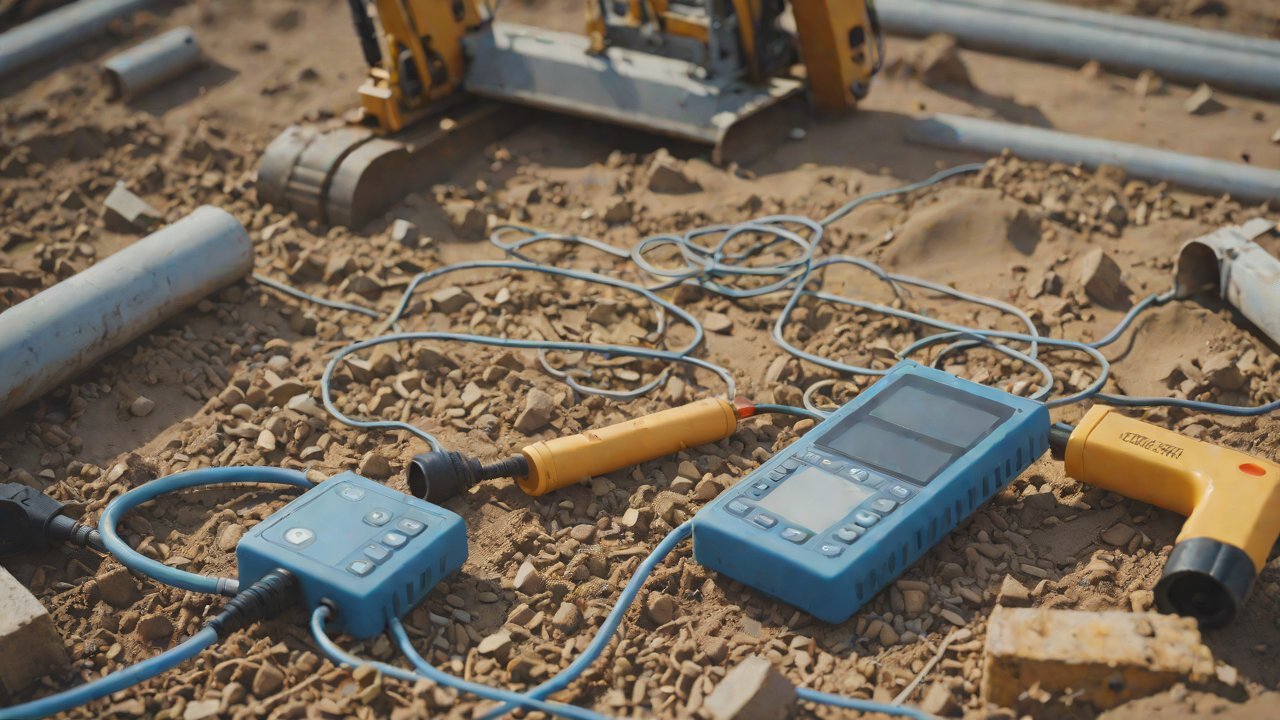
The industry is moving towards more advanced inspection technologies that can provide real-time data and reduce discrepancies.
a. Real-Time Data Analysis
Advanced sensors and data analytics software can process information in real-time, reducing the likelihood of human error during inspections.
| Technology | Description |
|---|---|
| AI-powered Sensors | Real-time data analysis for immediate insights |
b. Standardization Efforts
Initiatives aimed at standardizing inspection protocols and calibrating devices are underway to minimize discrepancies.
| Organization | Initiative |
|---|---|
| API (American Petroleum Institute) | Standardized inspection guidelines |
5. Conclusion
The discrepancies between handheld inspection devices and buried sensors in pipeline integrity management pose significant challenges, from regulatory compliance to economic implications. Addressing these issues requires a comprehensive approach that includes standardizing inspection protocols, ensuring calibration consistency, and adopting advanced technologies that can provide real-time data analysis.
As the industry continues to evolve, it’s clear that addressing the discrepancies between handheld devices and buried sensors is not just a technical challenge but also an opportunity for innovation and improvement in pipeline integrity management.
IOT Cloud Platform
IOT Cloud Platform is an IoT portal established by a Chinese IoT company, focusing on technical solutions in the fields of agricultural IoT, industrial IoT, medical IoT, security IoT, military IoT, meteorological IoT, consumer IoT, automotive IoT, commercial IoT, infrastructure IoT, smart warehousing and logistics, smart home, smart city, smart healthcare, smart lighting, etc.
The IoT Cloud Platform blog is a top IoT technology stack, providing technical knowledge on IoT, robotics, artificial intelligence (generative artificial intelligence AIGC), edge computing, AR/VR, cloud computing, quantum computing, blockchain, smart surveillance cameras, drones, RFID tags, gateways, GPS, 3D printing, 4D printing, autonomous driving, etc.



