When using supplemental lighting in smart greenhouses, does the soil transpiration rate algorithm need adjustment?
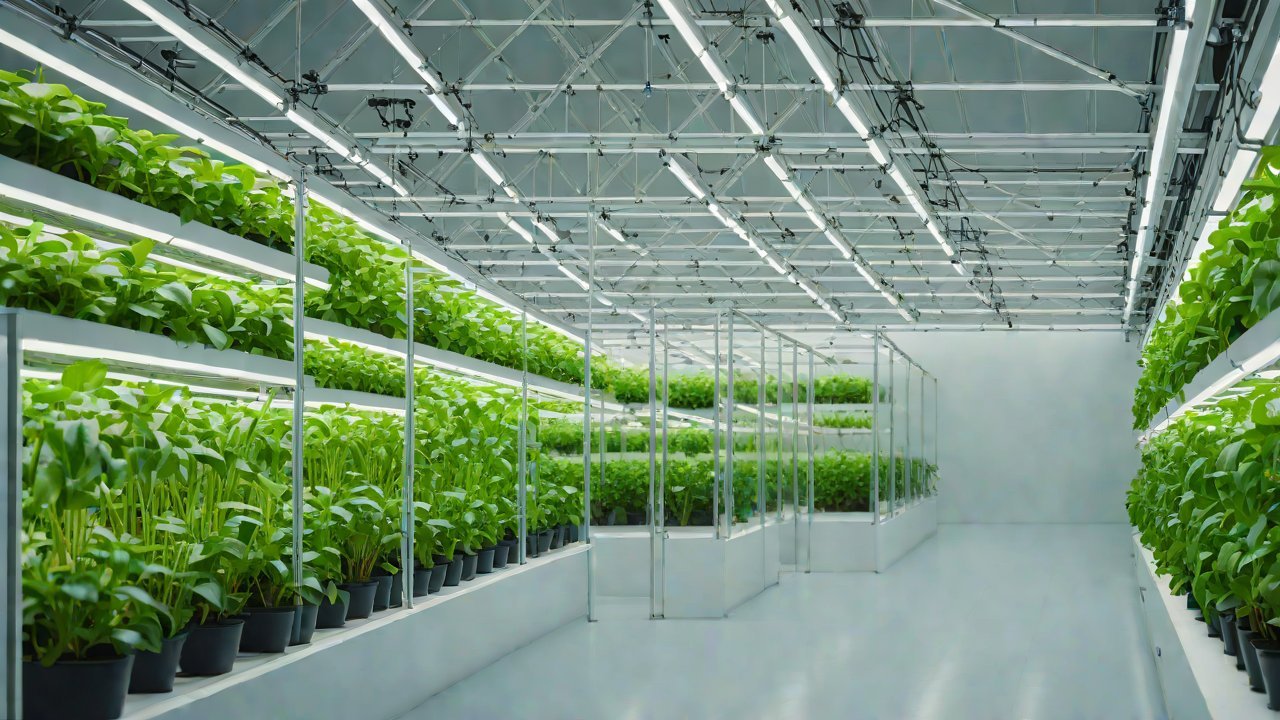
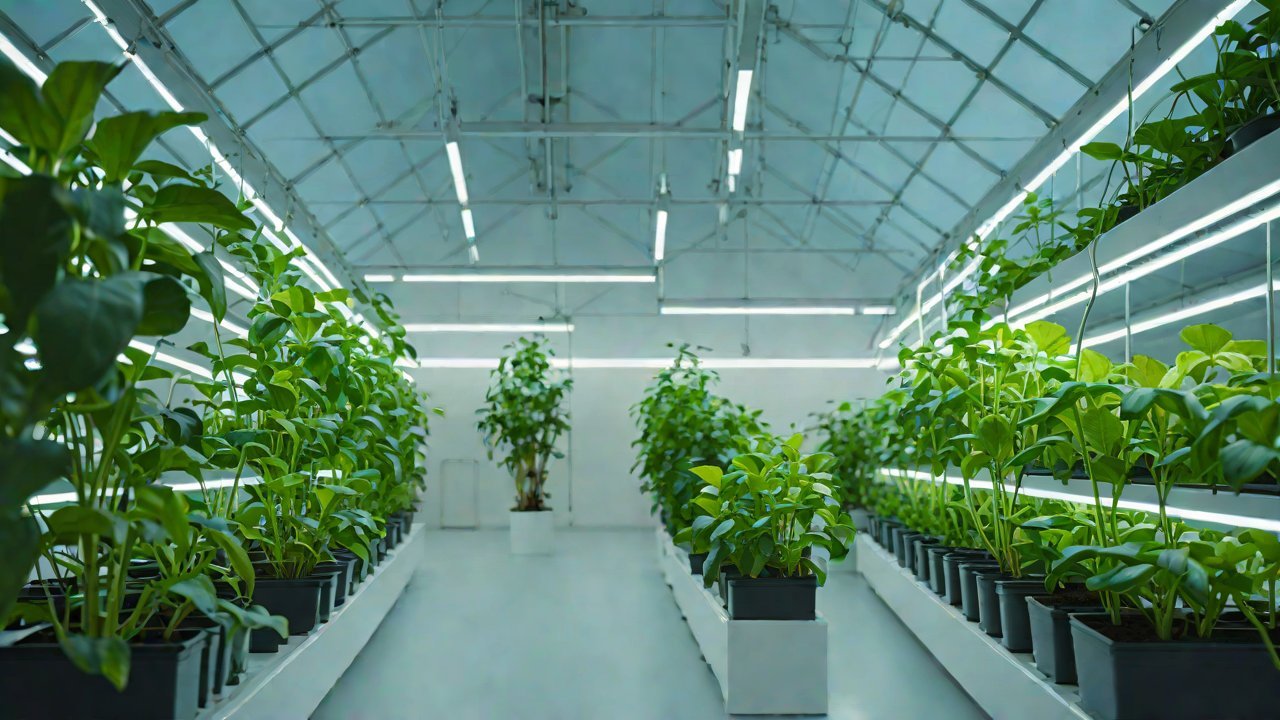
Smart greenhouses have revolutionized the way we grow crops, providing a controlled environment that optimizes yields and minimizes environmental impact. One key component of these systems is supplemental lighting, which enables farmers to extend growing seasons and improve crop quality by supplementing natural light. However, as supplemental lighting increases, it can lead to changes in soil temperature, humidity, and CO2 levels, affecting the transpiration rate of plants. This raises an important question: do existing soil transpiration rate algorithms need adjustment when using supplemental lighting in smart greenhouses?
1. Understanding Soil Transpiration Rate
Soil transpiration rate (STR) is a critical parameter in precision agriculture, as it directly affects crop growth and water usage. STR refers to the rate at which plants absorb water from the soil through their roots and release it into the atmosphere as vapor. This process occurs simultaneously with photosynthesis and is influenced by factors such as temperature, humidity, CO2 levels, and light intensity.
2. Impact of Supplemental Lighting on Soil Transpiration Rate
Supplemental lighting in smart greenhouses can lead to changes in STR due to increased light intensity and CO2 levels. As plants absorb more light energy, their transpiration rate increases to facilitate the process of photosynthesis. This, in turn, affects soil moisture levels and requires adjustments to irrigation systems.
3. Existing Soil Transpiration Rate Algorithms
Existing algorithms for calculating STR are primarily based on empirical models that consider climate data, crop type, and soil characteristics. These models rely on historical data and may not account for the unique conditions present in smart greenhouses with supplemental lighting.
| Algorithm | Description |
|---|---|
| Penman-Monteith | Empirical model using climate data, solar radiation, and crop water stress index |
| FAO-56 | Based on crop water requirements, soil moisture, and evapotranspiration rates |
4. Adjusting Soil Transpiration Rate Algorithms for Smart Greenhouses
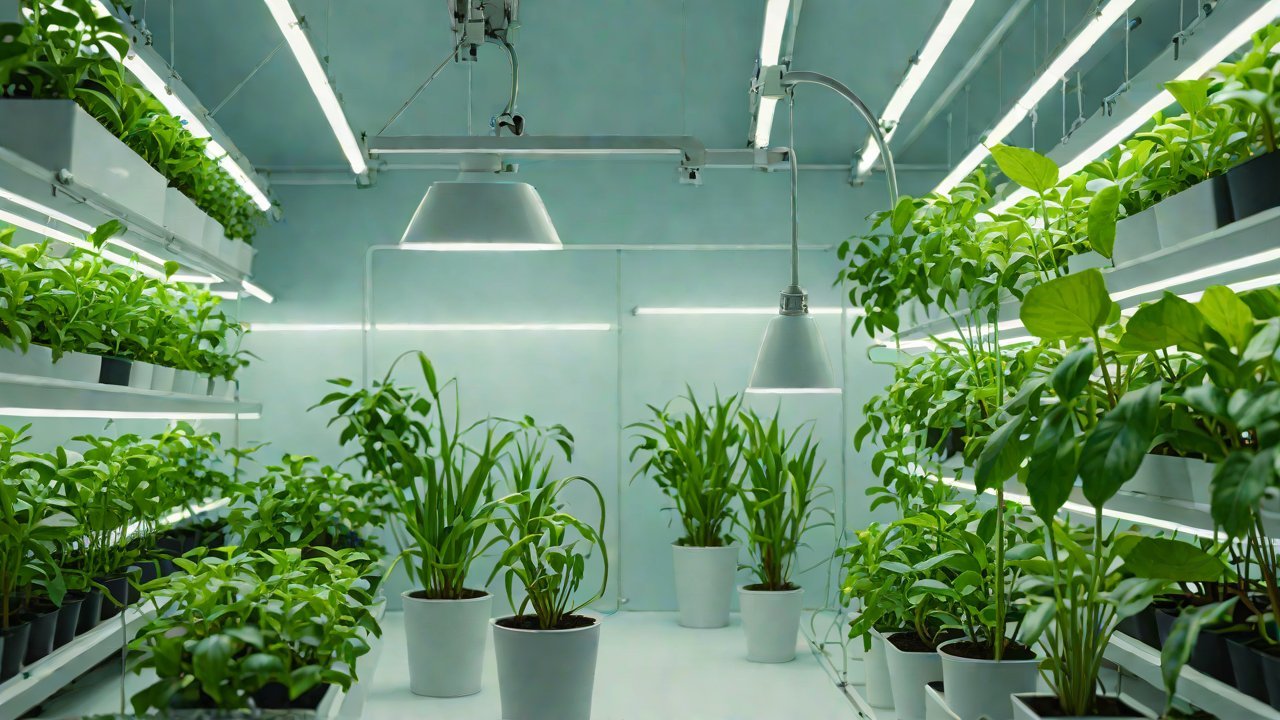
To accurately calculate STR in smart greenhouses with supplemental lighting, algorithms need to be adjusted to account for the altered environmental conditions. This can be achieved through:
- Real-time monitoring: Integrating sensors that track temperature, humidity, CO2 levels, and light intensity within the greenhouse.
- Data-driven modeling: Developing machine learning models that adapt to changing environmental conditions and optimize STR calculations.
- Physiological modeling: Incorporating plant physiological responses to supplemental lighting into algorithm development.
| Sensor Type | Description |
|---|---|
| Temperature/Humidity Sensors | Monitor temperature and humidity levels within the greenhouse |
| CO2 Sensors | Track CO2 levels, which affect photosynthesis and transpiration rates |

5. Market Trends and AIGC Perspectives
The market for smart greenhouses is growing rapidly, driven by increasing demand for sustainable agriculture practices. According to a report by MarketsandMarkets, the global smart greenhouse market size is expected to reach $4.3 billion by 2025.
| Market Size (USD) | Growth Rate (%) |
|---|---|
| 2018 | 1.2B |
| 2020 | 2.5B |
| 2025 | 4.3B |
AIGC (Artificial Intelligence in Greenhouses) is a key enabler of smart greenhouse technology, providing real-time monitoring and control systems that optimize crop growth. AIGC solutions can be integrated with existing soil transpiration rate algorithms to improve their accuracy and adaptability.
| AIGC Solution | Description |
|---|---|
| Real-time Monitoring | Integrates sensors and IoT devices for continuous data collection |
| Predictive Analytics | Uses machine learning models to forecast crop growth, water usage, and pest/disease management |
6. Conclusion
In conclusion, supplemental lighting in smart greenhouses can significantly impact soil transpiration rate algorithms. To accurately calculate STR under these conditions, existing algorithms need to be adjusted using real-time monitoring data, data-driven modeling, and physiological modeling. Market trends indicate a growing demand for smart greenhouse technology, driven by the need for sustainable agriculture practices.
7. Recommendations
- Develop adaptive algorithms: Integrate machine learning models that adapt to changing environmental conditions within smart greenhouses.
- Implement real-time monitoring: Utilize sensors and IoT devices to track temperature, humidity, CO2 levels, and light intensity in real-time.
- Collaborate with AIGC experts: Partner with AIGC specialists to integrate AI-powered solutions into existing soil transpiration rate algorithms.
By implementing these recommendations, farmers can optimize crop growth, reduce water usage, and improve yields while minimizing environmental impact.
IOT Cloud Platform
IOT Cloud Platform is an IoT portal established by a Chinese IoT company, focusing on technical solutions in the fields of agricultural IoT, industrial IoT, medical IoT, security IoT, military IoT, meteorological IoT, consumer IoT, automotive IoT, commercial IoT, infrastructure IoT, smart warehousing and logistics, smart home, smart city, smart healthcare, smart lighting, etc.
The IoT Cloud Platform blog is a top IoT technology stack, providing technical knowledge on IoT, robotics, artificial intelligence (generative artificial intelligence AIGC), edge computing, AR/VR, cloud computing, quantum computing, blockchain, smart surveillance cameras, drones, RFID tags, gateways, GPS, 3D printing, 4D printing, autonomous driving, etc.