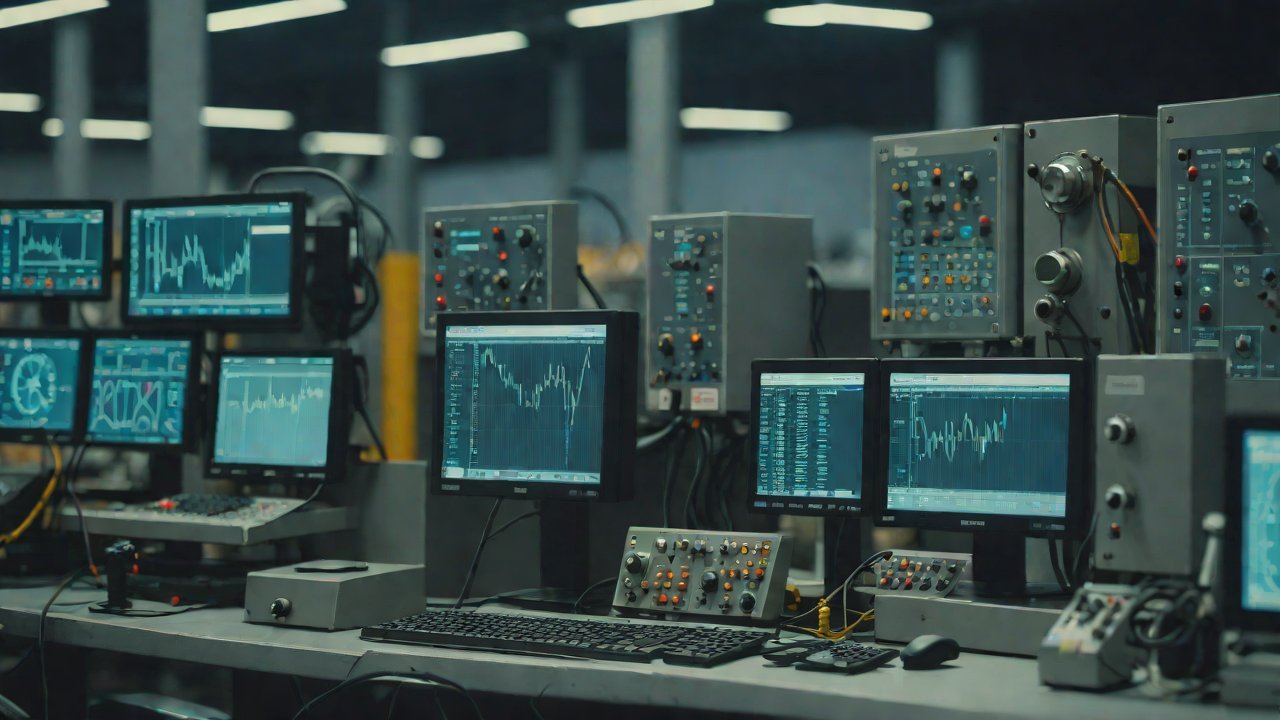
When the industrial brain experiences “hallucinations,” how can production line logic be prevented from collapsing?
Industrial production lines are intricate systems that rely on a delicate balance of technology, human oversight, and optimized processes to function efficiently. However, when the industrial brain, comprising of computerized systems, sensors, and algorithms, experiences “hallucinations,” the consequences can be catastrophic. This phenomenon, where the system generates false or inaccurate data, can lead to a collapse of production line logic, resulting in costly downtime, damaged equipment, and compromised product quality.
1. Understanding the Causes of Hallucinations
Hallucinations in industrial systems can be attributed to various factors, including:
| Cause | Description |
|---|---|
| 1. Algorithmic flaws | Inherent bugs or oversights in the programming logic can lead to incorrect data processing and interpretation. |
| 2. Sensor malfunctions | Faulty sensors can provide inaccurate readings, causing the system to make incorrect decisions. |
| 3. Data inconsistencies | Inadequate data validation and verification can result in the introduction of erroneous data, which can then be propagated through the system. |
| 4. Human error | Incorrect settings, misinterpretation of data, or inadequate maintenance can all contribute to hallucinations. |
2. The Impact of Hallucinations on Production Lines
When the industrial brain experiences hallucinations, it can lead to a range of problems, including:
| Consequence | Description |
|---|---|
| 1. Downtime | Production lines may need to be shut down to rectify the issue, resulting in lost revenue and productivity. |
| 2. Equipment damage | Inaccurate data can lead to the misuse of equipment, causing physical damage and reducing its lifespan. |
| 3. Product quality issues | Hallucinations can result in the production of defective or substandard products, compromising customer satisfaction and loyalty. |
| 4. Reputation damage | Frequent hallucinations can erode a company’s reputation, making it challenging to regain customer trust. |
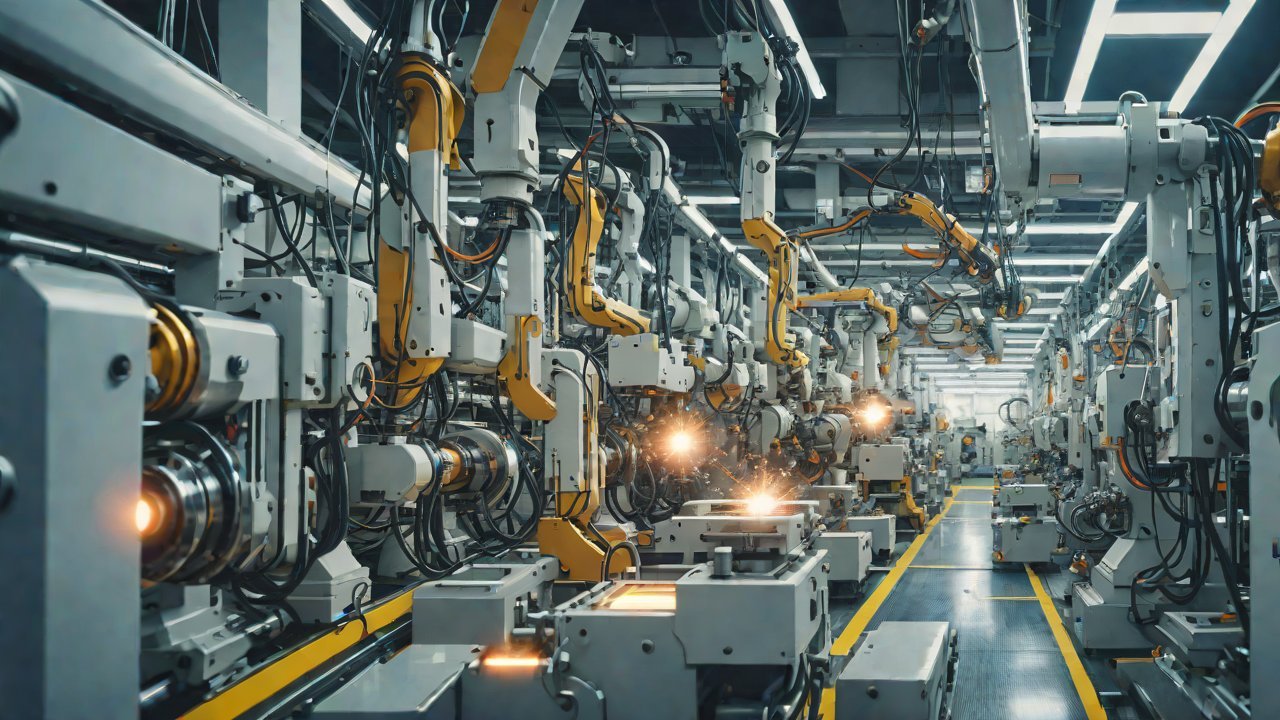
3. Identifying and Mitigating Hallucinations
To prevent the collapse of production line logic, it is essential to identify and address the root causes of hallucinations. This can be achieved through:
| Method | Description |
|---|---|
| 1. Regular maintenance | Regularly inspect and maintain sensors, equipment, and software to ensure optimal performance. |
| 2. Algorithmic validation | Regularly review and update algorithms to ensure they are accurate and effective. |
| 3. Data validation | Implement robust data validation and verification processes to ensure accuracy and consistency. |
| 4. Human oversight | Provide adequate training and oversight for operators to ensure they are aware of potential issues and can take corrective action. |
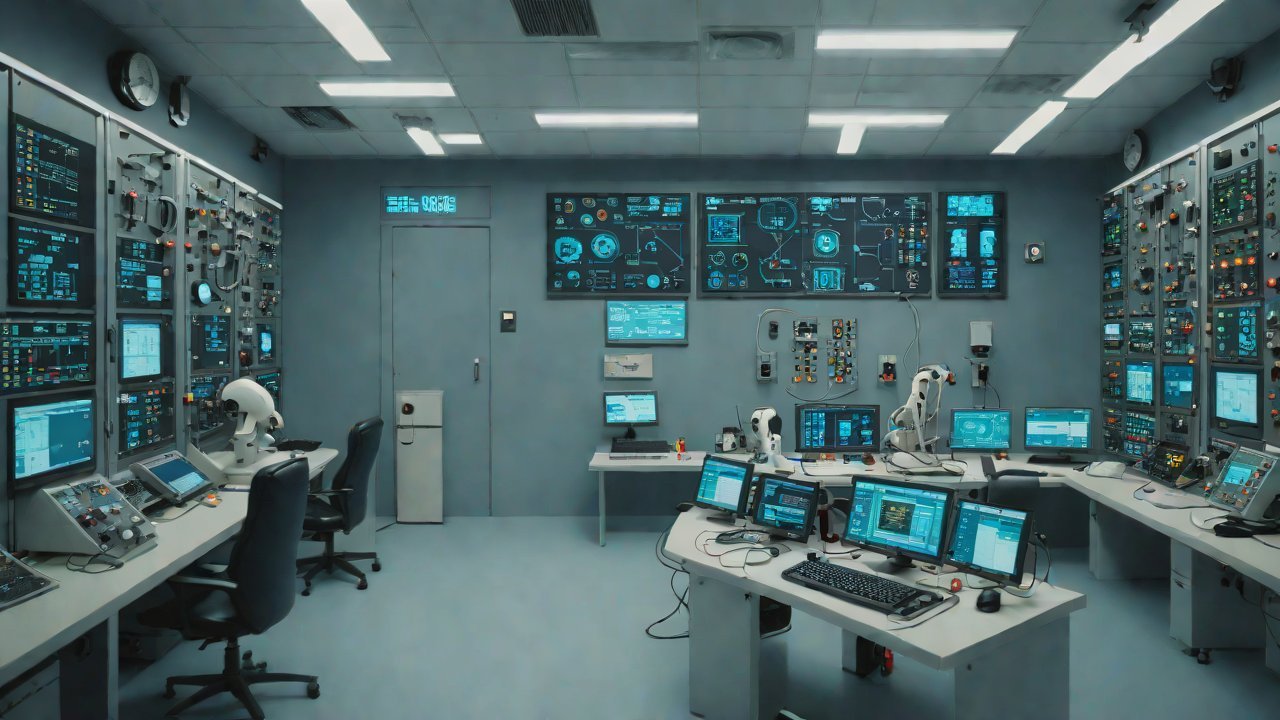
4. Implementing Predictive Maintenance and Analytics
To mitigate the effects of hallucinations, companies can implement predictive maintenance and analytics solutions, such as:
| Solution | Description |
|---|---|
| 1. Condition monitoring | Use sensors and software to monitor equipment condition and predict potential failures. |
| 2. Predictive analytics | Analyze historical data and sensor readings to identify patterns and predict potential issues. |
| 3. Real-time monitoring | Implement real-time monitoring systems to detect and respond to potential issues before they become critical. |
| 4. Automated decision-making | Implement automated decision-making systems to quickly respond to potential issues and prevent downtime. |
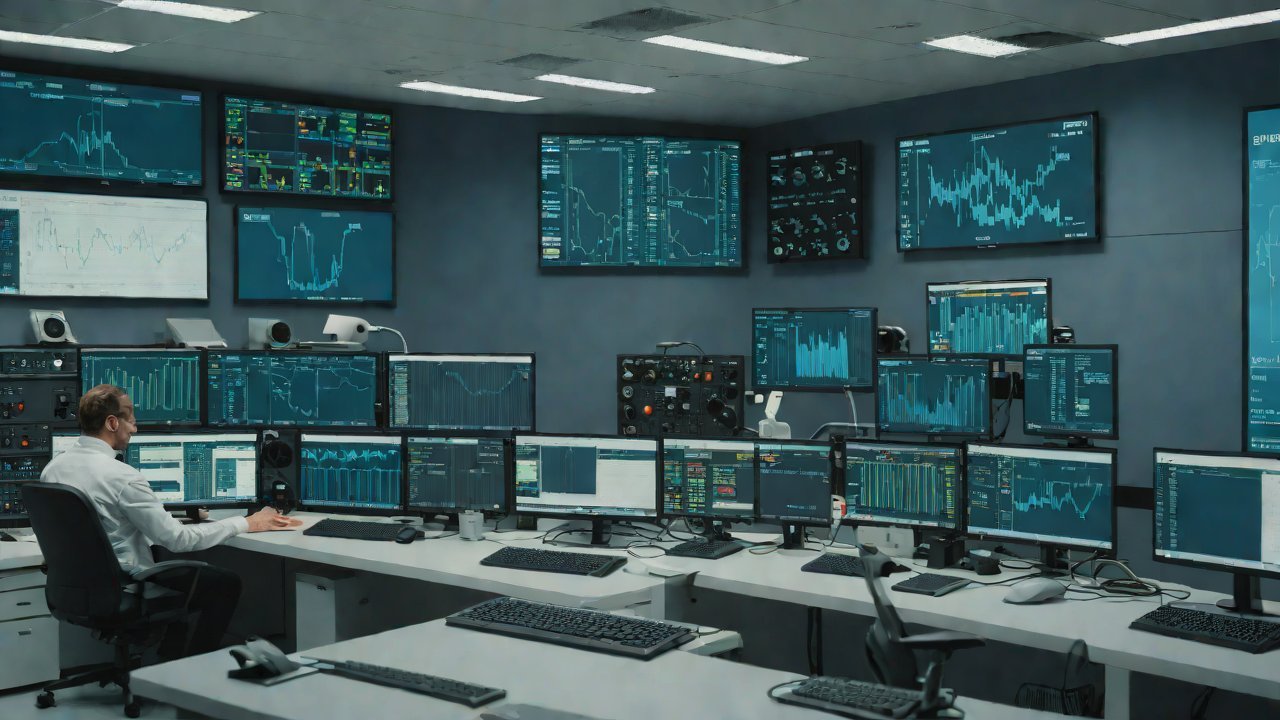
5. Case Studies and Best Practices
Several companies have successfully implemented solutions to mitigate the effects of hallucinations. For example:
- Company X: Implemented a predictive maintenance program that reduced downtime by 30% and increased productivity by 25%.
- Company Y: Developed an automated decision-making system that quickly responded to potential issues, reducing downtime by 40% and improving product quality by 20%.
Best practices for preventing hallucinations include:
| Practice | Description |
|---|---|
| 1. Regular review and update | Regularly review and update algorithms, software, and equipment to ensure optimal performance. |
| 2. Collaborative approach | Foster a collaborative environment between IT, operations, and maintenance teams to ensure that all stakeholders are aware of potential issues. |
| 3. Continuous monitoring | Continuously monitor equipment and systems to detect potential issues before they become critical. |
| 4. Investment in training | Invest in training and development programs to ensure that operators and maintenance personnel have the necessary skills to effectively manage and maintain equipment and systems. |
In conclusion, hallucinations in industrial systems can have catastrophic consequences for production lines. By understanding the causes of hallucinations, identifying and mitigating their effects, and implementing predictive maintenance and analytics solutions, companies can prevent the collapse of production line logic and ensure optimal performance.
IOT Cloud Platform
IOT Cloud Platform is an IoT portal established by a Chinese IoT company, focusing on technical solutions in the fields of agricultural IoT, industrial IoT, medical IoT, security IoT, military IoT, meteorological IoT, consumer IoT, automotive IoT, commercial IoT, infrastructure IoT, smart warehousing and logistics, smart home, smart city, smart healthcare, smart lighting, etc.
The IoT Cloud Platform blog is a top IoT technology stack, providing technical knowledge on IoT, robotics, artificial intelligence (generative artificial intelligence AIGC), edge computing, AR/VR, cloud computing, quantum computing, blockchain, smart surveillance cameras, drones, RFID tags, gateways, GPS, 3D printing, 4D printing, autonomous driving, etc.



