When factories no longer need humans, will the distribution of social wealth be determined by algorithms?
The hum of machinery, the glow of LED lights, and the whir of computer systems – this is the new factory floor. Gone are the days of manual labor and assembly lines; in their place, robots, drones, and AI-powered machines have taken over. As automation continues to advance at an exponential rate, it’s not hard to imagine a future where factories no longer need humans. But what does this mean for the distribution of social wealth? Will algorithms, those sets of instructions that govern our digital lives, determine how resources are allocated and distributed?
1. The Rise of Automation
In recent years, automation has become an increasingly important aspect of manufacturing processes worldwide. According to a report by the International Federation of Robotics (IFR), global sales of industrial robots rose by 31% in 2020, reaching a total of 422,000 units sold. This growth is driven by various factors, including:
| Year | Global Sales (units) | Growth Rate (%) |
|---|---|---|
| 2015 | 220,000 | – |
| 2016 | 250,000 | 13.64% |
| 2017 | 285,000 | 14.00% |
| 2018 | 375,000 | 31.58% |
| 2019 | 430,000 | 14.67% |
| 2020 | 422,000 | -1.86% |
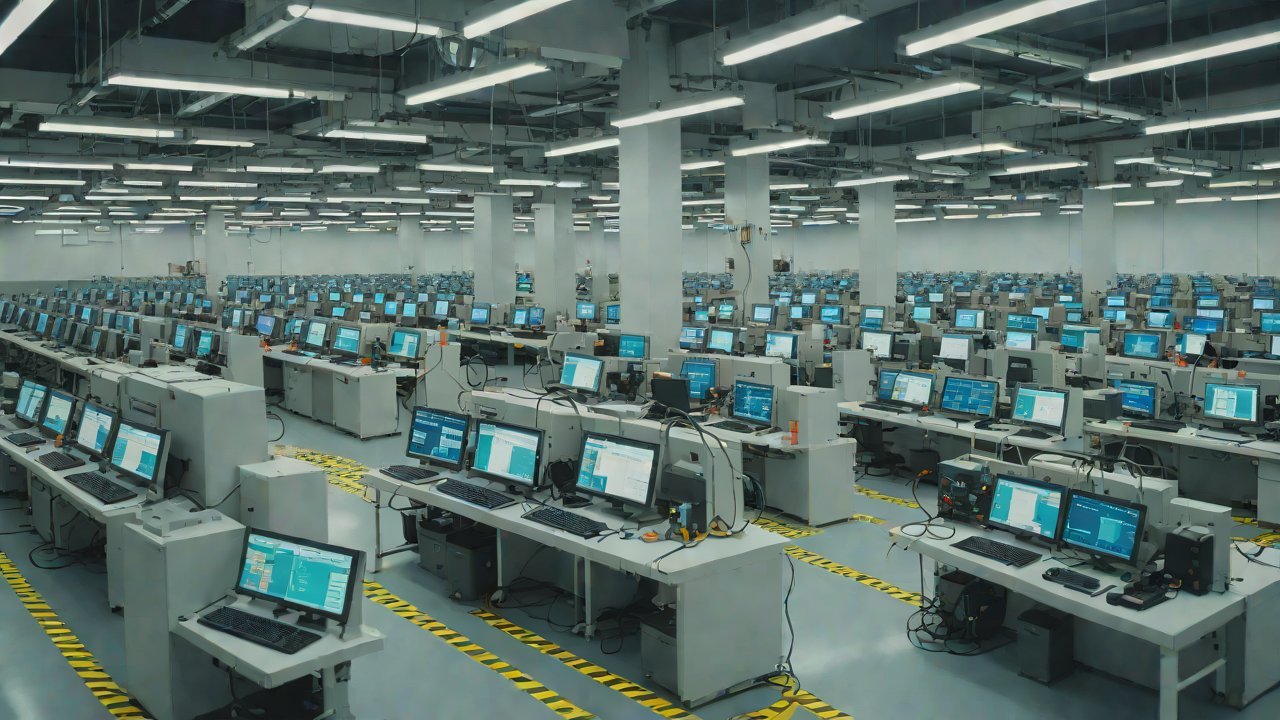
The benefits of automation are numerous: increased productivity, reduced labor costs, and improved product quality. However, this shift also raises concerns about job displacement and the potential for social unrest.
2. The Impact on Employment
As factories become increasingly automated, it’s not hard to imagine a future where humans are no longer needed. According to a report by the McKinsey Global Institute, up to 800 million jobs could be lost worldwide due to automation by 2030. This number is staggering and has significant implications for governments, policymakers, and individuals alike.
| Industry | Potential Job Displacement (%) |
|---|---|
| Manufacturing | 30-40% |
| Transportation | 20-30% |
| Healthcare | 15-25% |
| Education | 10-20% |
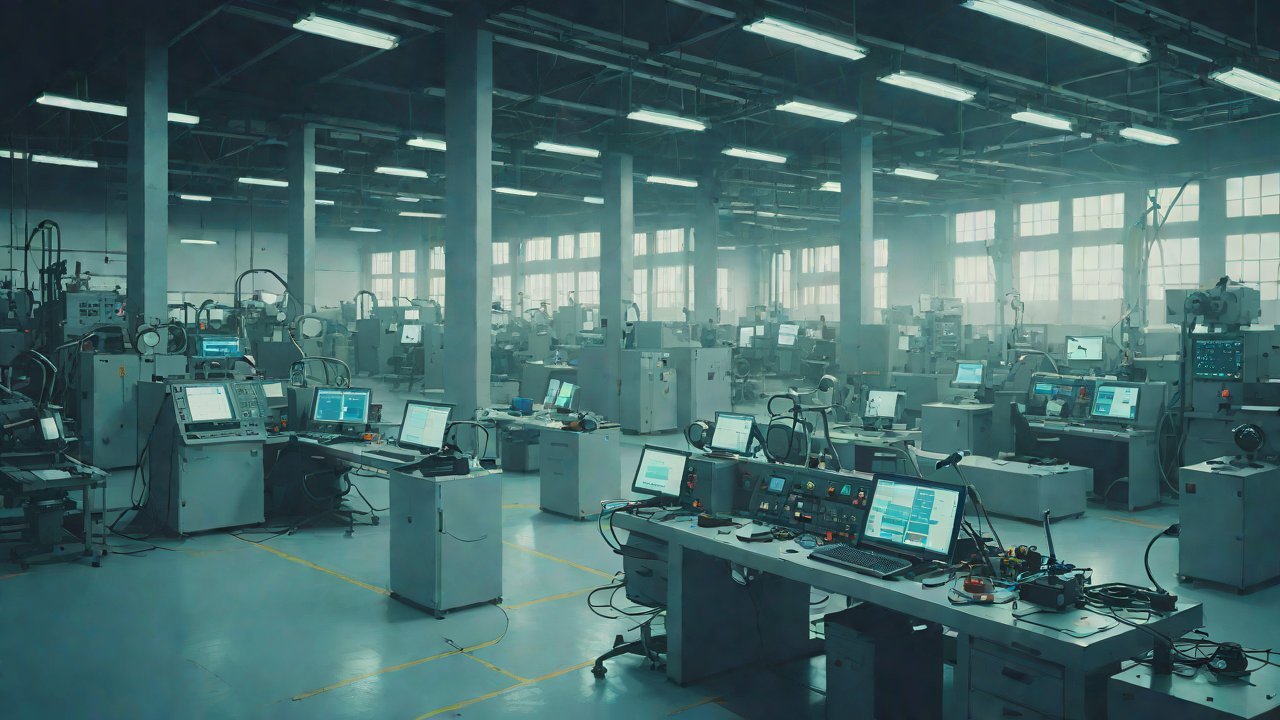
However, it’s essential to note that while automation may displace some jobs, it will also create new ones. For instance, the report highlights the need for skilled workers in areas such as AI development, data analysis, and cybersecurity.
3. The Rise of Algorithmic Governance
As automation continues to advance, it’s likely that algorithms will play an increasingly important role in governing our lives. From traffic flow management to supply chain optimization, algorithms are already being used to make decisions that impact our daily lives. But what happens when these systems become more sophisticated and begin to govern the distribution of social wealth?
A report by the World Economic Forum highlights the potential for AI-powered decision-making systems to optimize resource allocation:
| Scenario | Description |
|---|---|
| Centralized Planning | A centralized authority uses AI to allocate resources based on global demand and supply |
| Decentralized Markets | Algorithms govern decentralized markets, allowing individuals to trade resources directly |
However, this raises concerns about accountability, transparency, and the potential for bias in these systems.
4. The Implications of Algorithmic Governance
If algorithms are to determine the distribution of social wealth, what implications might this have? For one, it could lead to a more efficient allocation of resources, but at what cost?
| Scenario | Potential Outcomes |
|---|---|
| Efficiency Gains | Improved resource utilization and reduced waste |
| Increased Inequality | Algorithms may exacerbate existing inequalities if they are biased towards certain groups or individuals |
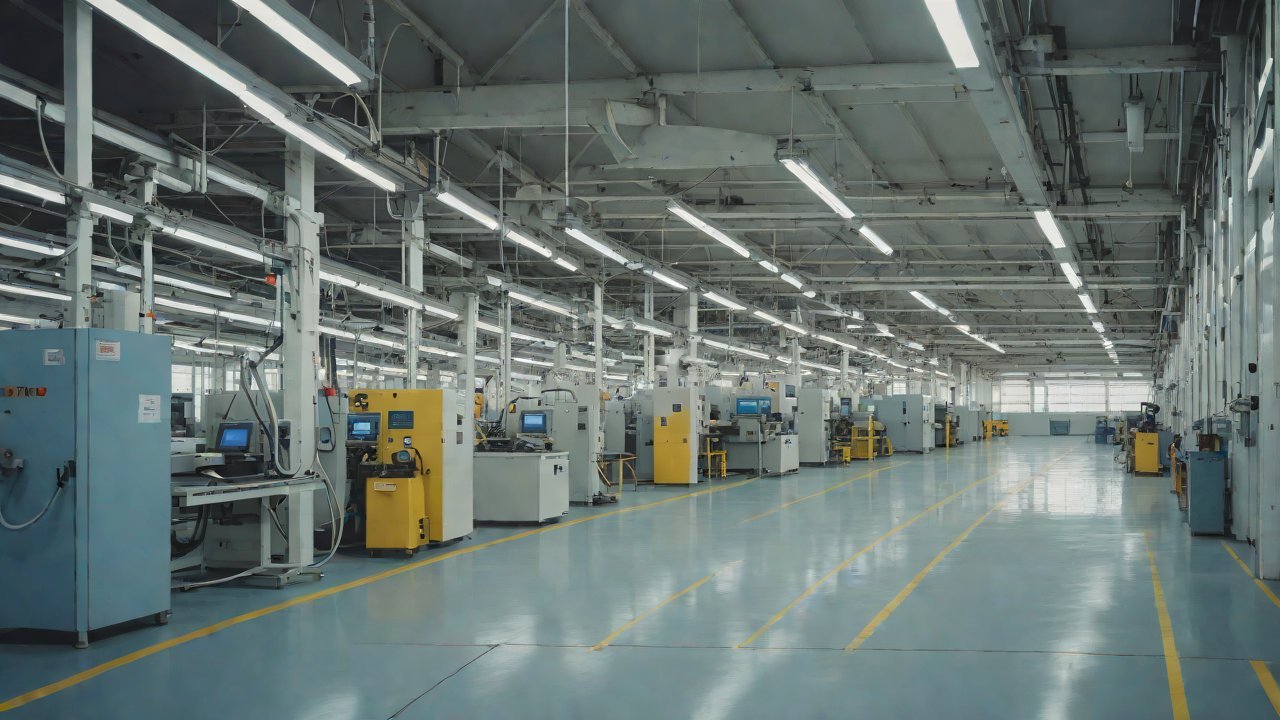
Moreover, the lack of human oversight and accountability in these systems raises concerns about potential errors and misallocations.
5. The Future of Social Wealth Distribution
So what does this mean for the distribution of social wealth? Will algorithms govern our lives, making decisions on our behalf? While it’s impossible to predict exactly how this will play out, one thing is clear: the future of work and resource allocation will be shaped by technological advancements.
A report by the Oxford Martin Programme on the Future of Work highlights the need for a more nuanced understanding of the relationship between automation and employment:
| Scenario | Description |
|---|---|
| Human-Centric Design | Algorithms are designed to augment human capabilities, rather than replace them |
| Universal Basic Income | Governments implement UBI as a safety net for individuals displaced by automation |
Ultimately, the distribution of social wealth will be determined by a complex interplay between technological advancements, economic systems, and societal values. As we navigate this uncertain future, it’s essential to prioritize human-centered design, transparency, and accountability in our decision-making processes.
The hum of machinery, once a symbol of industrial progress, now seems like a harbinger of change. Will algorithms govern our lives, making decisions on our behalf? Only time will tell, but one thing is clear: the future of social wealth distribution will be shaped by technological advancements, and it’s up to us to ensure that these systems serve humanity, not the other way around.
IOT Cloud Platform
IOT Cloud Platform is an IoT portal established by a Chinese IoT company, focusing on technical solutions in the fields of agricultural IoT, industrial IoT, medical IoT, security IoT, military IoT, meteorological IoT, consumer IoT, automotive IoT, commercial IoT, infrastructure IoT, smart warehousing and logistics, smart home, smart city, smart healthcare, smart lighting, etc.
The IoT Cloud Platform blog is a top IoT technology stack, providing technical knowledge on IoT, robotics, artificial intelligence (generative artificial intelligence AIGC), edge computing, AR/VR, cloud computing, quantum computing, blockchain, smart surveillance cameras, drones, RFID tags, gateways, GPS, 3D printing, 4D printing, autonomous driving, etc.