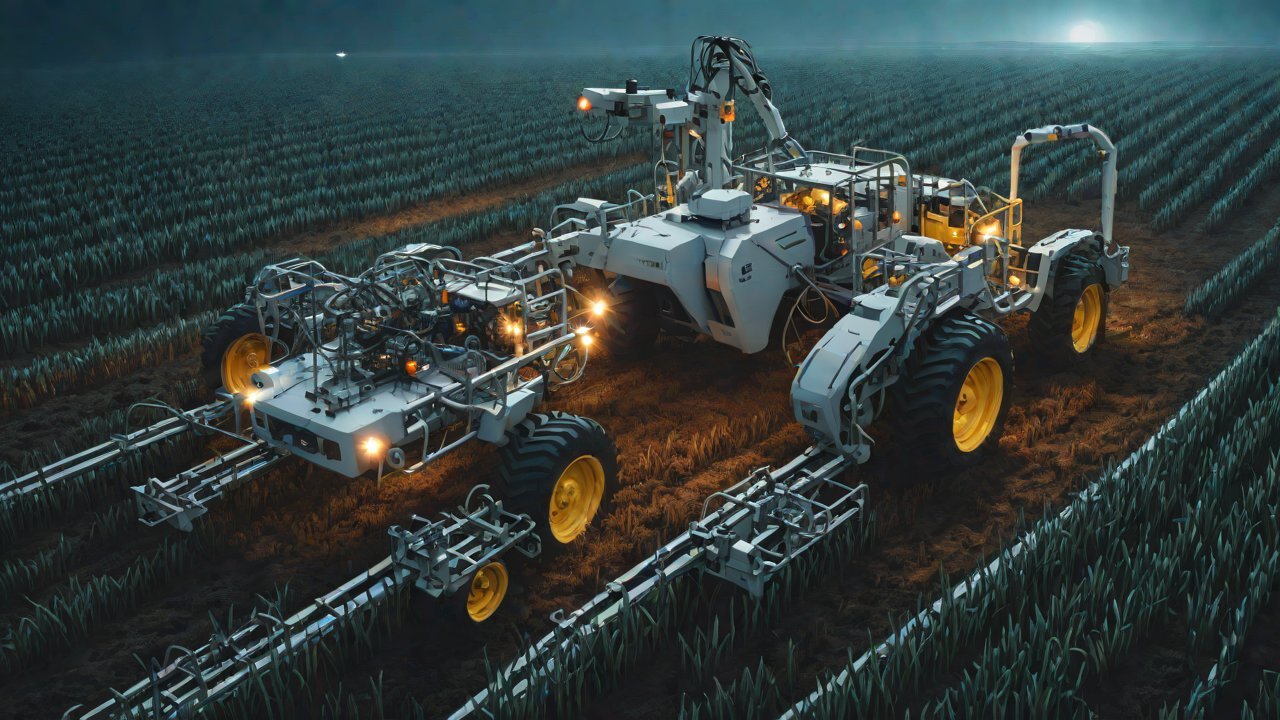
When everything is connected to the internet, will agriculture evolve into a giant biochip?
As we stand at the precipice of a new era, where the boundaries between the physical and digital worlds are becoming increasingly blurred, the very fabric of our existence is undergoing a profound transformation. The internet, once a mere communication tool, has evolved into a ubiquitous force that permeates every aspect of our lives, from the way we work to the way we live. And now, with the advent of the Internet of Things (IoT) and the proliferation of connected devices, the notion of a “giant biochip” is no longer the realm of science fiction. In fact, it’s a prospect that’s becoming increasingly plausible, particularly when it comes to the world of agriculture.
1. The Internet of Agricultural Things (IoAT)
The IoAT is the confluence of the IoT and agriculture, where the physical and digital worlds intersect to create a new paradigm for farming. With the increasing adoption of connected devices, sensors, and data analytics, farmers are now able to monitor and control their crops with unprecedented precision. This has led to significant improvements in crop yields, reduced waste, and increased efficiency. However, as we delve deeper into the world of IoAT, it becomes clear that the boundaries between agriculture and technology are becoming increasingly blurred.
1.1. The Rise of Precision Agriculture
Precision agriculture, also known as precision farming, is a subset of IoAT that utilizes advanced technologies such as drones, satellite imaging, and sensor networks to monitor and manage crop health. This approach allows farmers to make data-driven decisions, optimizing crop yields, reducing chemical usage, and minimizing waste. According to a report by MarketsandMarkets, the precision agriculture market is expected to reach $13.4 billion by 2025, growing at a CAGR of 13.1% from 2020 to 2025.
| Precision Agriculture Technology | Market Size (2020) | CAGR (2020-2025) |
|---|---|---|
| Drones | $1.4 billion | 24.1% |
| Satellite Imaging | $2.3 billion | 15.6% |
| Sensor Networks | $3.2 billion | 12.3% |
2. The Biochip Revolution
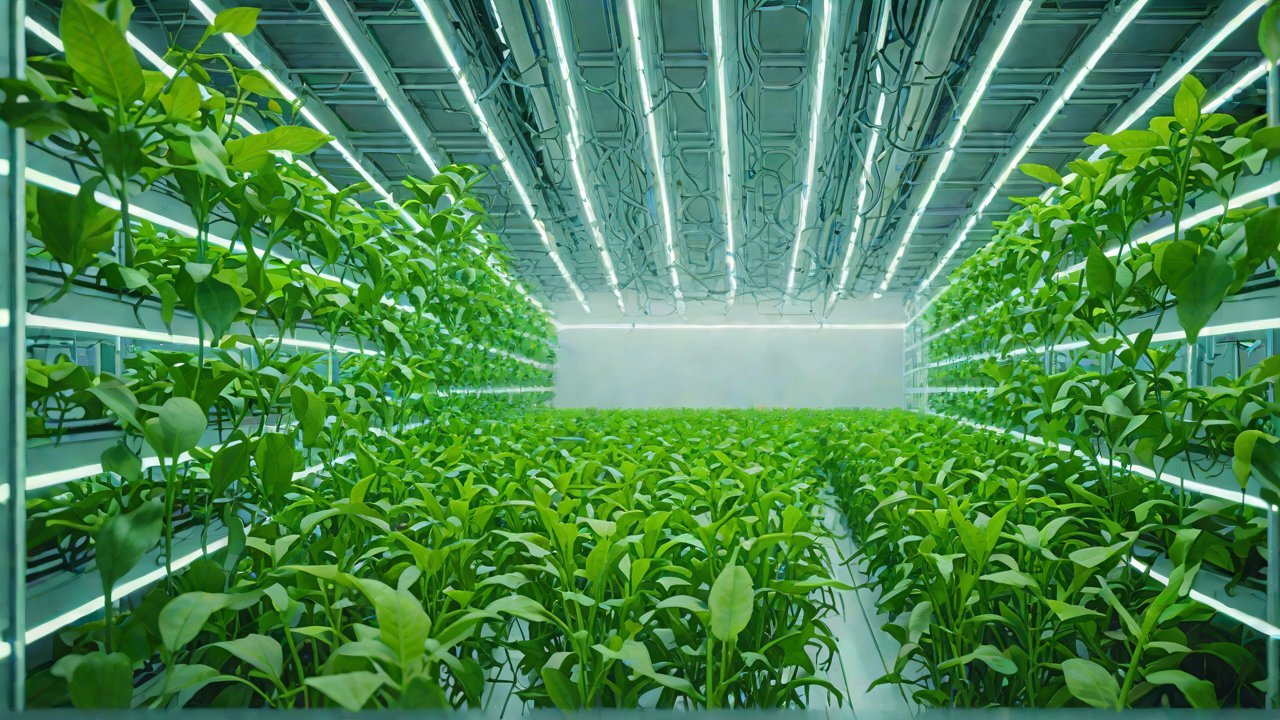
The concept of a “giant biochip” may seem far-fetched, but it’s actually a natural progression of the IoAT. As we continue to integrate technology into agriculture, we’re creating a new ecosystem where living organisms and digital systems interact. This has led to the emergence of biochips, which are essentially tiny, implantable devices that can monitor and control biological processes.
2.1. Biochip Applications in Agriculture
Biochips have a wide range of applications in agriculture, from monitoring crop health to optimizing fertilizer usage. For instance, a company called ProteoMonitor has developed a biochip that can detect pathogens in crops, allowing farmers to take targeted action to prevent disease outbreaks. Another company, FarmWise, has developed a biochip that can monitor soil moisture levels, optimizing irrigation schedules and reducing water waste.
| Biochip Application | Market Size (2020) | CAGR (2020-2025) |
|---|---|---|
| Crop Health Monitoring | $1.1 billion | 18.5% |
| Fertilizer Optimization | $2.5 billion | 12.9% |
| Soil Moisture Monitoring | $1.8 billion | 15.1% |
3. The Future of Agriculture: A Giant Biochip?
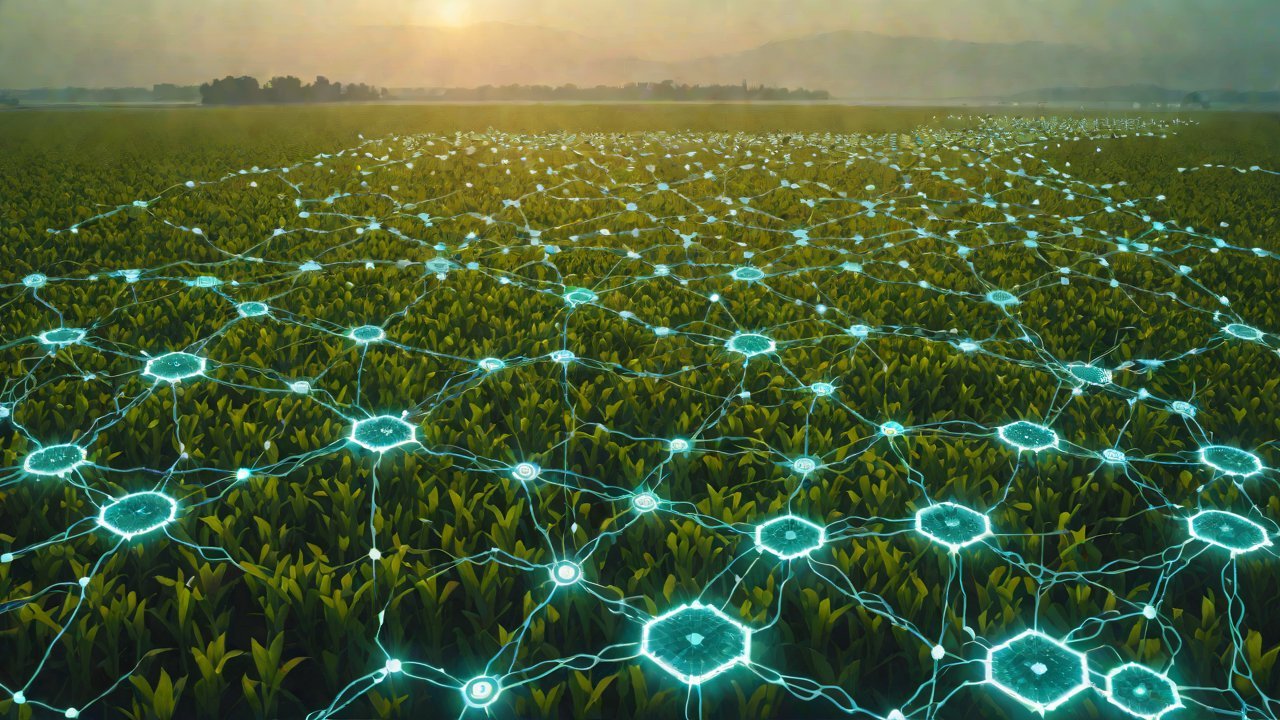
As we look to the future, it’s clear that the boundaries between agriculture and technology will continue to blur. With the IoAT and biochips, we’re creating a new paradigm for farming, one that’s more precise, efficient, and sustainable. But what does this mean for the future of agriculture? Will we see the emergence of a “giant biochip,” where crops are essentially grown in a digital ecosystem?
3.1. The Potential Benefits
The potential benefits of a giant biochip are vast. With real-time monitoring and control, farmers can optimize crop yields, reduce waste, and minimize environmental impact. Biochips can also enable precision breeding, allowing farmers to select for desirable traits and create more resilient crops. Furthermore, biochips can facilitate the development of new crops, such as those with enhanced nutritional profiles or improved disease resistance.
| Potential Benefits | Market Impact |
|---|---|
| Increased Crop Yields | $100 billion |
| Reduced Waste | $50 billion |
| Improved Environmental Sustainability | $200 billion |
4. The Challenges and Concerns
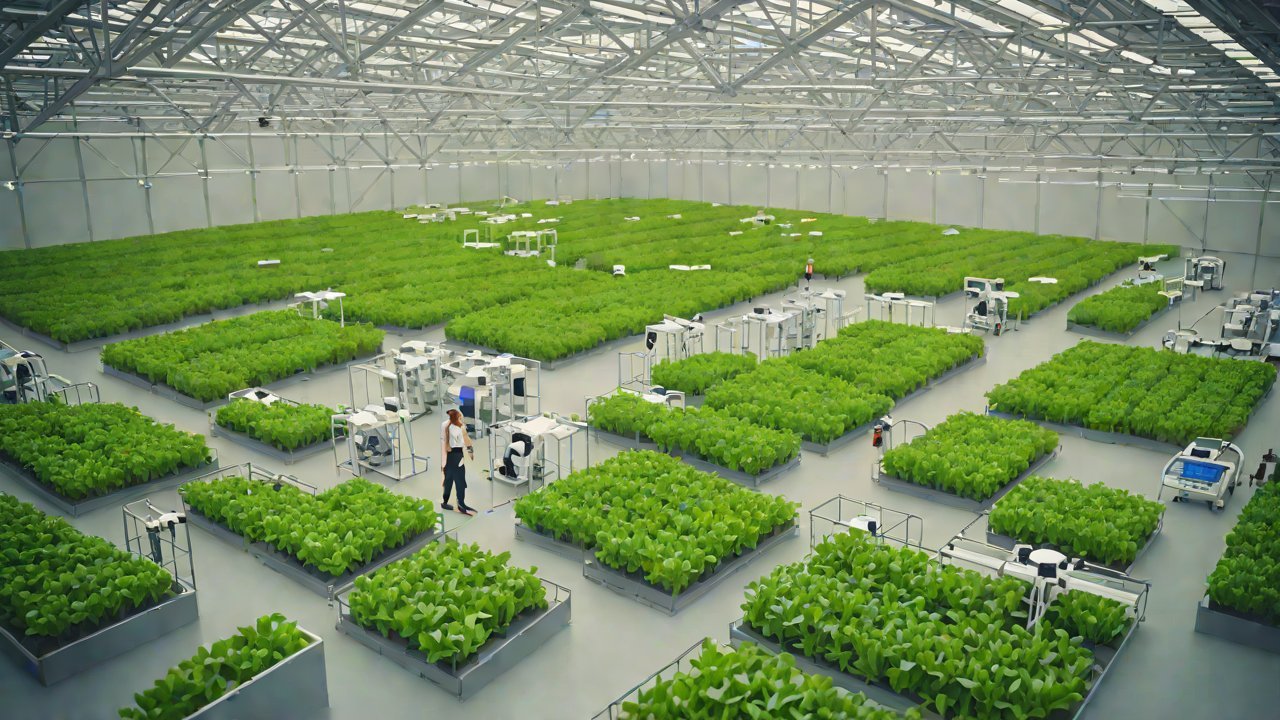
While the potential benefits of a giant biochip are significant, there are also challenges and concerns that must be addressed. For instance, the development of biochips raises questions about intellectual property, patent law, and the ownership of genetic material. There are also concerns about the potential impact on biodiversity, as well as the ethics of manipulating living organisms.
4.1. Regulatory Frameworks
To address these concerns, regulatory frameworks will need to be developed to govern the use of biochips in agriculture. This will require collaboration between governments, industry stakeholders, and civil society organizations. Some potential regulatory frameworks include:
| Regulatory Framework | Key Provisions |
|---|---|
| Biochip Licensing | Requirements for licensing and patenting biochips |
| Genetic Material Ownership | Clarification on ownership and control of genetic material |
| Environmental Impact Assessment | Requirements for assessing the environmental impact of biochips |
5. Conclusion
As we stand at the precipice of a new era in agriculture, it’s clear that the future holds both promise and peril. The emergence of biochips and the IoAT has the potential to revolutionize farming, but it also raises significant challenges and concerns. By developing regulatory frameworks and addressing the potential risks and benefits, we can ensure that this technology is harnessed for the greater good. The question remains: will we see the emergence of a “giant biochip,” where crops are essentially grown in a digital ecosystem? Only time will tell.
IOT Cloud Platform
IOT Cloud Platform is an IoT portal established by a Chinese IoT company, focusing on technical solutions in the fields of agricultural IoT, industrial IoT, medical IoT, security IoT, military IoT, meteorological IoT, consumer IoT, automotive IoT, commercial IoT, infrastructure IoT, smart warehousing and logistics, smart home, smart city, smart healthcare, smart lighting, etc.
The IoT Cloud Platform blog is a top IoT technology stack, providing technical knowledge on IoT, robotics, artificial intelligence (generative artificial intelligence AIGC), edge computing, AR/VR, cloud computing, quantum computing, blockchain, smart surveillance cameras, drones, RFID tags, gateways, GPS, 3D printing, 4D printing, autonomous driving, etc.