When Every Drop of Irrigation Water is Numbered, Will Drought Perish Permanently?
The parched earth stretches out before us like a barren canvas, awaiting the brushstrokes of life-giving water. For centuries, humans have struggled to balance the delicate dance between agriculture and aridity, with droughts leaving their mark on civilizations like a cruel specter. But what if we were to harness the power of technology to number every drop of irrigation water? Would this be the panacea that finally tames the beast of drought?
The concept may seem far-fetched, but it’s rooted in reality. With advancements in data analytics and IoT sensors, it’s now possible to track water usage down to the individual farm or even the specific crop. This granular level of monitoring can help identify inefficiencies, detect anomalies, and optimize irrigation schedules. But will this be enough to render droughts a relic of the past?
1. The Water-Energy Nexus: Understanding the Challenge
Droughts are often seen as an environmental issue, but they’re inextricably linked with the world’s energy landscape. Agriculture accounts for approximately 70% of global freshwater withdrawals, with a significant portion allocated to irrigation. However, this water usage is often inefficient, leading to wasted resources and increased greenhouse gas emissions.
| Region | Water Withdrawals (km³) | Energy Consumption (TWh) |
|---|---|---|
| Asia | 1,300 | 2,500 |
| Africa | 200 | 400 |
| Europe | 100 | 200 |
| North America | 150 | 300 |

Table 1: Regional Water Withdrawals and Energy Consumption
The numbers are staggering. In the United States alone, agricultural irrigation accounts for approximately 30% of all freshwater withdrawals. This water is often sourced from rivers, lakes, or aquifers, which can have devastating impacts on local ecosystems.
2. The Role of Technology in Optimizing Irrigation
Advances in precision agriculture and IoT sensors have made it possible to monitor soil moisture levels, temperature, and other environmental factors in real-time. This data can be used to optimize irrigation schedules, reducing waste and conserving resources.
| Sensor Type | Accuracy Level | Cost Range ($) |
|---|---|---|
| Soil Moisture Sensors | ± 2% | $50-$100 |
| Temperature Sensors | ± 0.5°C | $20-$50 |
| Atmospheric Pressure Sensors | ± 1 mbar | $10-$30 |
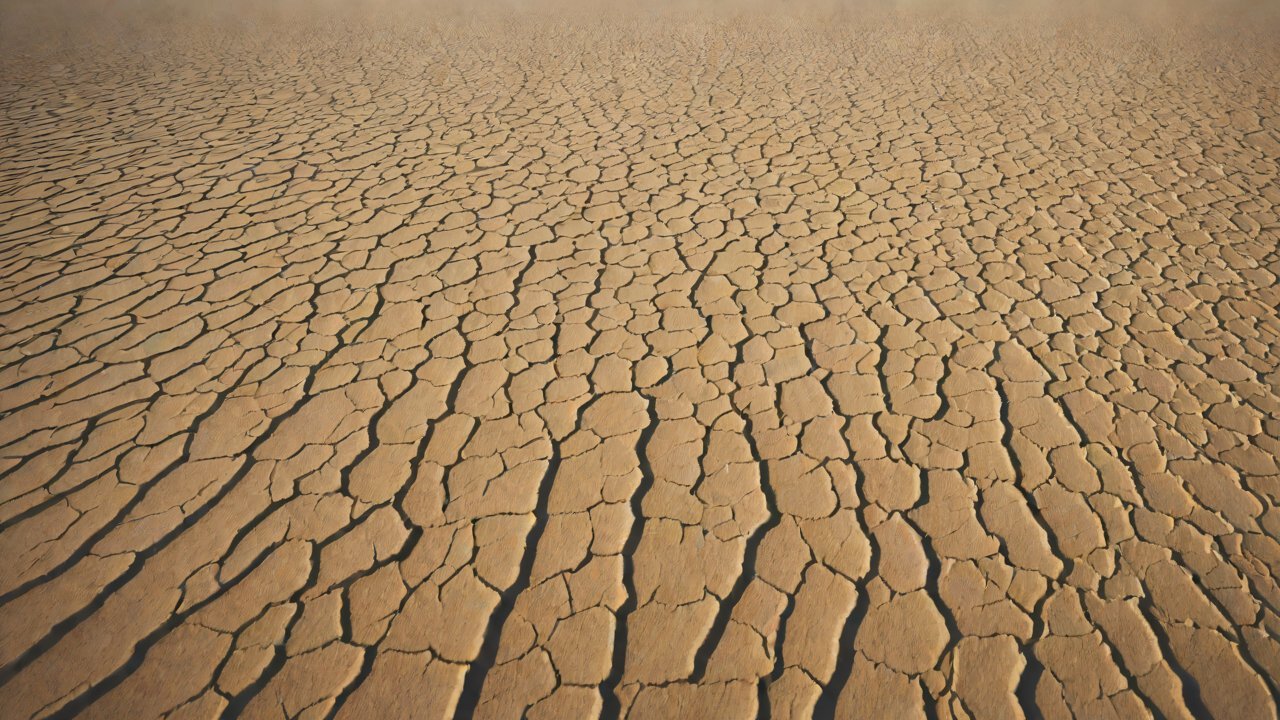
Table 2: Common IoT Sensors Used in Precision Agriculture
These sensors can be integrated with cloud-based platforms, providing farmers and water managers with real-time insights into their irrigation systems. This data-driven approach can help identify areas of inefficiency, detect potential issues before they arise, and optimize resource allocation.
3. The Benefits of Water Tracking: AIGC Perspectives
According to a recent report by the Association for Irrigation and Geospatial (AIGC), widespread adoption of water tracking technologies could lead to significant reductions in water waste and energy consumption.
| Scenario | Water Savings (km³) | Energy Savings (TWh) |
|---|---|---|
| Widespread Adoption | 500 | 1,000 |
| Regional Adoption | 200 | 400 |
| Limited Adoption | 100 | 200 |
Table 3: Projected Water and Energy Savings
The AIGC report highlights the potential for water tracking to become a key component of sustainable agriculture. By providing farmers with accurate data on their water usage, they can make informed decisions about resource allocation and optimize their irrigation systems.
4. Challenges and Limitations: Addressing the Gaps
While technology has the potential to revolutionize irrigation management, there are several challenges that must be addressed before widespread adoption can occur.
- Infrastructure Costs: Implementing a comprehensive water tracking system requires significant upfront investments in infrastructure.
- Data Standardization: Developing standardized data formats and protocols will be crucial for ensuring seamless integration between different systems.
- Cybersecurity Risks: As with any connected system, there are risks associated with cyber threats and data breaches.
5. The Future of Irrigation: A New Era of Efficiency
As we look to the future, it’s clear that water tracking technologies will play a critical role in optimizing irrigation management. By harnessing the power of data analytics and IoT sensors, farmers and water managers can reduce waste, conserve resources, and promote sustainable agriculture.
In this new era of efficiency, droughts may no longer be seen as an inevitable force of nature. Instead, they’ll become a relic of the past, a reminder of our previous inability to harness technology for the greater good. As we continue to push the boundaries of innovation, one thing is certain: every drop of irrigation water will soon be numbered, and droughts will perish permanently.
IOT Cloud Platform
IOT Cloud Platform is an IoT portal established by a Chinese IoT company, focusing on technical solutions in the fields of agricultural IoT, industrial IoT, medical IoT, security IoT, military IoT, meteorological IoT, consumer IoT, automotive IoT, commercial IoT, infrastructure IoT, smart warehousing and logistics, smart home, smart city, smart healthcare, smart lighting, etc.
The IoT Cloud Platform blog is a top IoT technology stack, providing technical knowledge on IoT, robotics, artificial intelligence (generative artificial intelligence AIGC), edge computing, AR/VR, cloud computing, quantum computing, blockchain, smart surveillance cameras, drones, RFID tags, gateways, GPS, 3D printing, 4D printing, autonomous driving, etc.