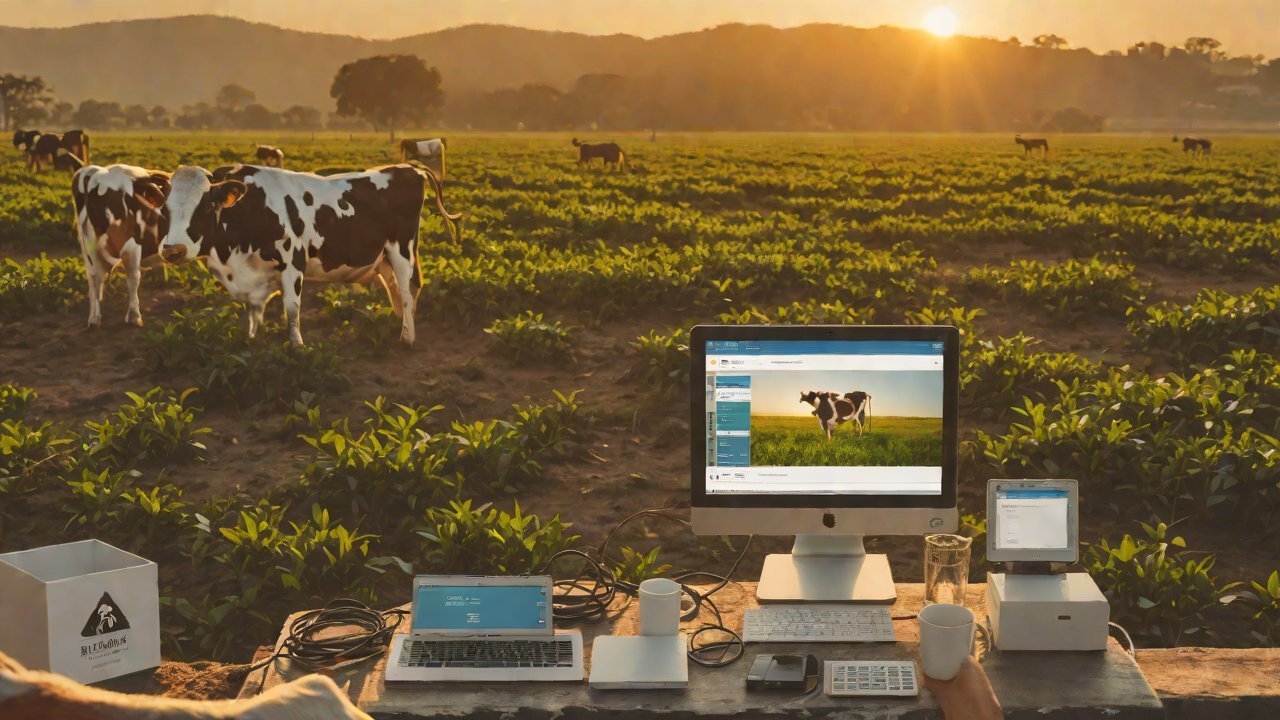
When every animal has a digital identity, will the hunger problem be alleviated?
The world is on the cusp of a revolution in animal identification. The convergence of emerging technologies such as blockchain, artificial intelligence, and the Internet of Things (IoT) is paving the way for the creation of digital identities for animals. This development has far-reaching implications, not only for the animal kingdom but also for human societies. One of the most pressing questions surrounding this phenomenon is whether the alleviation of hunger will be a direct consequence of every animal having a digital identity.
The concept of digital identity for animals may seem like science fiction, but it is rapidly becoming a reality. Companies such as IBM, Microsoft, and SAP are already working on developing blockchain-based solutions for animal identification. These digital identities will enable the tracking of animals’ movements, health, and feed consumption in real-time, providing valuable insights for farmers, conservationists, and policymakers.
The potential benefits of digital animal identities are numerous. For instance, they can help prevent animal theft and poaching, which are significant problems in many parts of the world. Digital identities can also facilitate the monitoring of animal health, allowing for early detection of diseases and more effective implementation of vaccination programs. Moreover, digital identities can help optimize feed production and distribution, reducing waste and ensuring that animals receive the nutrients they need to thrive.
However, the question remains whether these benefits will translate into a significant alleviation of hunger. The world’s population is projected to reach 9.7 billion by 2050, putting immense pressure on the global food system. The United Nations Food and Agriculture Organization (FAO) estimates that the world will need to produce 70% more food by 2050 to meet the demands of a growing population. While digital animal identities can help optimize feed production and distribution, they are unlikely to address the underlying causes of hunger.
1. The Current State of Food Production and Distribution
The global food system is complex and multifaceted, involving the production, processing, transportation, and distribution of food to consumers. The system is characterized by inefficiencies, waste, and inequality, resulting in millions of people suffering from hunger and malnutrition. According to the FAO, 820 million people worldwide suffer from hunger, while 2 billion people are overweight or obese.
| Country | Population (millions) | Hunger Rate (%) |
|---|---|---|
| India | 1,371 | 14.8 |
| China | 1,439 | 9.5 |
| United States | 331 | 10.5 |
| Brazil | 212 | 4.5 |
| Nigeria | 202 | 28.2 |

The current state of food production and distribution is characterized by:
- Inefficient food waste: One-third of all food produced globally is lost or wasted.
- Inequitable distribution: Food is often produced in areas with high levels of poverty and hunger, while being consumed in areas with lower levels of poverty.
- Climate change: Rising temperatures, changing precipitation patterns, and increased frequency of extreme weather events are affecting crop yields and food security.
2. The Role of Digital Animal Identities in Alleviating Hunger
Digital animal identities have the potential to play a significant role in alleviating hunger by:
- Optimizing feed production and distribution: Digital identities can help track animal feed consumption, allowing for more efficient production and distribution.
- Improving animal health: Digital identities can facilitate the monitoring of animal health, enabling early detection of diseases and more effective implementation of vaccination programs.
- Reducing waste: Digital identities can help track animal movements and feed consumption, reducing waste and ensuring that animals receive the nutrients they need to thrive.
However, the impact of digital animal identities on hunger will depend on various factors, including:
- The extent to which digital identities are adopted by farmers and animal producers.
- The effectiveness of digital identities in optimizing feed production and distribution.
- The degree to which digital identities can help reduce waste and improve animal health.
3. The Technical Perspective
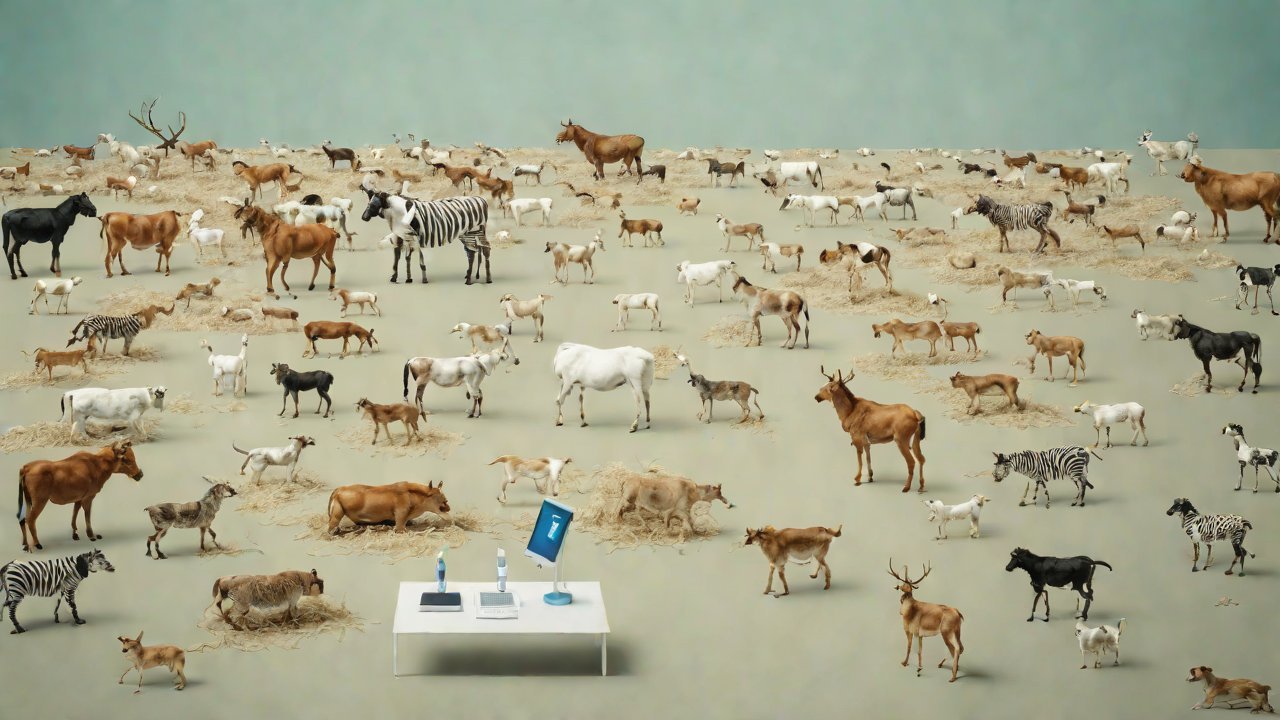
The technical perspective on digital animal identities is multifaceted, involving the use of blockchain, artificial intelligence, and the IoT. Blockchain technology can provide a secure and transparent way to record animal movements, feed consumption, and health data. Artificial intelligence can help analyze this data, providing insights for farmers, conservationists, and policymakers. The IoT can enable real-time monitoring of animal movements and feed consumption, allowing for more efficient production and distribution.
| Technology | Description | Benefits |
|---|---|---|
| Blockchain | Secure and transparent recording of animal data | Improved data accuracy, reduced waste, and increased efficiency |
| Artificial Intelligence | Analysis of animal data to provide insights | Improved decision-making, reduced waste, and increased efficiency |
| IoT | Real-time monitoring of animal movements and feed consumption | Improved efficiency, reduced waste, and increased accuracy |
4. Market Data and Trends
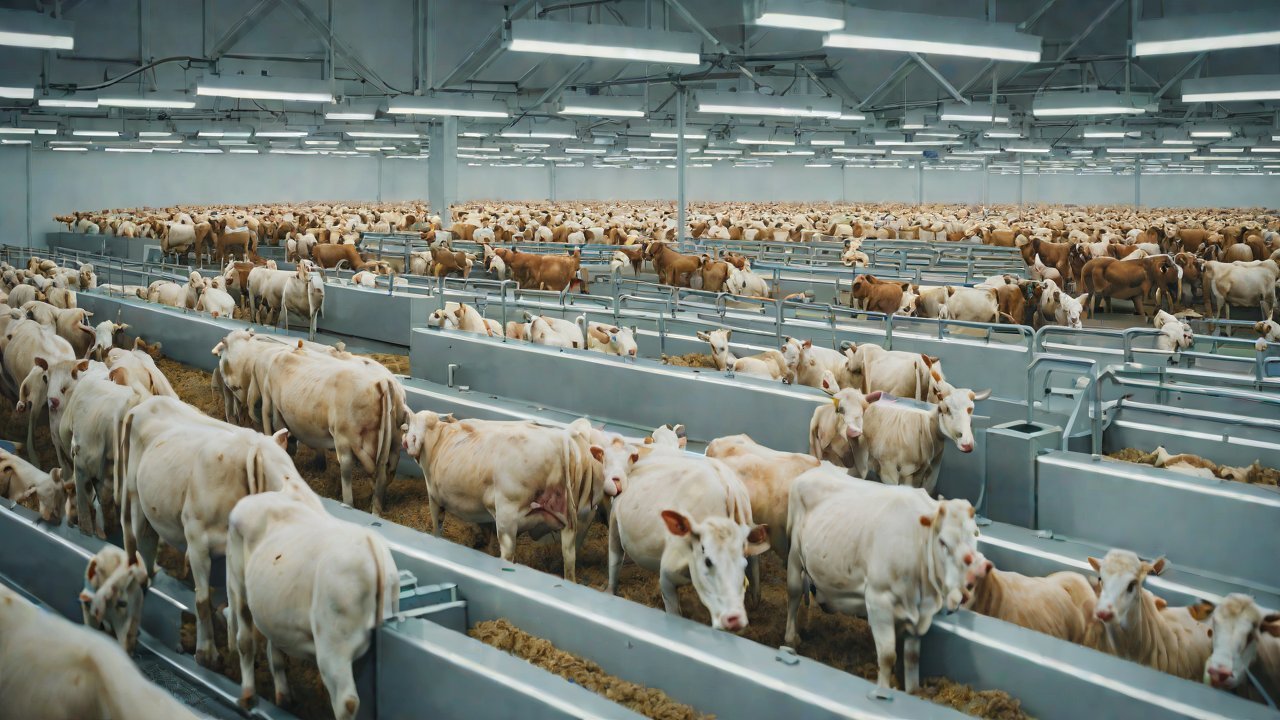
The market for digital animal identities is rapidly growing, driven by increasing demand from farmers, animal producers, and conservationists. Companies such as IBM, Microsoft, and SAP are already working on developing blockchain-based solutions for animal identification. The market is expected to reach $1.3 billion by 2025, growing at a CAGR of 25%.
| Company | Solution | Description |
|---|---|---|
| IBM | Blockchain-based animal identification | Secure and transparent recording of animal data |
| Microsoft | AI-powered animal monitoring | Real-time monitoring of animal movements and feed consumption |
| SAP | IoT-based animal tracking | Real-time tracking of animal movements and feed consumption |
5. Conclusion
The alleviation of hunger is a complex problem that requires a multifaceted approach. Digital animal identities have the potential to play a significant role in alleviating hunger by optimizing feed production and distribution, improving animal health, and reducing waste. However, the impact of digital animal identities on hunger will depend on various factors, including the extent to which they are adopted by farmers and animal producers, the effectiveness of digital identities in optimizing feed production and distribution, and the degree to which digital identities can help reduce waste and improve animal health.
The technical perspective on digital animal identities is multifaceted, involving the use of blockchain, artificial intelligence, and the IoT. The market for digital animal identities is rapidly growing, driven by increasing demand from farmers, animal producers, and conservationists. As the world’s population continues to grow, the need for innovative solutions to address hunger and malnutrition will only increase. Digital animal identities have the potential to play a significant role in alleviating hunger, but it will require a concerted effort from governments, corporations, and civil society to make this vision a reality.
IOT Cloud Platform
IOT Cloud Platform is an IoT portal established by a Chinese IoT company, focusing on technical solutions in the fields of agricultural IoT, industrial IoT, medical IoT, security IoT, military IoT, meteorological IoT, consumer IoT, automotive IoT, commercial IoT, infrastructure IoT, smart warehousing and logistics, smart home, smart city, smart healthcare, smart lighting, etc.
The IoT Cloud Platform blog is a top IoT technology stack, providing technical knowledge on IoT, robotics, artificial intelligence (generative artificial intelligence AIGC), edge computing, AR/VR, cloud computing, quantum computing, blockchain, smart surveillance cameras, drones, RFID tags, gateways, GPS, 3D printing, 4D printing, autonomous driving, etc.