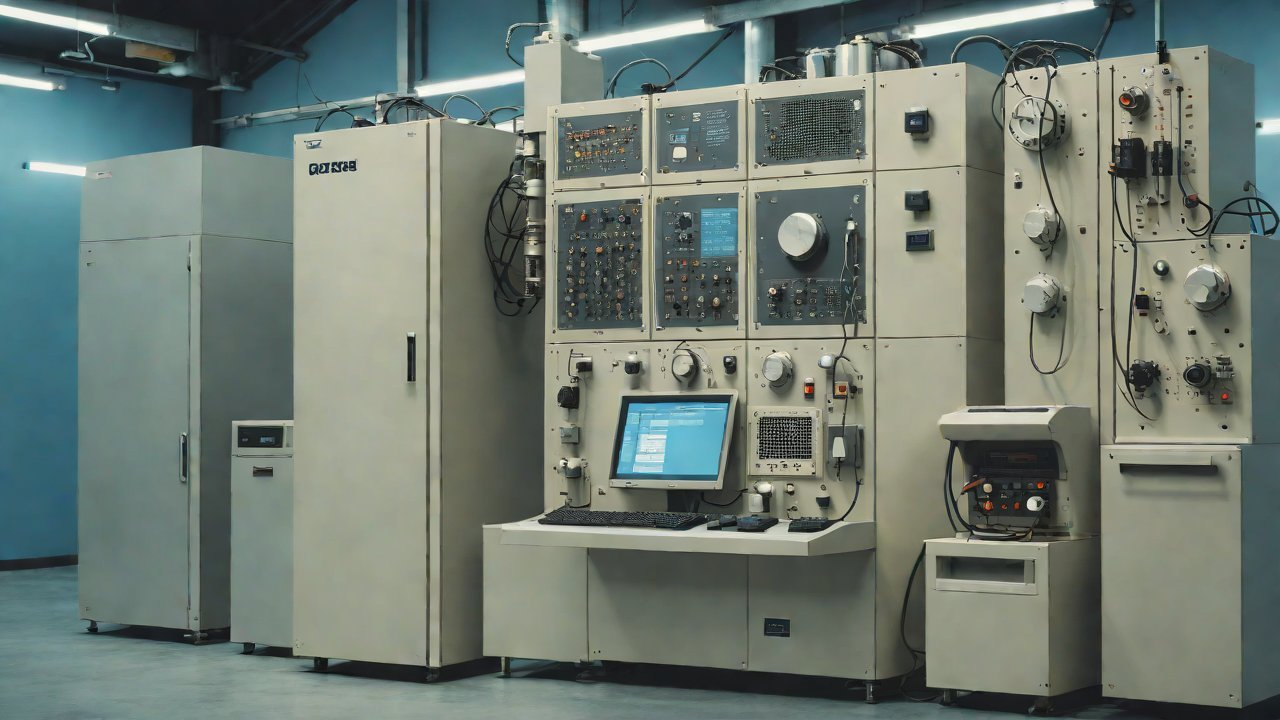
When drones become ubiquitous, will traditional sprayers become museum artifacts?
As the world hurtles towards an era of unprecedented technological advancements, one sector that stands to be revolutionized is agriculture. The marriage of drones and precision agriculture is a match made in heaven, promising to disrupt traditional farming methods and usher in a new era of efficiency, sustainability, and productivity. The once-mighty traditional sprayer, a staple of agricultural operations for centuries, may soon find itself relegated to the dusty shelves of a museum, a relic of a bygone era.
1. The Rise of Drones in Agriculture
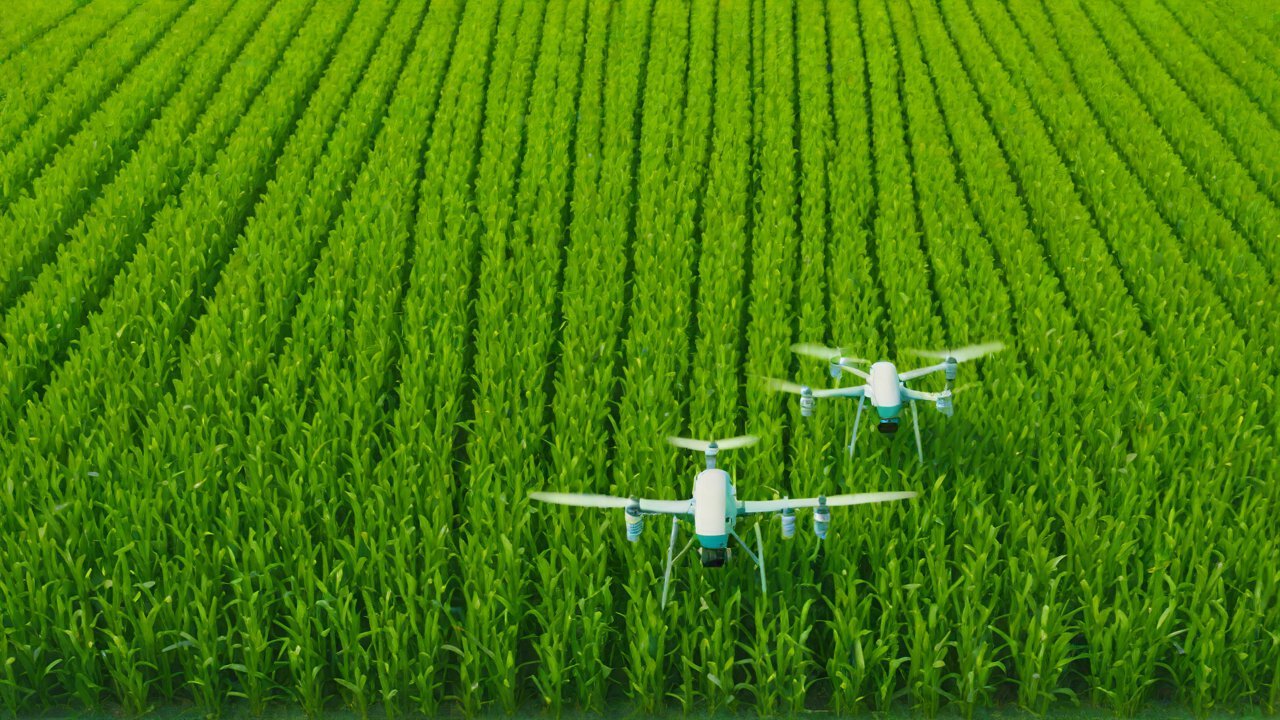
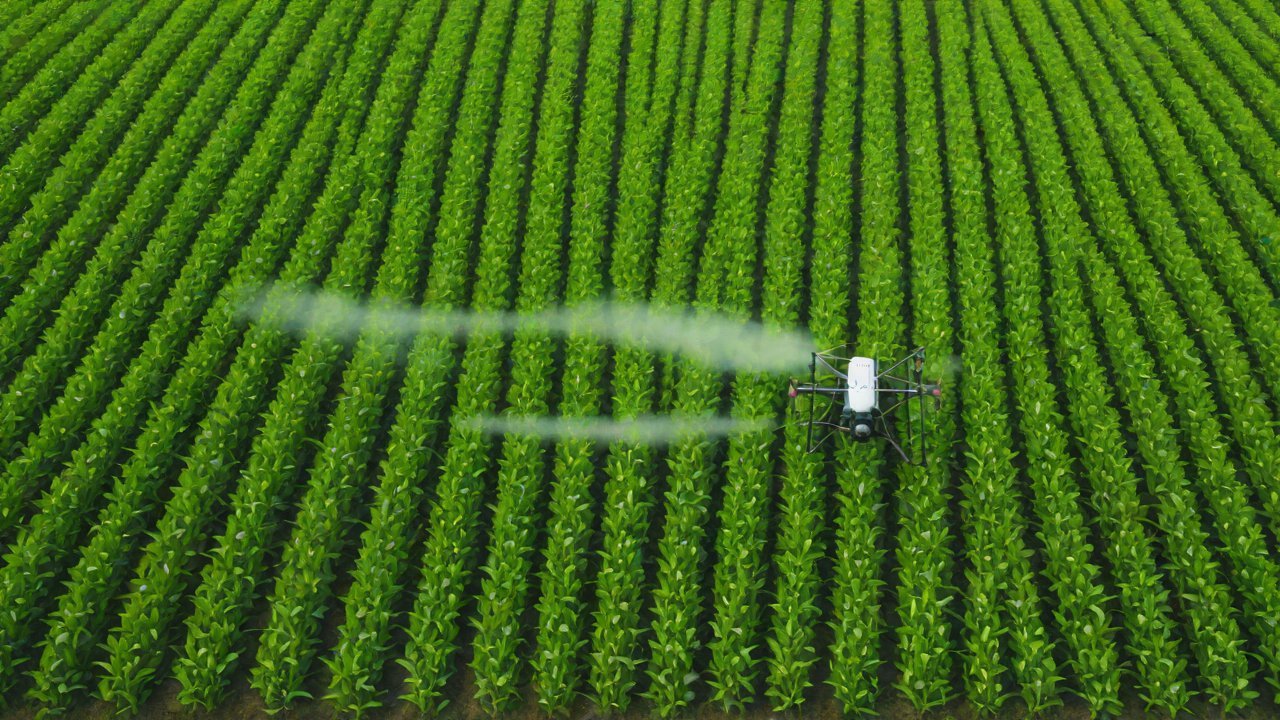
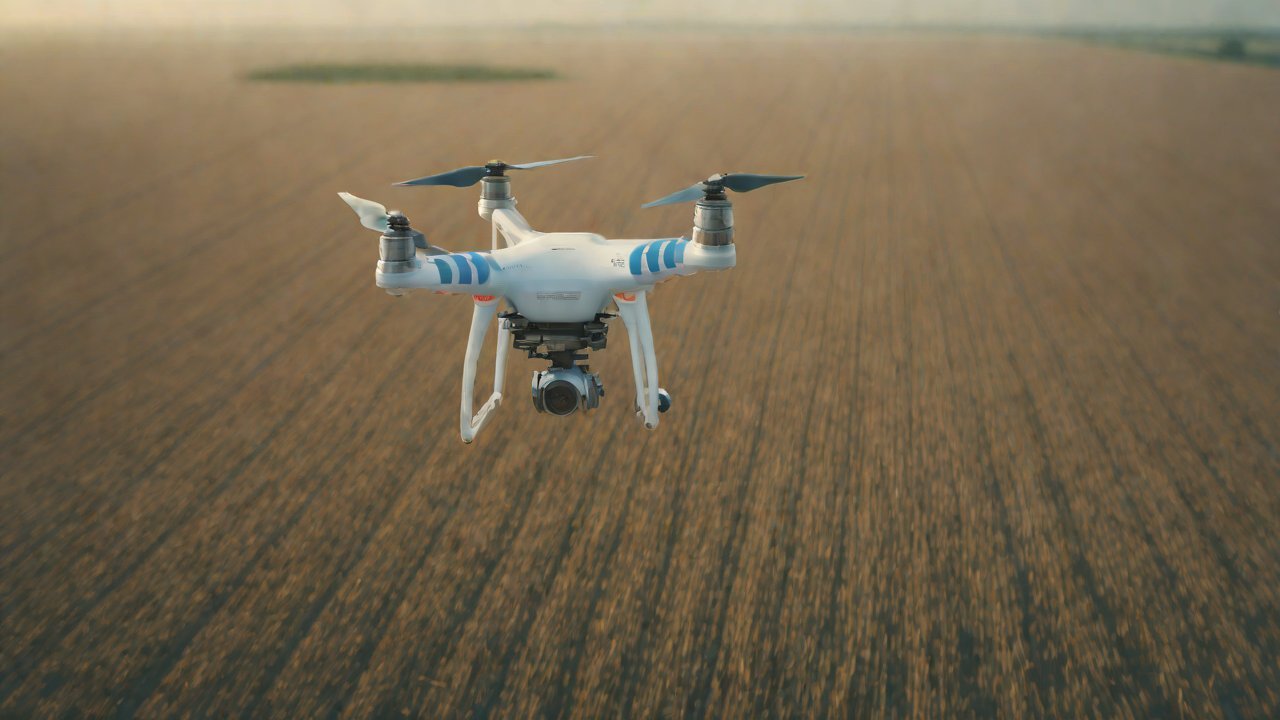
Drones have been making waves in various industries, from surveying and mapping to package delivery and even environmental monitoring. In agriculture, they have found a particularly fertile ground, with applications ranging from crop monitoring and scouting to precision spraying and fertilization. The use of drones in agriculture has been gaining momentum in recent years, with many farmers and agricultural companies embracing this technology to improve yields, reduce costs, and enhance sustainability.
Benefits of Drone-Based Precision Agriculture
| Benefit | Description |
|---|---|
| Precision Spraying | Targeted application of pesticides, herbicides, and fertilizers, reducing waste and minimizing environmental impact. |
| Crop Monitoring | Real-time monitoring of crop health, growth, and stress, enabling early intervention and optimized decision-making. |
| Data Analytics | Collection and analysis of vast amounts of data on soil moisture, temperature, and other factors, informing farming decisions and optimizing resource allocation. |
| Increased Efficiency | Reduced labor costs, improved productivity, and enhanced operational efficiency through automation and reduced manual intervention. |
2. The Traditional Sprayer’s Demise
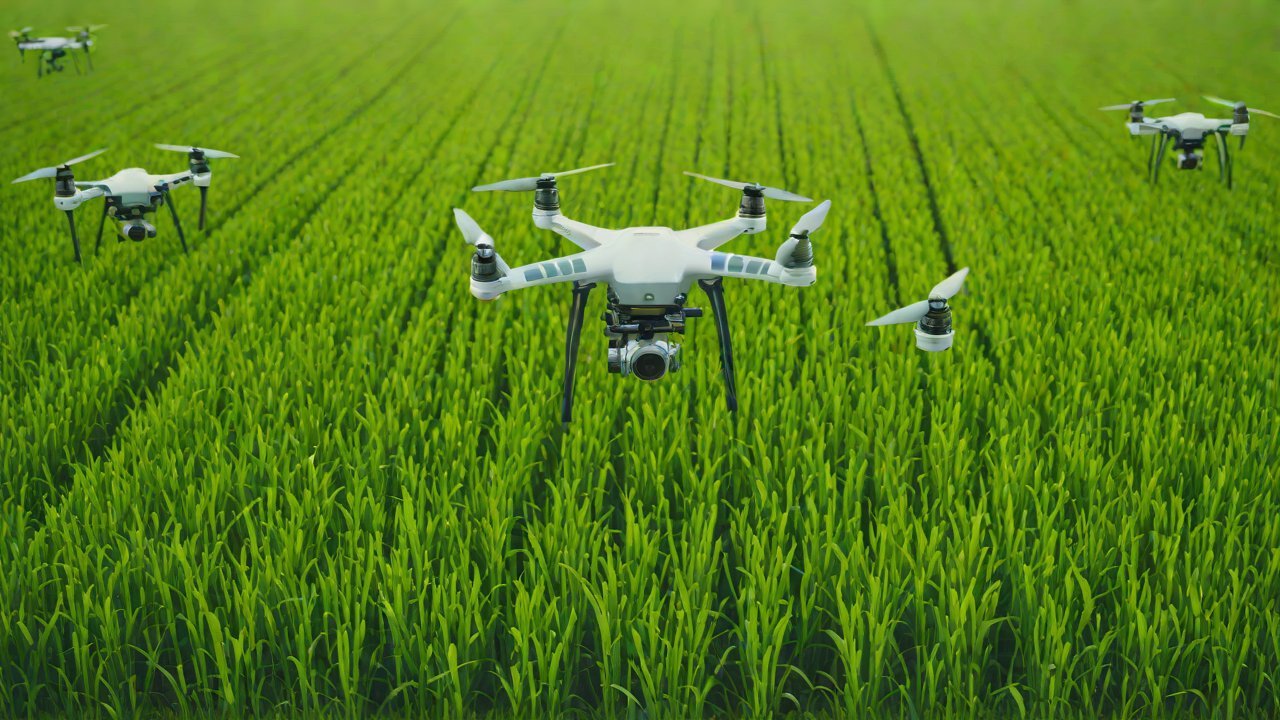
As drones become increasingly ubiquitous in agriculture, the traditional sprayer is facing an existential crisis. With its limitations in precision, efficiency, and environmental sustainability, the traditional sprayer is rapidly losing ground to the more advanced and sophisticated drone-based systems.
Limitations of Traditional Sprayers
| Limitation | Description |
|---|---|
| Inaccurate Application | Traditional sprayers often lead to uneven application, resulting in wasted resources and reduced efficacy. |
| High Labor Costs | Manual intervention and labor-intensive operation make traditional sprayers expensive and time-consuming to operate. |
| Environmental Impact | Inadequate control over spray drift and runoff can lead to environmental pollution and harm to non-target species. |
3. Market Trends and Forecasts
The market for drone-based precision agriculture is growing rapidly, with estimates suggesting a compound annual growth rate (CAGR) of 24% between 2023 and 2028. As the industry continues to mature, we can expect to see increased adoption of drone-based systems, particularly among large-scale commercial farmers and agricultural companies.
Market Share and Adoption Rates
| Region | Market Share (%) | Adoption Rate (%) |
|---|---|---|
| North America | 35% | 25% |
| Europe | 28% | 20% |
| Asia-Pacific | 22% | 15% |
| Latin America | 10% | 5% |
| Africa | 5% | 2% |
4. Technical Perspectives and Challenges
While drones have shown tremendous promise in precision agriculture, several technical challenges need to be addressed before they can become a mainstream solution. These include issues related to data integration, sensor accuracy, and system scalability.
Technical Challenges and Solutions
| Challenge | Description | Solution |
|---|---|---|
| Data Integration | Combining data from multiple sources and formats, including drones, sensors, and weather stations. | Implementation of data standardization protocols and APIs for seamless integration. |
| Sensor Accuracy | Ensuring accurate and reliable data from various sensors, including cameras, lidar, and multispectral sensors. | Regular calibration and maintenance of sensors, as well as data fusion techniques to improve accuracy. |
| System Scalability | Scaling up drone-based systems to accommodate large-scale commercial operations. | Development of modular and scalable architectures, as well as cloud-based data processing and analytics platforms. |
5. Conclusion and Future Outlook
As drones continue to revolutionize the agriculture industry, the traditional sprayer is poised to become a relic of the past. With its limitations in precision, efficiency, and environmental sustainability, the traditional sprayer is rapidly losing ground to the more advanced and sophisticated drone-based systems. As the market for drone-based precision agriculture continues to grow, we can expect to see increased adoption rates, improved efficiency, and enhanced sustainability in agricultural operations worldwide.
IOT Cloud Platform
IOT Cloud Platform is an IoT portal established by a Chinese IoT company, focusing on technical solutions in the fields of agricultural IoT, industrial IoT, medical IoT, security IoT, military IoT, meteorological IoT, consumer IoT, automotive IoT, commercial IoT, infrastructure IoT, smart warehousing and logistics, smart home, smart city, smart healthcare, smart lighting, etc.
The IoT Cloud Platform blog is a top IoT technology stack, providing technical knowledge on IoT, robotics, artificial intelligence (generative artificial intelligence AIGC), edge computing, AR/VR, cloud computing, quantum computing, blockchain, smart surveillance cameras, drones, RFID tags, gateways, GPS, 3D printing, 4D printing, autonomous driving, etc.