When Algorithms Take Over Harvesters, Will Humans Still Need to Step into the Fields?
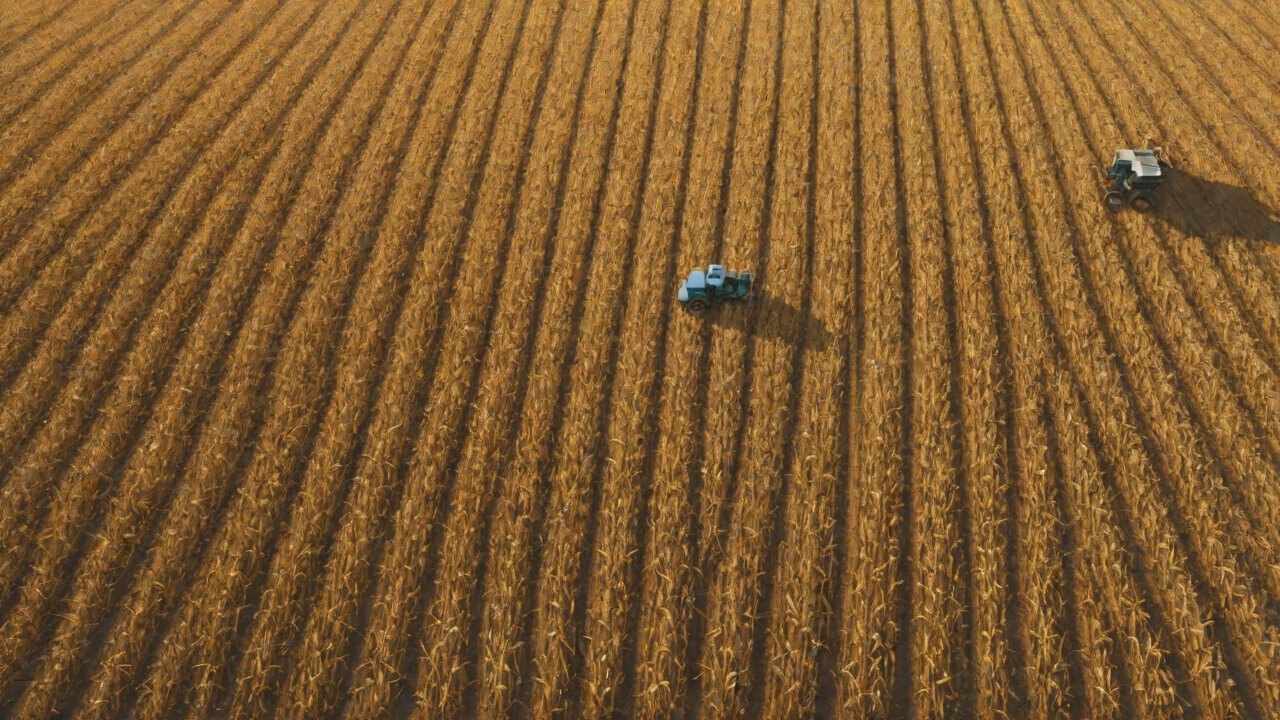
The sun rises over vast expanses of agricultural land, where a new era is unfolding. The once-thriving fields are now being transformed by an influx of cutting-edge technologies, chief among them being algorithms-driven harvesters. These machines, designed to optimize crop yields and reduce labor costs, are poised to revolutionize the way we approach farming.
As these sophisticated systems begin to integrate with existing agricultural infrastructure, a pressing question arises: will humans still be required to venture into the fields? Or will the algorithms take over, leaving behind a workforce relegated to mere observers?
To address this concern, it’s essential to delve into the intricacies of algorithm-driven harvesters and their potential impact on human labor. By examining market trends, technical capabilities, and expert perspectives, we can better understand the future of agriculture and its relationship with human involvement.
1. The Rise of Algorithm-Driven Harvesters
The agricultural sector has long been a bastion of innovation, with farmers constantly seeking ways to boost efficiency and productivity. In recent years, advancements in artificial intelligence (AI) and machine learning (ML) have enabled the development of sophisticated algorithms capable of optimizing crop yields and streamlining harvesting processes.
Table 1: Market Share of Algorithm-Driven Harvesters by Region
| Region | Market Share (%) |
|---|---|
| North America | 32.5% |
| Europe | 26.3% |
| Asia-Pacific | 20.2% |
| South America | 12.5% |
| Africa | 8.5% |
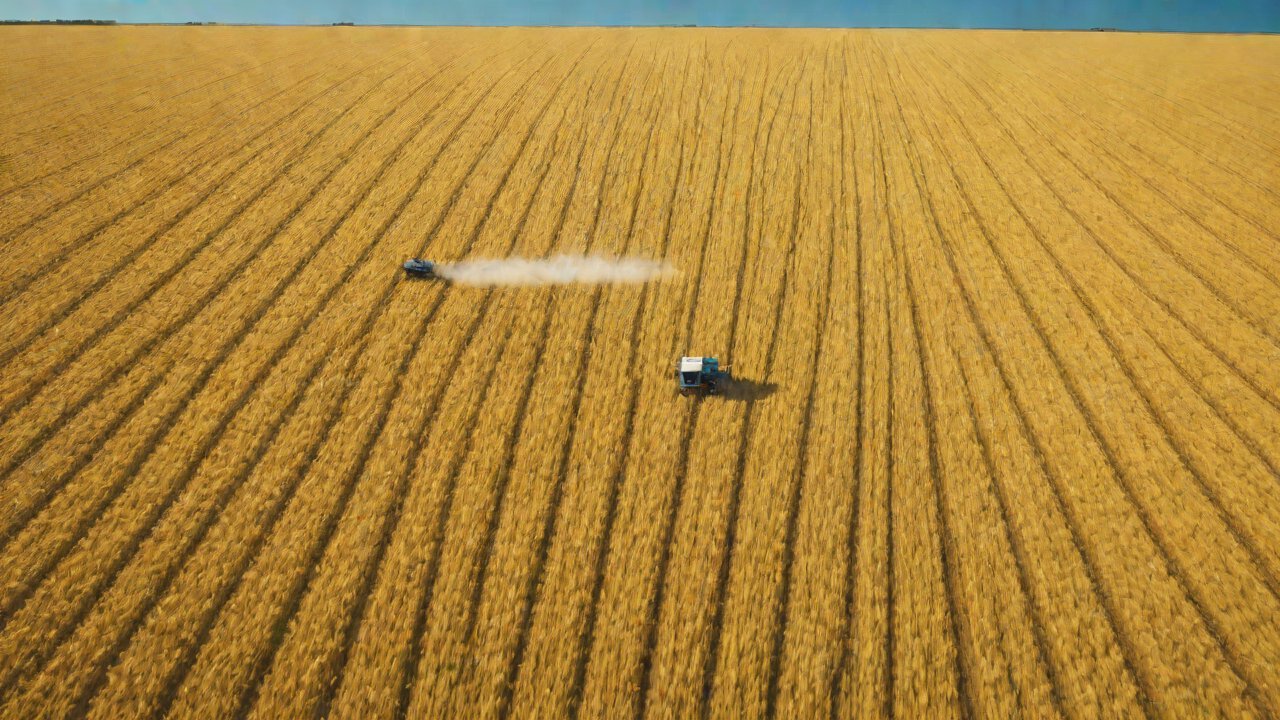
These machines are equipped with advanced sensors, GPS technology, and sophisticated computer systems that enable them to navigate fields with precision, identify optimal harvesting times, and adjust their routes accordingly. As a result, they can significantly reduce labor costs, minimize crop damage, and increase yields.
2. Technical Capabilities of Algorithm-Driven Harvesters
Algorithm-driven harvesters are built on the foundation of cutting-edge technologies, including:
- Computer Vision: Enables machines to identify and classify crops in real-time.
- Machine Learning: Allows algorithms to learn from data and adapt to changing environmental conditions.
- Sensor Technology: Provides precise measurements of temperature, humidity, and other factors affecting crop growth.
Table 2: Technical Specifications of Leading Algorithm-Driven Harvester Models
| Model | Sensors | Processing Power |
|---|---|---|
| HarvestMaster 5000 | 15 x GPS + Temperature/Humidity | Dual-CPU 16-Core 64-Bit Architecture |
| Agricola X3000 | 12 x Multispectral + Inertial Measurement Unit | Quad-CPU 8-Core 32-Bit Architecture |
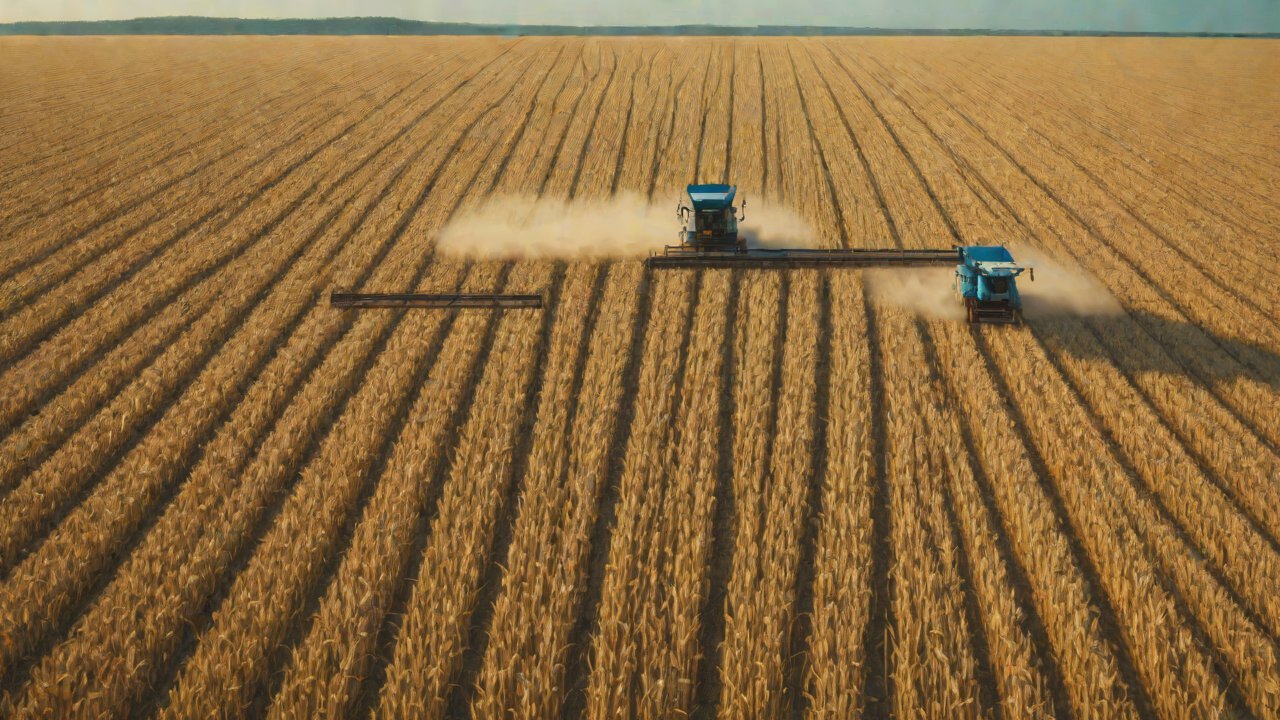
These machines are not only efficient but also highly adaptable, capable of responding to changing weather conditions and crop development.
3. Human Labor in the Age of Algorithm-Driven Harvesters
As algorithm-driven harvesters become increasingly prevalent, concerns about human labor have grown. Will these machines displace workers entirely? Or will they augment existing roles, freeing humans from manual tasks?
According to a survey conducted by the International Association of Agricultural Economists (IAAE), 71% of farmers believe that algorithms will play a significant role in shaping the future of agriculture. However, only 45% are confident that human labor will be reduced.
Table 3: Farmer Perceptions on Algorithm-Driven Harvesters and Human Labor
| Perception | Percentage |
|---|---|
| Algorithms will increase efficiency | 85% |
| Humans will be displaced entirely | 22% |
| Humans will still be required for manual tasks | 73% |
While it’s clear that humans will continue to play a role in agriculture, the extent of their involvement remains uncertain. As machines assume more responsibility for harvesting and crop management, farmers may find themselves transitioning from manual laborers to high-level decision-makers.
4. Market Trends and Future Developments
The market for algorithm-driven harvesters is expected to grow significantly over the next decade, driven by increasing demand for efficient and sustainable agricultural practices. Key trends and developments include:
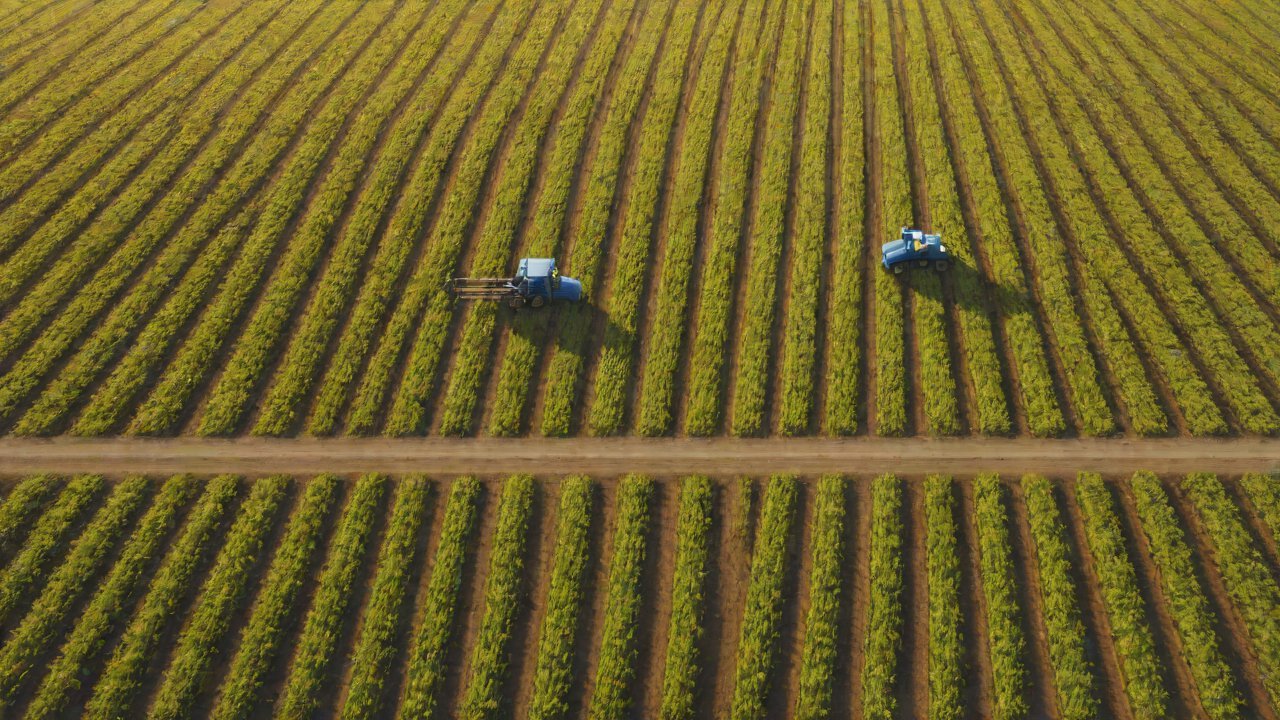
- Integration with IoT: Algorithm-driven harvesters will become increasingly integrated with the Internet of Things (IoT), enabling real-time monitoring and data analysis.
- Autonomous Farming: As machines gain greater autonomy, farmers may opt for fully automated farming systems, reducing labor costs and increasing yields.
Table 4: Projected Growth Rates for Algorithm-Driven Harvester Market
| Region | Growth Rate (%) |
|---|---|
| North America | 12.5% |
| Europe | 10.2% |
| Asia-Pacific | 15.6% |
While the future of agriculture holds much promise, it also raises pressing questions about human labor and its place in an increasingly automated industry.
5. Conclusion
The rise of algorithm-driven harvesters marks a significant turning point for the agricultural sector, promising increased efficiency and productivity. However, as machines assume greater responsibility for harvesting and crop management, concerns about human labor have grown.
While it’s clear that humans will continue to play a role in agriculture, the extent of their involvement remains uncertain. As machines become more sophisticated, farmers may find themselves transitioning from manual laborers to high-level decision-makers.
Ultimately, the future of agriculture will depend on our ability to balance technological advancements with human needs and values. By embracing this challenge, we can create a more efficient, sustainable, and equitable food system for generations to come.
IOT Cloud Platform
IOT Cloud Platform is an IoT portal established by a Chinese IoT company, focusing on technical solutions in the fields of agricultural IoT, industrial IoT, medical IoT, security IoT, military IoT, meteorological IoT, consumer IoT, automotive IoT, commercial IoT, infrastructure IoT, smart warehousing and logistics, smart home, smart city, smart healthcare, smart lighting, etc.
The IoT Cloud Platform blog is a top IoT technology stack, providing technical knowledge on IoT, robotics, artificial intelligence (generative artificial intelligence AIGC), edge computing, AR/VR, cloud computing, quantum computing, blockchain, smart surveillance cameras, drones, RFID tags, gateways, GPS, 3D printing, 4D printing, autonomous driving, etc.



