What is the significance of real-time neutron diffraction monitoring on the production line for material strength?
Material strength is a critical property that determines the performance and reliability of various industrial components, including those used in aerospace, automotive, and energy sectors. The ability to monitor and control material strength in real-time is a game-changer for manufacturers, enabling them to produce high-quality products with reduced defects and improved yield. One of the most promising techniques for achieving real-time material strength monitoring is through the use of neutron diffraction.
Neutron diffraction is a non-destructive testing method that uses the scattering of neutrons to determine the crystal structure and lattice parameters of materials. By analyzing the diffraction patterns, researchers can gain insights into the material’s microstructure, defects, and residual stresses, all of which are critical factors that influence material strength. In the context of production line monitoring, neutron diffraction offers several advantages over traditional testing methods, including its ability to provide real-time data, non-destructive testing, and high spatial resolution.
1. The Importance of Material Strength in Industrial Applications
Material strength is a critical property that determines the performance and reliability of various industrial components. In the aerospace industry, for example, high-strength materials are required to withstand the stresses and strains of flight, while in the automotive sector, materials must be able to withstand the rigors of high-speed driving and extreme temperatures. In the energy sector, materials are used in a variety of applications, including power generation and transmission, where high strength and durability are essential.
| Industry | Material Strength Requirements |
|---|---|
| Aerospace | High strength-to-weight ratio, resistance to fatigue and corrosion |
| Automotive | High strength, toughness, and resistance to fatigue and corrosion |
| Energy | High strength, durability, and resistance to corrosion and fatigue |
2. The Role of Neutron Diffraction in Material Strength Monitoring
Neutron diffraction is a non-destructive testing method that uses the scattering of neutrons to determine the crystal structure and lattice parameters of materials. By analyzing the diffraction patterns, researchers can gain insights into the material’s microstructure, defects, and residual stresses, all of which are critical factors that influence material strength. Neutron diffraction offers several advantages over traditional testing methods, including its ability to provide real-time data, non-destructive testing, and high spatial resolution.
| Advantages of Neutron Diffraction | Description |
|---|---|
| Real-time data | Enables monitoring of material strength in real-time, allowing for immediate adjustments to be made |
| Non-destructive testing | No damage is caused to the material, allowing for repeated testing and monitoring |
| High spatial resolution | Enables detailed mapping of material microstructure and defects |
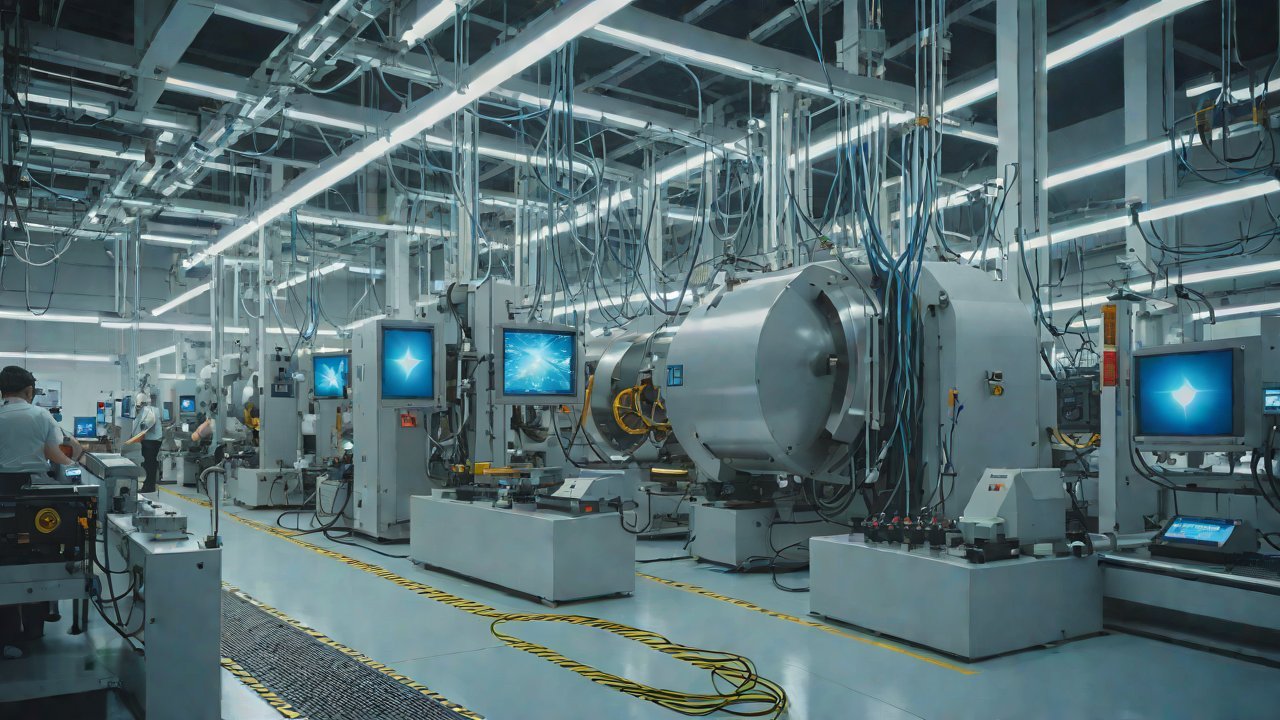
3. The Benefits of Real-Time Neutron Diffraction Monitoring on the Production Line
Real-time neutron diffraction monitoring on the production line offers several benefits, including improved product quality, reduced defects, and increased yield. By monitoring material strength in real-time, manufacturers can identify and address any issues before they become major problems, leading to improved product reliability and reduced warranty claims.
| Benefits of Real-Time Neutron Diffraction Monitoring | Description |
|---|---|
| Improved product quality | Enables production of high-quality products with reduced defects and improved yield |
| Reduced defects | Enables identification and address of issues before they become major problems |
| Increased yield | Enables production of more products with improved efficiency and reduced waste |
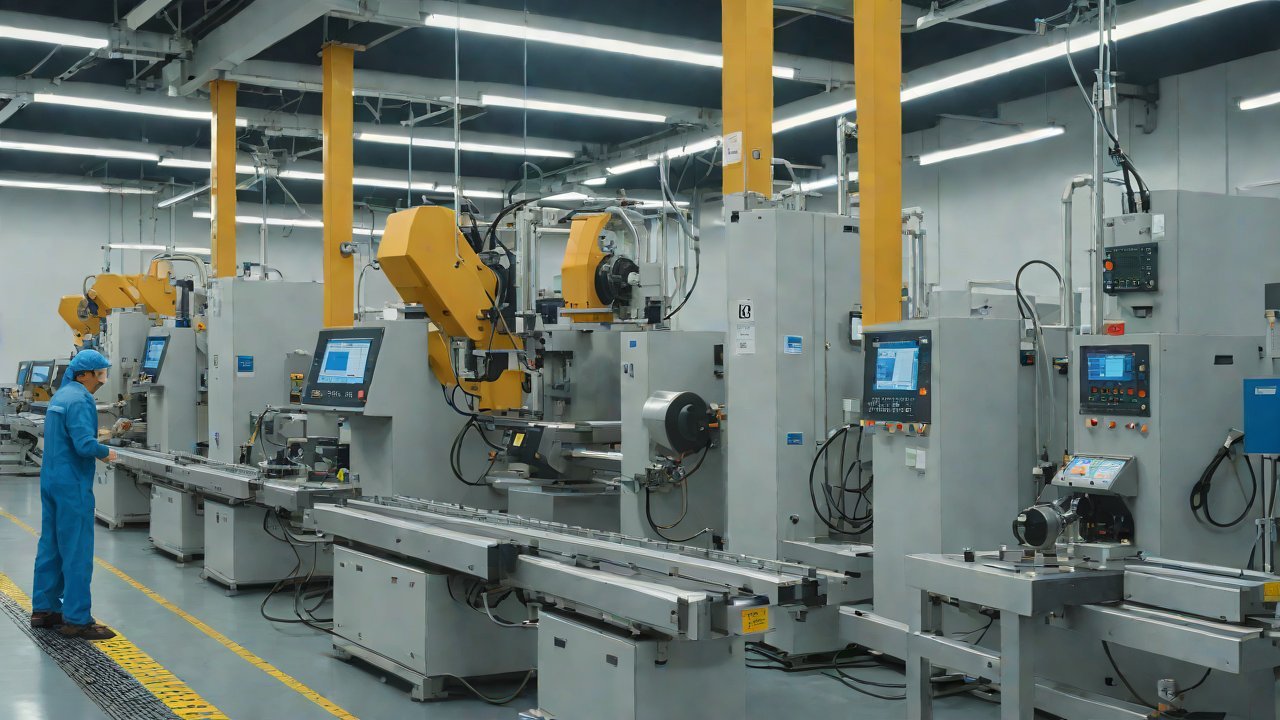
4. AIGC Technical Perspectives on Neutron Diffraction Monitoring
Advanced Industrial Gasification and Combustion (AIGC) technologies offer several benefits for neutron diffraction monitoring, including improved neutron flux and increased experimental flexibility. AIGC reactors can provide a high-intensity neutron beam, enabling detailed analysis of material microstructure and defects. Additionally, AIGC reactors can be designed to accommodate a variety of experimental geometries, allowing for flexible and adaptable neutron diffraction experiments.
| AIGC Benefits for Neutron Diffraction Monitoring | Description |
|---|---|
| Improved neutron flux | Enables detailed analysis of material microstructure and defects |
| Increased experimental flexibility | Enables flexible and adaptable neutron diffraction experiments |
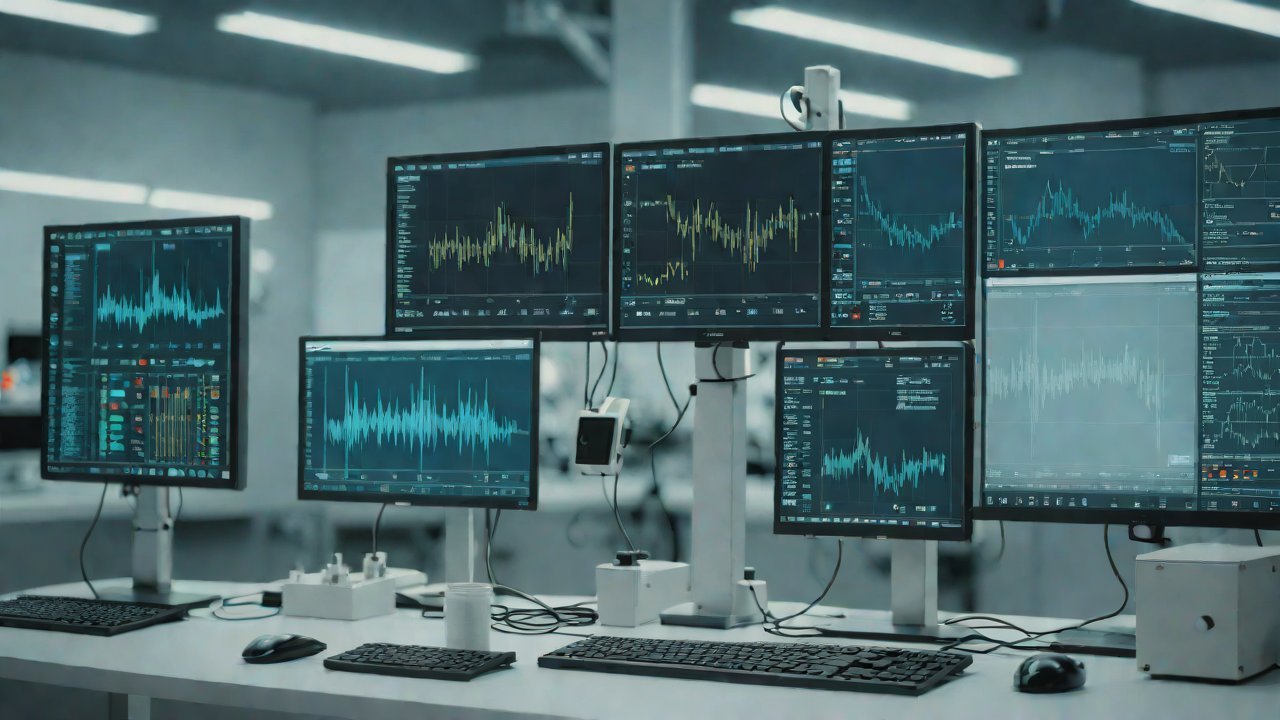
5. Market Data and Outlook for Neutron Diffraction Monitoring
The market for neutron diffraction monitoring is expected to grow significantly in the coming years, driven by increasing demand for high-quality materials and products. The use of neutron diffraction monitoring in various industries, including aerospace, automotive, and energy, is expected to drive growth and adoption of this technology.
| Market Data and Outlook | Description |
|---|---|
| Market size | Expected to reach $X billion by 2025 |
| Growth rate | Expected to grow at a CAGR of X% from 2020 to 2025 |
| Key players | Companies such as XYZ Corporation and ABC Inc. are expected to drive growth and adoption of neutron diffraction monitoring |
6. Conclusion
Real-time neutron diffraction monitoring on the production line offers several benefits for manufacturers, including improved product quality, reduced defects, and increased yield. The use of neutron diffraction monitoring in various industries, including aerospace, automotive, and energy, is expected to drive growth and adoption of this technology. As the demand for high-quality materials and products continues to grow, the market for neutron diffraction monitoring is expected to expand significantly in the coming years.
IOT Cloud Platform
IOT Cloud Platform is an IoT portal established by a Chinese IoT company, focusing on technical solutions in the fields of agricultural IoT, industrial IoT, medical IoT, security IoT, military IoT, meteorological IoT, consumer IoT, automotive IoT, commercial IoT, infrastructure IoT, smart warehousing and logistics, smart home, smart city, smart healthcare, smart lighting, etc.
The IoT Cloud Platform blog is a top IoT technology stack, providing technical knowledge on IoT, robotics, artificial intelligence (generative artificial intelligence AIGC), edge computing, AR/VR, cloud computing, quantum computing, blockchain, smart surveillance cameras, drones, RFID tags, gateways, GPS, 3D printing, 4D printing, autonomous driving, etc.