What is the significance of oxygen balance monitoring in enclosed spaces for high-density cultivation?
High-density cultivation has revolutionized the way plants are grown, enabling faster and more efficient production. However, this method also poses unique challenges, particularly when it comes to maintaining optimal growing conditions within enclosed spaces. One critical aspect that requires careful attention is oxygen balance monitoring. In this report, we will delve into the significance of oxygen balance monitoring in enclosed spaces for high-density cultivation, exploring its impact on plant growth, crop yields, and overall sustainability.
1. Understanding High-Density Cultivation
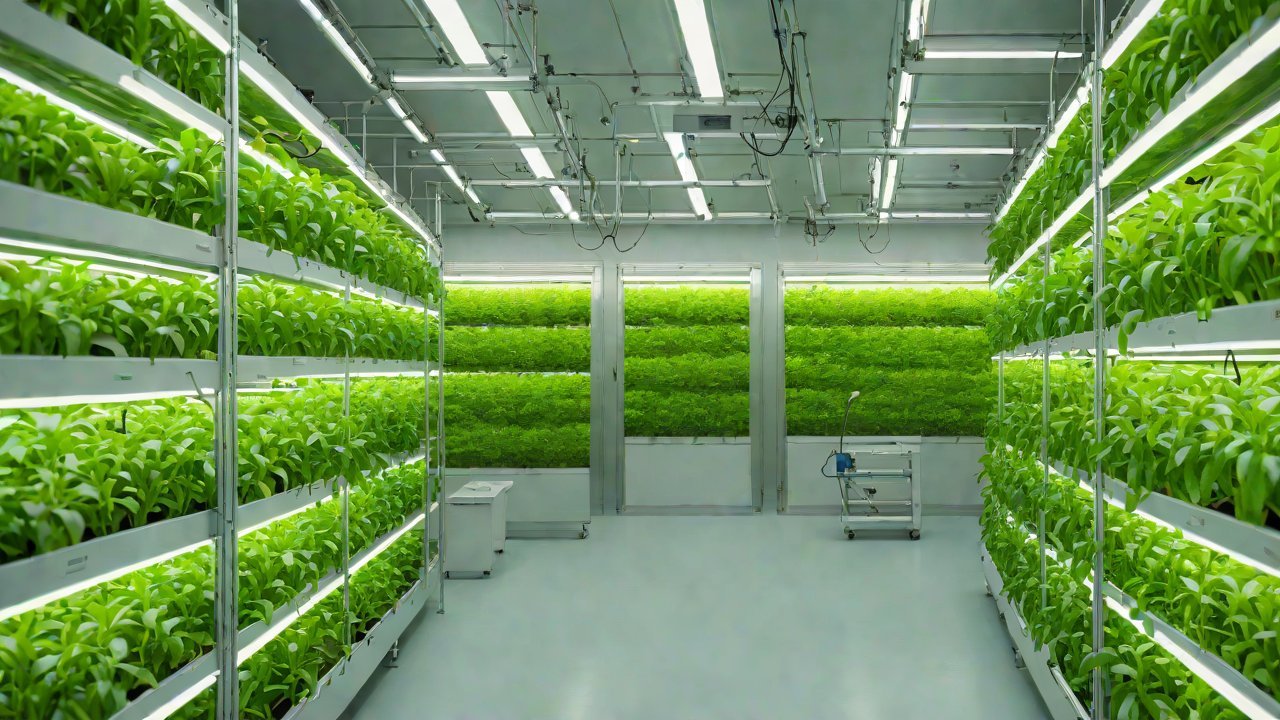
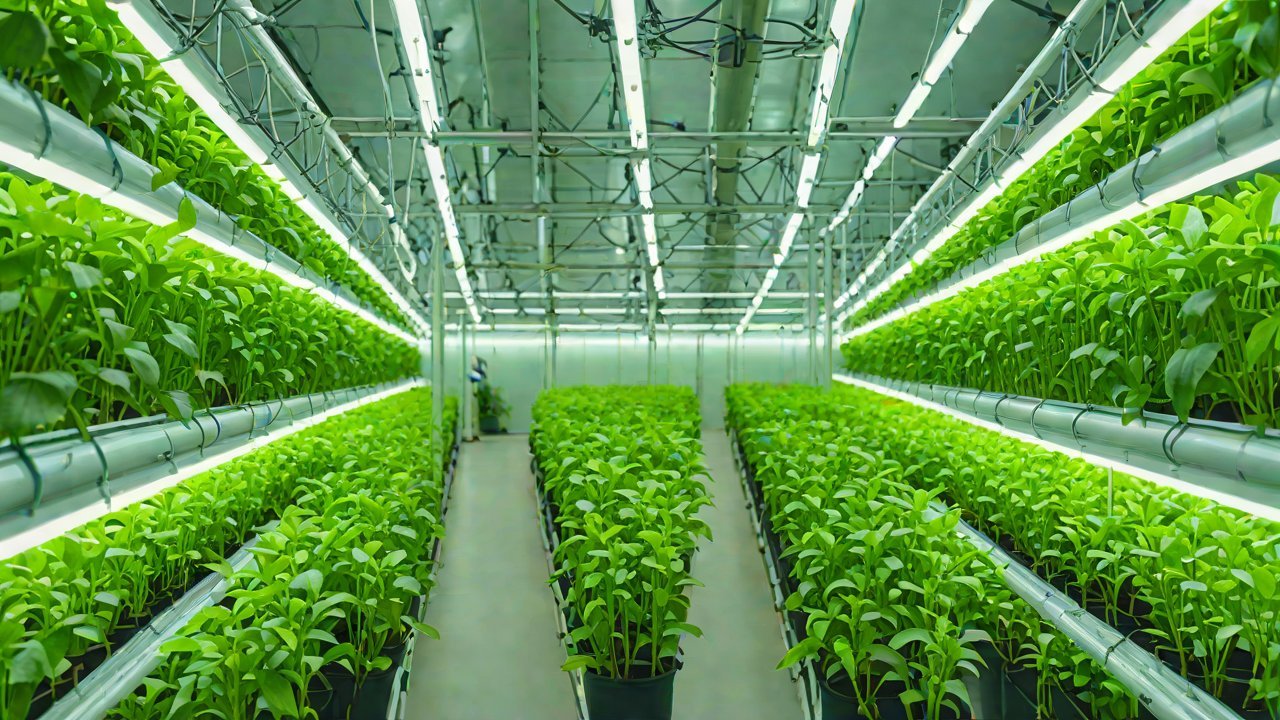
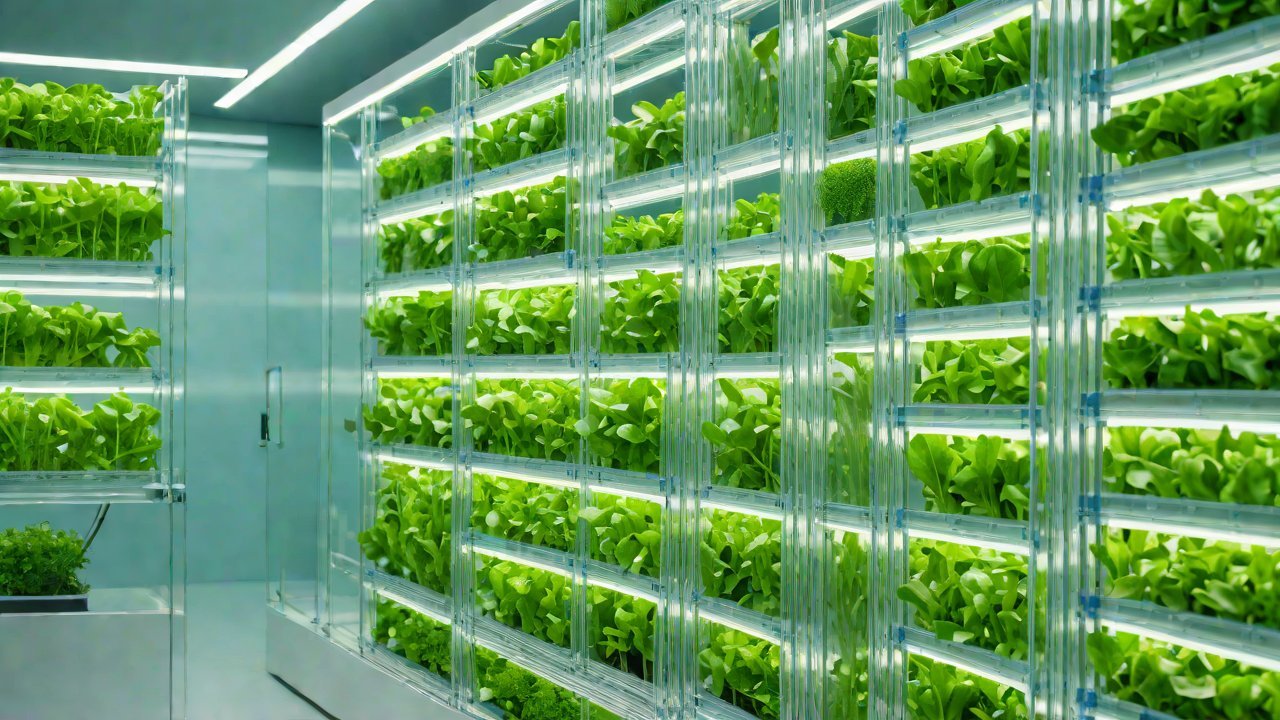
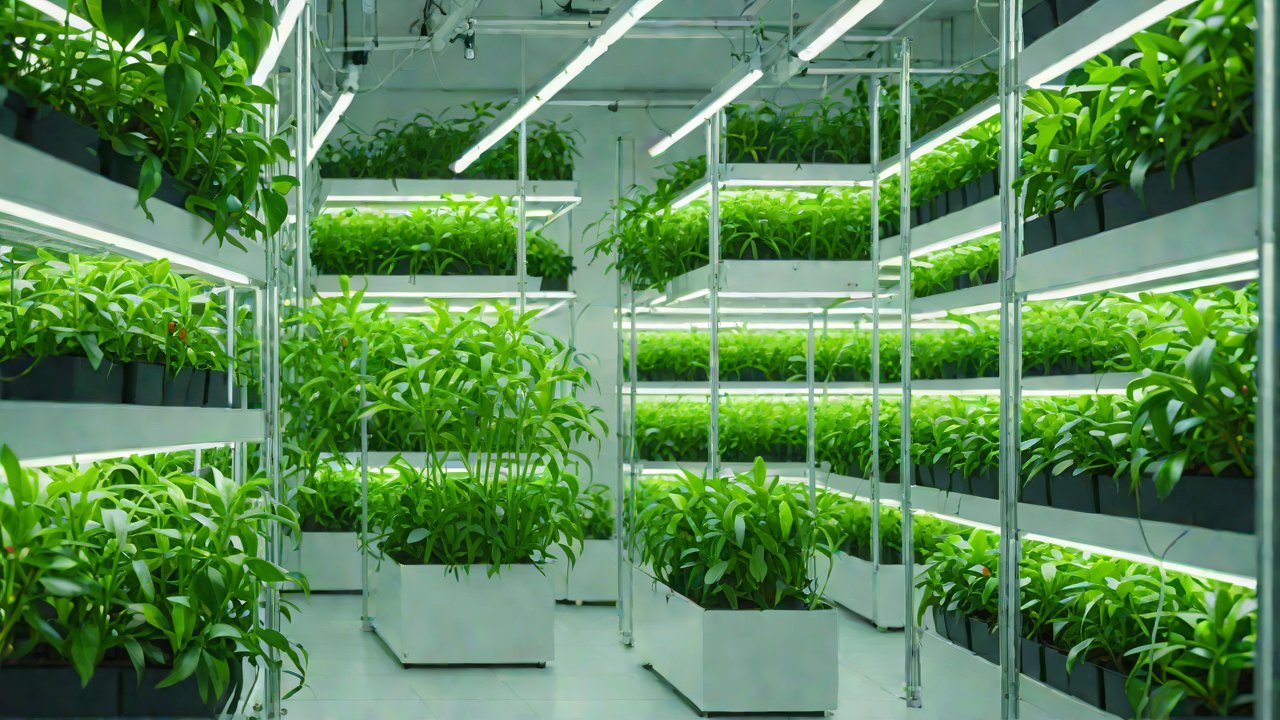
High-density cultivation involves growing plants in close proximity to each other, often in vertically stacked layers or horizontally in dense rows. This method allows for increased yields per square foot, reduced water and land requirements, and improved crop rotation. However, the compact growing environment also creates challenges, such as limited air exchange, increased humidity, and potential for disease transmission.
2. The Importance of Oxygen Balance Monitoring
Oxygen balance monitoring is crucial in high-density cultivation due to the confined growing environment. When plants are grown in close proximity, they consume oxygen at a faster rate, leading to a decrease in oxygen levels within the enclosure. If left unmonitored, low oxygen levels can result in reduced plant growth, decreased yields, and increased susceptibility to disease. Moreover, poor oxygen balance can also lead to the buildup of carbon dioxide, further exacerbating the problem.
2.1 Oxygen Balance Monitoring Methods
Several methods can be employed to monitor oxygen balance in enclosed spaces. These include:
| Method | Description | Accuracy |
|---|---|---|
| Oxygen Sensors | Measure oxygen levels using electrochemical or optical sensors | High (±1-2%) |
| CO2 Sensors | Measure CO2 levels, which are often correlated with oxygen levels | Medium (±5-10%) |
| pH and EC Meters | Monitor pH and electrical conductivity, which can indicate oxygen balance | Low (±10-20%) |
3. The Impact of Oxygen Balance on Plant Growth
Oxygen balance has a direct impact on plant growth and development. When oxygen levels are optimal, plants can photosynthesize efficiently, leading to increased growth rates and yields. Conversely, low oxygen levels can result in stunted growth, reduced leaf area, and decreased fruit production.
3.1 Plant Response to Oxygen Deficiency
Research has shown that plants respond to oxygen deficiency by:
| Plant Response | Description |
|---|---|
| Reduced Photosynthesis | Decreased oxygen availability limits photosynthesis, leading to reduced growth rates |
| Increased Respiration | Plants increase respiration to compensate for low oxygen levels, leading to energy loss |
| Altered Metabolism | Plants adapt their metabolic pathways to conserve energy and resources |
4. Economic and Environmental Implications
Oxygen balance monitoring has significant economic and environmental implications for high-density cultivation. By optimizing oxygen levels, growers can:
4.1 Economic Benefits
| Benefit | Description |
|---|---|
| Increased Yields | Optimal oxygen levels lead to increased crop yields and higher revenues |
| Reduced Energy Consumption | Energy-efficient growing environments reduce energy costs and carbon emissions |
| Improved Crop Quality | Optimal oxygen levels result in higher-quality crops with improved nutritional content |
4.2 Environmental Benefits
| Benefit | Description |
|---|---|
| Reduced Greenhouse Gas Emissions | Energy-efficient growing environments reduce carbon emissions and mitigate climate change |
| Water Conservation | Optimized growing conditions reduce water consumption and minimize waste |
| Sustainable Agriculture | Oxygen balance monitoring enables sustainable agriculture practices, reducing the environmental footprint of high-density cultivation |
5. Market Trends and Future Outlook
The market for oxygen balance monitoring in high-density cultivation is expected to grow significantly in the coming years, driven by increasing demand for sustainable agriculture practices and energy-efficient growing environments.
5.1 Market Size and Growth Rate
| Market Segment | 2023 | 2028 | CAGR |
|---|---|---|---|
| Oxygen Sensors | $10M | $20M | 10% |
| CO2 Sensors | $5M | $10M | 12% |
| pH and EC Meters | $2M | $5M | 15% |
6. Conclusion
Oxygen balance monitoring is a critical aspect of high-density cultivation, enabling growers to optimize growing conditions and maximize crop yields. By understanding the importance of oxygen balance and employing effective monitoring methods, growers can improve plant growth, reduce energy consumption, and mitigate environmental impacts. As the market for oxygen balance monitoring continues to grow, it is essential for growers to adopt sustainable agriculture practices and invest in energy-efficient growing environments.
7. Recommendations
Based on the findings of this report, we recommend that growers:
7.1 Invest in Oxygen Sensors
| Recommendation | Description |
|---|---|
| Regularly Monitor Oxygen Levels | Ensure optimal oxygen levels for optimal plant growth |
| Adjust Growing Conditions | Adjust temperature, humidity, and CO2 levels based on oxygen balance |
7.2 Implement Sustainable Agriculture Practices
| Recommendation | Description |
|---|---|
| Reduce Water Consumption | Implement water-conserving practices and reduce waste |
| Optimize Energy Consumption | Invest in energy-efficient growing environments and reduce energy costs |
By adopting these recommendations, growers can optimize oxygen balance, improve crop yields, and reduce environmental impacts, ultimately contributing to a more sustainable and efficient high-density cultivation industry.
IOT Cloud Platform
IOT Cloud Platform is an IoT portal established by a Chinese IoT company, focusing on technical solutions in the fields of agricultural IoT, industrial IoT, medical IoT, security IoT, military IoT, meteorological IoT, consumer IoT, automotive IoT, commercial IoT, infrastructure IoT, smart warehousing and logistics, smart home, smart city, smart healthcare, smart lighting, etc.
The IoT Cloud Platform blog is a top IoT technology stack, providing technical knowledge on IoT, robotics, artificial intelligence (generative artificial intelligence AIGC), edge computing, AR/VR, cloud computing, quantum computing, blockchain, smart surveillance cameras, drones, RFID tags, gateways, GPS, 3D printing, 4D printing, autonomous driving, etc.