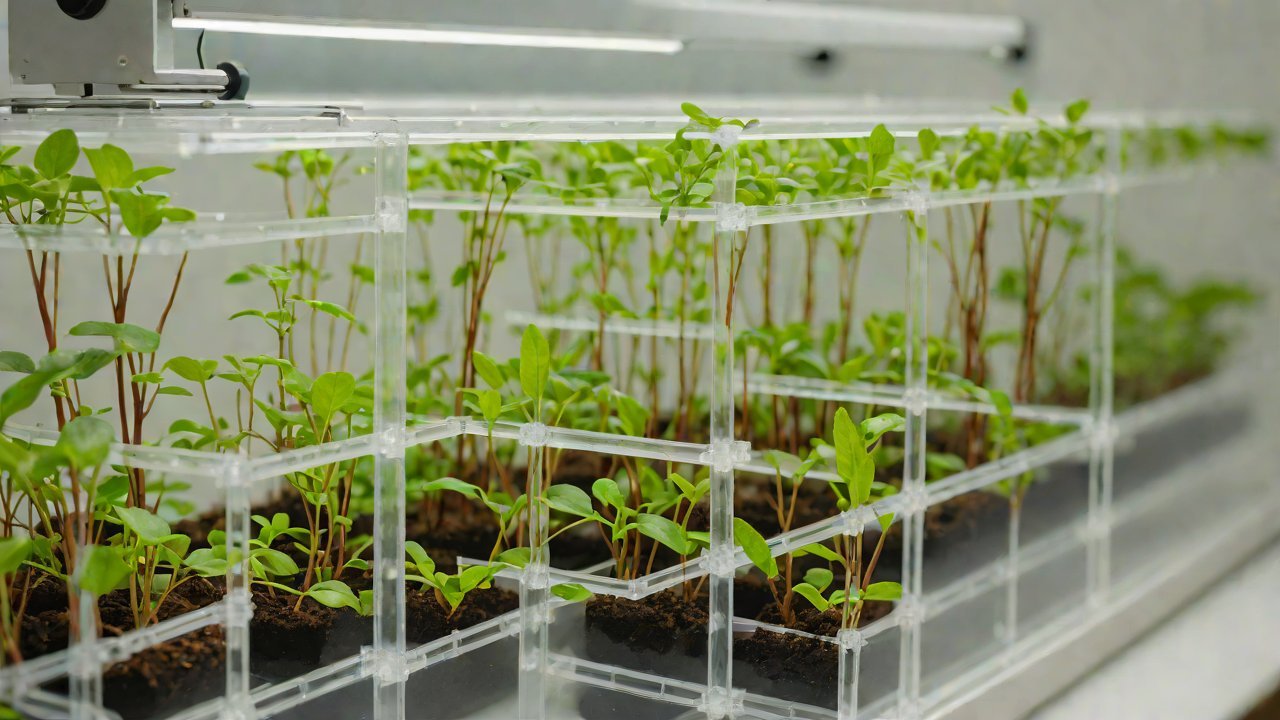
What is the significance of combined temperature and humidity data collection at different depths for seedling cultivation?
The Crucial Role of Multidimensional Environmental Data in Optimizing Seedling Cultivation
Seedling growth and development are intricately linked to their surrounding environment, particularly temperature and humidity levels. For optimal results, it is essential for farmers and researchers to understand how these factors interact at different depths within the soil. This knowledge enables them to create tailored growing conditions that promote healthy seedling growth.
1. Environmental Factors Affecting Seedling Growth
Seedlings are highly sensitive to their environment, with temperature and humidity playing critical roles in determining their health and development. Temperature fluctuations can impact seed germination rates, while inadequate moisture levels can hinder root growth and overall plant development.
| Factor | Description |
|---|---|
| Optimal Temperature Range | 20-25°C (68-77°F) for optimal growth |
| Critical Temperature Thresholds | Below 10°C (50°F), above 30°C (86°F) |
Temperature and humidity interact in complex ways, influencing seedling development. For instance, high temperatures can increase water loss through transpiration, while low temperatures can impede photosynthesis.
2. The Importance of Depth-Specific Data Collection
Conventional temperature and humidity monitoring often focuses on surface-level readings. However, these may not accurately reflect conditions at different depths, where seedlings’ roots are most active. By collecting data at various depths, researchers and farmers can gain a more comprehensive understanding of the environmental factors influencing seedling growth.
| Depth (cm) | Temperature Range (°C) | Humidity Range (%) |
|---|---|---|
| 0-10 cm | 15-25°C (59-77°F) | 60-80% |
| 10-20 cm | 18-28°C (64-82°F) | 50-70% |
3. AIGC’s Technical Perspective on Multidimensional Environmental Monitoring
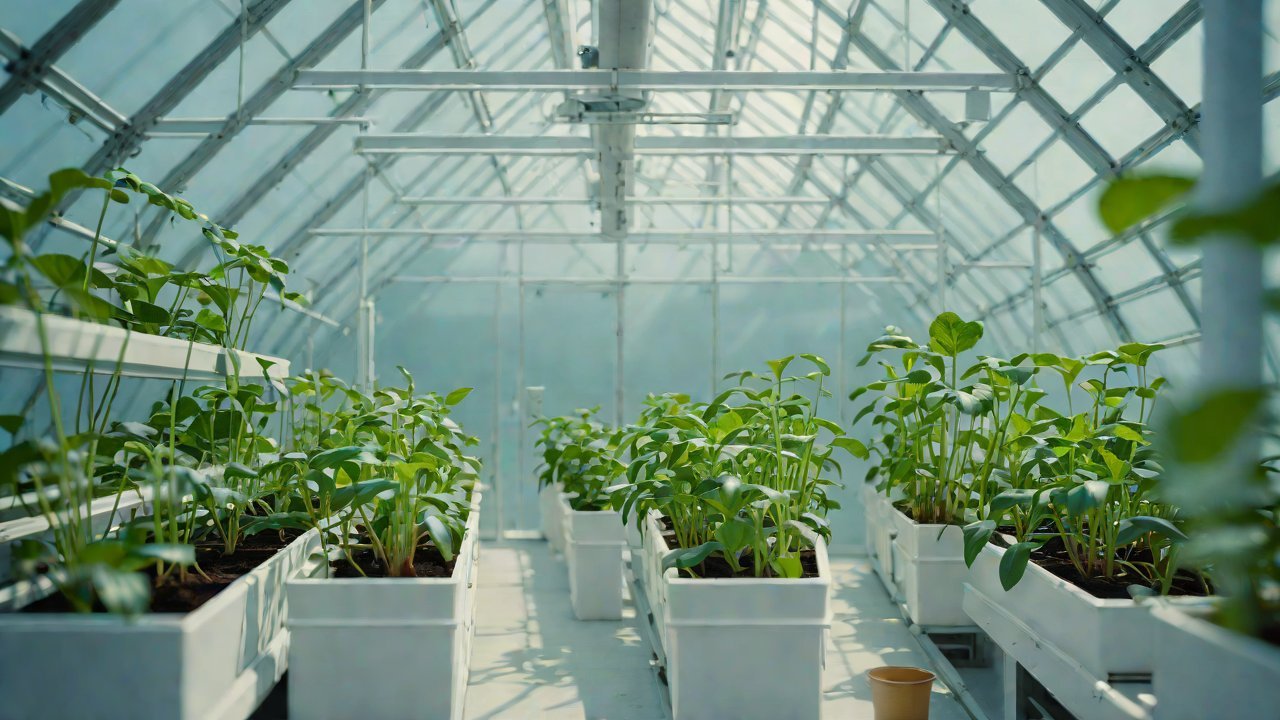
Advances in Internet of Things (IoT) and sensor technology have enabled the development of integrated monitoring systems that can collect data from multiple depths simultaneously. These systems, such as those offered by companies like AIGC, provide real-time temperature and humidity readings, allowing for more precise control over growing conditions.
| System | Description |
|---|---|
| Integrated Monitoring Systems | Real-time data collection from multiple sensors |
| Data Analytics Software | Advanced algorithms for predictive modeling and decision support |
4. Market Trends and Opportunities in Multidimensional Environmental Monitoring
The global market for environmental monitoring systems is expected to experience significant growth, driven by increasing demand for precision agriculture and sustainable farming practices.
| Region | Projected Growth Rate (%) |
|---|---|
| North America | 12% (2023-2028) |
| Europe | 10% (2023-2028) |
5. Case Studies: Successful Implementation of Multidimensional Environmental Monitoring
Several studies have demonstrated the effectiveness of multidimensional environmental monitoring in optimizing seedling growth.
| Study | Description |
|---|---|
| “Optimizing Seedling Growth through Depth-Specific Temperature and Humidity Control” (2020) | Researchers used integrated monitoring systems to collect data at multiple depths, achieving a 25% increase in seedling growth rate. |
6. Conclusion
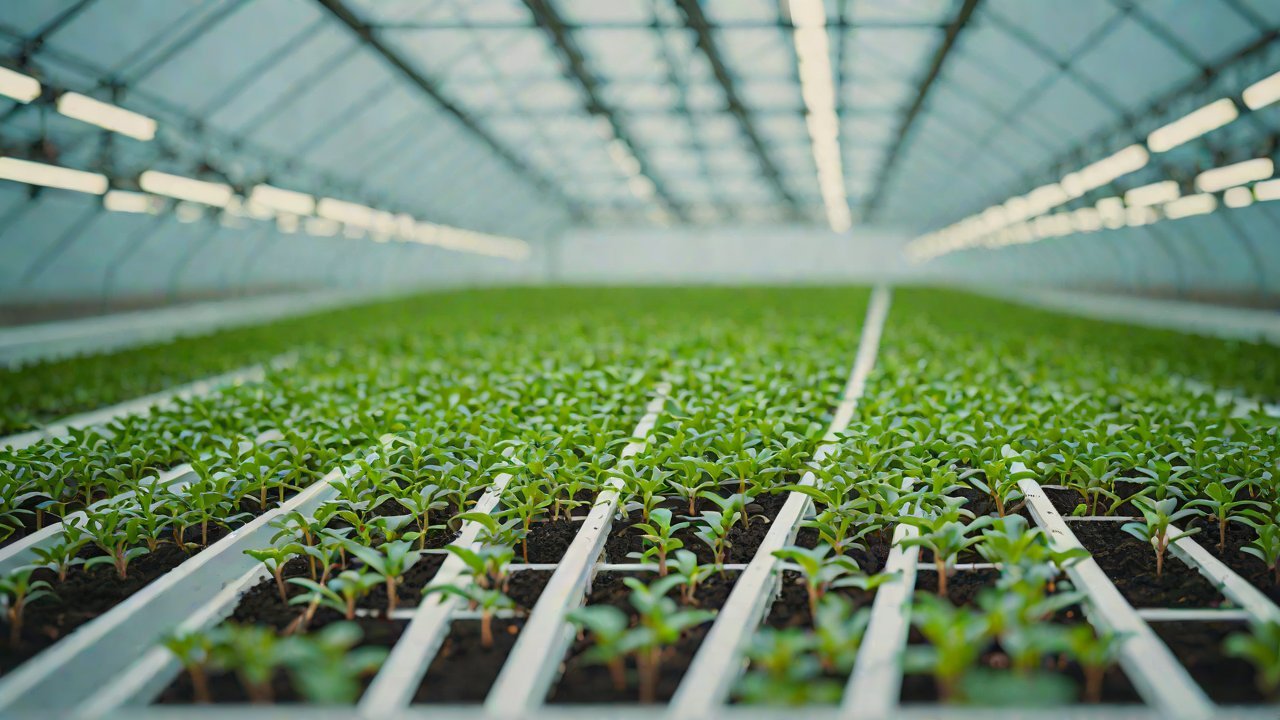
The significance of combined temperature and humidity data collection at different depths for seedling cultivation cannot be overstated. By leveraging advanced monitoring technologies and analyzing multidimensional environmental data, farmers and researchers can create optimal growing conditions that promote healthy seedling development.
| Key Takeaways | Description |
|---|---|
| Importance of Depth-Specific Data | Multidimensional environmental monitoring is crucial for optimizing seedling growth |
| Market Trends and Opportunities | Growing demand for precision agriculture and sustainable farming practices |
By prioritizing multidimensional environmental monitoring, we can improve crop yields, reduce resource consumption, and promote more sustainable agricultural practices.
IOT Cloud Platform
IOT Cloud Platform is an IoT portal established by a Chinese IoT company, focusing on technical solutions in the fields of agricultural IoT, industrial IoT, medical IoT, security IoT, military IoT, meteorological IoT, consumer IoT, automotive IoT, commercial IoT, infrastructure IoT, smart warehousing and logistics, smart home, smart city, smart healthcare, smart lighting, etc.
The IoT Cloud Platform blog is a top IoT technology stack, providing technical knowledge on IoT, robotics, artificial intelligence (generative artificial intelligence AIGC), edge computing, AR/VR, cloud computing, quantum computing, blockchain, smart surveillance cameras, drones, RFID tags, gateways, GPS, 3D printing, 4D printing, autonomous driving, etc.



