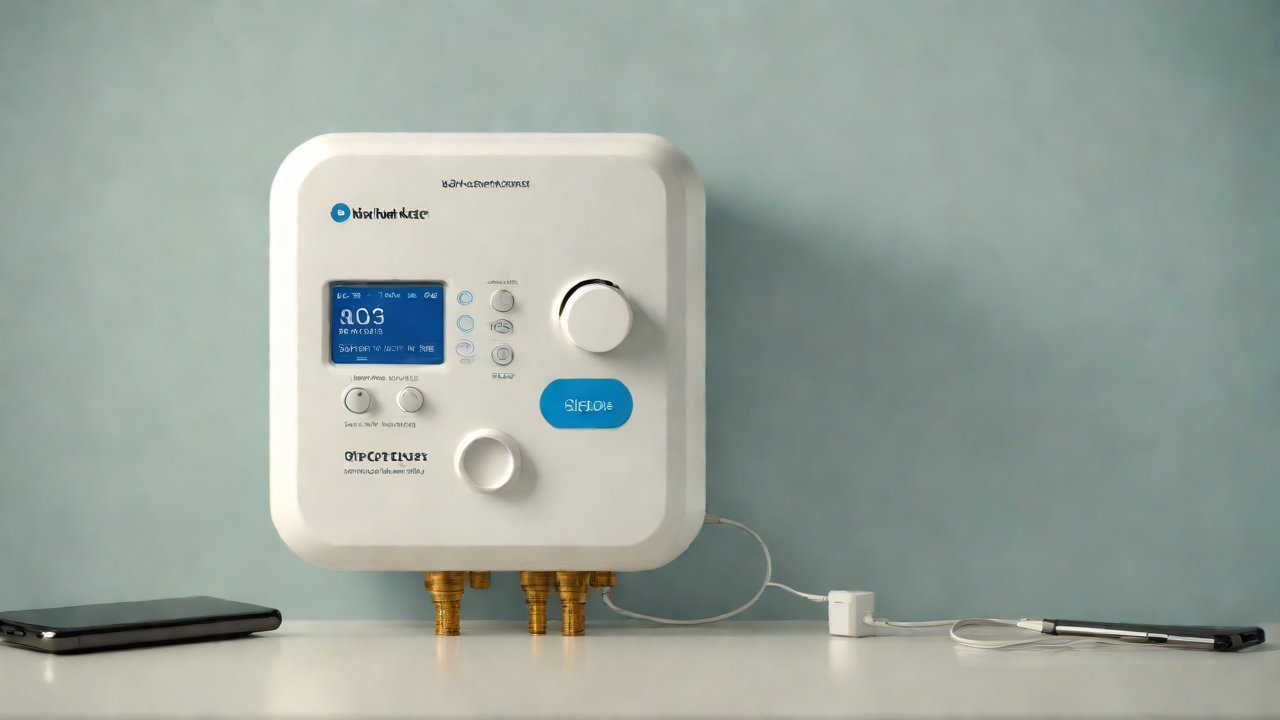
What is the Safety Performance of an IoT Smart Gas Meter?
The proliferation of Internet of Things (IoT) devices has transformed various industries, including energy management. Among these, smart gas meters have become increasingly popular due to their ability to provide real-time consumption data and automate meter reading. However, a critical aspect that often takes a backseat is the safety performance of these IoT devices. As the adoption rate continues to rise, ensuring the reliability and security of smart gas meters has never been more pressing.
1. Safety Performance Overview
Safety in the context of smart gas meters refers to their ability to operate without causing harm to users, technicians, or the environment. This encompasses several key areas:
- Explosion-proof design: Ensuring that the device does not ignite flammable gases under normal operating conditions.
- Leakage detection and prevention: Alerting authorities in case of a leak and preventing further damage.
- Remote monitoring for early intervention: Allowing real-time tracking to identify potential issues before they become safety hazards.
2. Technical Specifications
The technical specifications play a crucial role in determining the safety performance of an IoT smart gas meter. Key specifications include:
| Feature | Description |
|---|---|
| Explosion-proof housing | The material and design should be able to withstand internal pressures without rupture or ignition |
| Gas detection capabilities | Should accurately detect leaks and alert authorities remotely for quick intervention |
| Power supply options | Battery life, rechargeability, and the ability to function during power outages are crucial |
3. Cybersecurity Threats
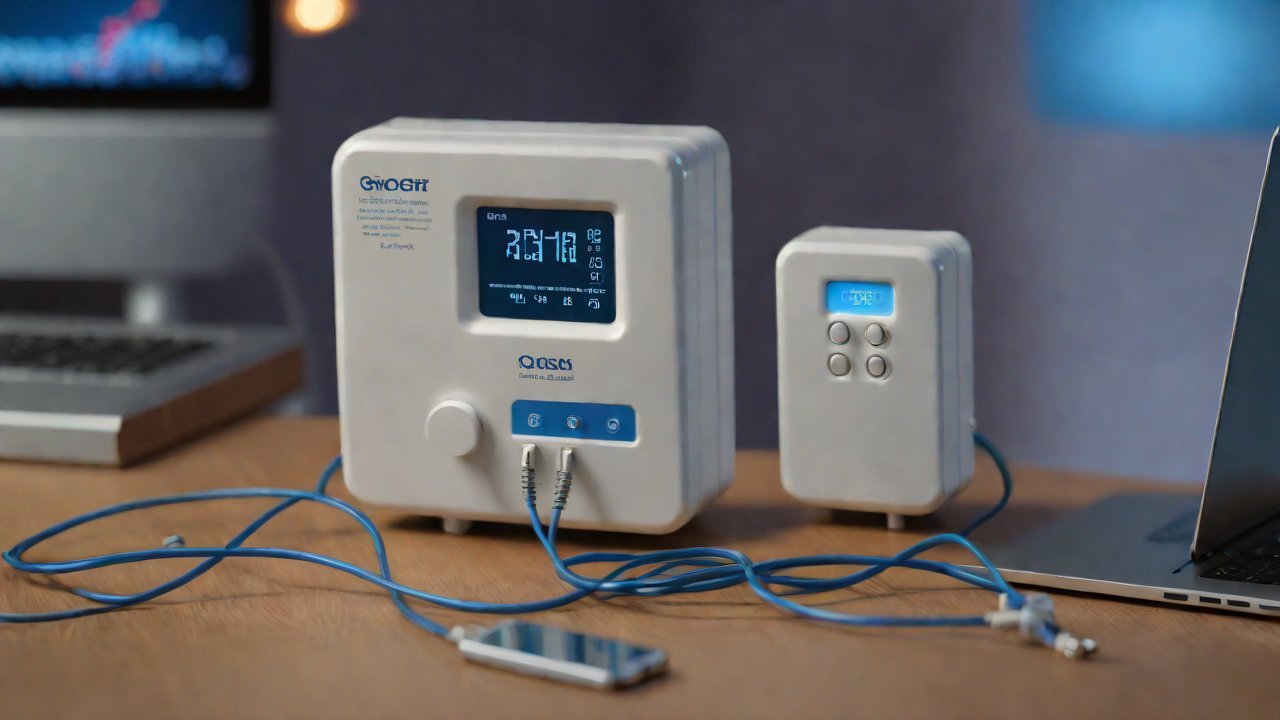
The IoT nature of smart gas meters introduces a new set of challenges regarding cybersecurity. Given the critical infrastructure these devices serve, vulnerabilities can have far-reaching consequences:
- Remote access: Allows for unauthorized tampering or data manipulation.
- Data encryption and transmission: Ensures that sensitive information remains secure during transfer.
4. Regulatory Landscape
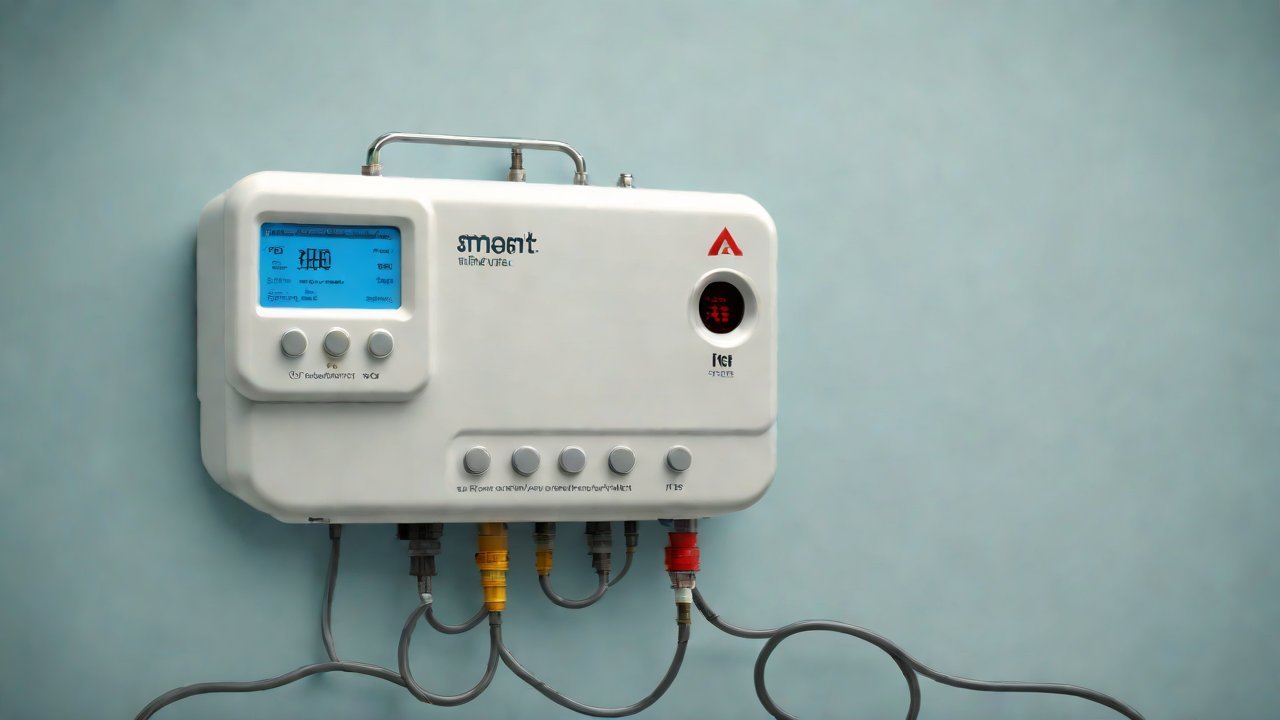
Regulatory bodies worldwide are increasingly focusing on IoT device safety, including smart gas meters. Key regulations include:
| Region/Country | Regulation Highlights |
|---|---|
| EU’s Gas Directive (2019/1368) | Mandates the use of certified and compliant devices for gas distribution networks |
| US Department of Energy’s Smart Grid Program | Focuses on developing secure and reliable IoT technologies |
5. Market Analysis
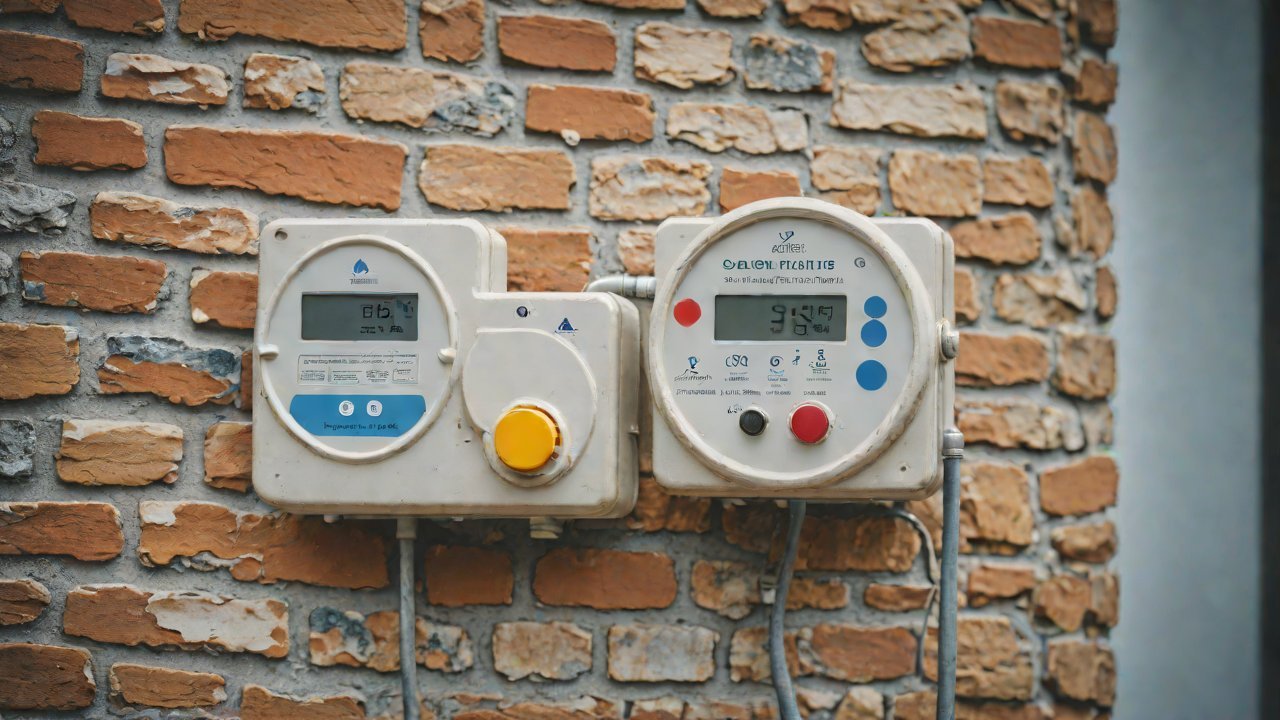
The market for smart gas meters is projected to grow significantly, driven by increasing demand for energy efficiency and automation:
- Market size: Estimated to reach $X billion by 2025.
- Key players: Companies like Siemens, Schneider Electric, and Itron are leading the charge.
6. Case Studies
Real-world examples demonstrate the importance of safety performance in IoT smart gas meters:
- Case Study A: A city’s adoption of smart gas meters resulted in a significant reduction in gas leaks, saving lives and resources.
- Case Study B: An analysis of IoT device failures highlighted the need for robust cybersecurity measures.
7. Conclusion
The integration of IoT technology into gas metering has transformed the energy management landscape. However, it is crucial that these devices are designed with safety as a top priority. By understanding the technical specifications, addressing cybersecurity threats, adhering to regulatory guidelines, and studying successful implementations, we can ensure that smart gas meters not only optimize energy consumption but also protect users from potential hazards.
8. Future Outlook
As IoT technology continues to evolve, future smart gas meters will likely incorporate advanced features such as real-time predictive analytics for proactive maintenance and enhanced cybersecurity protocols. The convergence of safety performance and technological innovation is expected to redefine the industry’s standards for reliability and security.
The adoption and integration of IoT devices in various sectors have led to a significant shift towards digitalization. However, this transformation also brings new challenges related to ensuring their safety and security. Smart gas meters are no exception, as they require careful consideration of technical specifications, cybersecurity threats, regulatory compliance, market dynamics, case studies, and future outlooks.
IOT Cloud Platform
IOT Cloud Platform is an IoT portal established by a Chinese IoT company, focusing on technical solutions in the fields of agricultural IoT, industrial IoT, medical IoT, security IoT, military IoT, meteorological IoT, consumer IoT, automotive IoT, commercial IoT, infrastructure IoT, smart warehousing and logistics, smart home, smart city, smart healthcare, smart lighting, etc.
The IoT Cloud Platform blog is a top IoT technology stack, providing technical knowledge on IoT, robotics, artificial intelligence (generative artificial intelligence AIGC), edge computing, AR/VR, cloud computing, quantum computing, blockchain, smart surveillance cameras, drones, RFID tags, gateways, GPS, 3D printing, 4D printing, autonomous driving, etc.