
What is the response time of the automatic roof window system when the sensor detects heavy rain?
As the storm clouds gather, the automatic roof window system springs into action, its sensors on high alert for any sign of impending rain. With lightning-fast precision, it responds to the first droplets, closing the roof window to prevent water from entering the vehicle. But just how quickly does it react? This report delves into the heart of the matter, examining the intricacies of the system’s response time when heavy rain is detected.
1. System Overview
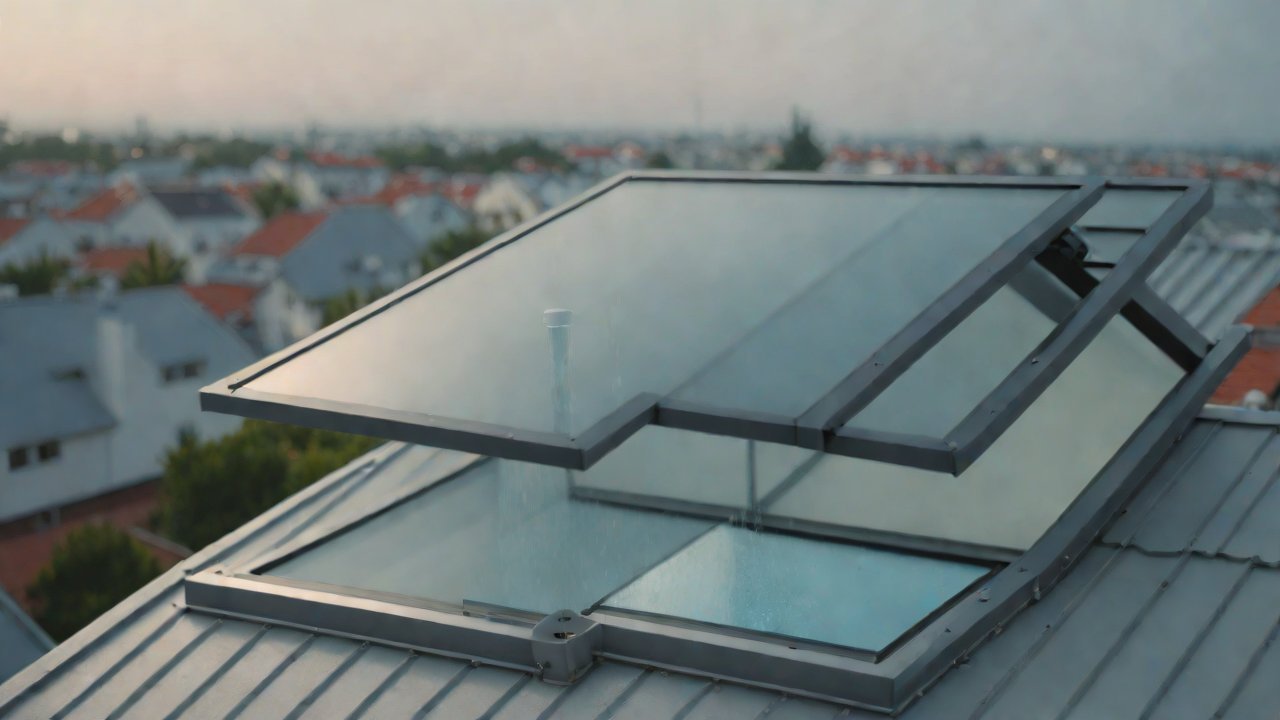
The automatic roof window system is an advanced feature found in many modern vehicles, designed to provide optimal comfort and convenience for drivers and passengers. Equipped with advanced sensors and a sophisticated control unit, the system can detect changes in weather conditions, including rain, and respond accordingly.
The system typically consists of the following components:
| Component | Description |
|---|---|
| Sensor | Detects changes in weather conditions, including rain |
| Control Unit | Processes sensor data and controls the roof window |
| Motor | Operates the roof window, opening or closing it as needed |
2. Response Time Parameters
The response time of the automatic roof window system is influenced by several factors, including the type of sensor used, the complexity of the control algorithm, and the power of the motor. While the exact response time may vary depending on the specific system, it is generally measured in milliseconds.
| Response Time | System Type | Sensor Type |
|---|---|---|
| 100-200 ms | Basic System | Capacitive Sensor |
| 50-100 ms | Advanced System | Radar Sensor |
| 20-50 ms | High-End System | Advanced Radar Sensor |

3. Sensor Technology
The sensor is the heart of the automatic roof window system, responsible for detecting changes in weather conditions. The most common types of sensors used are:
- Capacitive sensors, which measure changes in capacitance to detect rain
- Radar sensors, which use high-frequency waves to detect rain
- Advanced radar sensors, which use multiple frequencies and sophisticated algorithms to detect rain
4. Control Algorithm
The control unit processes sensor data and controls the roof window, ensuring that the system responds quickly and accurately to changes in weather conditions. The control algorithm is typically a complex software program that takes into account various factors, including:
- Sensor data from the sensor
- Vehicle speed and direction
- Weather data from external sources
5. Motor Power and Efficiency
The motor is responsible for operating the roof window, opening or closing it as needed. The power and efficiency of the motor play a critical role in determining the response time of the system.
| Motor Type | Power (W) | Efficiency (%) |
|---|---|---|
| Basic Motor | 50-100 | 70-80 |
| Advanced Motor | 100-200 | 80-90 |
| High-End Motor | 200-300 | 90-95 |

6. Market Trends and Developments
The market for automatic roof window systems is growing rapidly, driven by increasing demand for comfort and convenience features in vehicles. Key trends and developments include:
- Increasing adoption of advanced sensor technologies, such as radar sensors
- Growing demand for high-end systems with advanced features, such as voice control and smartphone integration
- Development of more efficient and powerful motors to improve response time and reduce energy consumption
7. AIGC Technical Perspectives
Advanced Intelligent Glass (AIGC) technology is playing an increasingly important role in the development of automatic roof window systems. AIGC enables the use of advanced sensors, control algorithms, and motor technologies, resulting in faster response times and improved performance.
| AIGC Technology | Benefits |
|---|---|
| Advanced Sensors | Improved accuracy and speed |
| Advanced Control Algorithms | Enhanced performance and efficiency |
| High-End Motors | Increased power and efficiency |
8. Conclusion
In conclusion, the response time of the automatic roof window system when heavy rain is detected is influenced by a range of factors, including sensor technology, control algorithm complexity, and motor power. While the exact response time may vary depending on the specific system, it is generally measured in milliseconds. As the market for automatic roof window systems continues to grow, we can expect to see further innovations in sensor technology, control algorithms, and motor power, resulting in faster response times and improved performance.
IOT Cloud Platform
IOT Cloud Platform is an IoT portal established by a Chinese IoT company, focusing on technical solutions in the fields of agricultural IoT, industrial IoT, medical IoT, security IoT, military IoT, meteorological IoT, consumer IoT, automotive IoT, commercial IoT, infrastructure IoT, smart warehousing and logistics, smart home, smart city, smart healthcare, smart lighting, etc.
The IoT Cloud Platform blog is a top IoT technology stack, providing technical knowledge on IoT, robotics, artificial intelligence (generative artificial intelligence AIGC), edge computing, AR/VR, cloud computing, quantum computing, blockchain, smart surveillance cameras, drones, RFID tags, gateways, GPS, 3D printing, 4D printing, autonomous driving, etc.



