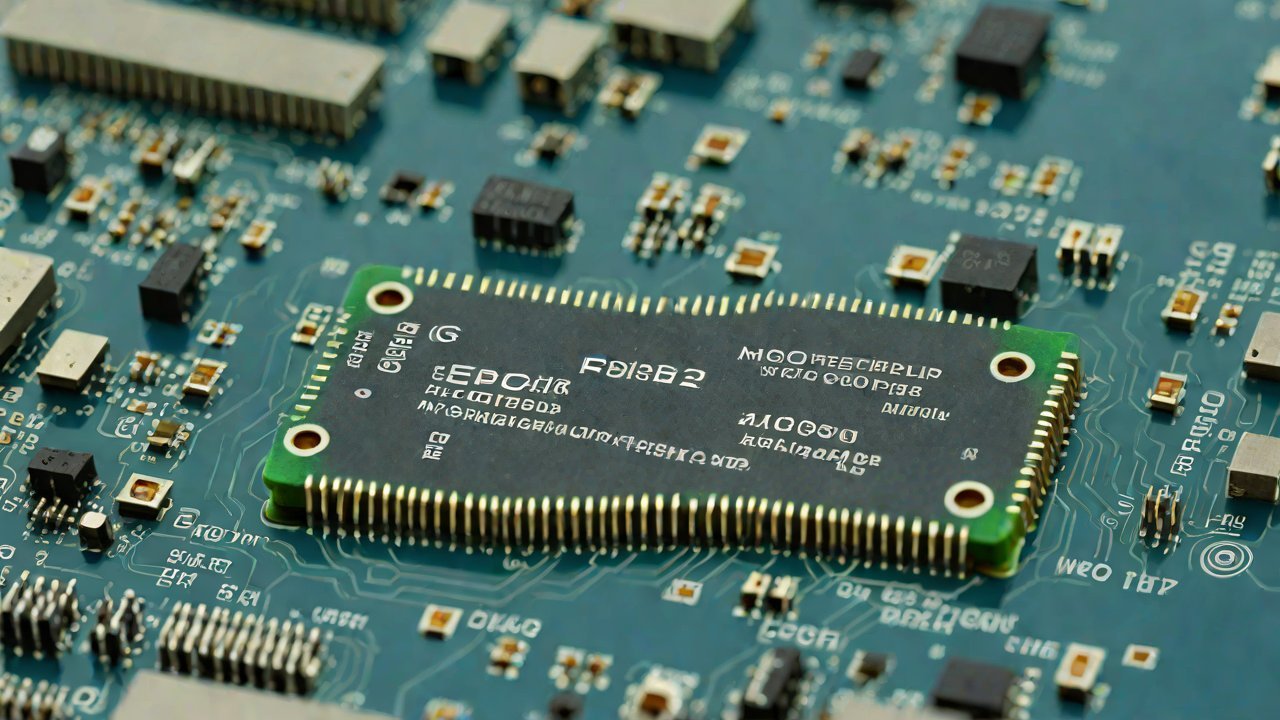
What is nodemcu esp8266
The ESP8266, a microcontroller module developed by Espressif Systems, has revolutionized the world of IoT (Internet of Things) and embedded systems. At its core, the ESP8266 is a System-on-Chip (SoC) that integrates a 32-bit RISC CPU, Wi-Fi, and low-power consumption capabilities, making it an attractive choice for a wide range of applications, from industrial automation to smart home devices. The NodeMCU, a popular development board, has further simplified the integration and development process for the ESP8266, making it accessible to developers and hobbyists alike.
1. Overview of the ESP8266
The ESP8266 is a 32-bit microcontroller module that integrates a RISC CPU, Wi-Fi, and other peripherals. It is designed to be a low-power, low-cost alternative to traditional microcontrollers. The ESP8266 features:
- 32-bit RISC CPU (L106)
- Integrated Wi-Fi (802.11 b/g/n)
- Low-power consumption (typical 1.1mA, maximum 200mA)
- 16MB or 32MB of external flash memory
- 4MB or 8MB of external RAM
- 16 GPIO pins
- UART, I2C, SPI, and I2S interfaces
2. Key Features of the ESP8266
The ESP8266 has several key features that make it an attractive choice for IoT and embedded systems development:
| Feature | Description |
|---|---|
| Wi-Fi | Integrated 802.11 b/g/n Wi-Fi |
| Low Power | Low power consumption (typical 1.1mA) |
| High Performance | 32-bit RISC CPU with 160 MHz clock speed |
| Memory | 16MB or 32MB of external flash memory, 4MB or 8MB of external RAM |
| GPIO | 16 GPIO pins with interrupt capabilities |
| Interfaces | UART, I2C, SPI, and I2S interfaces |
3. Applications of the ESP8266
The ESP8266 has a wide range of applications, including:
- IoT devices (sensors, actuators, etc.)
- Industrial automation (PLCs, HMIs, etc.)
- Smart home devices (lighting, temperature control, etc.)
- Wearables and mobile devices
- Robotics and drones
4. NodeMCU and ESP8266 Development
The NodeMCU is a popular development board that integrates the ESP8266 SoC with a range of peripherals and interfaces. The NodeMCU has a simple and intuitive design, making it easy to integrate and develop applications for the ESP8266.
| NodeMCU Feature | Description |
|---|---|
| ESP8266 SoC | Integrated ESP8266 SoC |
| GPIO | 16 GPIO pins with interrupt capabilities |
| UART | UART interface for serial communication |
| I2C | I2C interface for I2C communication |
| SPI | SPI interface for SPI communication |
| I2S | I2S interface for audio communication |
5. Market Trends and Outlook
The ESP8266 has gained significant traction in the IoT and embedded systems market, with a growing demand for low-power, low-cost, and high-performance microcontrollers. According to a recent report by Grand View Research, the global microcontroller market is expected to reach USD 14.6 billion by 2025, growing at a CAGR of 6.5%.
| Market Trend | Description |
|---|---|
| Growing Demand | Growing demand for low-power, low-cost, and high-performance microcontrollers |
| IoT Adoption | Increasing adoption of IoT technologies in various industries |
| Smart Home and City | Growing demand for smart home and city applications |
6. Technical Perspectives
The ESP8266 has several technical advantages that make it an attractive choice for IoT and embedded systems development:
- Low power consumption (typical 1.1mA)
- High performance (160 MHz clock speed)
- Integrated Wi-Fi (802.11 b/g/n)
- 16MB or 32MB of external flash memory
- 4MB or 8MB of external RAM
7. Conclusion
The ESP8266, with its integrated Wi-Fi, low power consumption, and high performance capabilities, has revolutionized the world of IoT and embedded systems. The NodeMCU, a popular development board, has further simplified the integration and development process for the ESP8266. With a growing demand for low-power, low-cost, and high-performance microcontrollers, the ESP8266 is poised to continue its dominance in the market.
IOT Cloud Platform
IOT Cloud Platform is an IoT portal established by a Chinese IoT company, focusing on technical solutions in the fields of agricultural IoT, industrial IoT, medical IoT, security IoT, military IoT, meteorological IoT, consumer IoT, automotive IoT, commercial IoT, infrastructure IoT, smart warehousing and logistics, smart home, smart city, smart healthcare, smart lighting, etc.
The IoT Cloud Platform blog is a top IoT technology stack, providing technical knowledge on IoT, robotics, artificial intelligence (generative artificial intelligence AIGC), edge computing, AR/VR, cloud computing, quantum computing, blockchain, smart surveillance cameras, drones, RFID tags, gateways, GPS, 3D printing, 4D printing, autonomous driving, etc.