What does a National Grid smart meter look like
Smart meters have become an essential component of modern energy management, providing real-time monitoring and control over energy consumption. The National Grid’s smart meter initiative is one such example, aiming to revolutionize the way energy is consumed and managed in homes across the UK. These devices are equipped with advanced features that enable accurate measurement of electricity usage, automated meter reading, and remote monitoring.
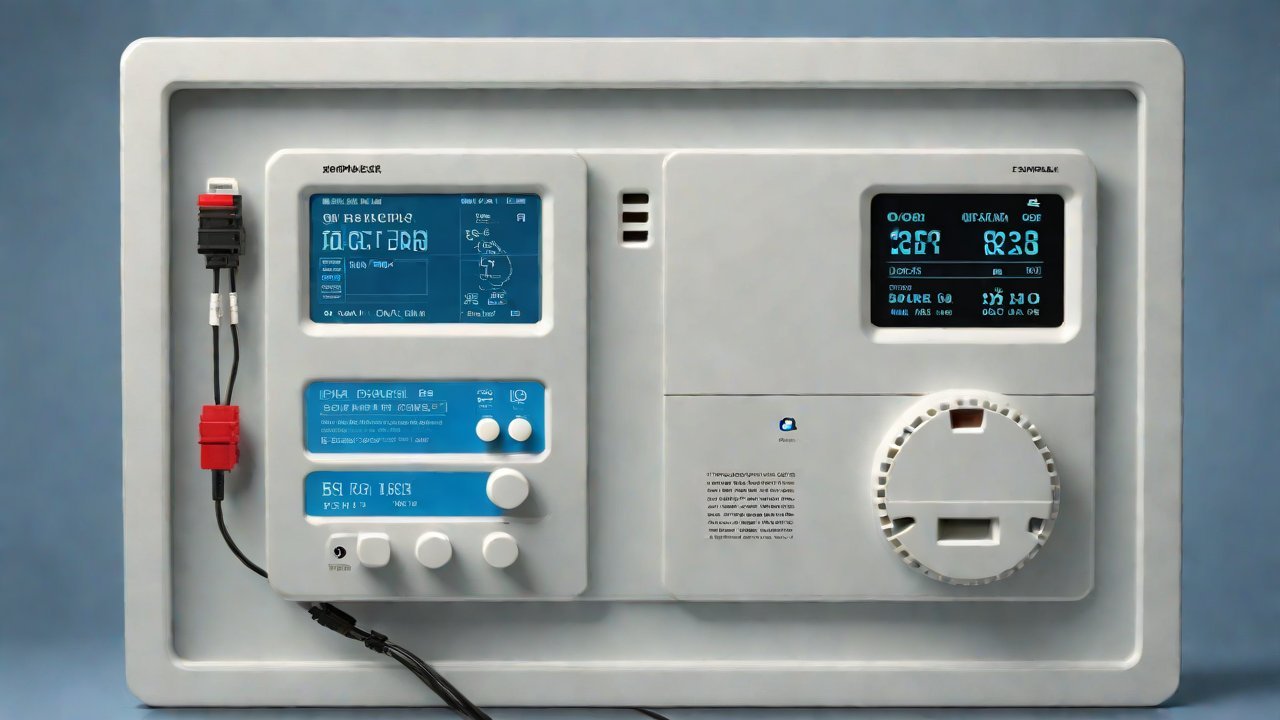
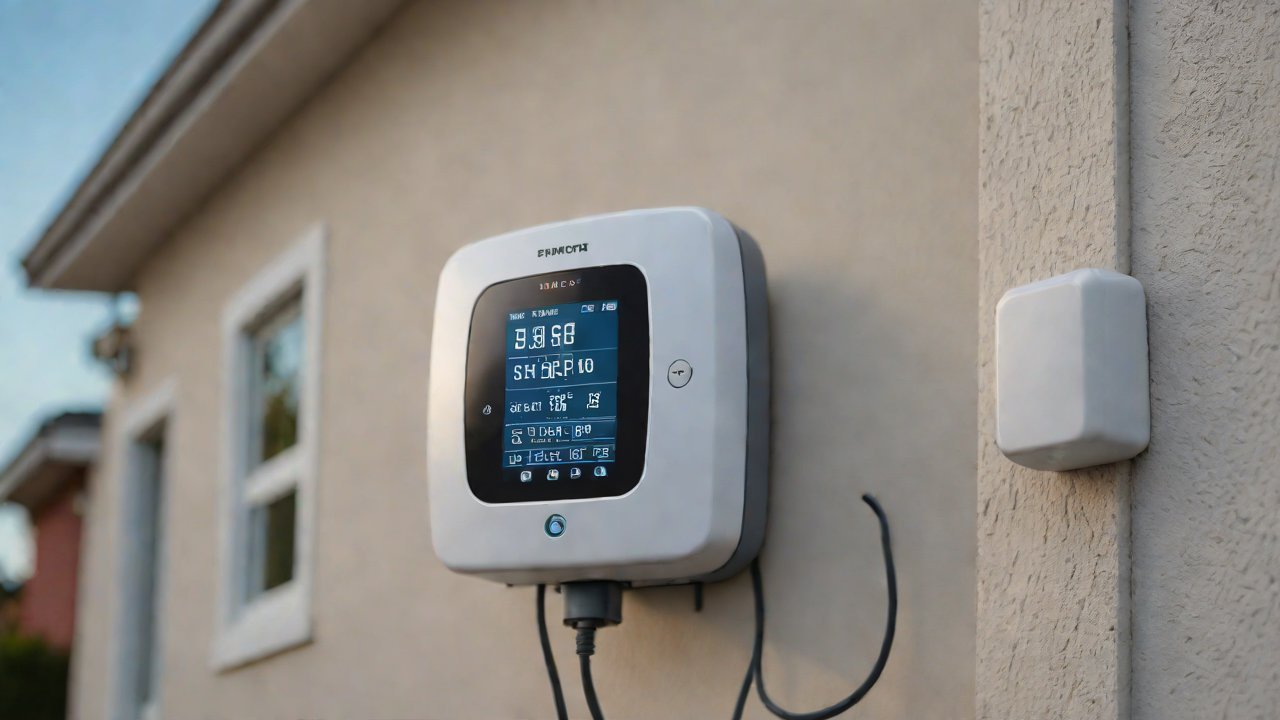
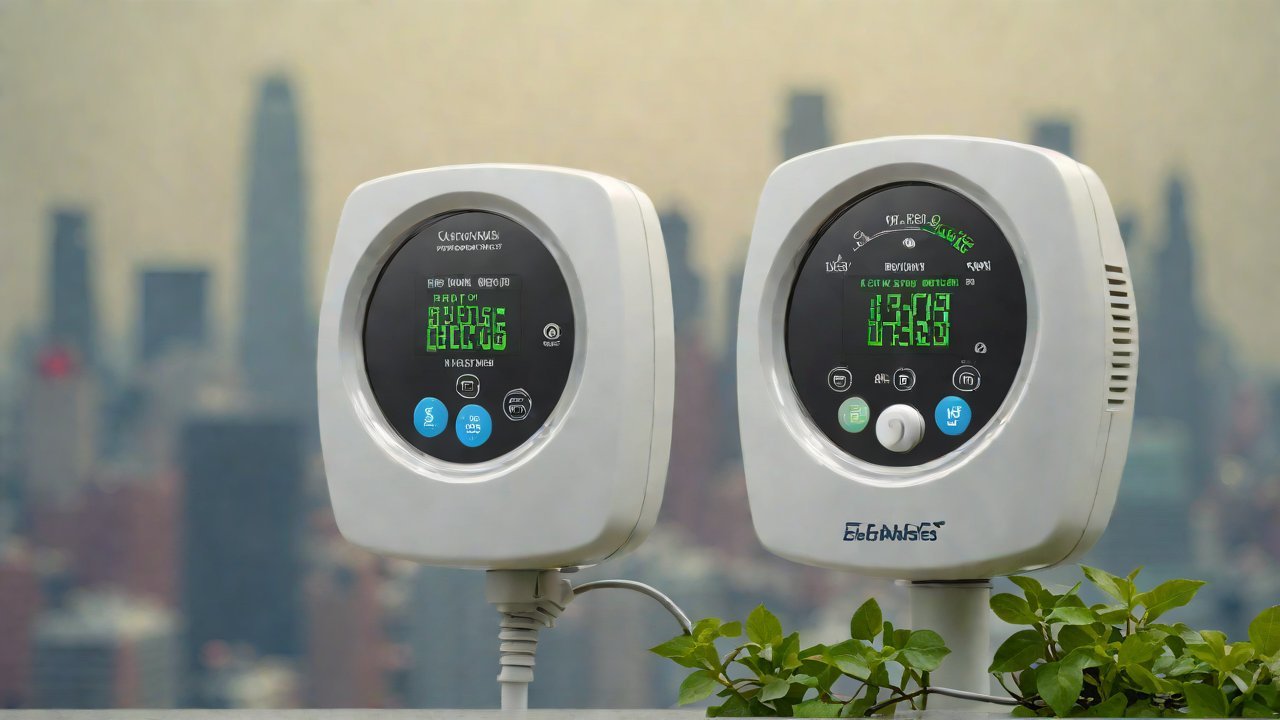
The physical appearance of a National Grid smart meter can vary depending on its type and installation location. Typically, they resemble a standard electrical meter but with additional components such as a touchscreen display or a separate remote key fob. Some models may have a more compact design to fit snugly within existing meter boxes.
1. Device Components
Smart meters consist of several essential components that enable their advanced functionality:
| Component | Description |
|---|---|
| Communication Module | Enables communication with the grid and other devices via wireless or wired connections |
| Energy Measurement Unit (EMU) | Accurately measures electricity usage in real-time |
| Display Screen | Provides users with visual feedback on energy consumption, including graphs and alerts |
| Memory Storage | Stores historical data for analysis and reporting purposes |
2. Installation Process
Smart meters are typically installed by authorized personnel from the National Grid or its contractors. The process involves:
- Pre-Installation Survey: Assessing the site to ensure a smooth installation
- Meter Removal (if applicable): Disconnecting old meters, if any
- New Meter Installation: Mounting and connecting the smart meter to the energy supply network
- Post-Installation Testing: Verifying the device’s functionality and accuracy
3. Technical Specifications
National Grid smart meters are designed to meet specific technical requirements:
| Parameter | Specification |
|---|---|
| Accuracy Class | S Class (±0.5% of nominal value) |
| Measurement Range | Up to 100A, 230V AC |
| Communication Protocols | Zigbee, Modbus, or other proprietary protocols |
4. Data Management
Smart meters generate vast amounts of data, which is collected and analyzed by the National Grid:
- Data Transmission: Energy consumption readings are transmitted wirelessly or via power line communication (PLC)
- Centralized Data Storage: Collected data is stored in secure databases for analysis
- Visualization Tools: Users can access real-time energy usage data through online portals or mobile apps
5. Benefits and Challenges
The National Grid’s smart meter initiative has several benefits, including:
- Energy Efficiency: Accurate measurement enables users to optimize energy consumption
- Reduced Energy Waste: Automated meter reading minimizes errors and ensures accurate billing
- Enhanced Customer Engagement: Real-time data empowers customers to make informed decisions about their energy usage
However, there are also challenges associated with the deployment of smart meters:
- Cost and Complexity: Installation costs can be high, while complexity may lead to technical issues
- Public Acceptance: Some users may resist changes in metering technology or data collection practices
- Cybersecurity Risks: Smart meters introduce new vulnerabilities that must be addressed through robust security measures
6. Case Study: National Grid’s Smart Meter Rollout
The UK’s largest energy supplier, National Grid, has been rolling out smart meters across the country:
- Initial Phase (2010-2015): Deployment of advanced metering infrastructure (AMI) in select areas
- Main Rollout (2016-present): Nationwide deployment of smart meters to over 50 million homes
- Goals and Objectives: Achieve 100% smart meter penetration by 2024, with a focus on energy efficiency and customer engagement
The successful implementation of National Grid’s smart meter initiative is contingent upon addressing technical challenges, ensuring public acceptance, and mitigating cybersecurity risks.
7. Conclusion
National Grid’s smart meters are designed to provide accurate measurement, automated reading, and remote monitoring capabilities. While there are benefits associated with their deployment, such as energy efficiency and reduced waste, challenges like cost, complexity, and cybersecurity risks must be addressed through careful planning and execution. As the UK continues to transition towards a more digitalized energy landscape, smart meters will play an increasingly important role in shaping the future of energy management.
References
- National Grid (2022). Smart Meter Rollout Update.
- Department for Business, Energy & Industrial Strategy (BEIS) (2020). Smart Meters: A Guide to the Benefits and Challenges.
- International Electrotechnical Commission (IEC) (2019). IEC 62056-21:2016 – Electricity metering – Tariff information exchange – Part 21: Protocol for interfaces.
Appendix
- List of National Grid’s Smart Meter Contractors
- Technical Specifications for Smart Meter Manufacturers
IOT Cloud Platform
IOT Cloud Platform is an IoT portal established by a Chinese IoT company, focusing on technical solutions in the fields of agricultural IoT, industrial IoT, medical IoT, security IoT, military IoT, meteorological IoT, consumer IoT, automotive IoT, commercial IoT, infrastructure IoT, smart warehousing and logistics, smart home, smart city, smart healthcare, smart lighting, etc.
The IoT Cloud Platform blog is a top IoT technology stack, providing technical knowledge on IoT, robotics, artificial intelligence (generative artificial intelligence AIGC), edge computing, AR/VR, cloud computing, quantum computing, blockchain, smart surveillance cameras, drones, RFID tags, gateways, GPS, 3D printing, 4D printing, autonomous driving, etc.