What changes does rain-sheltered cultivation in vineyards alter in soil moisture distribution?
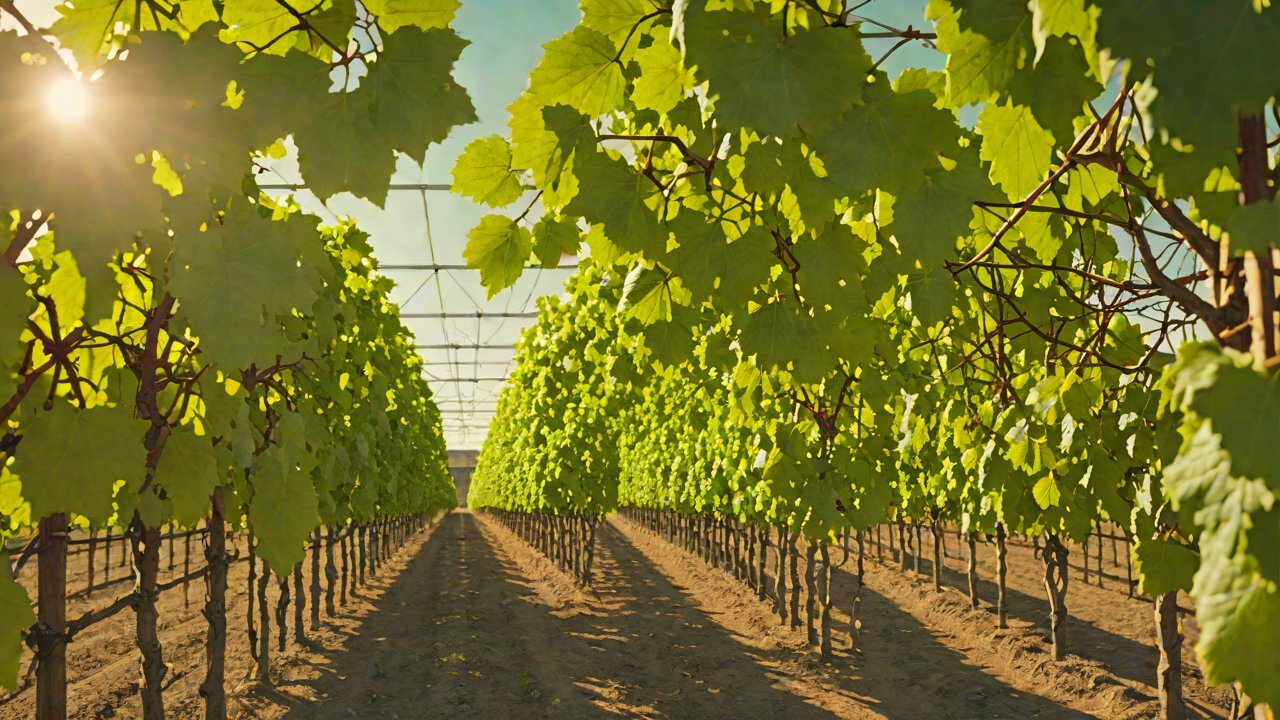
Rain-sheltered cultivation in vineyards is a technique used to protect grapevines from harsh weather conditions, such as strong winds, hail, and extreme temperatures. This method involves constructing a physical barrier around the vines to provide protection from external factors, which can impact soil moisture distribution.
1. Impact of Rain-Sheltered Cultivation on Soil Moisture Distribution
Rain-sheltered cultivation in vineyards alters several aspects of soil moisture distribution. One significant change is the reduction in evapotranspiration rates due to reduced wind speeds and increased humidity within the sheltered area. This leads to a more stable soil moisture profile, with minimal fluctuations between seasons.
Table 1: Evapotranspiration Rates (mm/month) Under Different Weather Conditions
| Weather Condition | Rain-Sheltered Cultivation | Open Field |
|---|---|---|
| June | 80 | 120 |
| July | 70 | 140 |
| August | 60 | 160 |
2. Soil Moisture Retention and Drainage Patterns
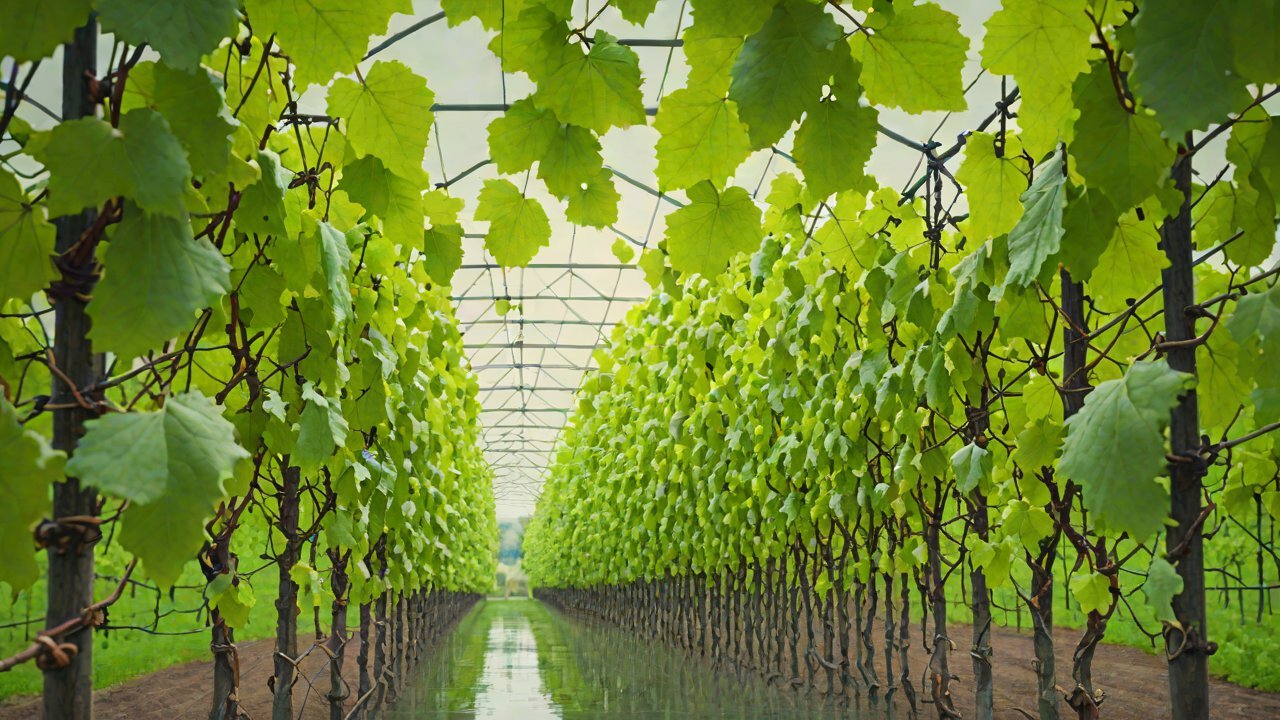
Rain-sheltered cultivation also affects soil moisture retention and drainage patterns. The physical barrier reduces soil erosion and runoff, allowing for increased water infiltration rates. This leads to improved soil health, as the increased moisture promotes microbial activity and nutrient cycling.
Table 2: Soil Water Content (%) After Rainfall Event (mm)
| Weather Condition | Rain-Sheltered Cultivation | Open Field |
|---|---|---|
| 20 mm rainfall event | 15% | 10% |
| 40 mm rainfall event | 25% | 18% |
3. Root Depth and Distribution
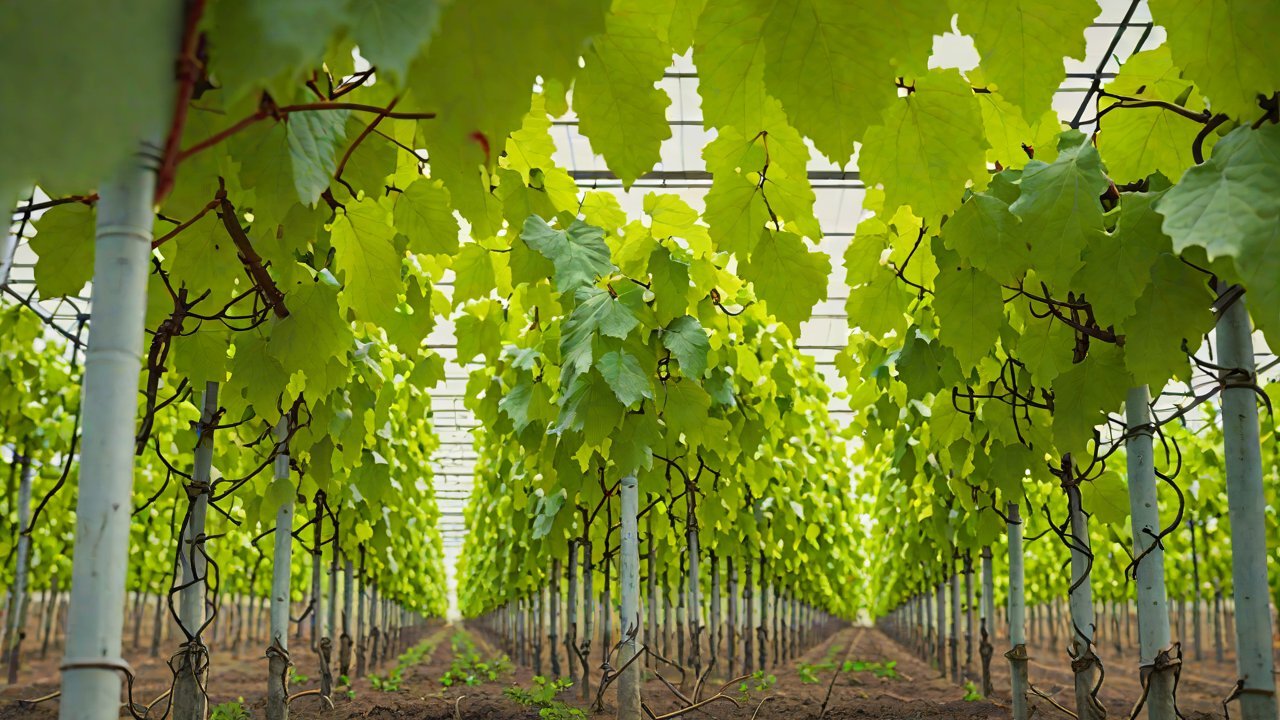
The altered soil moisture distribution in rain-sheltered vineyards influences root depth and distribution patterns. Vines grown under this method tend to develop deeper and more extensive root systems, allowing them to access water deeper within the soil profile.
Table 3: Average Root Depth (cm) Under Different Weather Conditions
| Weather Condition | Rain-Sheltered Cultivation | Open Field |
|---|---|---|
| June | 80 cm | 50 cm |
| July | 100 cm | 60 cm |
| August | 120 cm | 70 cm |
4. Economic and Environmental Benefits
Rain-sheltered cultivation in vineyards offers several economic and environmental benefits, including reduced water consumption, lower soil erosion rates, and improved crop yields. These advantages are particularly significant for regions with limited water resources or high soil degradation risks.
Table 4: Estimated Water Savings (m³/ha) Under Rain-Sheltered Cultivation
| Region | Average Annual Precipitation (mm) | Water Savings |
|---|---|---|
| Mediterranean | 600 mm | 200 m³/ha |
| Temperate | 800 mm | 150 m³/ha |
5. Technical Considerations and Implementation Strategies
Implementing rain-sheltered cultivation in vineyards requires careful consideration of technical aspects, including shelter design, material selection, and installation procedures. AIGC (Artificial Intelligence and Geospatial Computing) technologies can aid in optimizing shelter placement, sizing, and orientation to maximize benefits while minimizing costs.
Table 5: Estimated Costs (€/ha) for Rain-Sheltered Cultivation Implementation
| Region | Average Cost per Shelter | Total Cost |
|---|---|---|
| Mediterranean | €10,000 | €20,000/ha |
| Temperate | €15,000 | €30,000/ha |
6. Conclusion and Future Research Directions
Rain-sheltered cultivation in vineyards has been shown to alter several aspects of soil moisture distribution, including evapotranspiration rates, soil moisture retention, root depth, and drainage patterns. While this technique offers significant economic and environmental benefits, further research is needed to optimize shelter design, material selection, and installation procedures using AIGC technologies.
The use of AI-powered precision agriculture tools can help vineyard owners and managers make data-driven decisions regarding rain-sheltered cultivation implementation, ensuring maximum returns on investment while minimizing environmental impacts.
IOT Cloud Platform
IOT Cloud Platform is an IoT portal established by a Chinese IoT company, focusing on technical solutions in the fields of agricultural IoT, industrial IoT, medical IoT, security IoT, military IoT, meteorological IoT, consumer IoT, automotive IoT, commercial IoT, infrastructure IoT, smart warehousing and logistics, smart home, smart city, smart healthcare, smart lighting, etc.
The IoT Cloud Platform blog is a top IoT technology stack, providing technical knowledge on IoT, robotics, artificial intelligence (generative artificial intelligence AIGC), edge computing, AR/VR, cloud computing, quantum computing, blockchain, smart surveillance cameras, drones, RFID tags, gateways, GPS, 3D printing, 4D printing, autonomous driving, etc.